“I want to enjoy it while it lasts”: Naomi Osaka’s Roland-Garros run leads into Sabalenka meeting
WTA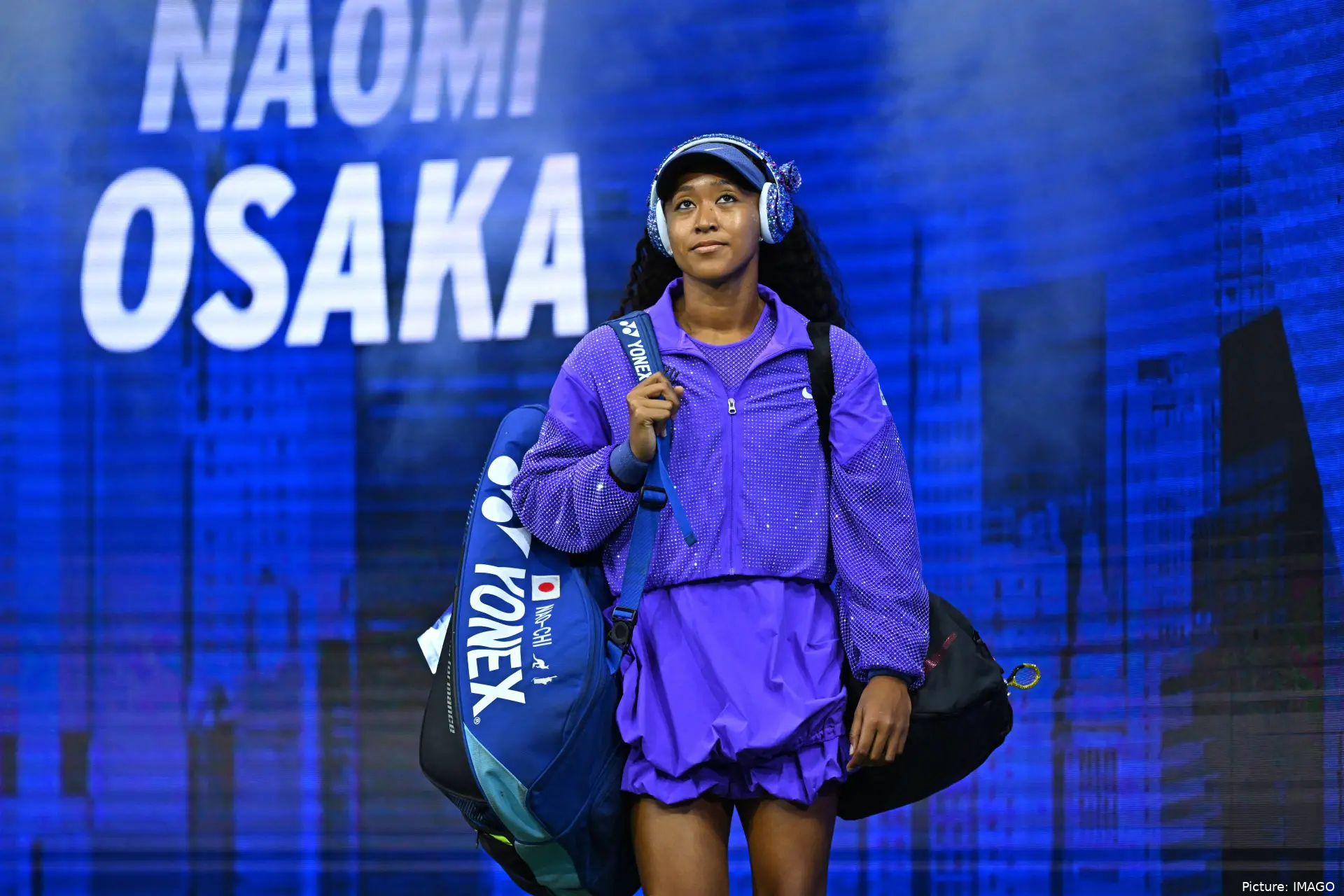
Naomi Osaka addressed her upcoming fourth-round clash against Aryna Sabalenka at the French Open, as both players advanced through contrasting paths at Roland-Garros, with Osaka surviving a three-set battle against Iva Jovic while Sabalenka maintained a dominant, set-free run in Paris.
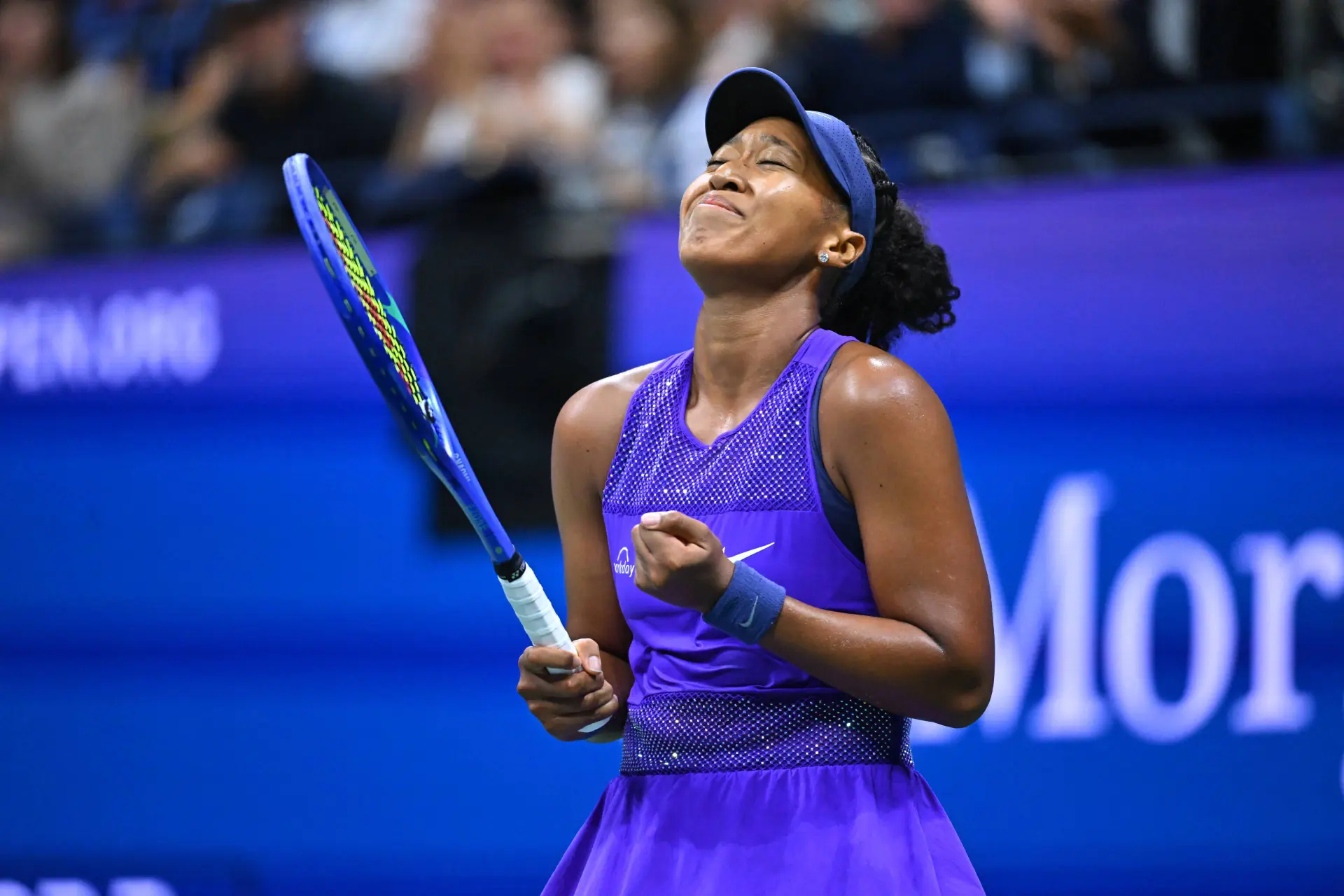
Osaka will meet the world No. 1 in what represents a major test of her resurgence on clay, after securing a 7-6(5), 6-7(3), 6-4 victory over 17th seed Jovic in a match decided by fine margins and late pressure. The Japanese player converted her first break point of the final set at 5-4, sealing the win in a match where neither player had faced break points deep into the decider.
The result sends Osaka into the second week of Roland-Garros for the first time, marking her first appearance beyond the third round at the tournament since 2019. She had previously defeated Laura Siegemund and Donna Vekic in straight sets, part of a more consistent clay-court run compared with injury-disrupted seasons in recent years.
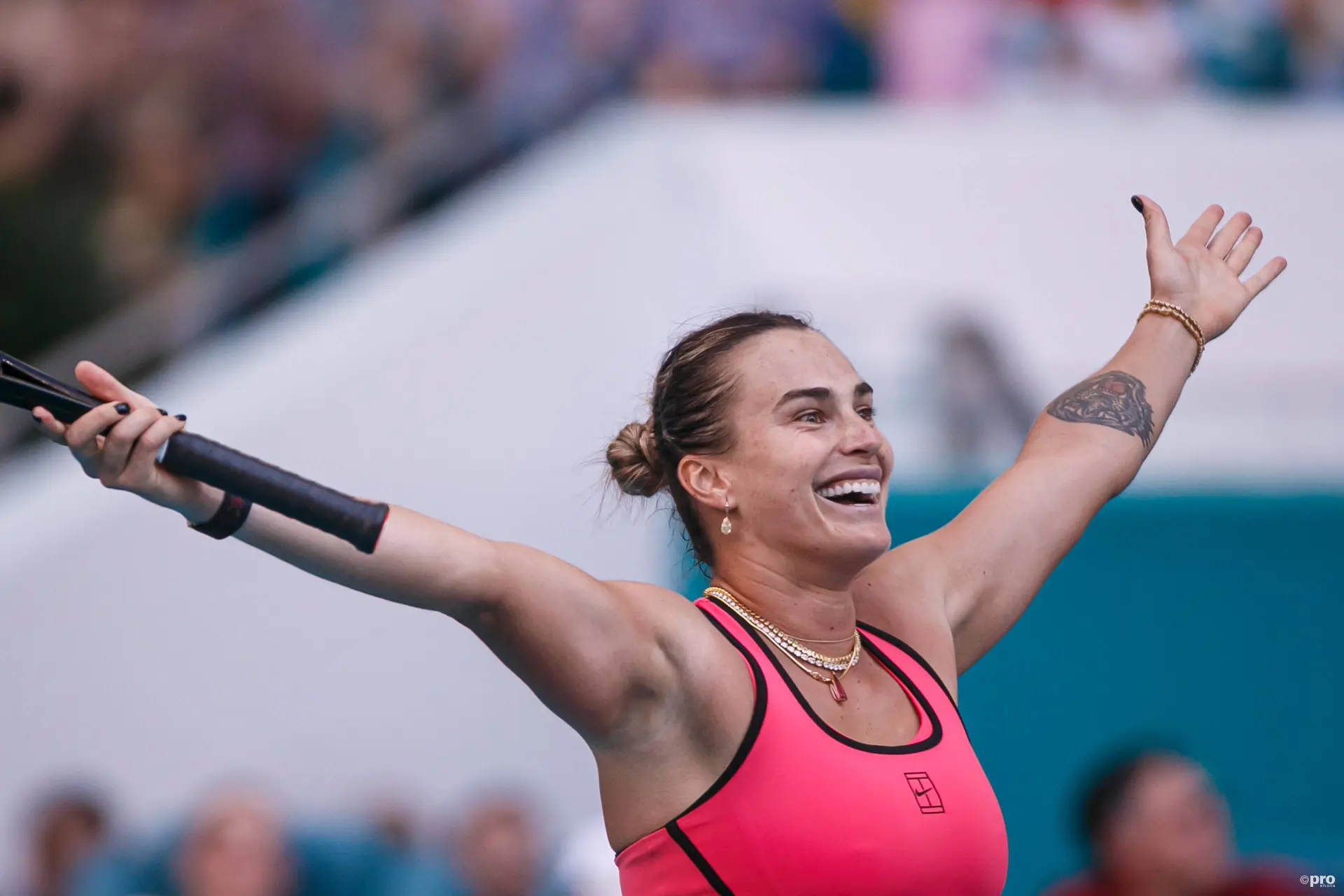
Sabalenka arrives at the clash without dropping a set in Paris, having beaten Daria Kasatkina in the third round after earlier wins over Jessica Bouzas Maneiro and Elsa Jacquemot. The world No. 1 leads their head-to-head 2-1, including a three-set victory in Madrid earlier this season.
Osaka’s mental reset and clutch execution in Paris
Osaka’s assessment of her current form centred on emotional control and point-by-point management rather than structural changes in her game. She pointed to a shift in mindset that has helped her navigate tight matches, particularly in the decisive stages of sets.
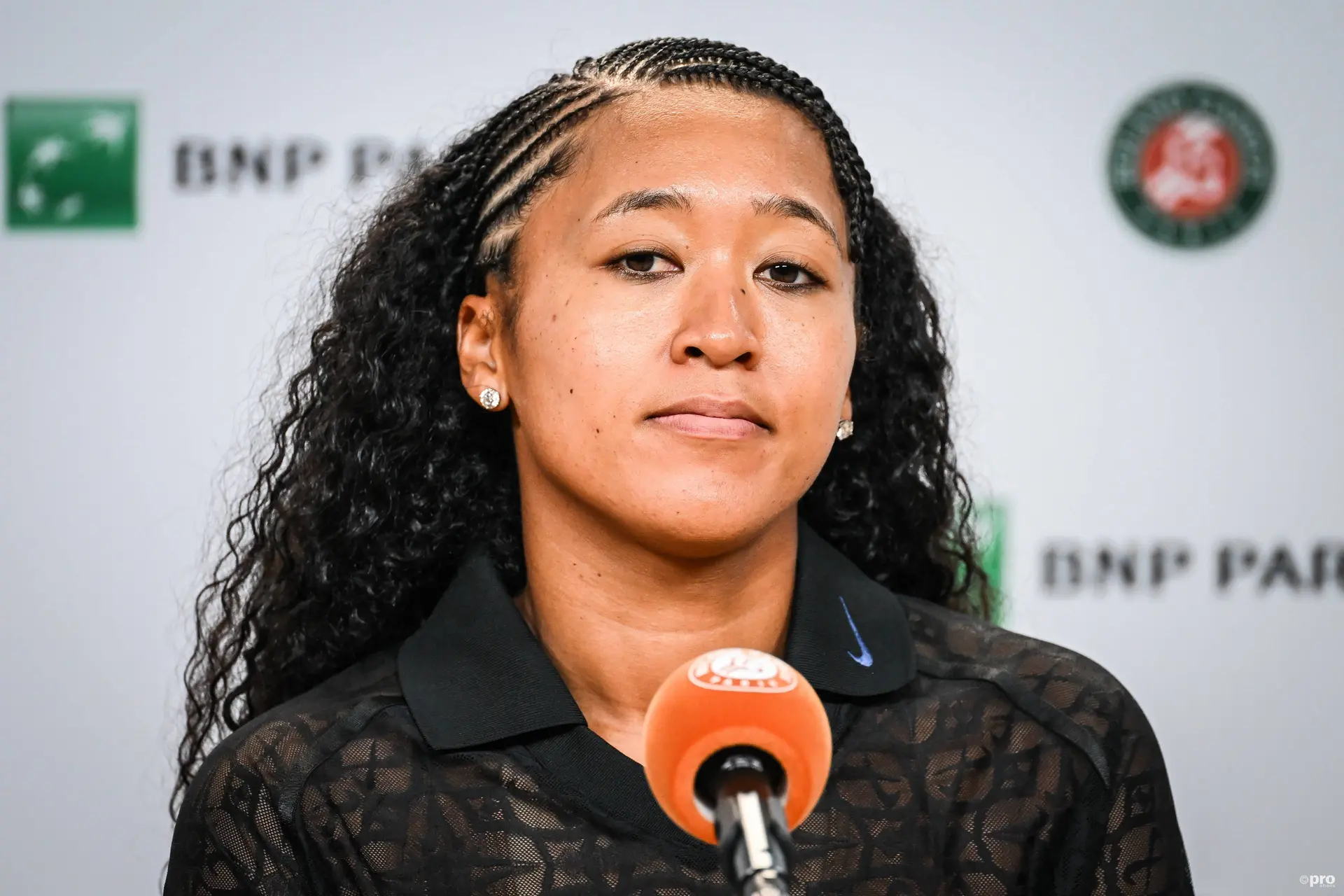
“I think I’m just a lot calmer now," she said in press conference. "In previous years, I just wanted it so much. Now, obviously, I do want it, but I accept that it’s a process. Maybe it’ll eventually come and maybe it won’t, but I just have to enjoy it while it lasts.”
That approach was tested directly against Jovic, where Osaka was forced into extended pressure situations before closing the match in the final set. The win also reinforced her ability to manage momentum swings, an area that has previously undermined her consistency in Grand Slam contexts. “I don’t have to win every single point, but I just have to try every single point and hopefully it goes in my favour.”

First Roland-Garros second week and Sabalenka challenge
Osaka’s run to the fourth round represents a structural milestone in her return to form, marking her first progression to the second week at Roland-Garros. She had not reached the third round in Paris since 2019, with limited wins at the event in the intervening seasons.
Her 2026 campaign has included straight-set victories over Siegemund and Vekic before the more physically and mentally demanding win over Jovic. The match highlighted both endurance and decision-making under pressure, particularly in a final set where neither player created break-point opportunities until the closing games.
“In the past, I’d usually get injured in Stuttgart. Shout out Stuttgart, though. And then I’d kind of hobble my way over to this tournament. But I have been feeling pretty good. I want to keep going. I just want to keep focusing on every match.”
The improvement in continuity has been central to her clay-court progression, with fewer interruptions allowing her to build match rhythm. Osaka has repeatedly linked this to her ability to sustain focus in long matches, something that was visible in her handling of the Jovic decider.
Sabalenka presents a significantly different challenge. The world No. 1 enters the match without dropping a set in Paris and with a recent victory over Osaka in Madrid. Their head-to-head stands at 2-1 in favour of Sabalenka, underlining the scale of the task facing Osaka in the fourth round.
Tactical outlook and competitive framing ahead of Sabalenka
Osaka’s preparation for Sabalenka is defined less by tactical over-adjustment and more by execution consistency. She emphasised maintaining aggression while avoiding disruption from previous encounters, particularly the Madrid match where she led before fading in the latter stages.
“I feel like I played a pretty good match in Madrid. I think I just dipped in the second and third set. So hopefully just keep the consistency and keep trying to be aggressive and whatever happens, happens.”
Read also
Her broader tournament approach has also reflected a neutral stance on scheduling and court allocation, with Osaka stating she does not significantly factor external conditions into performance preparation. That perspective aligns with her current emphasis on internal control rather than environmental variables.
Against Sabalenka, the key contrast will be between Osaka’s improving match endurance and Sabalenka’s sustained dominance through early rounds. With the Belarusian yet to drop a set and Osaka emerging from multiple tight contests, the fourth-round meeting presents a clear test of whether Osaka’s renewed consistency can translate into another step forward at Roland-Garros.

Cristhián AvilaTennis Journalist
Cristhián Ávila is a tennis journalist based in Santiago, Chile, and has been part of the TennisUpToDate team since early 2023. He covers the ATP and WTA Tours as well as all four Grand Slams, producing breaking news, match reports, analysis, and regular liveblogs from major tournaments.
His reporting combines statistical analysis with clear explanation, helping readers understand tactical developments, player form, and broader storylines across the tour. Working fluently in both Spanish and English, Cristhián collaborates with an international editorial team and contributes to comprehensive global coverage. As part of his work, he has conducted interviews and media interactions with leading figures in the sport, including Caroline Wozniacki and John McEnroe.
In his journalism, Cristhián places strong emphasis on careful sourcing, editorial accuracy, and updating articles promptly when new, verified information becomes available. His coverage is grounded in research, context, and direct engagement with professional tennis.
claps 0visitors 0
Just In

Popular News
Latest Comments
- Does Sinner need that 4.5 mil? I doubt it. He can make that with three modelling gigs!😅🤣Rapunzel21-10-2026
- Did "People Magazine" purchase this website? This nonstop storyline is bullshit.
 mandoist21-10-2026
 - Listen... this is of no concern to anyone but these two. Deal with your own issues -- most of us have our own. Thanks, media, for these insignificant follow-ups which are meaningless.mandoist21-10-2026
- This is so very very sad, for all three of them. I truly thought they had an unbreakable bond, but life throws up so many differing challenges. Having your homeland suffering in such a terrible way, makes happiness lose out to guilt as well. Our thoughts are with them. X💔bjsexton20-10-2026
- I have lost all respect for Svitolina! Could she not have waited until he had played at the Paris Masters!!! She is selfish and don't give a damn about Gael. That is NOT how love is demonstrated Elina!!Rapunzel19-10-2026
- Perhaps convenient tennis tour sex is not a strong enough experience in which to base a marriage?mandoist19-10-2026
- Fight the Good Fight... Tennis (sports in general) need more Humans such as yourself.mandoist18-10-2026
- When is WTA going to mandate Genetic Testing (DNA) ???mandoist18-10-2026
- Hey, Dan... you just wake up from a coma? Regardless -- Thanks for the comedy this morning!mandoist18-10-2026
- Two Things: 1. Stop allowing these Spoiled Trust-Fund Elitists to behave badly. Your little hand-slaps do not deter them. 2. STOP the incessantly annoying "towel wiping" nonsense!!!!mandoist15-10-2026

Loading