French Open Roland Garros WTA Day Seven Round-Up | Defending champion Coco Gauff leads upset-heavy day with Anisimova and Mboko exits
WTA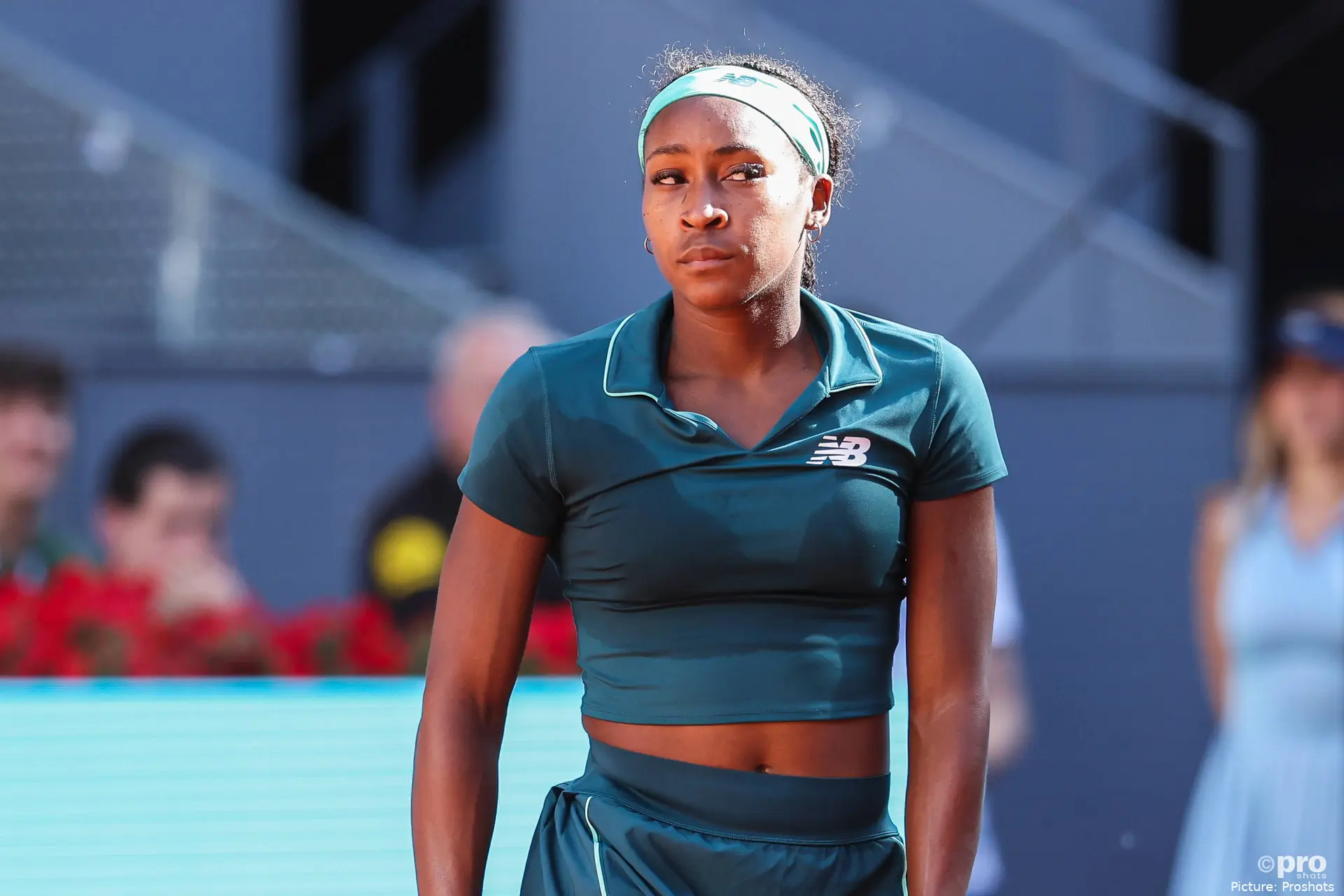
The Roland Garros third round featured a mix of controlled wins and notable reversals, with Coco Gauff eliminated by Anastasia Potapova after losing command of a three-set contest that shifted decisively in the closing stages, while Aryna Sabalenka continued her steady progression through the French Open draw in Paris.
The wider Roland Garros Round of 16 picture was also shaped by a significant upset from Diane Parry, who outlasted Amanda Anisimova in a deciding super tie-break. Several seeded players have now exited the French Open, opening sections of the draw ahead of the quarter-finals.
Potapova overturns Gauff after mid-match reversal
Anastasia Potapova def. Coco Gauff 4-6, 7-6, 6-4
Coco Gauff started with greater structural control from the baseline, using early depth on return to disrupt Potapova’s service rhythm and taking the opening set 6-4. The American built her advantage by absorbing pace effectively and extending rallies, forcing Potapova into higher-risk patterns on second serve.

The match began to shift as Potapova increased first-strike aggression on return games, particularly targeting Gauff’s second serve to shorten neutral exchanges. Even after Gauff established a 3-1 lead in the decider, her serve efficiency dropped in extended games, allowing Potapova to re-enter the set through more direct baseline patterns and improved point construction under pressure.
Gauff’s first-serve performance declined across the final two sets, while Potapova improved her return conversion rate and began consistently neutralising Gauff’s forehand patterns in crosscourt exchanges. That sustained pressure ultimately tilted the match in Potapova’s favour, sending her into the Roland Garros Round of 16 quarter-final stage and eliminating one of the seeded contenders from the French Open draw.

Sabalenka closes Kasatkina match after second-set resistance
Aryna Sabalenka def. Daria Kasatkina 6-0, 7-5
Aryna Sabalenka produced a dominant opening set, breaking serve repeatedly and controlling baseline exchanges to take it 6-0 in a short first-set phase where Kasatkina struggled to establish rhythm. The level gap was most visible in first-strike exchanges, where Sabalenka consistently finished points early.
Kasatkina responded in the second set by improving depth and extending rallies, which forced Sabalenka into more structured point construction. This adjustment allowed Kasatkina to stay competitive and reach 5-5 after narrowing the first-serve gap and improving return consistency.
However, Sabalenka’s ability to raise her first-serve percentage in the closing games prevented a full momentum shift. She closed the match in straight sets and progresses into the Roland Garros Round of 16 quarter-final stage, maintaining her trajectory toward another deep run in Paris.

Parry edges Anisimova in decisive super tie-break
Diane Parry def. Amanda Anisimova 6-3, 4-6, 7-6(10-3)
Diane Parry established early control by applying consistent pressure in return games and exploiting intermittent lapses in Amanda Anisimova’s service rhythm to take the opening set 6-3. The French player benefited from longer baseline exchanges, where her ability to reset points and vary height and spin disrupted Anisimova’s timing.
Anisimova responded in the second set by improving first-serve reliability and flattening groundstrokes to take more direct control of baseline patterns. That adjustment reduced Parry’s effectiveness in return games and allowed the American to level the match, although she was increasingly forced into extended exchanges against Parry’s defensive structure and variation.

The deciding set remained finely balanced through service holds, but Parry gained a clearer edge in the super tie-break through superior error control and higher first-serve efficiency under pressure. Her one-handed backhand and frequent use of slices repeatedly disrupted Anisimova’s rhythm, contributing to an above-average unforced error count as she struggled to impose sustained aggression.
Parry closes the match 10-3 in the breaker and reaches the fourth round of a Grand Slam for the first time in her career, advancing into the Roland Garros Round of 16 quarter-final stage where she will face qualifier Maja Chwalińska.
Read also
Osaka survives tight three-set battle against Jovic
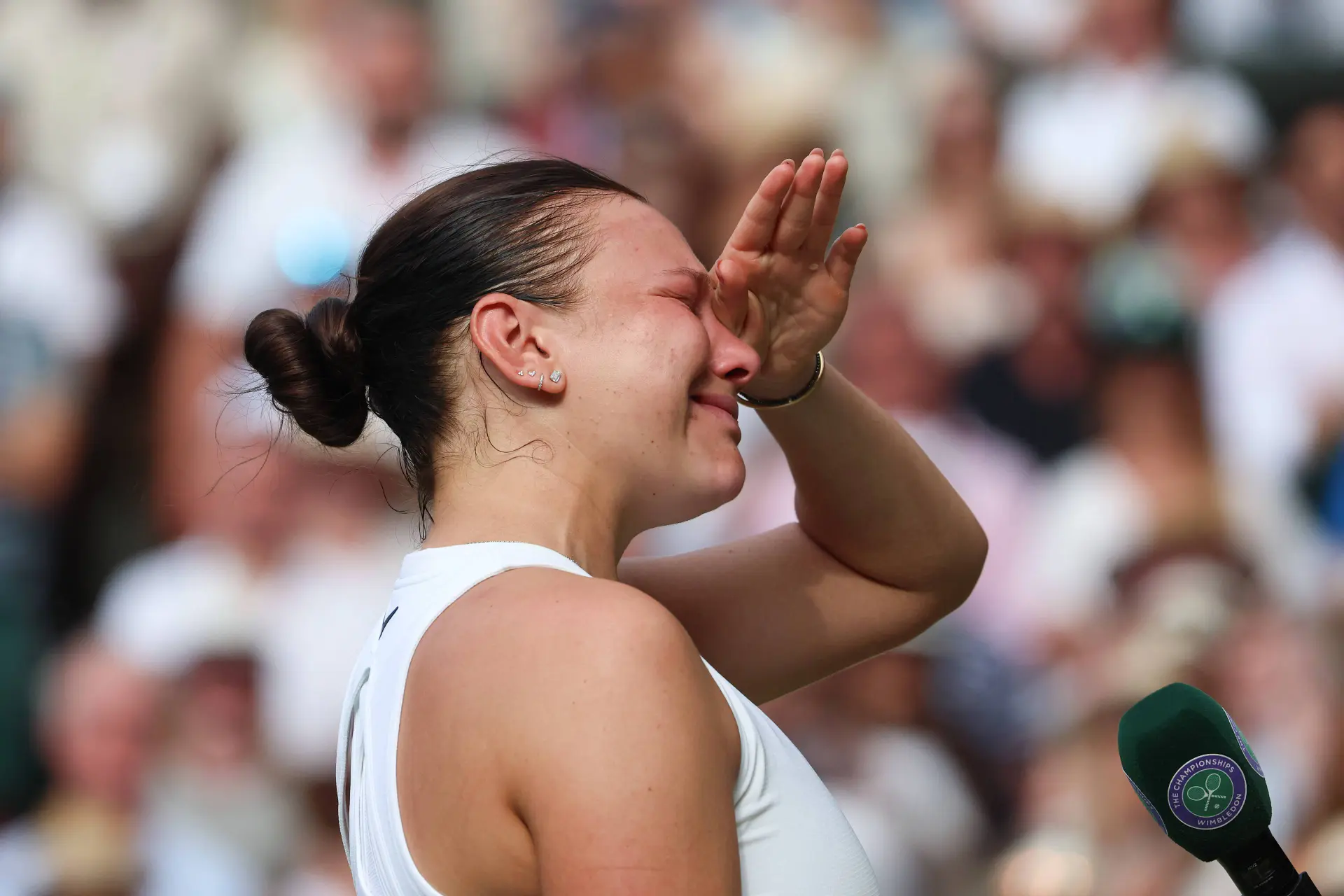
Naomi Osaka def. Iva Jovic 6-7, 7-6, 6-4
Iva Jovic started the match with clear defensive structure, extending rallies and forcing Naomi Osaka into repeated service holds under pressure. The opening set developed into a tie-break, where Jovic’s consistency from the back of the court allowed her to edge ahead after absorbing sustained pace and redirecting depth effectively.
Osaka adjusted in the second set by increasing first-serve reliability and accelerating point construction, but Jovic maintained her defensive resistance, again pushing the set into a tie-break. The match remained finely balanced through two sets, with Osaka’s shot selection becoming increasingly aggressive in an attempt to shorten exchanges against one of the tour’s more solid counterpunchers.
The deciding set turned on Osaka’s ability to sustain first-strike aggression while maintaining service dominance, producing 12 aces and finishing with 46 winners against 47 unforced errors, reflecting a high-risk tactical approach designed to prevent Jovic from settling into extended defensive patterns. The 18-year-old, known for her strong defensive coverage, was increasingly overwhelmed as Osaka controlled more first-ball situations and generated a late break through heavier return depth. The result sends Osaka into the Roland Garros Round of 16 quarter-final stage, marking her first-ever progression to the second week in Paris.
Read also
Shnaider overcomes early deficit to beat Oliynykova
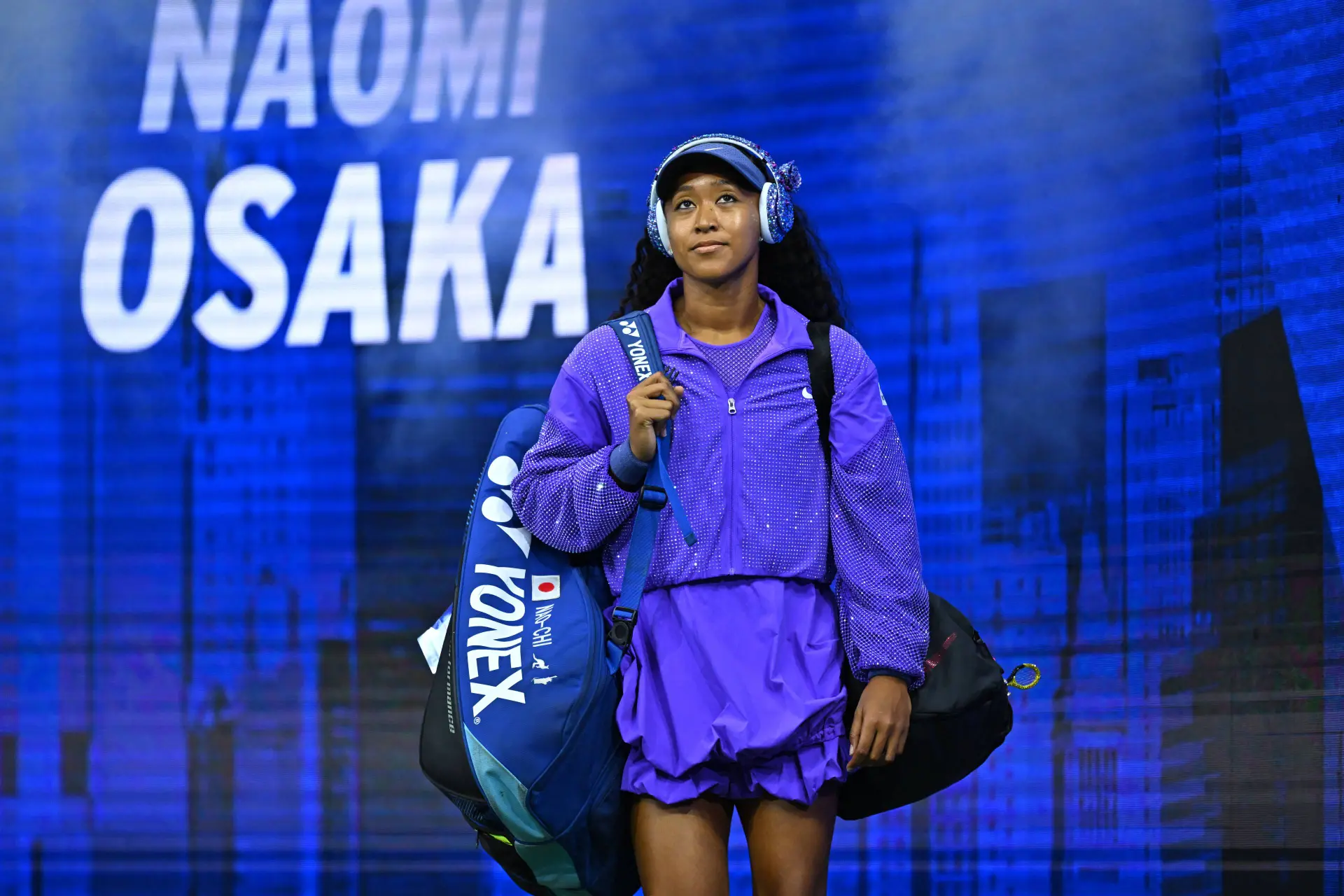
Diana Shnaider def. Oleksandra Oliynykova 7-5, 6-1
Oleksandra Oliynykova started the match with strong aggression, building an early 3-0 lead by breaking twice and applying pressure on Shnaider’s service rhythm. Shnaider initially struggled to stabilise her baseline positioning during the opening games.
The match turned sharply once Shnaider improved her first-serve percentage and began taking control of shorter return exchanges. From 4-1 down in the first set, she won six of the next seven games to recover and take the set 7-5.
In the second set, Shnaider’s increased consistency on serve and return neutralised Oliynykova’s early aggression completely, limiting her to just one game. What had begun as a balanced contest quickly tilted in favour of the lefthanded Russian, who closed out the match by winning the final five games in a row. Shnaider broke serve multiple times overall, while Oliynykova, debuting in the main draw at Roland Garros, converted only 3 of her break opportunities.
Madison Keys survives Mboko fightback
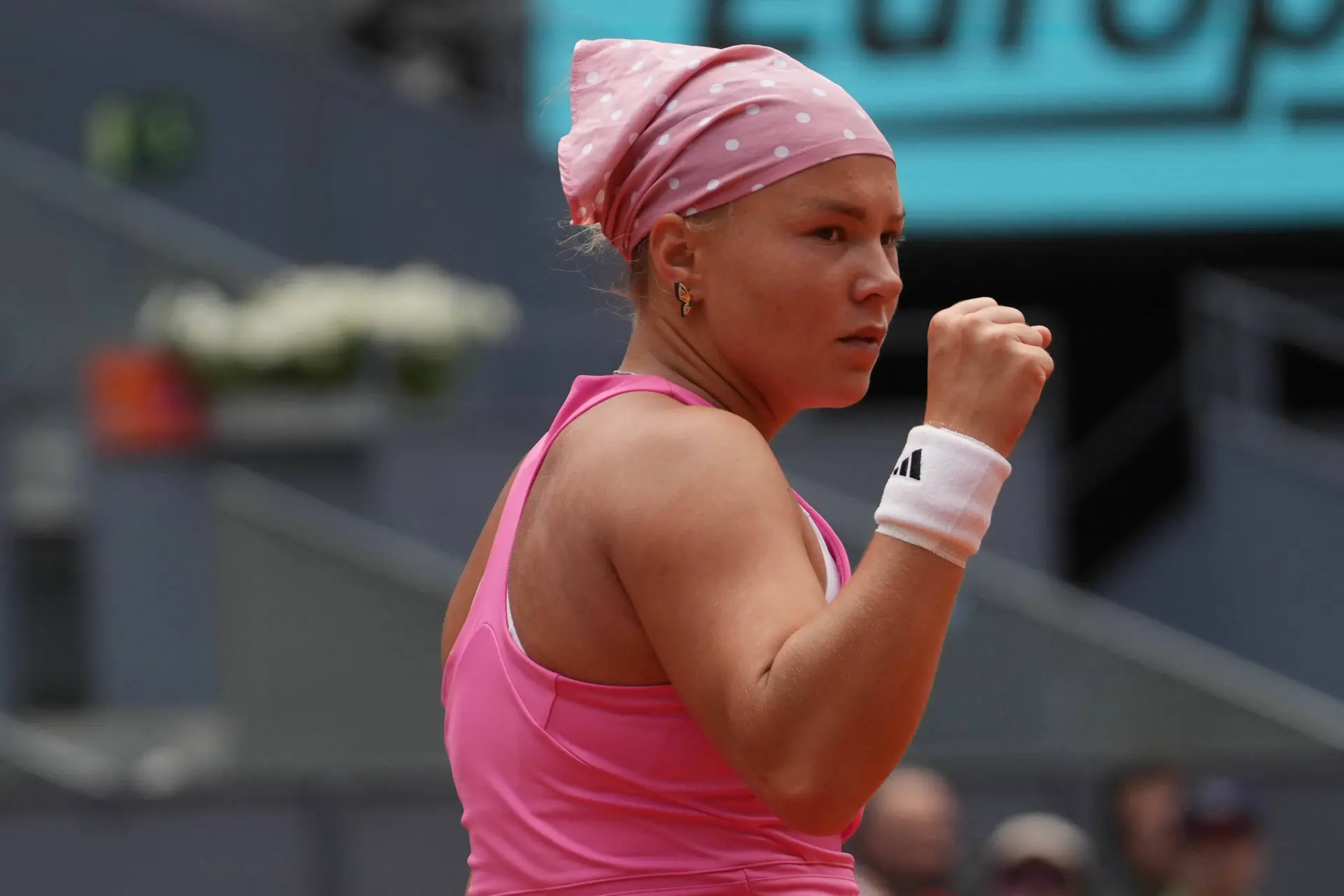
Madison Keys def. Victoria Mboko 3-6, 7-5, 7-5
Madison Keys overcame a major test from Victoria Mboko, closing out a 3-6, 7-5, 7-5 victory after 2 hours and 30 minutes of fluctuating momentum. The American started with authority, using first-strike aggression to take the opening set, but Mboko quickly adjusted her return positioning and began absorbing pressure more effectively to stay competitive from the baseline.
The second set became a turning point in multiple phases, with Keys establishing early control at 3-0, only for Mboko to recover through improved return depth and resilience in extended rallies. The Canadian saved two match points at 5-4 and again at 5-5, before breaking back and ultimately taking the set 7-5, punishing a slight drop in Keys’ first-serve consistency under pressure.
In the decider, Keys re-established control by stabilising her service games and preventing Mboko from dictating from neutral positions, moving ahead 5-2 before briefly being pegged back as the Canadian broke to level the scoreline again. However, Keys responded with a decisive late surge, holding under pressure and converting her first match point to seal the win, confirming her progression to the next round after a physically and mentally demanding battle.


Lucas MichaelTennis Journalist
Lucas Michael is a tennis journalist based in Cambridge, UK, specializing in comprehensive coverage of the ATP and WTA tours. For the past 1.5 years, he has been a core contributor to TennisUpToDate, where he has authored more than 3,000 data-driven match reports, deep-dive analysis pieces, and engaging liveblogs.
Lucas pairs real-time statistical analysis with on-the-ground reporting, frequently traveling to tournaments to cover the action firsthand from the press box and player press conferences. This blend of advanced metrics and direct access allows him to provide sharp context regarding player form, tactical trends, and breaking tour developments.
He holds a BA (Hons) in Sports Journalism. Grounded in core journalistic ethics, Lucas places a strict emphasis on meticulous sourcing, editorial accuracy, and a commitment to updating live content swiftly as verified information emerges.
claps 0visitors 0
Just In

Popular News
Latest Comments
- Does Sinner need that 4.5 mil? I doubt it. He can make that with three modelling gigs!😅🤣Rapunzel21-10-2026
- Did "People Magazine" purchase this website? This nonstop storyline is bullshit.
 mandoist21-10-2026
 - Listen... this is of no concern to anyone but these two. Deal with your own issues -- most of us have our own. Thanks, media, for these insignificant follow-ups which are meaningless.mandoist21-10-2026
- This is so very very sad, for all three of them. I truly thought they had an unbreakable bond, but life throws up so many differing challenges. Having your homeland suffering in such a terrible way, makes happiness lose out to guilt as well. Our thoughts are with them. X💔bjsexton20-10-2026
- I have lost all respect for Svitolina! Could she not have waited until he had played at the Paris Masters!!! She is selfish and don't give a damn about Gael. That is NOT how love is demonstrated Elina!!Rapunzel19-10-2026
- Perhaps convenient tennis tour sex is not a strong enough experience in which to base a marriage?mandoist19-10-2026
- Fight the Good Fight... Tennis (sports in general) need more Humans such as yourself.mandoist18-10-2026
- When is WTA going to mandate Genetic Testing (DNA) ???mandoist18-10-2026
- Hey, Dan... you just wake up from a coma? Regardless -- Thanks for the comedy this morning!mandoist18-10-2026
- Two Things: 1. Stop allowing these Spoiled Trust-Fund Elitists to behave badly. Your little hand-slaps do not deter them. 2. STOP the incessantly annoying "towel wiping" nonsense!!!!mandoist15-10-2026

Loading