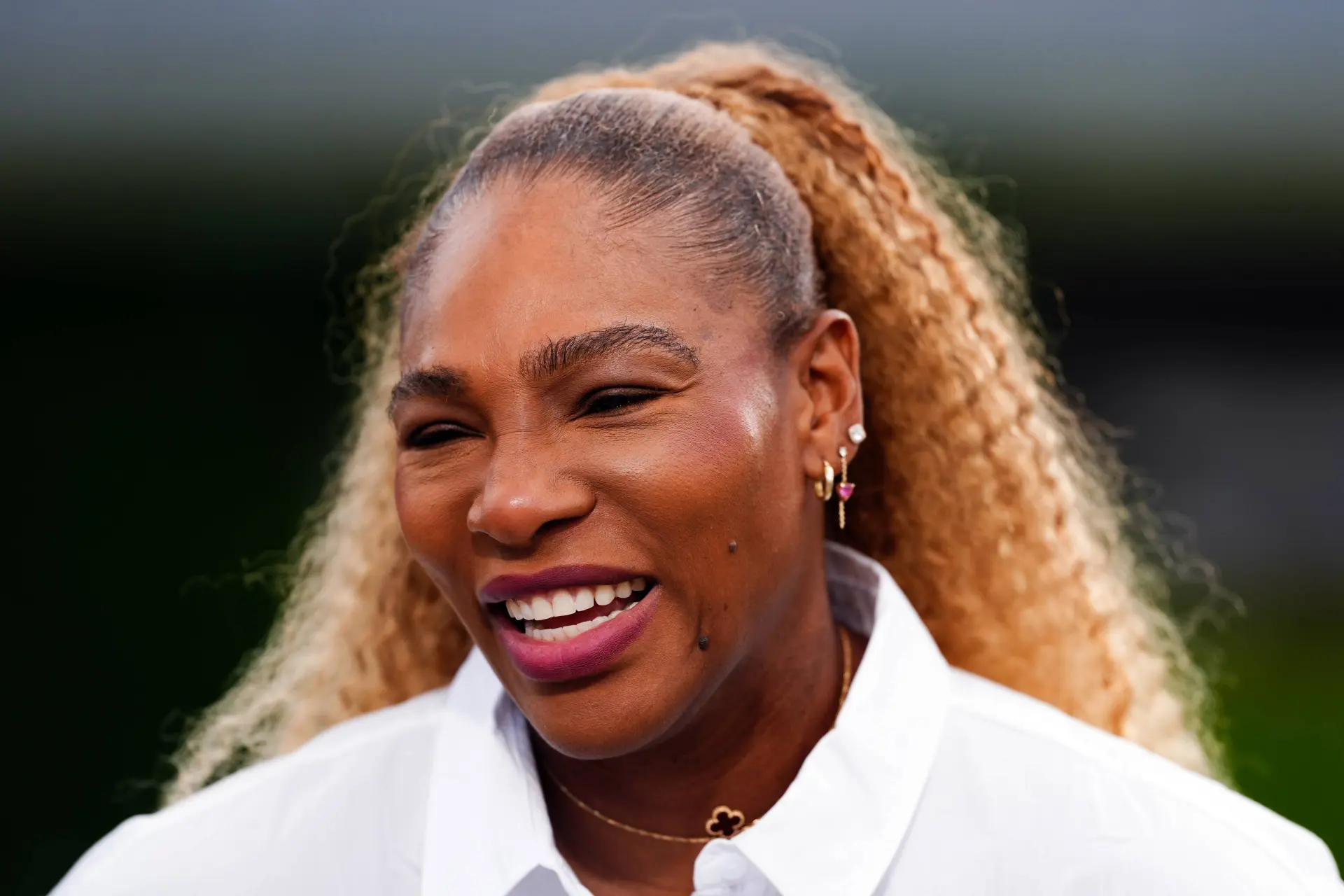
Serena Williams’ return to professional tennis has reignited a wider discussion about the role of medication in elite sport. After the 23-time Grand Slam champion revealed that she had used weight-loss medication following the birth of her second child, renewed questions emerged around the rules governing therapeutic treatments and what substances players are allowed to use while competing.
The debate intensified because Williams’ decision was not questioned while she was away from the tour, but became a topic of conversation once she announced her comeback during the grass-court season. The situation prompted fresh attention toward the balance between protecting athletes’ health and ensuring that approved treatments cannot provide an unfair competitive advantage.
In that context, the International Tennis Integrity Agency (ITIA) has moved to clarify its position on medication use in professional tennis, including the controversial topic of ADHD treatments.
ITIA CEO Karren Moorhouse addressed the issue on the Off Court with Greg Rusedski podcast, insisting that the organization’s Therapeutic Use Exemption (TUE) system is designed to be strict, transparent and focused on athlete welfare.
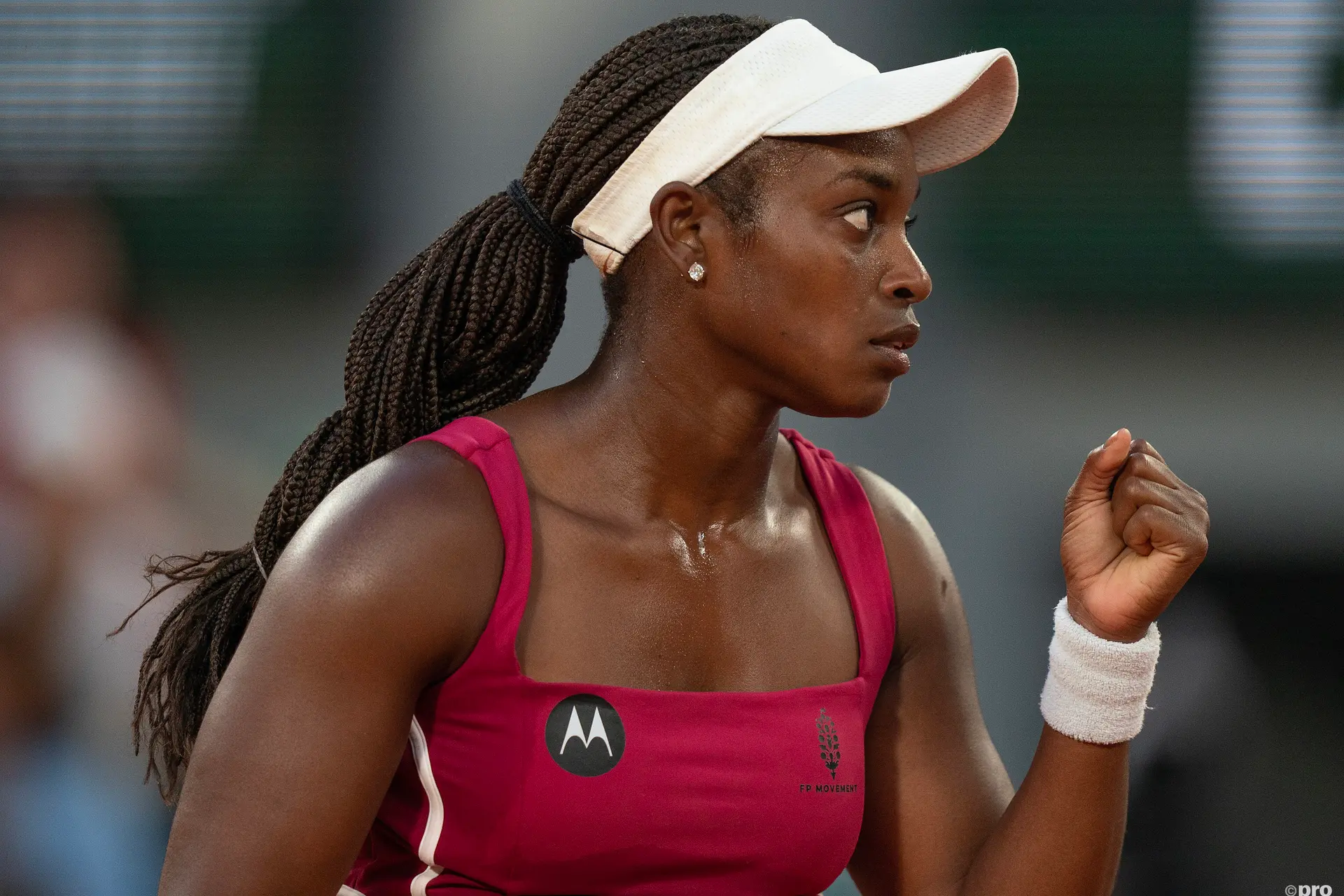
ITIA insists ADHD medication approvals are 'rigorous'
Moorhouse pushed back against the perception that ADHD medication is widely used across the sport, explaining that approvals require detailed medical confirmation and review by independent experts. The ITIA chief stressed that the goal is to allow players to receive necessary treatments while maintaining a fair competitive environment — a debate that has returned to the spotlight following Serena Williams’ comeback.
The topic has made headlines before. Former world No. 7 Fernando Verdasco was provisionally suspended in 2022 after testing positive for methylphenidate, later explaining that he had simply forgotten to renew his Therapeutic Use Exemption before obtaining a new one.
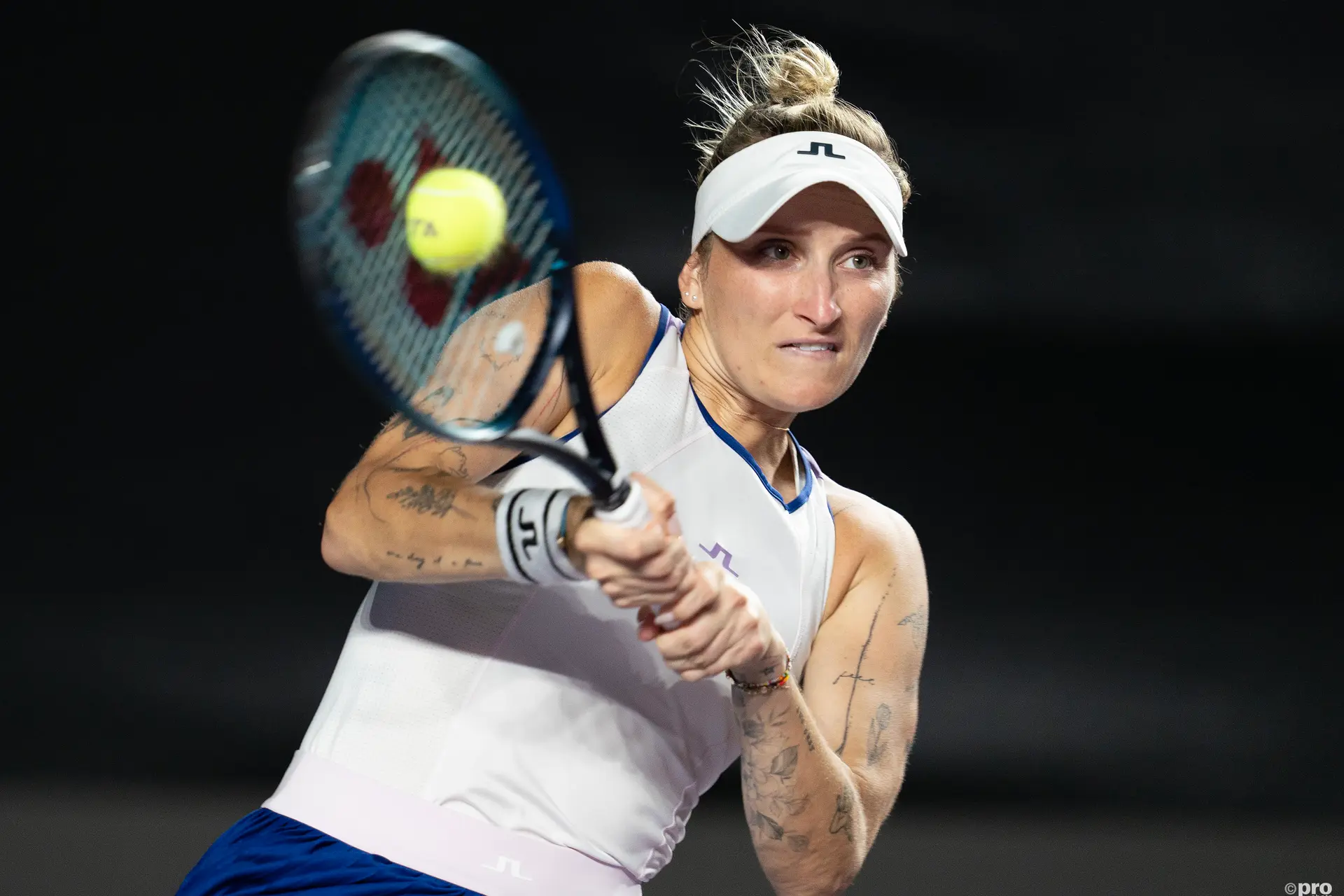
His case became one of the highest-profile examples of how even administrative errors involving approved medication can lead to anti-doping sanctions.
Speaking on the Off Court with Greg Rusedski podcast, ITIA chief executive Karen Moorhouse pushed back against the perception that ADHD medication is widely used across professional tennis, describing that belief as inaccurate.
"I think there is a perception in the tennis world that a huge number of players are taking ADHD medications. That is absolutely not the case," Moorhouse said. "And actually, particularly with ADHD, the process for getting a TUE involves getting, I think it’s two experts to confirm that diagnosis. So again, making sure that that is really carefully managed."

Serena Williams played doubles at the Berlin Ladies Open, alongside Karolina Muchova, but they were defeated in the first round.
According to the ITIA chief, players seeking approval to use ADHD medication must first have their diagnosis independently confirmed by two medical experts before their application is reviewed by a specialist committee. Only after that process is completed can an exemption be granted, allowing an athlete to legally use medication that would otherwise appear on the prohibited list.
Moorhouse stressed that the objective is not only to maintain a level playing field, but also to protect athletes who genuinely require treatment for medical reasons. "The primary objective is to protect athlete health," she explained. "There needs to be a system that allows players to take treatments necessary for their health, while ensuring there is no abuse or use of substances intended to enhance performance."
She added that the combination of independent medical evaluations and committee oversight is designed to prevent misuse while ensuring players with legitimate diagnoses are not prevented from receiving the treatment they need.

Cristhián AvilaTennis Journalist
Cristhián Ávila is a tennis journalist based in Santiago, Chile, and has been part of the TennisUpToDate team since early 2023. He covers the ATP and WTA Tours as well as all four Grand Slams, producing breaking news, match reports, analysis, and regular liveblogs from major tournaments.
His reporting combines statistical analysis with clear explanation, helping readers understand tactical developments, player form, and broader storylines across the tour. Working fluently in both Spanish and English, Cristhián collaborates with an international editorial team and contributes to comprehensive global coverage. As part of his work, he has conducted interviews and media interactions with leading figures in the sport, including Caroline Wozniacki and John McEnroe.
In his journalism, Cristhián places strong emphasis on careful sourcing, editorial accuracy, and updating articles promptly when new, verified information becomes available. His coverage is grounded in research, context, and direct engagement with professional tennis.
claps 0visitors 0
Just In


Popular News
Latest Comments
- Two Things: 1. Stop allowing these Spoiled Trust-Fund Elitists to behave badly. Your little hand-slaps do not deter them. 2. STOP the incessantly annoying "towel wiping" nonsense!!!!
 mandoist15-10-2026
 - A healthy Qinwen may be hard to stop next season. She was already scaring her opponents before her medical leave(s). Unfortunately, Zheng insisted on singing again. On the positive side -- Mirra did not sing!! ;~}mandoist11-10-2026
- Where is it written that athletes, entertainers... People in general... are mandated to keep looking at -- or even using [anti]Social Media? Public & private figures consistently complain and reveal their concerns about negativity and violence thrown at them -- yet they insist on participating. Avoid it, don't use it, don't read it. It's okay to occasionally look up at the World instead beating your eyes & thumbs to death on The Inventions out there.mandoist11-10-2026
- great articlestennisseserver07-10-2026
- Medvedev was leading Djokovic 7-5, 3-5 when an attempted return..' NO you ignorants, Djokovic was leading .weiss05-10-2026
- No more bullshit "Wildcards" to these two. Qualify like everyone else -- there will be cameras there, too. Time to scream... WTF ????!!!!mandoist29-09-2026
- Let's not BS the general public -- Sabalenka started showing cracks in her game last season. Her losses and near-losses started at about the same time she began being distracted by Fame (constant Selfies, making TV commercials, magazine shoots, endless Social Media nonsense, etc., etc.) One would think even Saba could recognize the parallels with others who failed before her -- Raducanu, Giorgi, Bouchard to name a few.mandoist25-09-2026
- Gross!! Hey Raducanu, Giorgi, and Bouchard -- reserve a seat at your Social Media Selfie table for Saba + Naomi. They're heading in your direction soon enough.mandoist24-09-2026
- And then these same players will complain about how lengthy their season’s were and need more time-off. I’m all for more tennis but the amount of tennis we get now is actually kind of crazy! We all need a break, especially the players.DaveyWavey23-09-2026
- You should do a comparison article for "different kinds of justice" the courts decide for tennis players. I can think of at least three players who received very small bans of a few months, however Tara Moore has been fighting for her literal survival the past few years. It seems odd considering she is not a "name" player, unlike the other cases.DaveyWavey22-09-2026

Loading