"That wall was broken by Fabio, not Sinner": Flavia Pennetta on why Fognini is the true Italian pioneer
WTA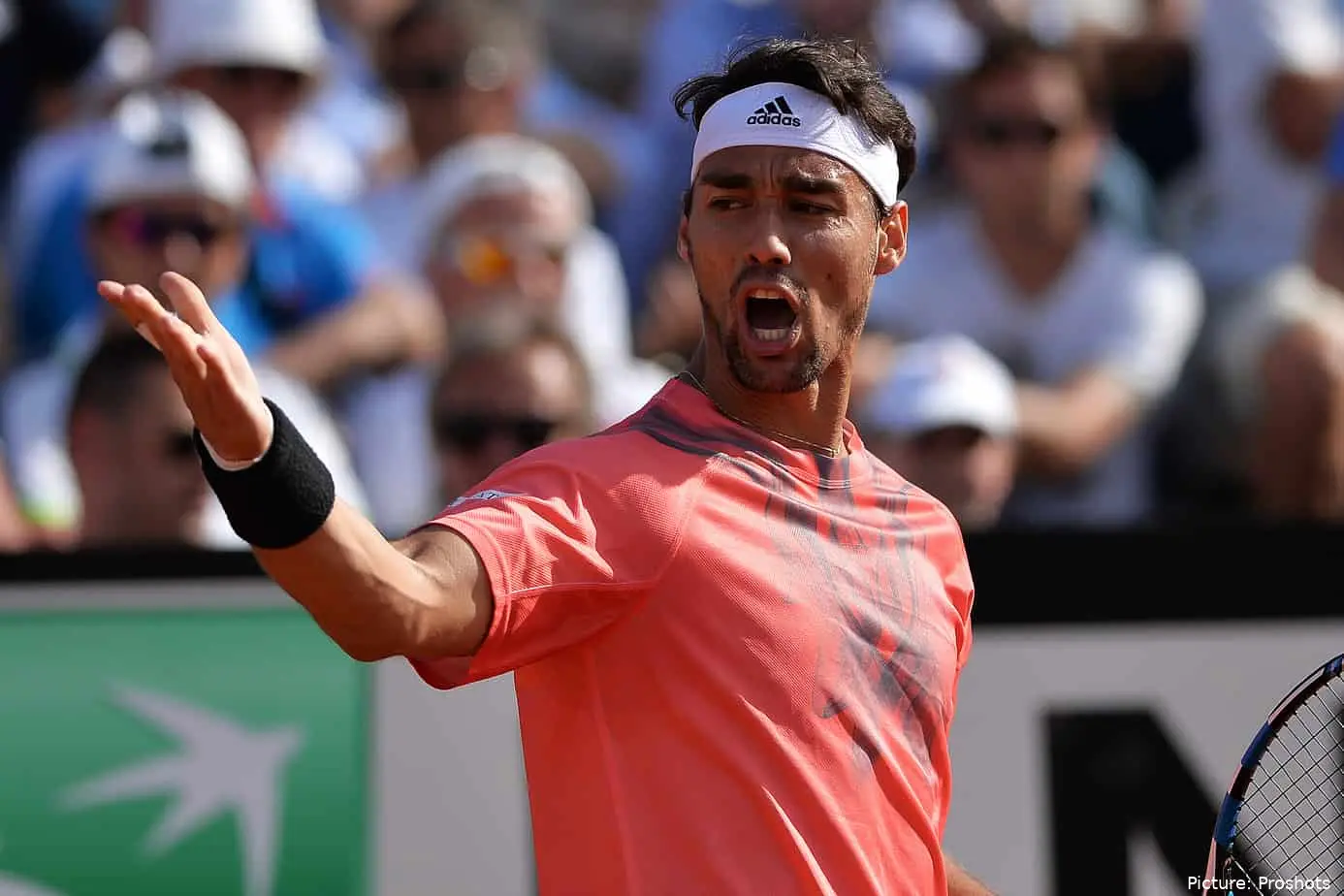
Long before the current renaissance of Italian tennis dominated global headlines, Flavia Pennetta was navigating uncharted territory, serving as the solitary figurehead for a nation that had yet to realize its potential on the hard courts of the professional tour. Born in Brindisi, the 2015 US Open champion carved a path that no Italian woman had walked since the inception of the WTA rankings, redefining what was possible for a country that now sits comfortably atop the tennis world.
On August 17, 2009, Pennetta became the first Italian woman to crack the Top 10, a milestone she views as a psychological breakthrough rather than just a statistical anomaly, as she declared to Corriere Della Sera. She reflects that “I broke a wall, for all Italian women: it is no coincidence that, from then on, us girls started a cycle,” creating a belief system where her peers—including Francesca Schiavone and Roberta Vinci—realized that elite success was attainable rather than impossible.
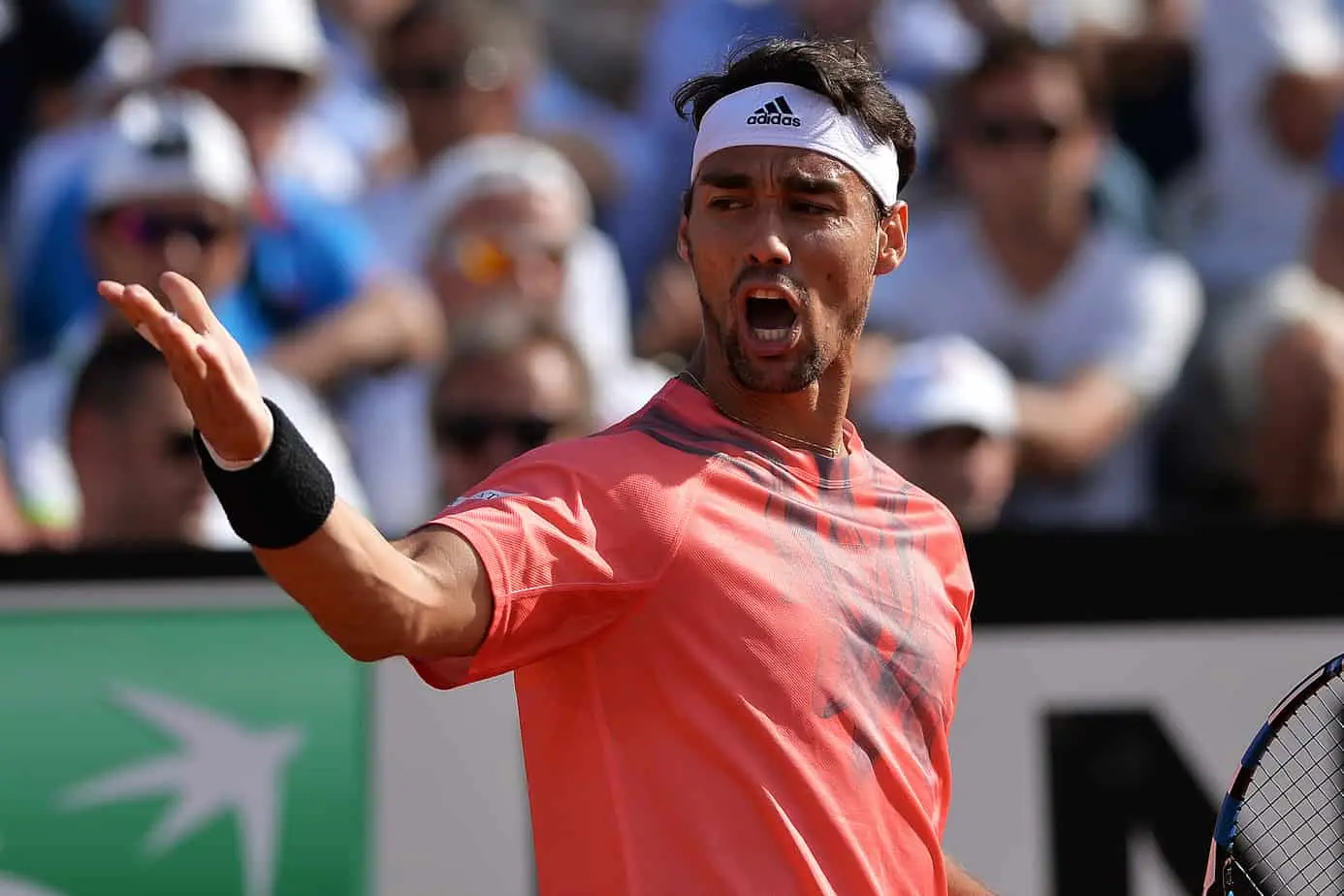
While Jannik Sinner is currently the undisputed face of the sport, Pennetta draws a fascinating parallel between her legacy and the men’s game, offering a staunch defense of her husband’s often-overlooked role in history. She argues that her impact “is a bit like the effect that Sinner is having on men today,” but clarifies with conviction that “that wall, for the men, was broken by Fabio [Fognini], my husband, not Jannik,” insisting that Fognini was the true pioneer who first breached the elite barrier for the modern generation.
This perspective frames Pennetta not just as a Grand Slam winner, but as a catalyst who unlocked the potential of a golden generation through sheer force of will. The message she sent to the locker room was simple yet profound: “If Flavia could, we can too,” a sentiment that fueled a decade of success where Italian women became fixtures in Grand Slam finals, proving to the world that the barrier was mental as much as it was physical.
Battling the giants: Serena, Ivanovic, and the 'impostor'myth
Pennetta’s career coincided with the dominance of Serena Williams, a challenge she accepts without regret regarding her title count, comparing it to her husband competing against the 'Big Three.' She admits it “took me a while to realize that I could match the generation of Serena Williams,” noting that facing such titans meant she eventually “reached my maximum potential” by being forced to constantly elevate her level just to survive on the court.
When asked about the concept of impostor syndrome, Pennetta rejects the notion entirely, attributing the gap between her and the stars to objective reality rather than self-doubt. She explains that she “never lied to myself: the others were superior,” which forced her to obsessively ask, “How can I improve? How can I beat them?” instead of hoping for luck or questioning her right to be on the biggest stages.
While Williams was the ultimate physical test with what Pennetta describes as a “disarming serve” and a “devastating physique” that could penetrate any defense, she reveals that another player actually caused her more tactical nightmares. She confesses that “the one who drove me crazy was Ana Ivanovic,” explaining that she “didn't understand where the hell she was hitting,” a tactical frustration that she jokingly admits “still bothers me today.”
A cinematic ending: The coffee before the storm
The climax of her career remains the cinematic 2015 US Open, where her childhood friend Roberta Vinci shocked the world by knocking out Serena Williams in the semifinals. Pennetta sees fate in that moment, noting that “Williams was trembling at the prospect of the Grand Slam [Calendar Slam], and Roberta knew how to exploit it cunningly,” setting the stage for an unlikely all-Italian final in New York.
The subsequent final between the two friends feels like fiction to Pennetta, who recalls the surreal normalcy of having “a coffee together before the final” followed by the emotional embrace at the net. It was a perfect ending she says she “couldn't even write,” describing the experience of beating her friend to lift the trophy as looking like “such a beautiful movie” that capped off her career.
Years later, the bond remains unbreakable, with the two often speaking on the anniversary of that historic match to celebrate their shared history. Pennetta shares that Vinci often jokes, “You won thanks to me!” highlighting a “spiritual connection that will bind us forever” because they shared a moment that transcended sport and became a pivotal piece of Italian history.

Cristhián AvilaTennis Journalist
Cristhián Ávila is a tennis journalist based in Santiago, Chile, and has been part of the TennisUpToDate team since early 2023. He covers the ATP and WTA Tours as well as all four Grand Slams, producing breaking news, match reports, analysis, and regular liveblogs from major tournaments.
His reporting combines statistical analysis with clear explanation, helping readers understand tactical developments, player form, and broader storylines across the tour. Working fluently in both Spanish and English, Cristhián collaborates with an international editorial team and contributes to comprehensive global coverage. As part of his work, he has conducted interviews and media interactions with leading figures in the sport, including Caroline Wozniacki and John McEnroe.
In his journalism, Cristhián places strong emphasis on careful sourcing, editorial accuracy, and updating articles promptly when new, verified information becomes available. His coverage is grounded in research, context, and direct engagement with professional tennis.
claps 0visitors 0
Just In


Popular News
Latest Comments
- Does Sinner need that 4.5 mil? I doubt it. He can make that with three modelling gigs!😅🤣Rapunzel21-10-2026
- Did "People Magazine" purchase this website? This nonstop storyline is bullshit.
 mandoist21-10-2026
 - Listen... this is of no concern to anyone but these two. Deal with your own issues -- most of us have our own. Thanks, media, for these insignificant follow-ups which are meaningless.mandoist21-10-2026
- This is so very very sad, for all three of them. I truly thought they had an unbreakable bond, but life throws up so many differing challenges. Having your homeland suffering in such a terrible way, makes happiness lose out to guilt as well. Our thoughts are with them. X💔bjsexton20-10-2026
- I have lost all respect for Svitolina! Could she not have waited until he had played at the Paris Masters!!! She is selfish and don't give a damn about Gael. That is NOT how love is demonstrated Elina!!Rapunzel19-10-2026
- Perhaps convenient tennis tour sex is not a strong enough experience in which to base a marriage?mandoist19-10-2026
- Fight the Good Fight... Tennis (sports in general) need more Humans such as yourself.mandoist18-10-2026
- When is WTA going to mandate Genetic Testing (DNA) ???mandoist18-10-2026
- Hey, Dan... you just wake up from a coma? Regardless -- Thanks for the comedy this morning!mandoist18-10-2026
- Two Things: 1. Stop allowing these Spoiled Trust-Fund Elitists to behave badly. Your little hand-slaps do not deter them. 2. STOP the incessantly annoying "towel wiping" nonsense!!!!mandoist15-10-2026

Loading