“We’ve gotten very close”: Maria Sharapova opens up on evolving relationship with Serena Williams
WTA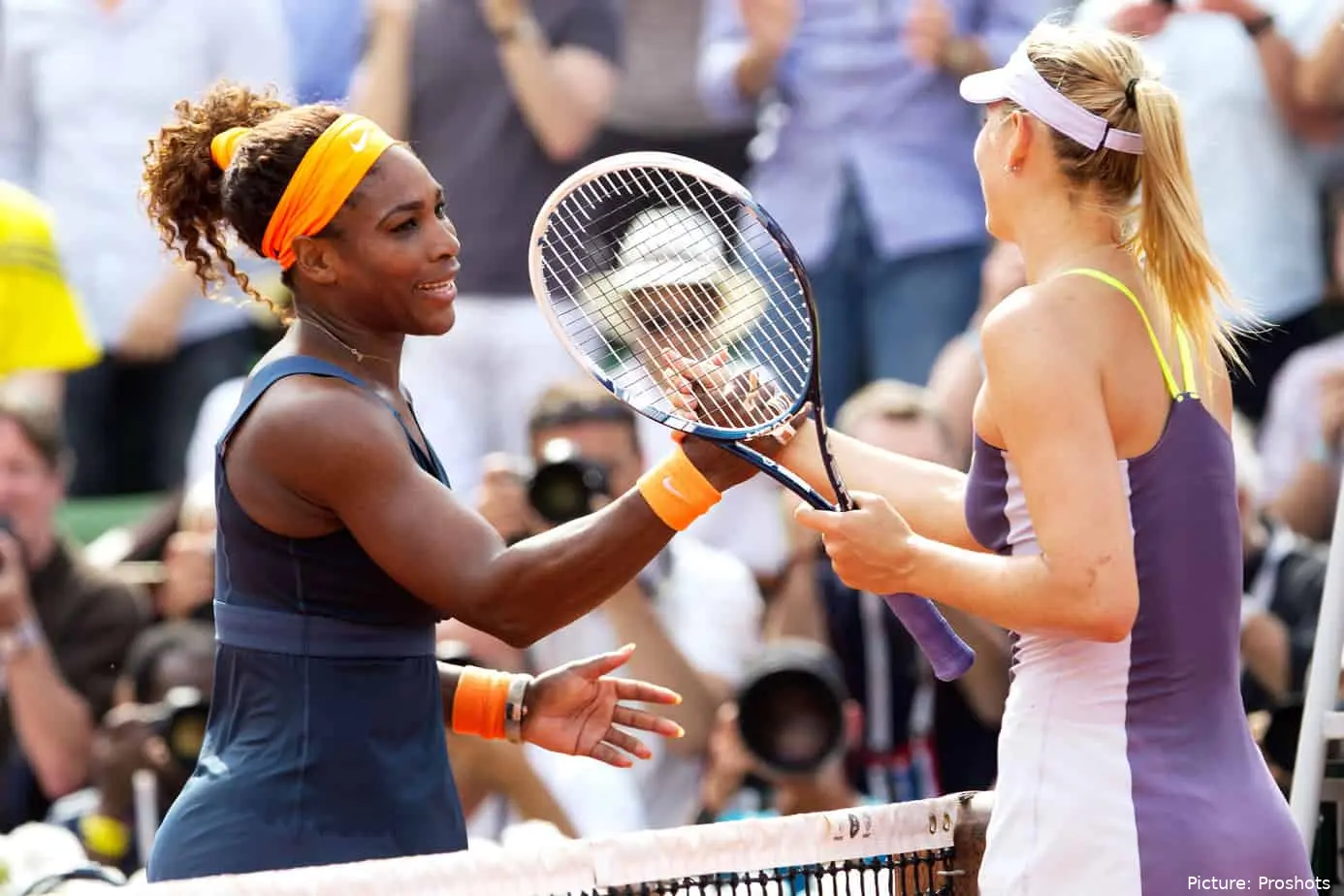
Maria Sharapova’s induction into the International Tennis Hall of Fame marked a defining moment in the career of the former world No. 1, whose legacy includes five Grand Slam titles and a career Grand Slam. Speaking at the Time100 Summit in New York on April 22, Sharapova offered fresh insight into the ceremony, focusing on the role played by Serena Williams and the significance behind her involvement.
Her breakthrough came on the sport’s biggest stage, defeating Serena Williams in the 2004 Wimbledon final as a teenager—an upset that immediately altered the trajectory of her career. Sharapova would go on to secure major titles at the US Open, Australian Open and twice at Roland Garros, completing the career Grand Slam and spending 21 weeks as world No. 1 while maintaining a consistent presence among the elite across different phases of the tour.
That early Wimbledon final remained the defining entry point into a rivalry that would extend over more than a decade. Williams finished with a 20–2 head-to-head advantage, but many of their meetings came in the latter stages of Grand Slam and WTA 1000 events, reinforcing their status as central figures of the same competitive era.
Williams’ presence at the Hall of Fame ceremony added context beyond symbolism. She was selected to introduce Sharapova and prepared for the role in detail, conducting interviews and compiling notes in advance. The decision to keep her involvement undisclosed—even from Sharapova’s inner circle—was part of the staging, amplifying the impact of the moment when she appeared on stage.
From rivalry to respect: a relationship redefined
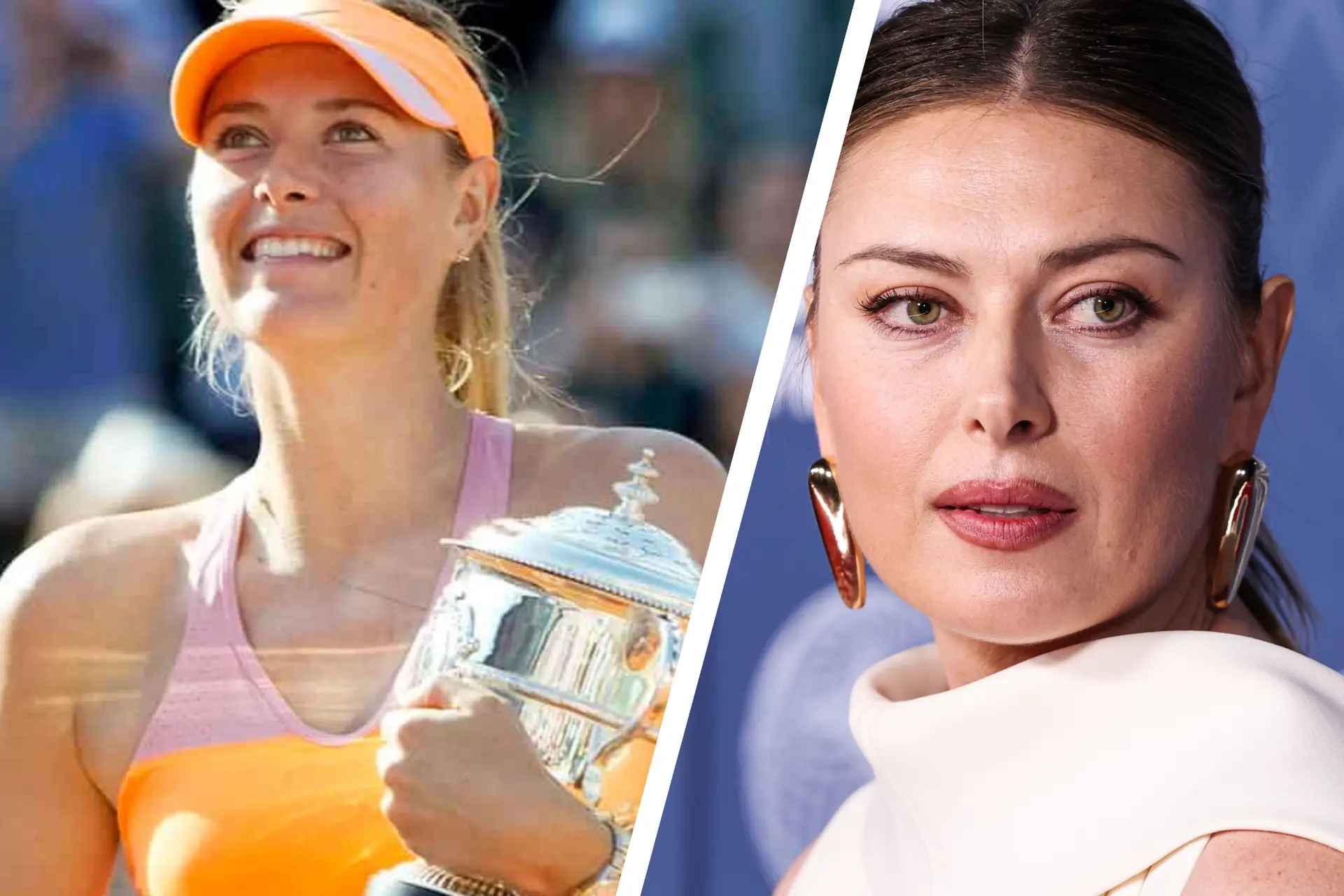
Sharapova framed her relationship with Williams as one that evolved significantly over time, moving from competitive tension to what she described as “deep respect.” She pointed to the contrast between their on-court battles and their current dynamic, where distance from competition has allowed a different form of interaction.
“I had some of the toughest moments and some of the biggest victories on the court with Serena,” Sharapova said according to People. “At the end of the day, we have so much deep respect for each other, and there was no one that I wanted to see other than her up on stage.”

The shift, according to Sharapova, became evident when she reached out to Williams ahead of the ceremony. Rather than a formal request, the conversation extended well beyond tennis, reflecting how their relationship now operates outside the structure of the tour.
“So I texted her. She calls me right away. We spoke for over an hour. We didn’t even touch upon the Hall of Fame until the last 5 minutes. We talked about our careers, our lives, our children, our businesses.”
Sharapova also acknowledged the symbolic dimension of that exchange, describing Williams’ acceptance as meaningful given their history. For a rivalry that once defined WTA narratives, the Hall of Fame moment represented a closing of that competitive chapter under different terms.

Serena Williams’ preparation and the impact of the ceremony
Sharapova emphasised that Williams approached the role with the same level of preparation that characterised her playing career. According to Sharapova, Williams conducted interviews and prepared notes in advance, treating the speech as a performance requiring precision.
As she explained, the decision to involve Williams was kept confidential, even from close family members, reinforcing the impact of the moment when it unfolded during the ceremony. “Nobody knew — not even my father who was sitting right next to me — before she came on stage,” Sharapova said. “I wanted to be a big surprise for everyone, and I felt it in the room.”
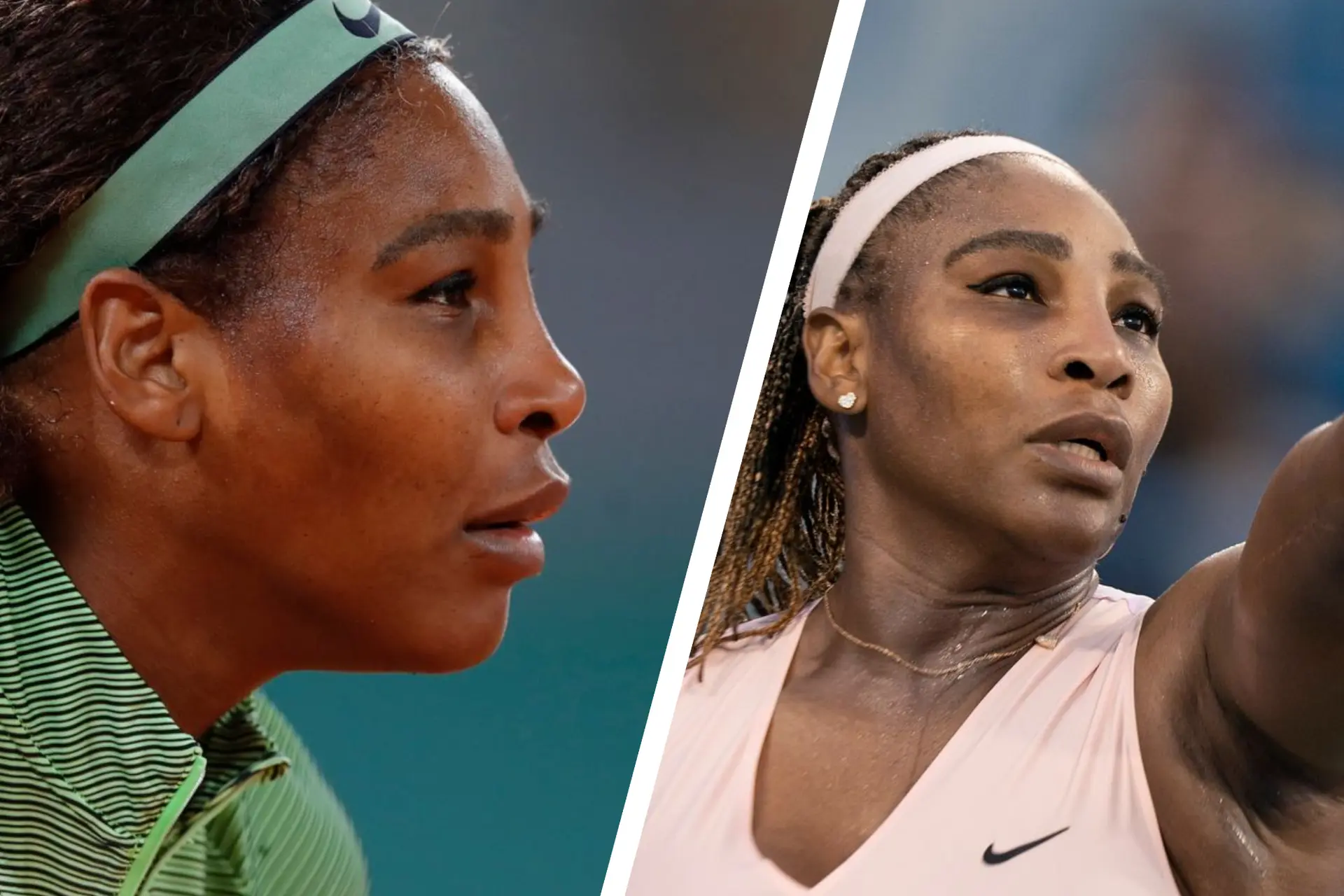
Following the induction, Sharapova described the speech itself as a defining element of the event, highlighting both its structure and emotional tone. She indicated that Williams understood the significance of the occasion, not only for her career but for the broader narrative of their shared era.
“She showed up big time and she delivered a phenomenal speech,” Sharapova said. “It was really thoughtful that she accepted being there. There’s no one else that I thought of for this occasion, and I think she also realized how impactful it would’ve been … So yeah, it was a really special moment.”

Cristhián AvilaTennis Journalist
Cristhián Ávila is a tennis journalist based in Santiago, Chile, and has been part of the TennisUpToDate team since early 2023. He covers the ATP and WTA Tours as well as all four Grand Slams, producing breaking news, match reports, analysis, and regular liveblogs from major tournaments.
His reporting combines statistical analysis with clear explanation, helping readers understand tactical developments, player form, and broader storylines across the tour. Working fluently in both Spanish and English, Cristhián collaborates with an international editorial team and contributes to comprehensive global coverage. As part of his work, he has conducted interviews and media interactions with leading figures in the sport, including Caroline Wozniacki and John McEnroe.
In his journalism, Cristhián places strong emphasis on careful sourcing, editorial accuracy, and updating articles promptly when new, verified information becomes available. His coverage is grounded in research, context, and direct engagement with professional tennis.
claps 0visitors 0
Just In


Popular News
Latest Comments
- Lena... Takin' care of business
 mandoist25-10-2026
 - Can you please stop publishing this nonsense? Stick to Tennis.mandoist25-10-2026
- Does Sinner need that 4.5 mil? I doubt it. He can make that with three modelling gigs!😅🤣Rapunzel21-10-2026
- Did "People Magazine" purchase this website? This nonstop storyline is bullshit.mandoist21-10-2026
- Listen... this is of no concern to anyone but these two. Deal with your own issues -- most of us have our own. Thanks, media, for these insignificant follow-ups which are meaningless.mandoist21-10-2026
- This is so very very sad, for all three of them. I truly thought they had an unbreakable bond, but life throws up so many differing challenges. Having your homeland suffering in such a terrible way, makes happiness lose out to guilt as well. Our thoughts are with them. X💔bjsexton20-10-2026
- I have lost all respect for Svitolina! Could she not have waited until he had played at the Paris Masters!!! She is selfish and don't give a damn about Gael. That is NOT how love is demonstrated Elina!!Rapunzel19-10-2026
- Perhaps convenient tennis tour sex is not a strong enough experience in which to base a marriage?mandoist19-10-2026
- Fight the Good Fight... Tennis (sports in general) need more Humans such as yourself.mandoist18-10-2026
- When is WTA going to mandate Genetic Testing (DNA) ???mandoist18-10-2026

Loading