"Seven to nine years later, they sold 75% of their company for $750 million" - Maria Sharapova explains how tennis shaped her business mindset
WTA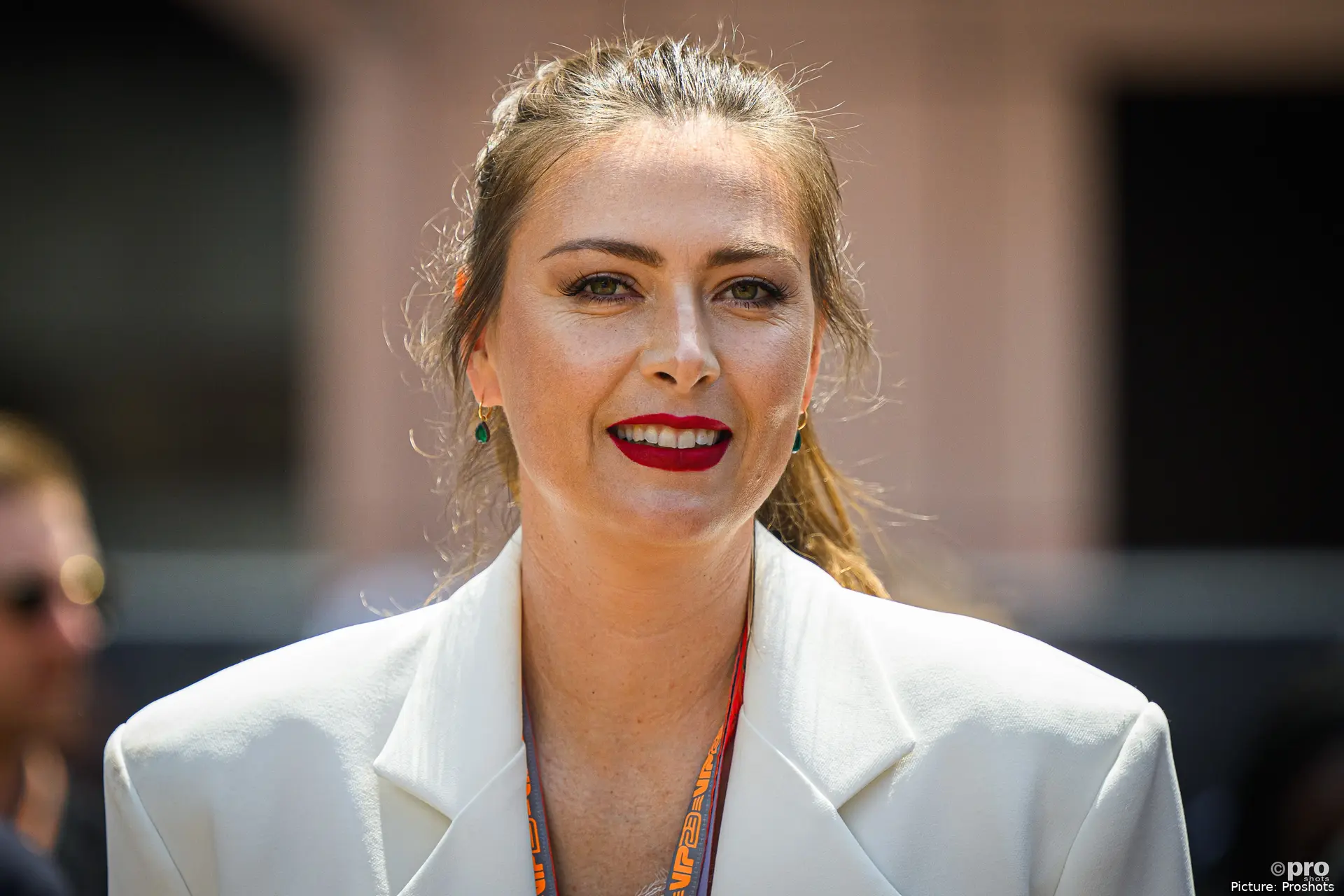
For Maria Sharapova, the biggest victories weren’t always the ones that came with a trophy. The five-time major champion recently sat down for an interview with Bloomberg, where she spoke about her life beyond the tennis courts, dedicating herself as an investor in various initiatives linked to sport, fashion, and business.
In a recent Bloomberg interview, the former world No. 1 revealed that her mindset as an athlete continues to shape how she tackles challenges long after retirement. “The thing about being a young athlete is you want to play against people that make you realize you have weaknesses in your game. If you feel like you’re constantly winning, you’re not learning much,” she explained.
It’s a philosophy she carried through her five Grand Slam titles—and now into the boardroom. Sharapova insists that real progress comes after defeat, whether on a tennis court or in business. “Even winning—when you’re a teenager or in your 20s—that’s not when you’re doing your best work. You’re doing your best work when you get off the court and you’ve just lost, and you have to face your team. You have to get back to the drawing board and say, ‘Well, we thought we were going to have a great day, but we didn’t. Now we have to figure it out.’”
That attitude has given her the confidence to embrace intimidating opportunities. When invited to join the board of Moncler, the Italian luxury fashion house, Sharapova admitted she felt out of her depth. “I was very intimidated by the role. I was intimidated that I was asked in the first place. It’s very official. It’s like a UN meeting—you’re sitting around this large table, there’s a microphone, there’s translation, because it’s an Italian publicly traded company. So there’s definitely an intimidating factor to it.”
Yet just as she did against Serena Williams or Justine Henin in her career, Sharapova stepped into the challenge head-on. “I selfishly took on the role because I felt like I could learn from a lot of people sitting in that room. And I feel like that’s been the trajectory of my career—even though I was passionate and deeply involved in one thing, I stayed really open-minded and curious about other things. I let other people guide my education because I didn’t have a formal education.”
Read also
From court to capital
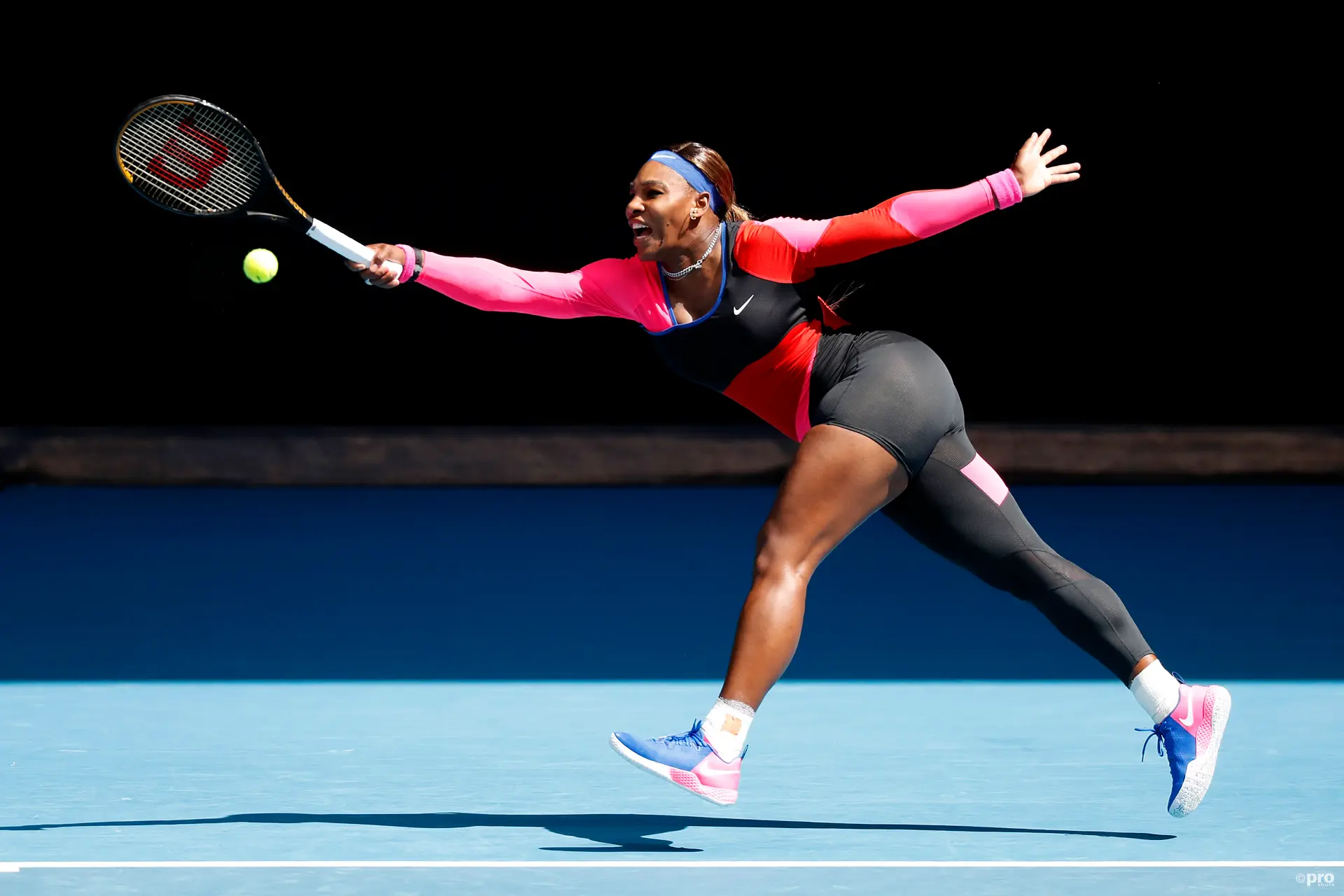
Sharapova’s competitive instincts also fuel her investments. One of her first successful ventures came when she put her own money into Supergoop!, a sunscreen brand she had been using for years. “I bought it at Sephora myself and found the founder. They were five employees at the time, and I said, ‘Look, I don’t need a return on investment right now. I’ll use my platform. I love your product.’”
That leap of faith proved to be a masterstroke. “Seven to nine years later, they sold 75% of their company for $750 million. So that was my first real investment in the space, and it did really well for me.” For Sharapova, the lesson was as clear as a straight-sets win: passion must drive investment decisions. “It was a testament to what I think is important in investment—which is being passionate about what you’re investing in, being a consumer, making sure that everyone around you is a consumer, and having a strong team.”

Sharapova’s winning formula
Whether it’s on Centre Court or in a boardroom, Sharapova continues to apply the same mindset that made her one of tennis’s fiercest competitors. She embraces challenges, learns from setbacks, and backs ventures she truly believes in. And if one of the world’s most powerful figures in luxury fashion called her tomorrow? “Yeah, that’s a no-brainer,” she laughed when asked if she’d consider joining Bernard Arnault’s LVMH board.
Sharapova’s story is a reminder that the essence of being a champion is not defined by the sport alone. Her career after tennis shows that the resilience and adaptability learned under pressure can be just as valuable off the court. As she put it herself: “You’re not learning much if you’re constantly winning.”

Cristhián AvilaTennis Journalist
Cristhián Ávila is a tennis journalist based in Santiago, Chile, and has been part of the TennisUpToDate team since early 2023. He covers the ATP and WTA Tours as well as all four Grand Slams, producing breaking news, match reports, analysis, and regular liveblogs from major tournaments.
His reporting combines statistical analysis with clear explanation, helping readers understand tactical developments, player form, and broader storylines across the tour. Working fluently in both Spanish and English, Cristhián collaborates with an international editorial team and contributes to comprehensive global coverage. As part of his work, he has conducted interviews and media interactions with leading figures in the sport, including Caroline Wozniacki and John McEnroe.
In his journalism, Cristhián places strong emphasis on careful sourcing, editorial accuracy, and updating articles promptly when new, verified information becomes available. His coverage is grounded in research, context, and direct engagement with professional tennis.
claps 0visitors 0
Just In

Popular News

Latest Comments
- I have lost all respect for Svitolina! Could she not have waited until he had played at the Paris Masters!!! She is selfish and don't give a damn about Gael. That is NOT how love is demonstrated Elina!!Rapunzel19-10-2026
- Perhaps convenient tennis tour sex is not a strong enough experience in which to base a marriage?
 mandoist19-10-2026
 - Fight the Good Fight... Tennis (sports in general) need more Humans such as yourself.mandoist18-10-2026
- When is WTA going to mandate Genetic Testing (DNA) ???mandoist18-10-2026
- Hey, Dan... you just wake up from a coma? Regardless -- Thanks for the comedy this morning!mandoist18-10-2026
- Two Things: 1. Stop allowing these Spoiled Trust-Fund Elitists to behave badly. Your little hand-slaps do not deter them. 2. STOP the incessantly annoying "towel wiping" nonsense!!!!mandoist15-10-2026
- A healthy Qinwen may be hard to stop next season. She was already scaring her opponents before her medical leave(s). Unfortunately, Zheng insisted on singing again. On the positive side -- Mirra did not sing!! ;~}mandoist11-10-2026
- Where is it written that athletes, entertainers... People in general... are mandated to keep looking at -- or even using [anti]Social Media? Public & private figures consistently complain and reveal their concerns about negativity and violence thrown at them -- yet they insist on participating. Avoid it, don't use it, don't read it. It's okay to occasionally look up at the World instead beating your eyes & thumbs to death on The Inventions out there.mandoist11-10-2026
- great articlestennisseserver07-10-2026
- Medvedev was leading Djokovic 7-5, 3-5 when an attempted return..' NO you ignorants, Djokovic was leading .weiss05-10-2026

Loading