WTA Canadian Open draw drama: Sabalenka, Swiatek and Pegula discover who got a gift and who faces a minefield
WTA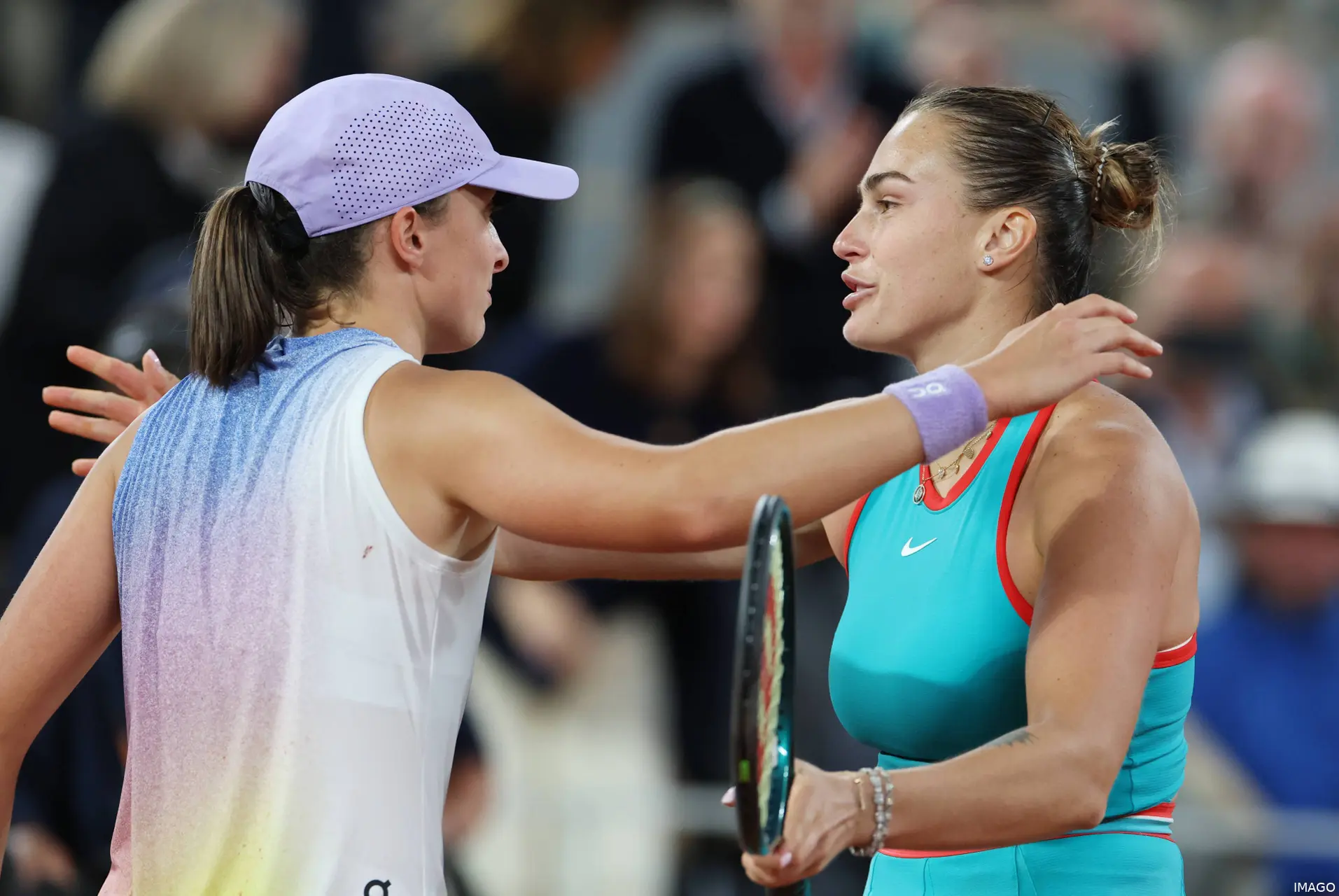
The road to the Canadian Open title has become much clearer—and much tougher. While the draw has handed some of the tournament favourites relatively comfortable openings, others could find themselves facing dangerous opponents almost immediately, raising the possibility of several blockbuster upsets before the second week.
As top-32 seeds, the favourites receive first-round byes, but that protection quickly disappears. By the third round, dangerous seeded opponents—and even unseeded floaters—can turn an apparently comfortable draw into one of the toughest paths in the tournament.
Mirra Andreeva, Iga Swiatek, Coco Gauff and Jessica Pegula are among the other names to watch in the draw, and more than one of them could suffer an early upset — something that could create a domino effect and open the door for surprise runs, just as it did a year ago when an unknown Victoria Mboko captured a remarkable title. Mboko, however, is injured this time and out of competition as she attempts to defend that crown.
What awaits the big names?
| Seed | Biggest early danger | Toughest projected match |
| Aryna Sabalenka | Jelena Ostapenko | Alexandrova |
| Iga Swiatek | Sara Bejlek | Madison Keys |
| Coco Gauff | Maria Sakkari | Emma Navarro |
| Jessica Pegula | Kalinskaya/Shnaider | Quarter-final |
| Mirra Andreeva | Leylah Fernandez | Naomi Osaka |
| Linda Noskova | Alexandra Eala | Belinda Bencic |
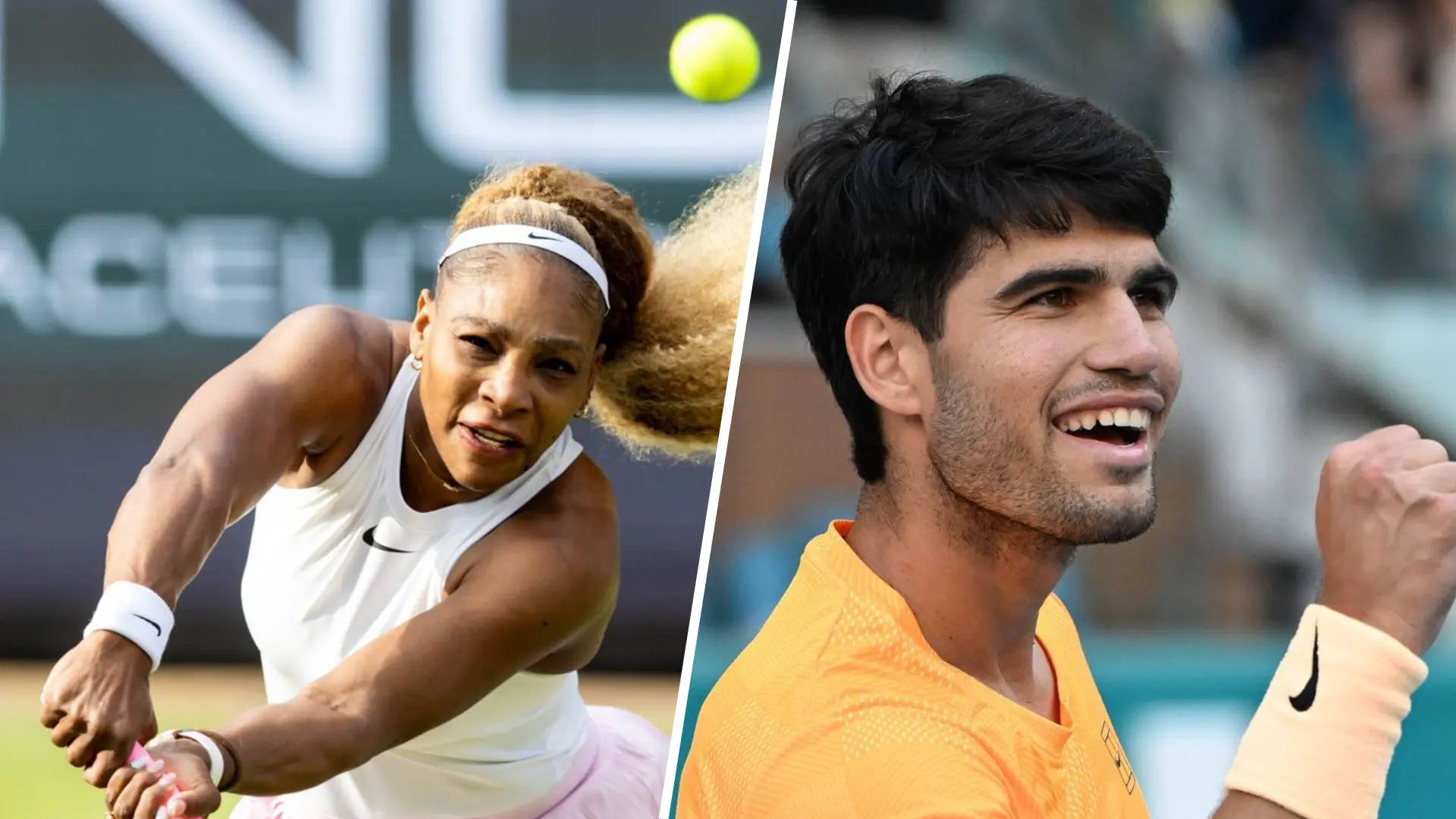
Jessica Pegula: One of the friendliest draws among the title favourites
Jessica Pegula appears to have received one of the most favourable draws among the tournament favourites, avoiding many of the dangerous floaters that threaten other top seeds. She arrives in Toronto full of confidence with a 35-9 record this season and two titles already in 2026.
Her opening match will come in the second round against Magdalena Frech or a qualifier, while a potential third-round meeting with 32nd seed Katerina Siniakova looks like a respectable but manageable test for Pegula.
If she reaches the fourth round, Pegula could face one of the Russians, Anna Kalinskaya (17th seed) or Diana Shnaider (15th seed). Against either opponent, the American would still enter as the clear favourite, although both have already shown they are capable of troubling top-10 players. Overall, Pegula appears to have a relatively accessible path through the opening rounds, avoiding most of the truly dangerous floaters before the quarterfinal stage. Compared to Sabalenka, Swiatek and Andreeva, Pegula's projected route looks considerably less demanding.
That favourable opening could allow Pegula to play her way into form before the biggest matches arrive in the quarter-finals. Of all the leading contenders, Pegula arguably has the clearest path into the last eight.

Jessica Pegula won two of her four WTA 1000 titles at the Canadian Open: Montreal (2023) and Toronto (2024).
Aryna Sabalenka: A dangerous early showdown could derail the world No. 1
Aryna Sabalenka’s campaign will begin in the second round against Cristina Bucsa or a qualifier. The world No.1 may have received one of the most dangerous third-round projections in the entire draw. The first major challenge could already arrive in the third round, where the 26th seed Jelena Ostapenko looms as one of the toughest possible opponents among the players seeded 25-32.
On hard courts, the advantage still belongs to Sabalenka, but Ostapenko’s raw power from the baseline will be a serious test that could force the world No. 1 to stay at maximum intensity from the very beginning. Ostapenko already defeated Sabalenka in the Stuttgart Open final back in 2025, proving she has the firepower to trouble her. She has superb flat hitting, a fearless return game and takes time away. An early defeat for Sabalenka would completely reshape the top half of the draw.

A potential quarterfinal path could bring Ekaterina Alexandrova (16th seed) or Maja Chwalinska (18th seed), two completely different challenges. While the Polish player remains something of an unknown on hard courts, Alexandrova has often struggled against the very top players despite her consistency.
For Sabalenka, the biggest danger appears to be that possible third-round clash with Ostapenko, with names such as Amanda Anisimova and Elina Svitolina potentially waiting deeper in the draw. Sabalenka remains the favourite, but she has far less margin for error than several of the other top seeds.

Sabalenka's best campaign in the Canadian Open was her run to the semi-finals back in 2021.
Coco Gauff: Early tests await despite a favourable opening
Coco Gauff should comfortably navigate her opening match, but her draw becomes significantly more complicated from the third round onwards. The two-time Grand Slam champion is one of the biggest attractions of the North American hard-court swing, the very part of the calendar where she has produced some of the best tennis of her career, including her unforgettable 2023 run in which she won 18 of her 19 matches during the swing. Her likely opening opponent is Diane Parry or a qualifier, in conditions that are not particularly favourable for the French player.
Compared with Pegula, Gauff has a noticeably tougher route into the quarter-finals. By the third round, however, a potential clash with Maria Sakkari (29th seed) could already be waiting. The Greek has been rebuilding confidence in recent months and will be eager to prove she can once again challenge the top-10 players. She remains one of the most physically demanding opponents on Tour and is capable of making life uncomfortable for any top seed.
If Gauff advances, a fourth-round matchup could bring one of her fellow Americans, Emma Navarro (23rd seed) or Iva Jovic (13th seed), while a potential quarterfinal could feature Eala, Noskova or Bencic as the most likely opponents. Gauff should still expect to reach the second week, but she is unlikely to have an easy route there.

Coco Gauff has three appearances in the Canadian Open quarterfinals, but has never made it past that stage.
Iga Swiatek: One of the toughest routes facing a top seed in Toronto
Few top seeds received a more difficult projected route than Iga Swiatek. She reached only the round of 16 in Toronto a year ago — a result well below expectations for the six-time major champion — and she will be looking for redemption this time around. After slipping slightly in the rankings, she enters as the seventh seed and finds herself exposed to several potentially difficult early tests.
Her opening match could already be tricky against either Xiyu Wang or Sara Bejlek. The 20-year-old Czech in particular has been making enormous strides on tour and would not be a surprising name to see much higher in the rankings in the near future, making her a dangerous opening-round opponent. Neither opponent is a household name, but both possess the type of aggressive game that can make an opening match uncomfortable.
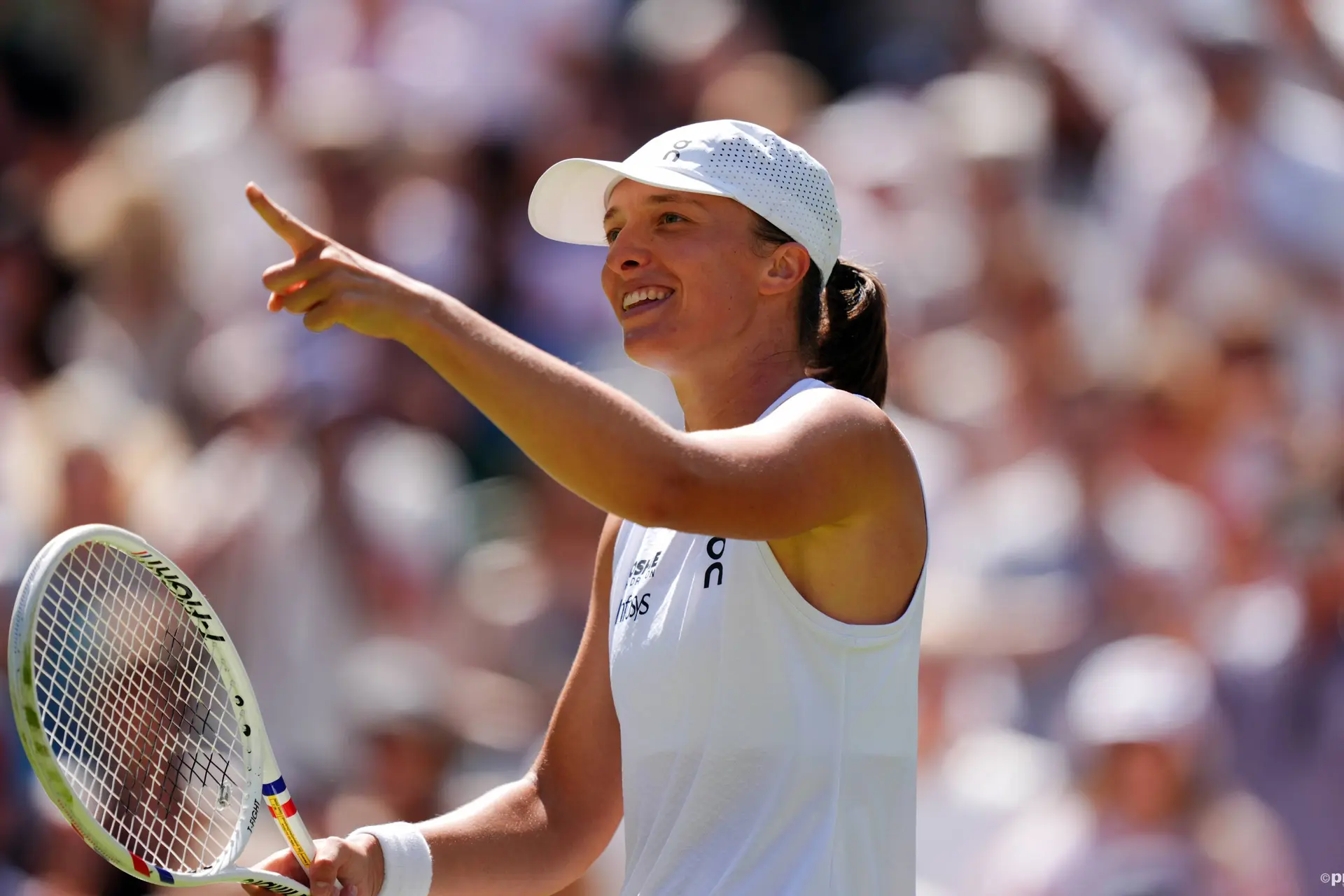
Swiatek will still be the favourite in her debut, and a potential third-round clash with Donna Vekic (31st seed) also appears manageable. The Croatian is far from her best level, but she remains capable of producing inspired performances that could make life uncomfortable for the Pole.
The real danger arrives in the fourth round, where Madison Keys (19th seed) or Marta Kostyuk (10th seed) could be waiting. Both have handed Swiatek painful defeats at Grand Slam level and are unlikely to be intimidated by her résumé. If Swiatek finds her rhythm and advances, a quarterfinal meeting with Pegula could follow — a matchup in which the American may even feel like the favourite given the conditions and her recent hard-court form. Swiatek's draw leaves little room for a slow start if she wants to challenge for the title.

Swiatek has 11 WTA 1000 titles in 13 finals, but has never reached the final at the Canadian Open.
Mirra Andreeva: A nightmare draw after her Roland Garros triumph
Mirra Andreeva may have received the toughest projected draw of any genuine title contender. The Roland Garros champion and current WTA Race leader needs to quickly rediscover consistency after a disappointing run of recent tournaments, having recorded only one win and two losses since lifting the trophy in Paris. Her return to hard courts has not been kind from a draw perspective, and she may need her best level from the very beginning.
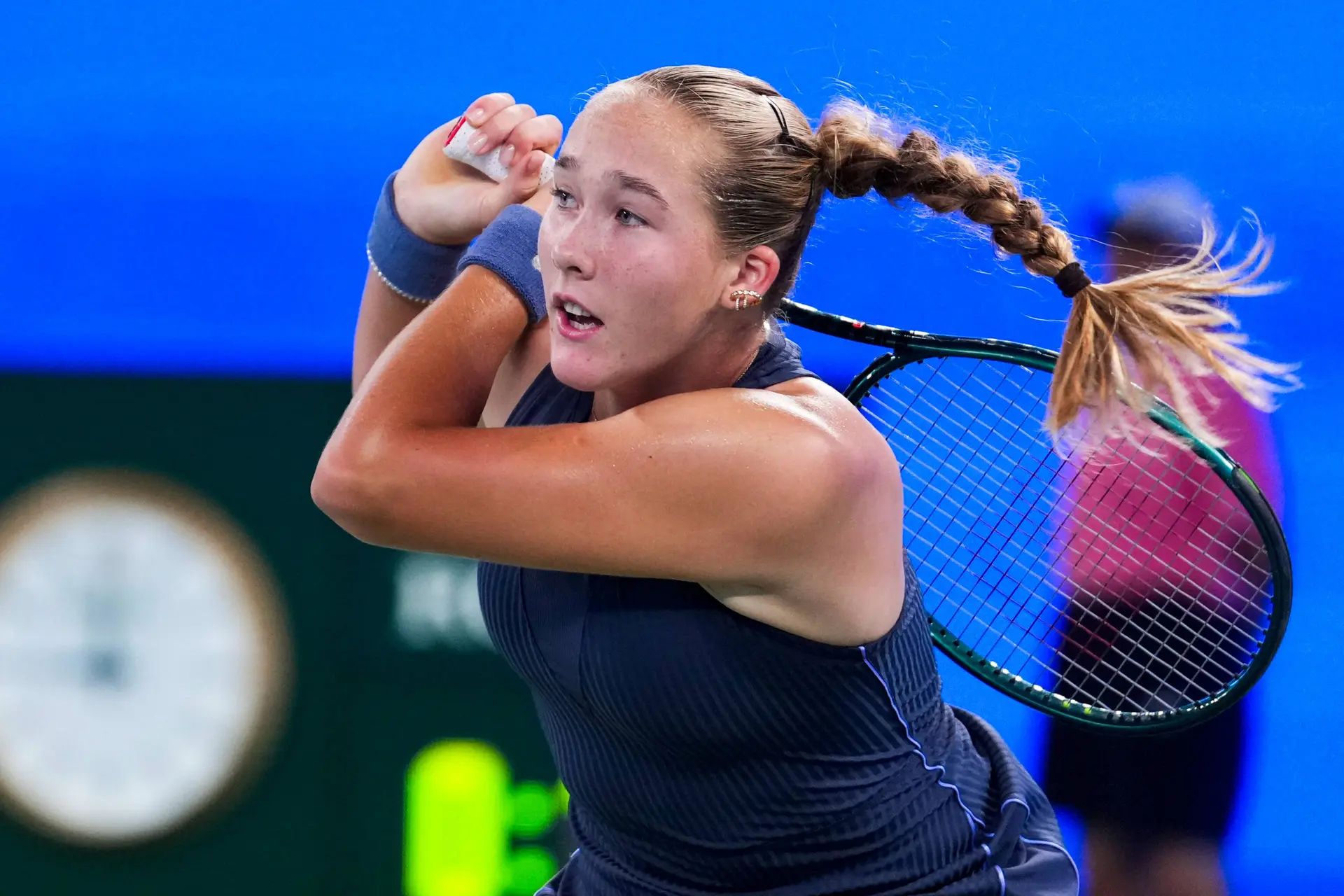
She will open against either Oleksandra Oliynykova, a dangerous Ukrainian capable of forcing long baseline exchanges, or former world No. 1 Karolina Pliskova, who has enjoyed something of a second career since returning to the tour. If Andreeva advances, former US Open runner-up Leylah Fernandez could be waiting as early as the third round. She is a former US Open finalist, dangerous on home soil and will garner crowd support.
Later in the draw, a potential round-of-16 blockbuster could emerge against four-time major champion Naomi Osaka, who reached the Canadian Open final a year ago and increasingly looks like a player who is only a matter of time away from winning another major title. She is one of the few names outside the top 10 who still commands the same level of respect and possesses the ability to defeat absolutely anyone when she is in form and is arguably the most dangerous unseeded-quality player lurking in the draw. If Andreeva reaches the quarter-finals, she'll have earned it the hard way.

Mirra Andreeva won only one of her three matches after winning the Roland Garros title.
Linda Noskova: Wimbledon champion handed an early danger in Toronto
Fresh off her Wimbledon triumph, Linda Noskova has immediately been handed one of the most dangerous third-round projections. After her Wimbledon title, Linda Noskova has become one of the most fascinating players to watch for the remainder of the season and has firmly entered the conversation among the contenders for future major titles. The sixth seed will open against Caty McNally or a qualifier and should be the clear favourite to advance.

However, a dangerous third-round test could come against Alexandra Eala (25th seed), one of the hottest players on tour in recent months. She is fearless, left-handed and is having a breakthrough season. It would undoubtedly be one of the most exciting potential third-round matchups in the tournament, featuring two players who could realistically meet in the latter stages of major events many times over the next few years.
If she gets through Eala, Marie Bouzkova (21st seed) or Belinda Bencic (12th seed) could await in the fourth round. The Swiss star has not produced major results in recent months, but her experience and quality make her a threat to anyone in the draw. Although inconsistent, she remains one of the tour's most experienced hard court stars.
While Pegula appears to have avoided most of the early danger, Sabalenka, Swiatek and Andreeva could all find themselves in high-pressure matches well before the quarter-finals. With so many dangerous floaters and in-form players lurking, Toronto looks unlikely to follow the seedings for long. Noskova's draw looks manageable on paper, but it offers very little room for complacency.
How do they compare?
| Player | Draw difficulty |
| Pegula | ⭐⭐☆☆☆ |
| Gauff | ⭐⭐⭐☆☆ |
| Sabalenka | ⭐⭐⭐⭐☆ |
| Swiatek | ⭐⭐⭐⭐☆ |
| Noskova | ⭐⭐⭐⭐☆ |
| Andreeva | ⭐⭐⭐⭐⭐ |
Who has the easiest draw? Jessica Pegula.
Who has the toughest? Mirra Andreeva.
Biggest upset candidate? Aryna Sabalenka.
Most balanced route? Coco Gauff.

Cristhián AvilaTennis Journalist
Cristhián Ávila is a tennis journalist based in Santiago, Chile, and has been part of the TennisUpToDate team since early 2023. He covers the ATP and WTA Tours as well as all four Grand Slams, producing breaking news, match reports, analysis, and regular liveblogs from major tournaments.
His reporting combines statistical analysis with clear explanation, helping readers understand tactical developments, player form, and broader storylines across the tour. Working fluently in both Spanish and English, Cristhián collaborates with an international editorial team and contributes to comprehensive global coverage. As part of his work, he has conducted interviews and media interactions with leading figures in the sport, including Caroline Wozniacki and John McEnroe.
In his journalism, Cristhián places strong emphasis on careful sourcing, editorial accuracy, and updating articles promptly when new, verified information becomes available. His coverage is grounded in research, context, and direct engagement with professional tennis.
claps 0visitors 0
Just In

Popular News


Latest Comments
- Does Sinner need that 4.5 mil? I doubt it. He can make that with three modelling gigs!😅🤣Rapunzel21-10-2026
- Did "People Magazine" purchase this website? This nonstop storyline is bullshit.
 mandoist21-10-2026
 - Listen... this is of no concern to anyone but these two. Deal with your own issues -- most of us have our own. Thanks, media, for these insignificant follow-ups which are meaningless.mandoist21-10-2026
- This is so very very sad, for all three of them. I truly thought they had an unbreakable bond, but life throws up so many differing challenges. Having your homeland suffering in such a terrible way, makes happiness lose out to guilt as well. Our thoughts are with them. X💔bjsexton20-10-2026
- I have lost all respect for Svitolina! Could she not have waited until he had played at the Paris Masters!!! She is selfish and don't give a damn about Gael. That is NOT how love is demonstrated Elina!!Rapunzel19-10-2026
- Perhaps convenient tennis tour sex is not a strong enough experience in which to base a marriage?mandoist19-10-2026
- Fight the Good Fight... Tennis (sports in general) need more Humans such as yourself.mandoist18-10-2026
- When is WTA going to mandate Genetic Testing (DNA) ???mandoist18-10-2026
- Hey, Dan... you just wake up from a coma? Regardless -- Thanks for the comedy this morning!mandoist18-10-2026
- Two Things: 1. Stop allowing these Spoiled Trust-Fund Elitists to behave badly. Your little hand-slaps do not deter them. 2. STOP the incessantly annoying "towel wiping" nonsense!!!!mandoist15-10-2026

Loading