ATP and WTA Winners and Losers of 2025 Cincinnati Open including Alcaraz, Swiatek, Atmane, Raducanu and Pegula
ATP
The 2025 Cincinnati Open was defined by both
brilliance and misfortune, with Carlos Alcaraz emerging as the men’s champion
under unusual circumstances. In the final, world No. 1 Jannik Sinner was forced
to retire after just 23 minutes of play, trailing 0–5, due to illness. It was
one of the shortest finals in ATP Masters 1000 history and left the crowd
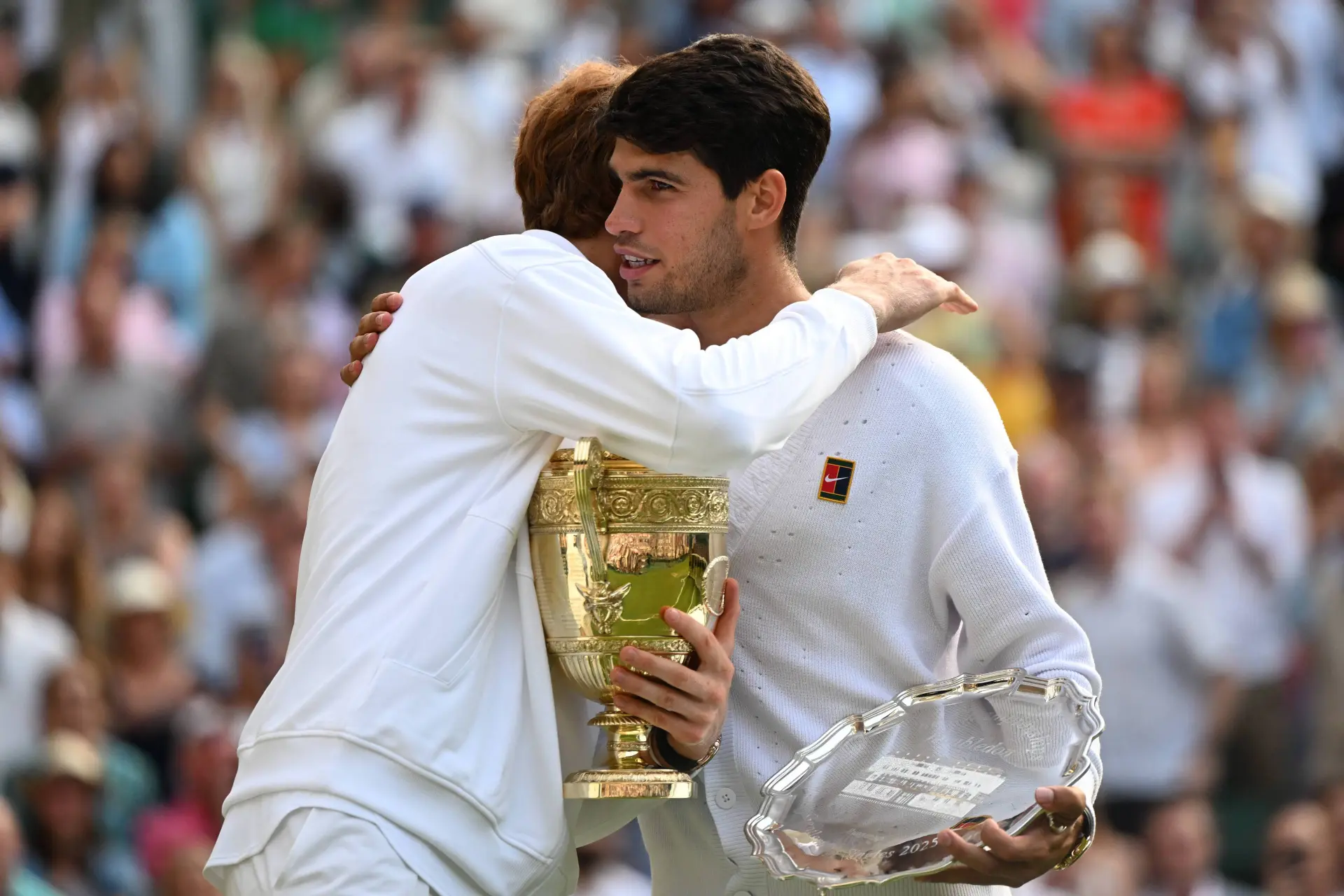
stunned. Alcaraz, showing class, rushed to comfort Sinner as he conceded the
match, later calling it “the toughest way to win a title”.
For Alcaraz, the victory was historic,
nonetheless. At just 22 years old, he claimed his eighth Masters 1000 trophy
and 22nd ATP title overall, making him the youngest Cincinnati champion since
Andy Murray in 2008. His path to the final was strong, with straight set wins
over Andrey Rublev and Alexander Zverev, and a gritty showing against Hamad
Medjedovic. His semifinal against Zverev in particular was a high-level contest
until the German faded in the oppressive conditions.
Sinner, meanwhile, arrived in the final
looking untouchable. He had not dropped a set all week and lost only 30 games
in five matches, including a straightforward 6–2, 6–2 demolition of Taylor
Fritz in the semifinal. His Cincinnati campaign extended an extraordinary run
of form that included a 26-match winning streak on hard courts dating back
months. But illness struck on the eve of the final, and despite trying to
compete, he was forced to quit early, an abrupt reminder of the physical
demands of the sport.
The tournament was played in brutally hot and
humid conditions, which became a story in itself. Temperatures reached 36 °C
with humidity near 70%, and multiple players visibly struggled. Arthur
Rinderknech collapsed mid-match and had to retire. Daniil Medvedev required
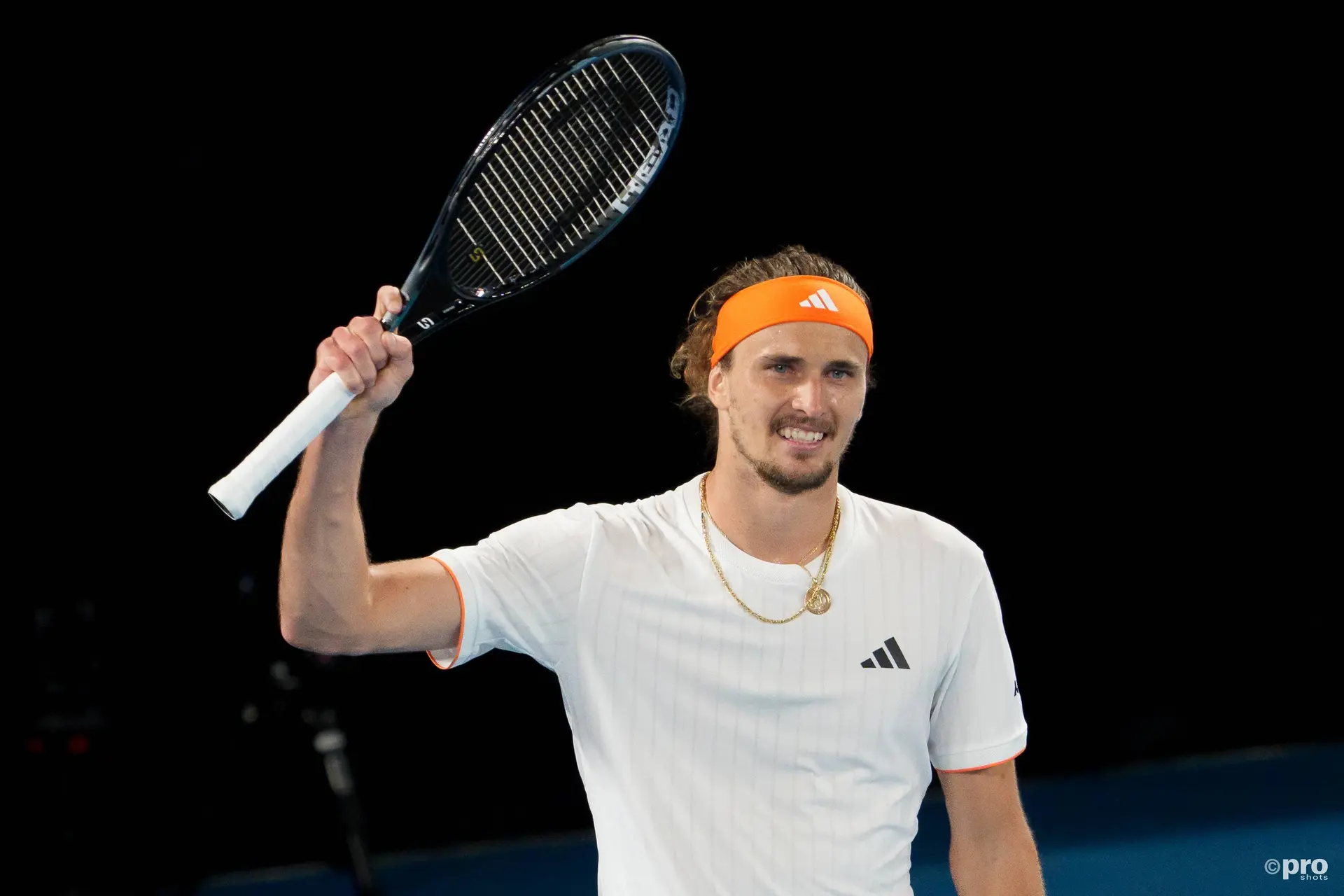
treatment in his opener against Adam Walton, while Zverev looked dizzy during
his semi-final loss to Alcaraz. Even seasoned pros commented that conditions
bordered on unsafe.
Read also
Atmane fairytale
Underperformance was another theme in
Cincinnati. Frances Tiafoe, a seeded player, retired in the fourth round.
Cameron Norrie, Casper Ruud, and Tommy Paul all bowed out earlier than
expected. Medvedev, a three-time Grand Slam champion, once again disappointed
in Masters play, failing to find rhythm on hard courts that once defined his
dominance. Arthur Fils withdrew, while Jakub Menšík and Alejandro Davidovich
Fokina both retired during their matches. For fans, the high number of
retirements reflected both the intensity of the weather and lingering fragility
among several top 20 names.
On the opposite side of the draw, Terence
Atmane provided the biggest Cinderella run of the tournament. The 22-year-old
French qualifier became the first qualifier since Alexandr Dolgopolov in 2015
to reach the semifinals in Cincinnati. Ranked No. 136 before the tournament,
his run will launch him into the top 70 and establish him as a dangerous
floater in the upcoming US Open. His upset wins included knocking out
higher-ranked opponents with fearless shot-making, making him one of the
event’s most celebrated breakthroughs.

Alcaraz consoles Sinner after he is forced to retire
WTA Winners and Losers
The women’s event also produced a clear
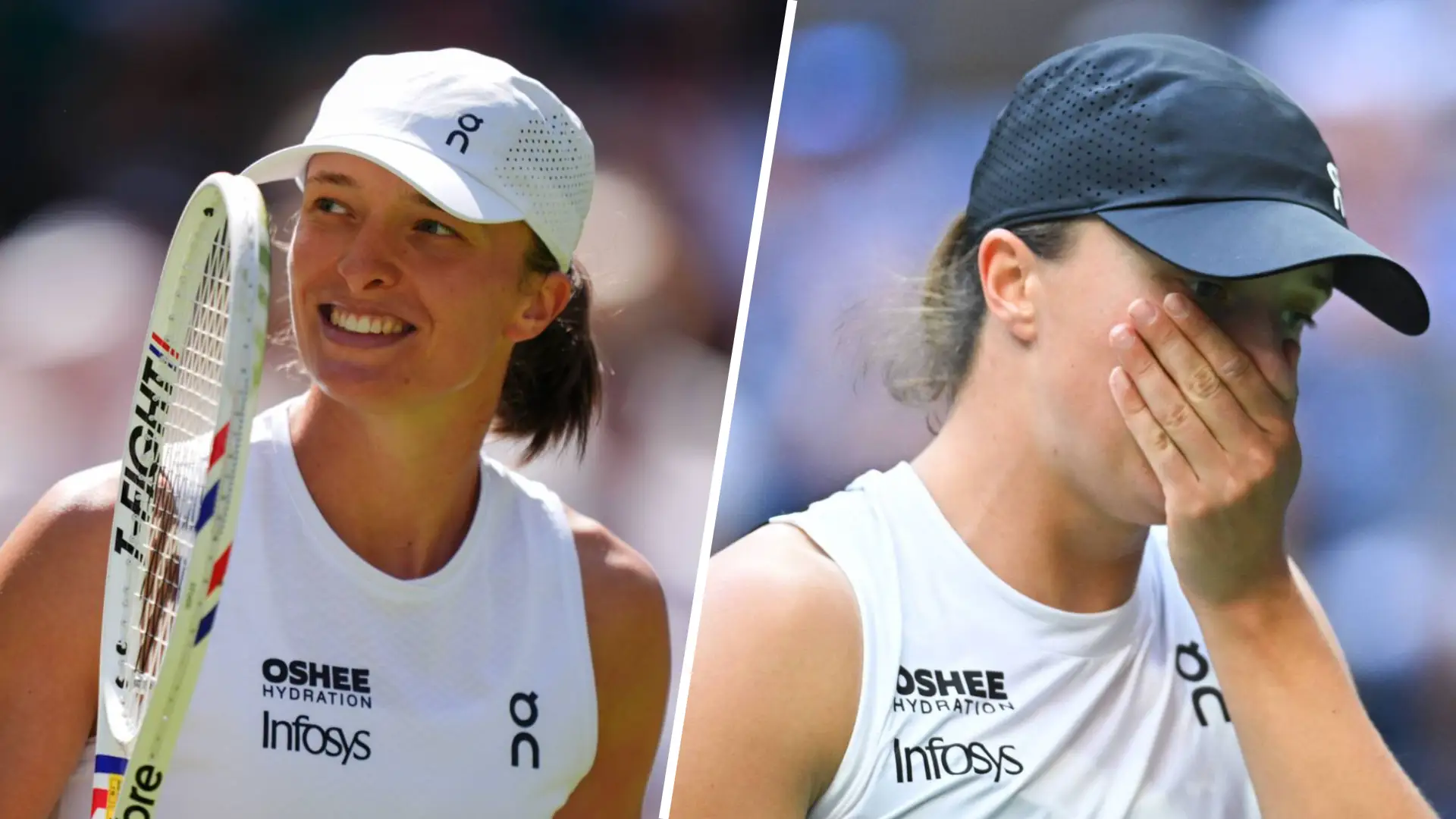
winner. World No. 1 Iga Świątek captured the title without dropping a set,
defeating Jasmine Paolini 7–5, 6–4 in the final. For Paolini, it was a historic
moment as the first Italian woman to ever reach a Cincinnati Open final, while
Świątek added her 11th WTA 1000 crown to an already dominant resume.
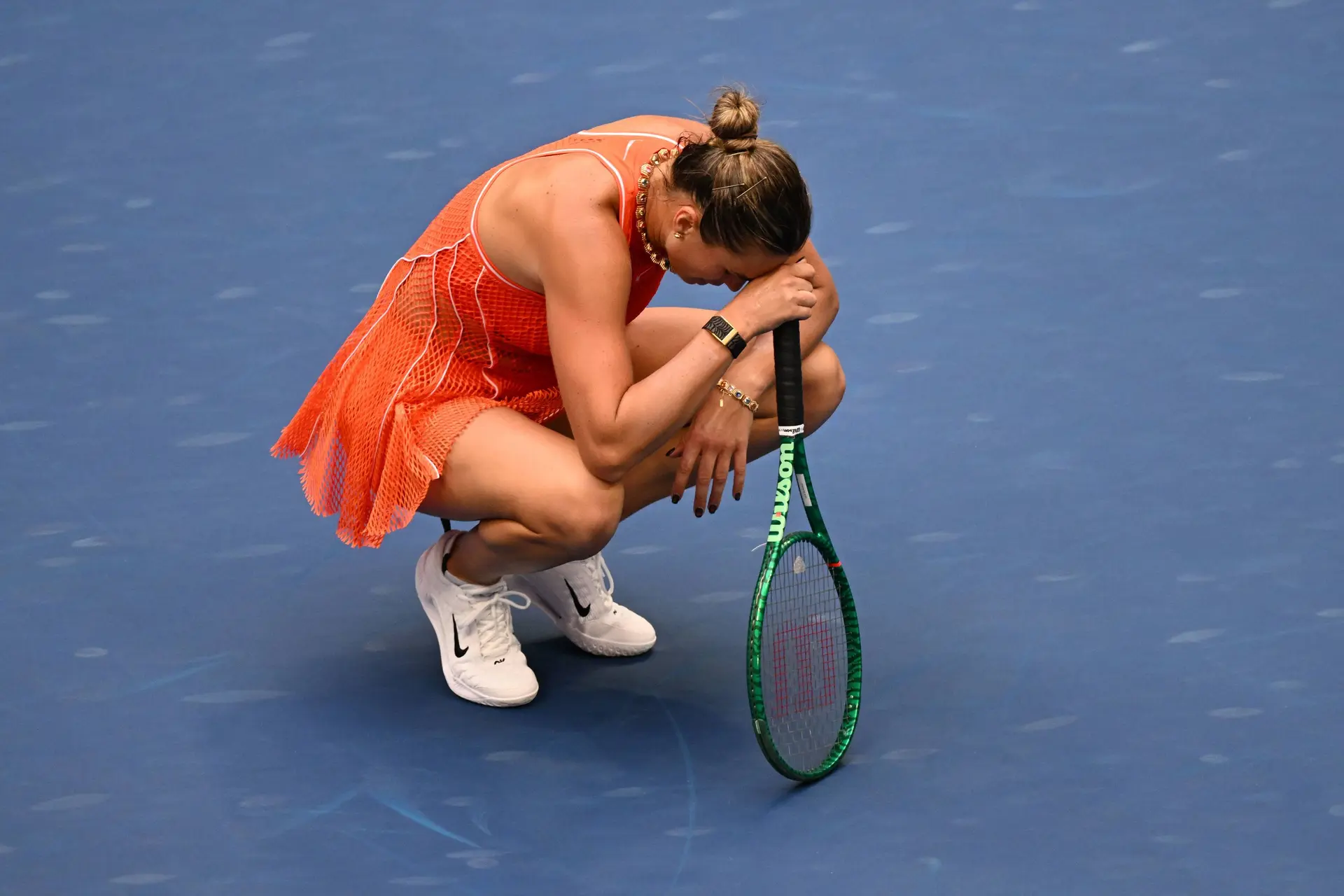
Several top women underperformed, including Aryna Sabalenka, the defending
champion and world No. 1, who lost in the quarterfinals to Elena Rybakina,
dropping 785 ranking points and narrowing her lead over Coco Gauff. Gauff
herself exited in the quarterfinals, struggling with a high double-fault count
of 9.2 per match. Jessica Pegula and Amanda Anisimova were eliminated in the
third round, while Madison Keys, Emma Raducanu, Karolína Muchová, Liudmila
Samsonova, Daria Kasatkina, and Belinda Bencic all fell in early rounds. Even
veterans like Elina Svitolina were ousted in the second round
In sum, the Cincinnati Open highlighted the
fine margins that define tennis. Alcaraz strengthened his claim as the next
great hard-court champion, while Sinner’s brilliance was undercut by cruel
timing. The heat exposed vulnerabilities in even the toughest competitors, and
underperformances by seasoned names contrasted sharply with Atmane’s
breakthrough. Together, these threads created a tournament remembered not only
for its champion but for its extremes of endurance, fortune, and resilience.


claps 0visitors 0
Just In

Popular News
Latest Comments
- A healthy Qinwen may be hard to stop next season. She was already scaring her opponents before her medical leave(s). Unfortunately, Zheng insisted on singing again. On the positive side -- Mirra did not sing!! ;~}
 mandoist11-10-2026
 - Where is it written that athletes, entertainers... People in general... are mandated to keep looking at -- or even using [anti]Social Media? Public & private figures consistently complain and reveal their concerns about negativity and violence thrown at them -- yet they insist on participating. Avoid it, don't use it, don't read it. It's okay to occasionally look up at the World instead beating your eyes & thumbs to death on The Inventions out there.mandoist11-10-2026
- great articlestennisseserver07-10-2026
- Medvedev was leading Djokovic 7-5, 3-5 when an attempted return..' NO you ignorants, Djokovic was leading .weiss05-10-2026
- No more bullshit "Wildcards" to these two. Qualify like everyone else -- there will be cameras there, too. Time to scream... WTF ????!!!!mandoist29-09-2026
- Let's not BS the general public -- Sabalenka started showing cracks in her game last season. Her losses and near-losses started at about the same time she began being distracted by Fame (constant Selfies, making TV commercials, magazine shoots, endless Social Media nonsense, etc., etc.) One would think even Saba could recognize the parallels with others who failed before her -- Raducanu, Giorgi, Bouchard to name a few.mandoist25-09-2026
- Gross!! Hey Raducanu, Giorgi, and Bouchard -- reserve a seat at your Social Media Selfie table for Saba + Naomi. They're heading in your direction soon enough.mandoist24-09-2026
- And then these same players will complain about how lengthy their season’s were and need more time-off. I’m all for more tennis but the amount of tennis we get now is actually kind of crazy! We all need a break, especially the players.DaveyWavey23-09-2026
- You should do a comparison article for "different kinds of justice" the courts decide for tennis players. I can think of at least three players who received very small bans of a few months, however Tara Moore has been fighting for her literal survival the past few years. It seems odd considering she is not a "name" player, unlike the other cases.DaveyWavey22-09-2026
- PRIZE MONEY & POINTS Winner - $185,500 Finalist - $114,500 Semi-Finalist - $66,003 Quarter-Finalist - $35,000 Round of 16 - $18,045 Round of 32 - $13,005 Winner - 500 Finalist - 325 Semi-Finalist - 195 Quarter-Finalist - 108 Round of 16 - 60 Round of 32 - 1DaveyWavey20-09-2026

Loading