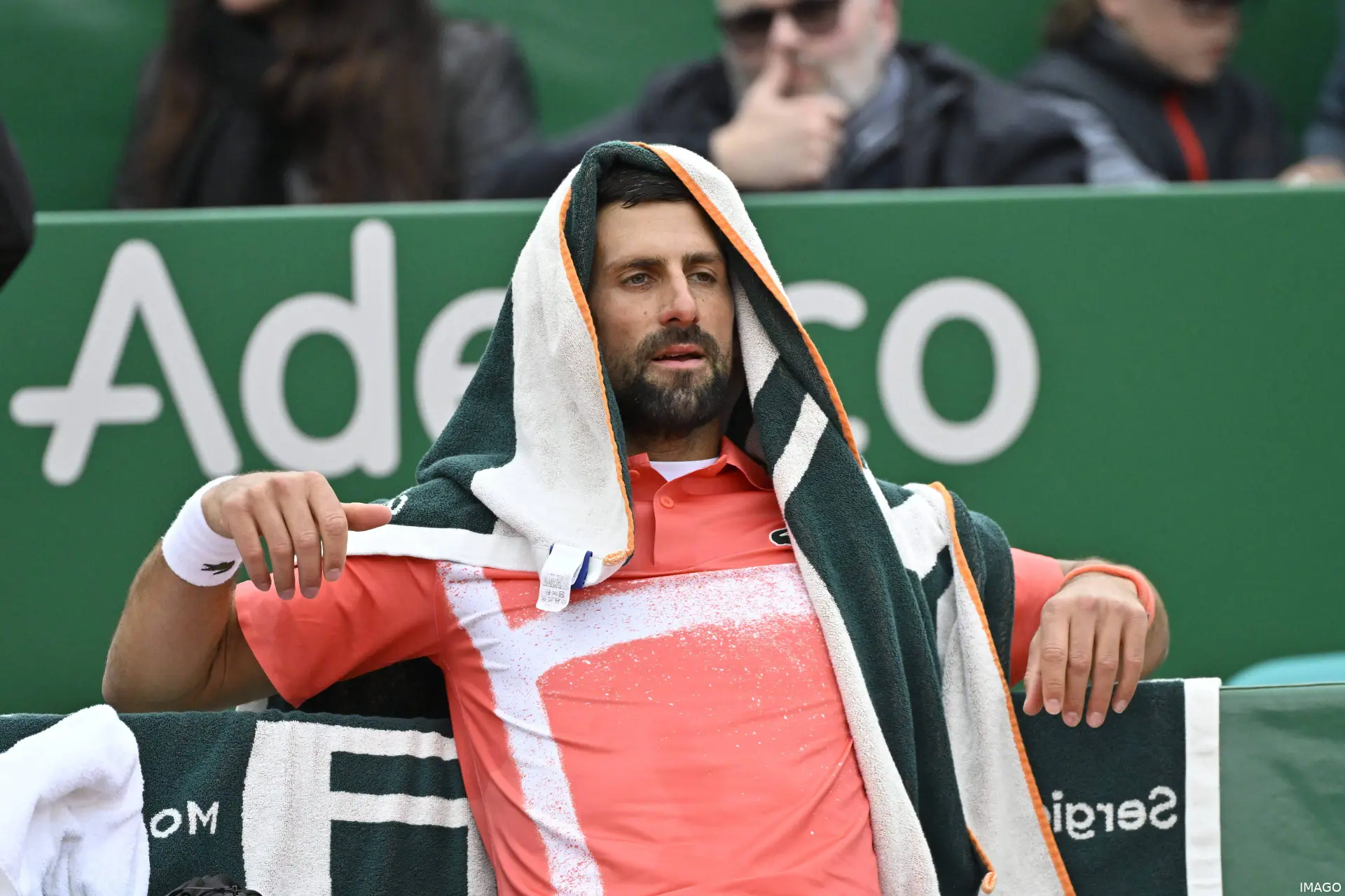
The ATP Board of Directors has approved a new heat rule that will come into effect immediately at the start of the 2026 season. The Board listened to the players' concerns and announced significant changes to its extreme heat policy to address adverse conditions at specific tournaments throughout the year. This decision marks a pivotal shift in how the tour manages environmental challenges, moving away from discretionary decisions toward scientifically backed protocols.
A few months ago, the Shanghai Masters was mired in controversy as several players made strong complaints regarding the heat. Novak Djokovic dealt with on-court vomiting during his second-round triumph over Yannick Hanfmann, while Jannik Sinner retired mid-match against Tallon Griekspoor due to the conditions. Holger Rune also voiced strong complaints during his match. "Why ATP doesn't have a heat rule? You want a player to die on the court?," said Rune on court during his second-round victory against Ugo Humbert.
The criticism was not isolated to a single event, as the entire Asian swing presented unprecedented challenges for the athletes. Matteo Berrettini highlighted the severity of the situation, noting that smaller tournaments faced even worse conditions that went largely unreported by the mainstream media. "During the Asian swing, I experienced conditions I’ve never experienced in the past," Berrettini commented at a press conference during his time in the Stockholm Open. "Hangzhou was actually hotter than Shanghai, but the tournament was smaller, so nobody knew about it. It was so hot in the first days, we couldn’t believe it. Luckily, they had a roof, and it was raining a lot."
The governing body of men's tennis faced mounting pressure to modernize its protocols as climate change creates increasingly unpredictable and dangerous environments for outdoor sports. The review process involved extensive consultation with medical experts and the player council to determine scientific thresholds for safety. The result is a rigid framework that removes ambiguity from the decision-making process during extreme weather events, ensuring that commercial interests do not override physical safety.
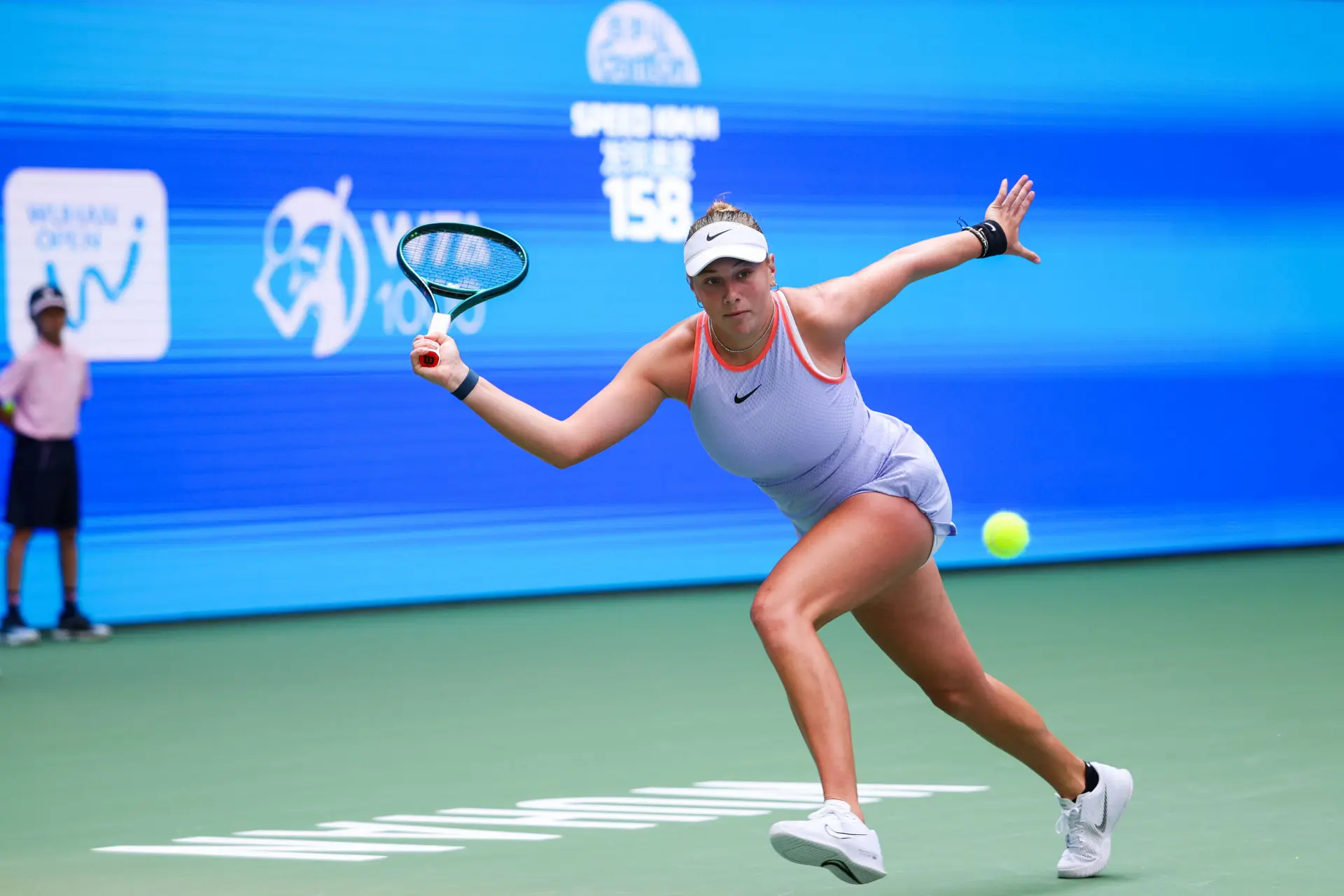
Implementing a new safety standard
Central to the new policy is the reliance on the Wet Bulb Globe Temperature (WBGT), a comprehensive metric that accounts for temperature, humidity, wind speed, and sun angle. Unlike simple thermometer readings, this index provides a more accurate representation of thermal stress on the human body. The ATP has established precise numeric thresholds based on this data to trigger specific interventions automatically, removing the burden of decision-making from chair umpires who may feel pressure to keep play moving.
Under the new regulations, cooling measures will be strictly implemented when the WBGT reaches 30.1°C or higher during the first two sets of best-of-three singles matches. Once this threshold is met, a 10-minute cooling break following the second set may be requested by either competitor. This rule is designed to be equitable, applying to both players in singles matches to ensure fairness while prioritizing physical safety during the most grueling moments of a contest.
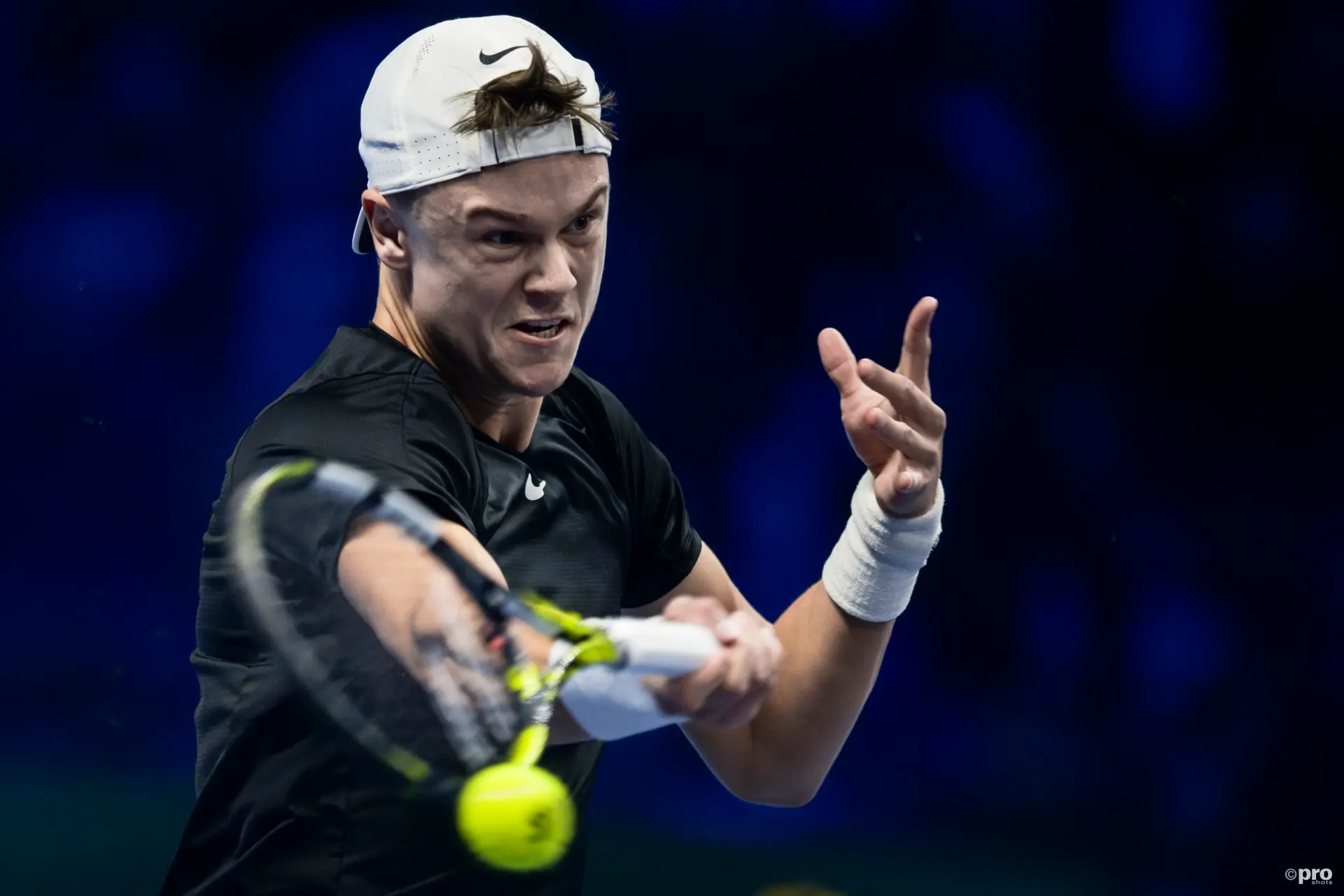
The break serves as a critical recovery window rather than a simple pause in play. During this ten-minute interval, players are permitted to utilize various cooling measures, rehydrate, change their soaking kits, and take showers to lower their core body temperature. Furthermore, athletes will be allowed to receive coaching under the supervision of ATP medical staff to ensure their physical state is monitored before returning to competition.
The most drastic measure involves the complete cessation of athletic activity to prevent life-threatening incidents like heatstroke or cardiac events. Play will be immediately suspended when the WBGT exceeds 32.2°C, a threshold deemed unsafe for high-intensity physical exertion regardless of an athlete's fitness level. This hard cap aims to eliminate the gray areas where matches previously continued in dangerous conditions, prioritizing immediate safety over the broadcasting schedule.
Beyond the immediate protection of the athletes, the policy acknowledges the wider ecosystem of a tennis tournament. As the tour prepares for the 2026 season, starting with the notoriously scorching summer in Australia, these regulations will be put to the test immediately.

Cristhián AvilaTennis Journalist
Cristhián Ávila is a tennis journalist based in Santiago, Chile, and has been part of the TennisUpToDate team since early 2023. He covers the ATP and WTA Tours as well as all four Grand Slams, producing breaking news, match reports, analysis, and regular liveblogs from major tournaments.
His reporting combines statistical analysis with clear explanation, helping readers understand tactical developments, player form, and broader storylines across the tour. Working fluently in both Spanish and English, Cristhián collaborates with an international editorial team and contributes to comprehensive global coverage. As part of his work, he has conducted interviews and media interactions with leading figures in the sport, including Caroline Wozniacki and John McEnroe.
In his journalism, Cristhián places strong emphasis on careful sourcing, editorial accuracy, and updating articles promptly when new, verified information becomes available. His coverage is grounded in research, context, and direct engagement with professional tennis.
claps 0visitors 0
Just In


Popular News
Latest Comments
- Does Sinner need that 4.5 mil? I doubt it. He can make that with three modelling gigs!😅🤣Rapunzel21-10-2026
- Did "People Magazine" purchase this website? This nonstop storyline is bullshit.
 mandoist21-10-2026
 - Listen... this is of no concern to anyone but these two. Deal with your own issues -- most of us have our own. Thanks, media, for these insignificant follow-ups which are meaningless.mandoist21-10-2026
- This is so very very sad, for all three of them. I truly thought they had an unbreakable bond, but life throws up so many differing challenges. Having your homeland suffering in such a terrible way, makes happiness lose out to guilt as well. Our thoughts are with them. X💔bjsexton20-10-2026
- I have lost all respect for Svitolina! Could she not have waited until he had played at the Paris Masters!!! She is selfish and don't give a damn about Gael. That is NOT how love is demonstrated Elina!!Rapunzel19-10-2026
- Perhaps convenient tennis tour sex is not a strong enough experience in which to base a marriage?mandoist19-10-2026
- Fight the Good Fight... Tennis (sports in general) need more Humans such as yourself.mandoist18-10-2026
- When is WTA going to mandate Genetic Testing (DNA) ???mandoist18-10-2026
- Hey, Dan... you just wake up from a coma? Regardless -- Thanks for the comedy this morning!mandoist18-10-2026
- Two Things: 1. Stop allowing these Spoiled Trust-Fund Elitists to behave badly. Your little hand-slaps do not deter them. 2. STOP the incessantly annoying "towel wiping" nonsense!!!!mandoist15-10-2026

Loading
