"Having too much crowd at a tennis tournament is a very good problem to have" - Djokovic jumps on the Eala hype train while confirming why 24-time major champion still needs a coach
ATP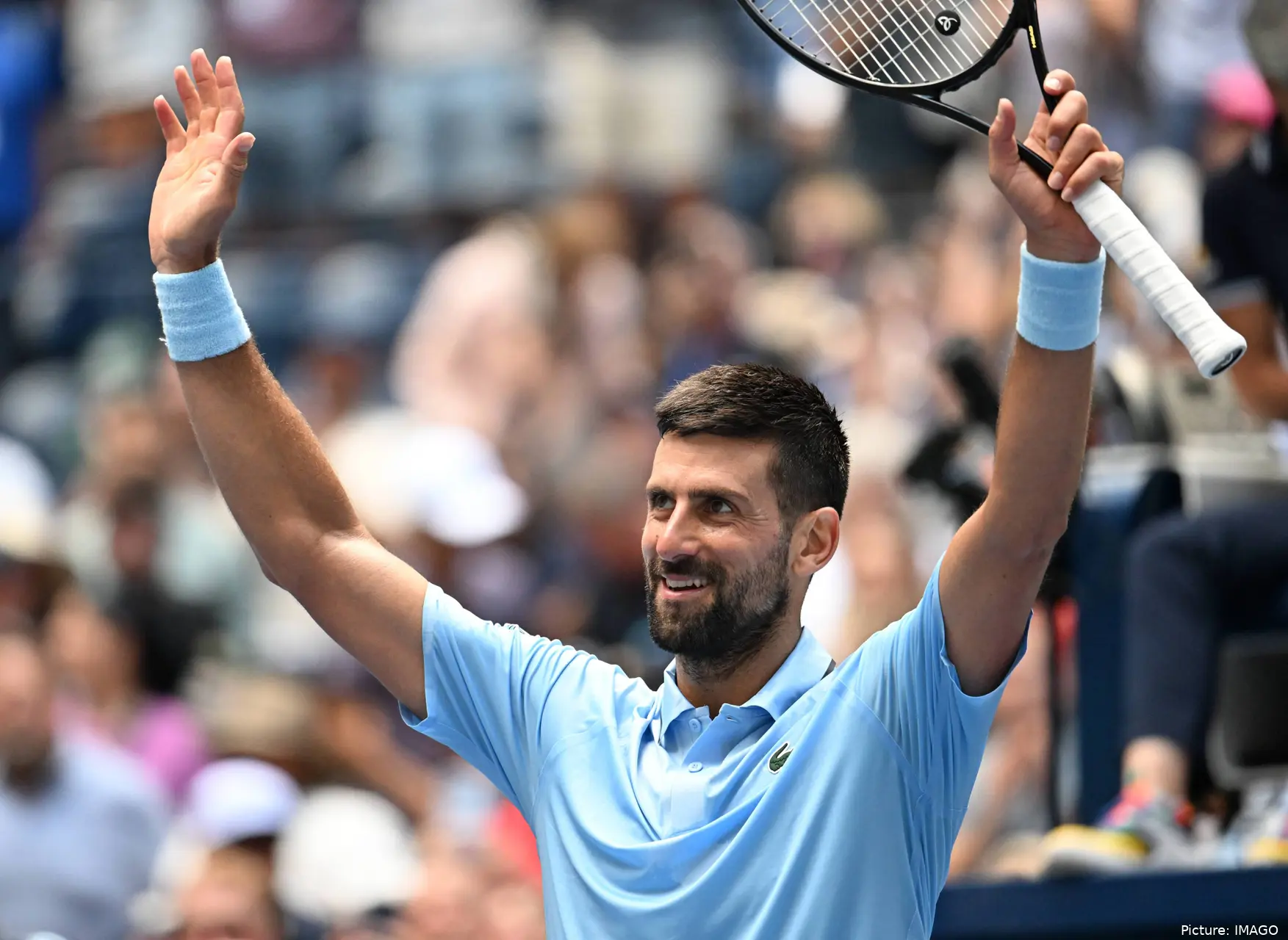
Novak Djokovic has completed everything the game has to offer yet still continues with the drive and motivation only a champion would do. He racked up a 101st win in the tournament after bypassing Francesco Maestrelli in three sets.
After the win he admitted that it was not as good as performance as the one in his demolishment of Pedro Martinez, but the feeling was overwhelmingly positive.
"Actually, it’s the same scoreline, so a kind of similar feeling on the court—generally positive. I served better in the first match," he began. "It did feel like two completely different tournaments, playing at night versus during the day, particularly with the wind. I think it’s been blowing this year more than any other year I’ve played here in Australia. Obviously, you have to adjust to that and adapt to a different opponent with a big serve. Overall, it’s good. I’m pleased with the way I’m moving and hitting the ball. I’m looking forward to the next one."
Clear changes in elongated off season
After skipping the ATP Finals in Turin, Djokovic called it a day much earlier than most of his rivals. It seems that he has utilised this time well, looking to take those next steps in becoming back to his competitive best.
"I always try to work with purpose," he said. "I had a longer off-season—this one and the one before—and when I have more time, I try to look at my game and identify different elements I can really improve. Otherwise, what’s the point?
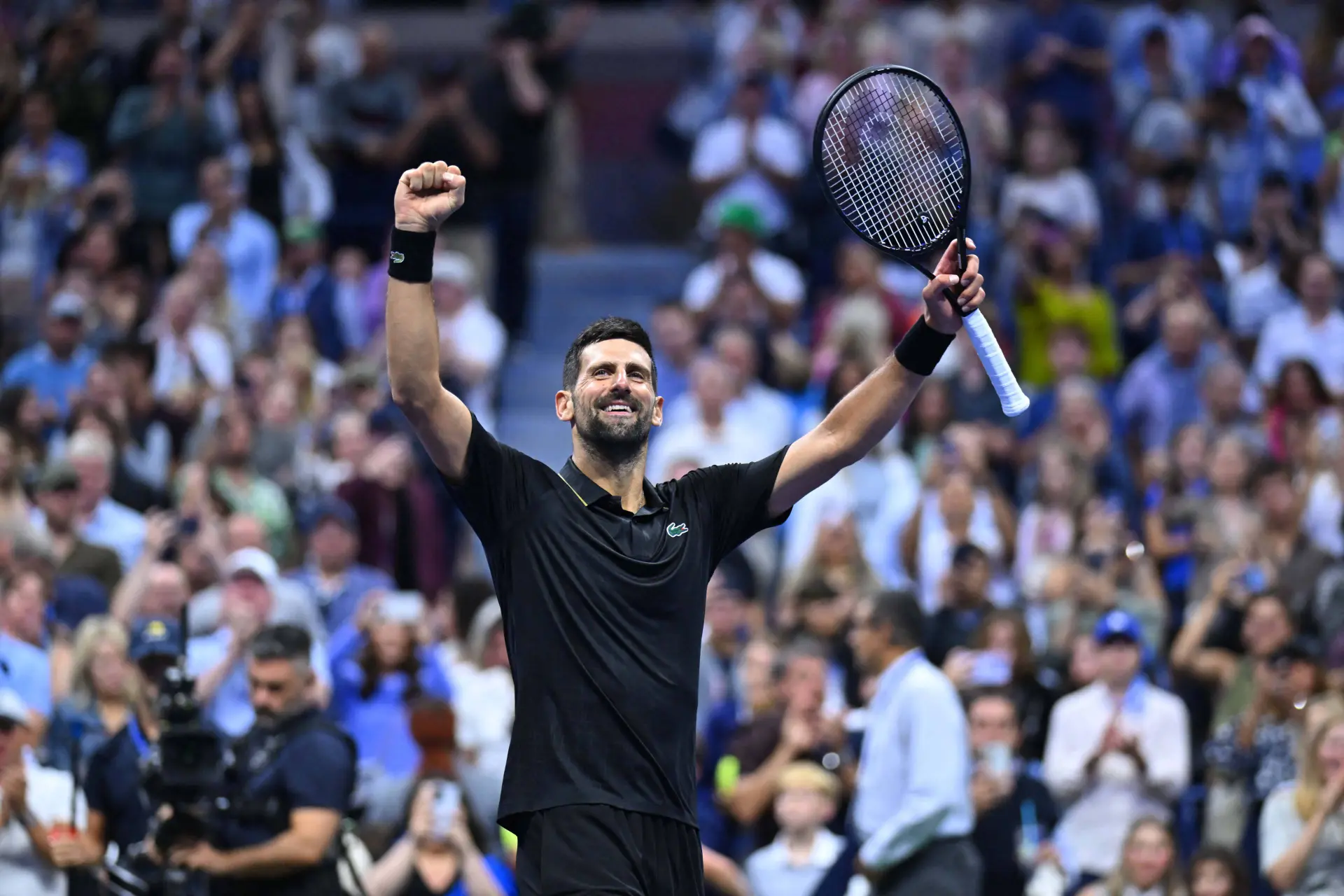
At his age, there is not much tennis left, which makes him want to get every last bit of effort out while he still can. "What’s the point of competing and coming out year after year without really trying to be better than you were the season before? That’s the mentality I try to nurture, and it’s been allowing me to still play at the highest level at this age."
So far, so good. "I’m glad it’s paying off, the work I’ve done in the off-season. But it’s just the beginning of the tournament," he openly acknowledged. "I haven’t played any lead-up events, so I’m really happy with how I’m playing considering the lack of competitive matches for more than two months. So far, it’s been all positive signs, but I obviously have to keep it up."
No qualms with players owning YouTube channels
As the years go by, there are becoming more content creators from the sporting world, and that includes tennis, take for example Ben Shelton and his YouTube channel. For Djokovic, he sees no problem, as he pinpoints how many people watch these type of videos daily on different platforms.
"I don’t see anything wrong with that," he cleared up. "We’re living in a world today where digital media is the primary way communication and branding happen—pretty much exclusively through social media and online channels. Most of the civilized world, people who can afford to have a mobile phone with them at all times, consume information this way. That’s how you connect with people now."
Some people are happy to show more of their private lives, while some keep it under wraps. "Everyone has a different opinion on where the line is—how much you want to open the doors not just to your professional life, but your private life as well," Djokovic stated. "That’s very individual."
At the end of the day, he was not going to judge anyone from taking up this option. "I don’t judge. Everyone has their own preferences. But yes, the way to reach people today is definitely through the internet."
Why does a 24-time Grand Slam champion still need a coach
Djokovic, with his vast experience and knowledge of the sport, can have an argument to go solo if he wants to. Nevertheless, no matter how good you are there is always benefit in having a supportive team around you.
"I think you always need at least one pair of eyes on the side of the court—if not two or three—people who know tennis, who have different expertise and different perspectives on your game and your opponent’s game," Djokovic said.
He went on to explain how much coaches help players in the sport, from the obvious things to behind the scenes. "Coaching contributes not only to technical observation—movement, biomechanics, execution—but also to how you feel and how you manage your emotions day to day. It’s more than just shot-making. You’re an individual athlete. There’s no substitution. Nobody can replace you if you’re having a bad day. You still have to find a way."
For the Serbian, they are very usefuul company. "The coaching team, physio team, and fitness team are there to provide support, help you excel, and find solutions—especially during matches when you’re overwhelmed and can’t always think clearly. That guidance can be very helpful."
Overcrowding at Melbourne Park and Eala Mania
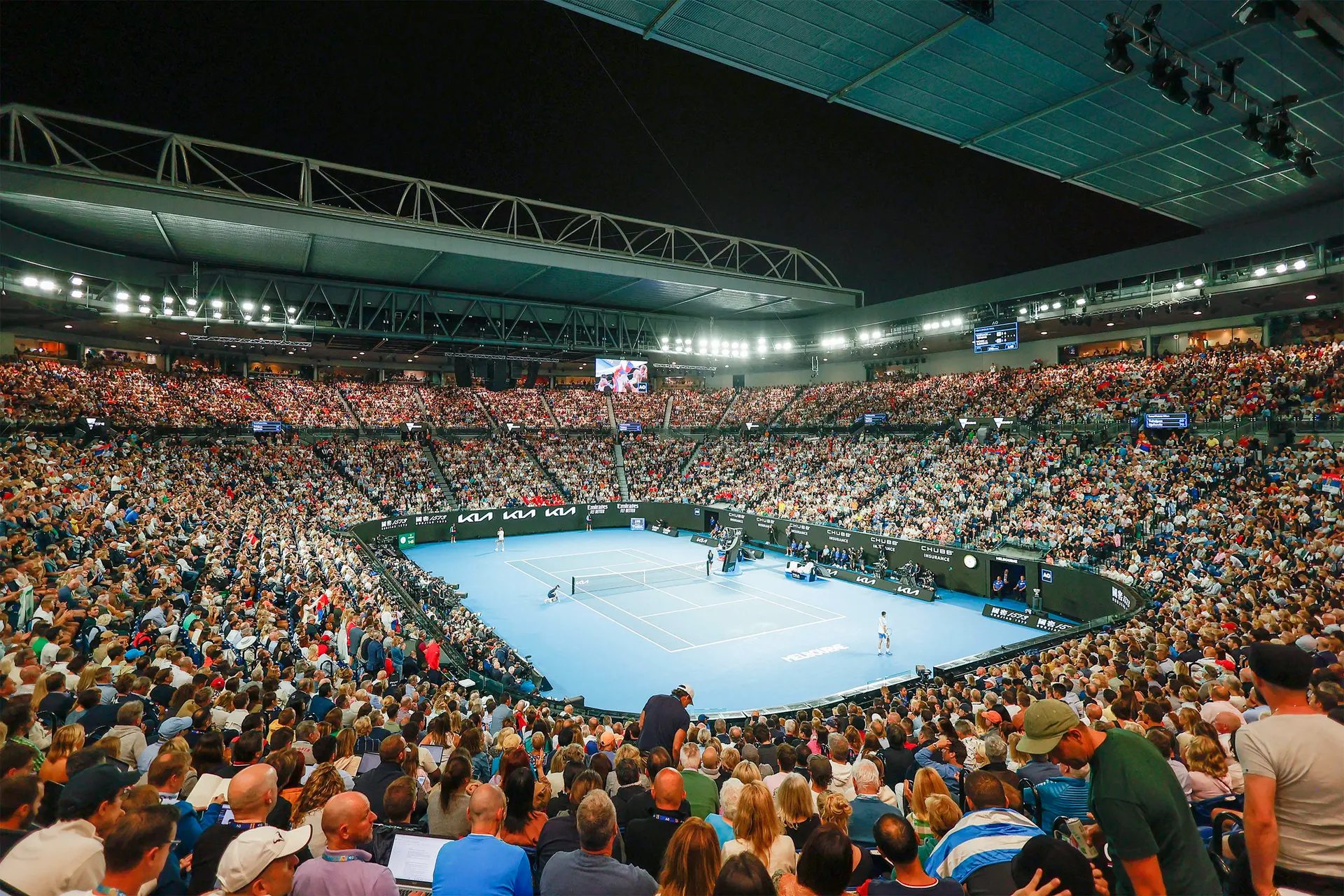
There has been a problem at Melbourne Park which involves too many people coming to this year's event, with the concern of overcrowding. In Djokovic's eyes, this is a fabulous headache to have.
"Having too much crowd at a tennis tournament is a very good problem to have," he pronouned. "There are much worse problems. Every tournament wants record-breaking attendance and ticket sales, and that’s what I’ve been hearing for most slams and tournaments in recent years. It’s a good sign. We want more attention, more people watching tennis live, following it, livestreaming it."
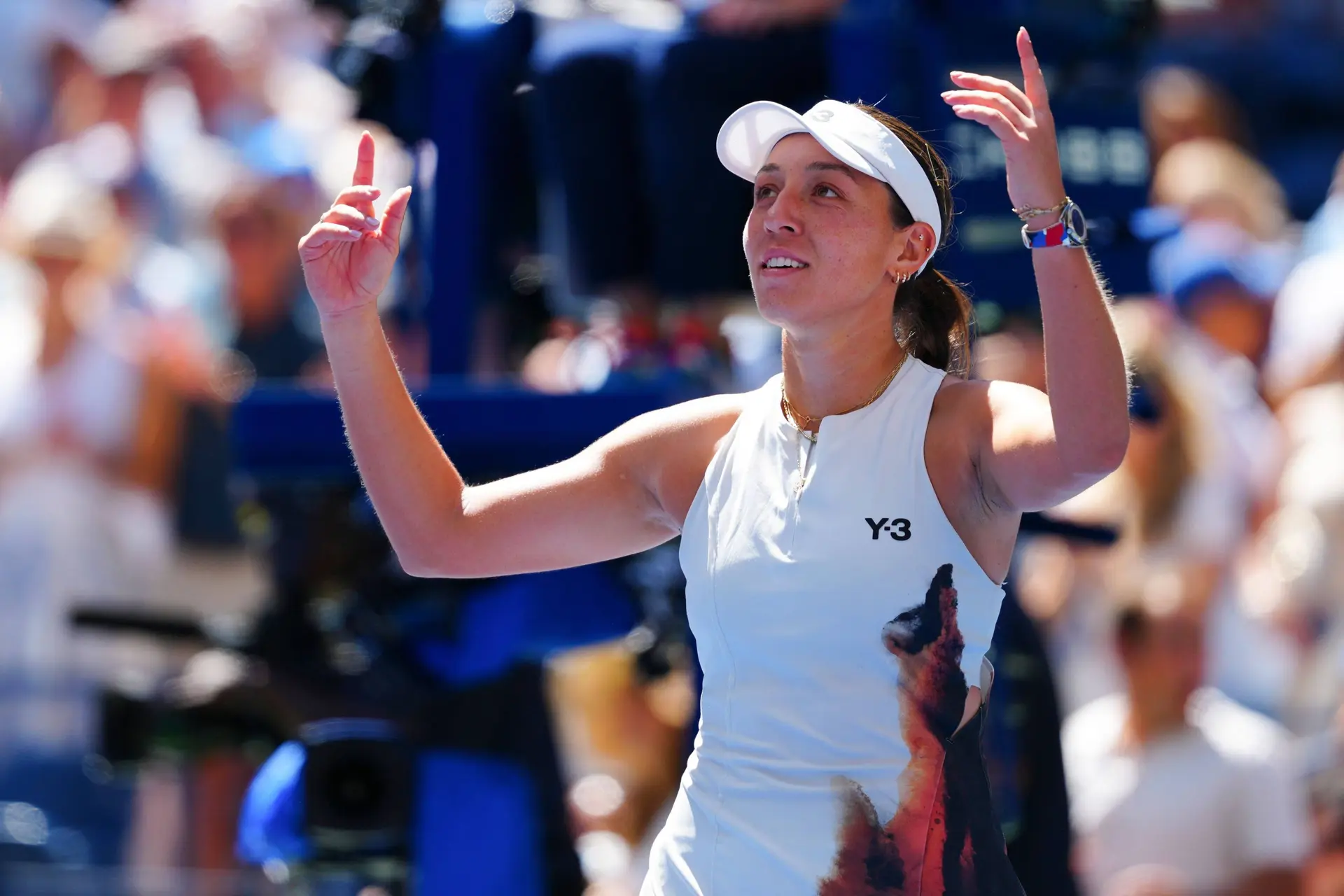
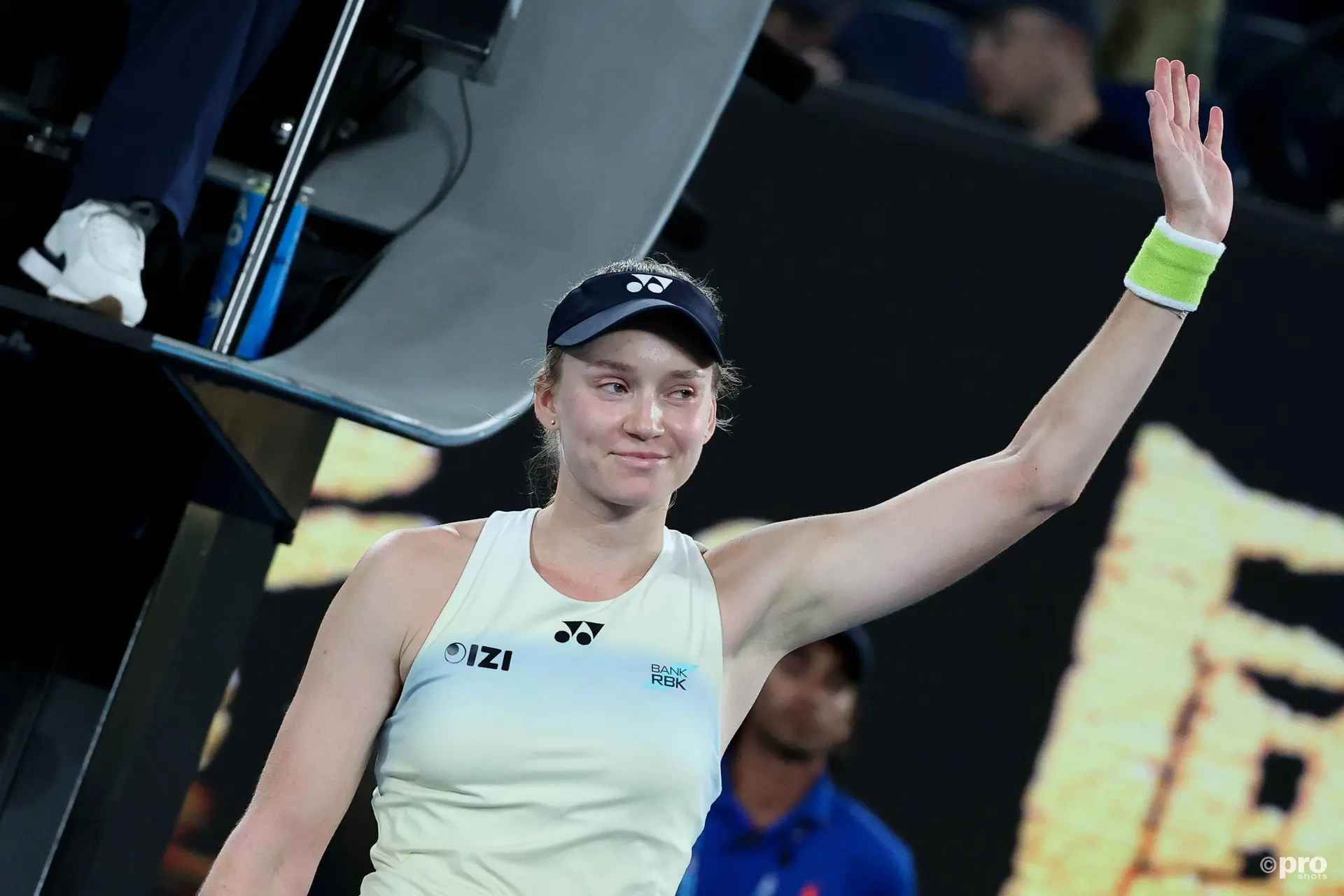
A lot of the crowd talk has been discussed around the vastly popular Alexandra Eala. While well-liked around the world, the support she gets from her home country of the Philippines is huge, with her being a trailblazer for the sport in her country.
Djokovic is full on board with this. "That’s understandable. You have players coming from certain countries—Alexandra Eala from the Philippines, for example—where she’s the biggest tennis player that country has ever had," he said. "It’s a big country and there’s a lot of interest."
He even questions whether she should have been put on a bigger court. "You could argue it was a scheduling issue and maybe she could have been put on a bigger court, but she’s very young and just coming through. In the first rounds, the schedule is packed with big names on the main courts. It’s not easy to manage."
He echoes his quotes beforehand. "But again, it’s a good problem to have. Imagine the opposite—empty stands and no interest. That would be a much bigger issue. This is great."
Lucas MichaelTennis Journalist
Lucas Michael is a tennis journalist based in Cambridge, UK, specializing in comprehensive coverage of the ATP and WTA tours. For the past 1.5 years, he has been a core contributor to TennisUpToDate, where he has authored more than 3,000 data-driven match reports, deep-dive analysis pieces, and engaging liveblogs.
Lucas pairs real-time statistical analysis with on-the-ground reporting, frequently traveling to tournaments to cover the action firsthand from the press box and player press conferences. This blend of advanced metrics and direct access allows him to provide sharp context regarding player form, tactical trends, and breaking tour developments.
He holds a BA (Hons) in Sports Journalism. Grounded in core journalistic ethics, Lucas places a strict emphasis on meticulous sourcing, editorial accuracy, and a commitment to updating live content swiftly as verified information emerges.
claps 1visitors 1
Just In

Popular News
Latest Comments
- A healthy Qinwen may be hard to stop next season. She was already scaring her opponents before her medical leave(s). Unfortunately, Zheng insisted on singing again. On the positive side -- Mirra did not sing!! ;~}
 mandoist11-10-2026
 - Where is it written that athletes, entertainers... People in general... are mandated to keep looking at -- or even using [anti]Social Media? Public & private figures consistently complain and reveal their concerns about negativity and violence thrown at them -- yet they insist on participating. Avoid it, don't use it, don't read it. It's okay to occasionally look up at the World instead beating your eyes & thumbs to death on The Inventions out there.mandoist11-10-2026
- great articlestennisseserver07-10-2026
- Medvedev was leading Djokovic 7-5, 3-5 when an attempted return..' NO you ignorants, Djokovic was leading .weiss05-10-2026
- No more bullshit "Wildcards" to these two. Qualify like everyone else -- there will be cameras there, too. Time to scream... WTF ????!!!!mandoist29-09-2026
- Let's not BS the general public -- Sabalenka started showing cracks in her game last season. Her losses and near-losses started at about the same time she began being distracted by Fame (constant Selfies, making TV commercials, magazine shoots, endless Social Media nonsense, etc., etc.) One would think even Saba could recognize the parallels with others who failed before her -- Raducanu, Giorgi, Bouchard to name a few.mandoist25-09-2026
- Gross!! Hey Raducanu, Giorgi, and Bouchard -- reserve a seat at your Social Media Selfie table for Saba + Naomi. They're heading in your direction soon enough.mandoist24-09-2026
- And then these same players will complain about how lengthy their season’s were and need more time-off. I’m all for more tennis but the amount of tennis we get now is actually kind of crazy! We all need a break, especially the players.DaveyWavey23-09-2026
- You should do a comparison article for "different kinds of justice" the courts decide for tennis players. I can think of at least three players who received very small bans of a few months, however Tara Moore has been fighting for her literal survival the past few years. It seems odd considering she is not a "name" player, unlike the other cases.DaveyWavey22-09-2026
- PRIZE MONEY & POINTS Winner - $185,500 Finalist - $114,500 Semi-Finalist - $66,003 Quarter-Finalist - $35,000 Round of 16 - $18,045 Round of 32 - $13,005 Winner - 500 Finalist - 325 Semi-Finalist - 195 Quarter-Finalist - 108 Round of 16 - 60 Round of 32 - 1DaveyWavey20-09-2026

Loading