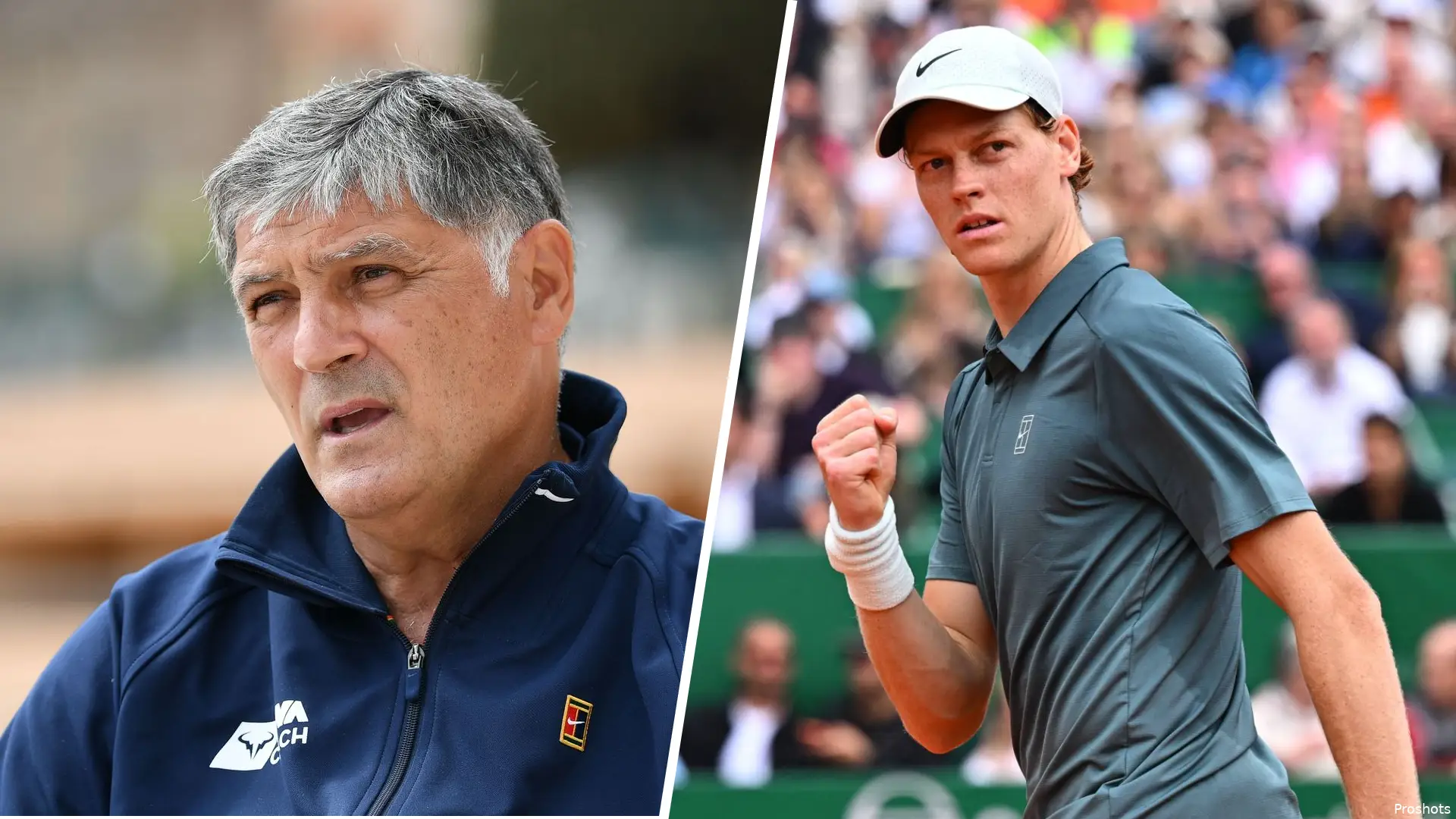
Toni Nadal believes Jannik Sinner is too strong not to return to the top after his latest injury setback, drawing on Rafael Nadal’s own experience to explain why the Italian should not rush his comeback. Speaking to La Gazzetta dello Sport, Rafa’s uncle and former coach offered Sinner a reassuring perspective after the world No. 1 ended his 2026 season early.
Sinner will not play again in 2026 after deciding to focus on recovering from the knee injury that has kept him off the court since his Wimbledon victory. The Italian has missed the US Open, the Asian swing and will also sit out the ATP Finals in Turin, ending a season in which he remained one of the central figures at the top of the game.
The decision leaves Sinner with several months away from competition and the challenge of rebuilding his physical condition before returning in 2027. His priority is now to recover fully rather than set a specific comeback date, with the Australian Open potentially his first target depending on how his body responds.
That is a situation Toni knows particularly well. Rafael Nadal's career was repeatedly interrupted by injuries, including a serious knee problem in 2012 that kept him out for months. Yet the Spaniard returned strongly enough to finish the following season as world No. 1, providing Toni with a real example of how a lengthy absence can be overcome.
Rafa’s comeback offers Sinner a blueprint
Toni's most striking comparison came from Rafael Nadal's knee problems in 2012. The Spaniard was forced to abandon plans to return at the end-of-year Masters in London, then missed Doha and ultimately the 2013 Australian Open.
“Yet in 2013 he finished the year as world No. 1,” Toni recalled to La Gazzetta dello Sport. Nadal initially struggled after returning, but found his level quickly at Acapulco before going on to win Indian Wells. For Toni, that period showed how dramatically a player's trajectory can change once the body is ready to compete again.
The lesson for Sinner is therefore less about returning quickly and more about allowing the recovery to run its course. Toni said the Italian should come back only when he is completely recovered and believes his age gives him plenty of time to manage the interruption without compromising the next stage of his career.
“From the experience I have in these situations, you have to take things calmly. He is still a very young tennis player, he has many years of his career ahead of him, and he should only return when he is completely recovered," Toni Nadal said. "If he goes through this period with a positive attitude, in the end he will return to the same path he was on before he stopped competing."
"He (Sinner) finished by winning Wimbledon, which is always a great achievement. He has to continue doing what he was doing.”

Toni also compared Sinner's situation with Carlos Alcaraz, who was out for almost five months with a wrist injury before returning and eventually winning Tokyo. In his view, Sinner has enough time to recover and the quality to return to the level he showed before the injury.
“Exactly like Alcaraz. When Carlos had his problem in Barcelona, he knew how to wait patiently. At the first tournament after his return, the US Open, he came close to having a great result, and then now he has won Tokyo. I believe the same thing will happen to Sinner. He is too strong not to return to the same path.”
The biggest challenge, Toni believes, may be watching from the sidelines while Sinner's main rivals continue competing. The Italian can do little as Alcaraz, Alexander Zverev and others finish the season, but Toni expects that perspective to change once the schedule resets and Sinner can return to normal training.
Toni Nadal questions the demands of modern tennis
Toni's comments went beyond Sinner's individual recovery and into a broader criticism of the modern game. He argued that players should not routinely be suffering significant injuries simply from competing, particularly given the physical demands created by faster courts and increasingly powerful balls.
“The problem with tennis today is that injuries are killing players. We have also seen Carlos Alcaraz: he was out for almost five months with his wrist.”
He believes hard courts and ball speed have increased the cumulative impact on players' bodies, particularly through the repeated braking and sudden movements required at the highest level. Toni also singled out Sinner's playing style, noting how low he stays to the ground and how much he bends his legs during points.
“Hard courts and the speed of the ball mean that players get injured much more, because the impact on the body is continuous," Uncle Toni added. "Sinner is a player who stays very low on his legs and bends them a lot. When you run that much, every time you brake there is a continuous impact that eventually wears you down.”
Read also
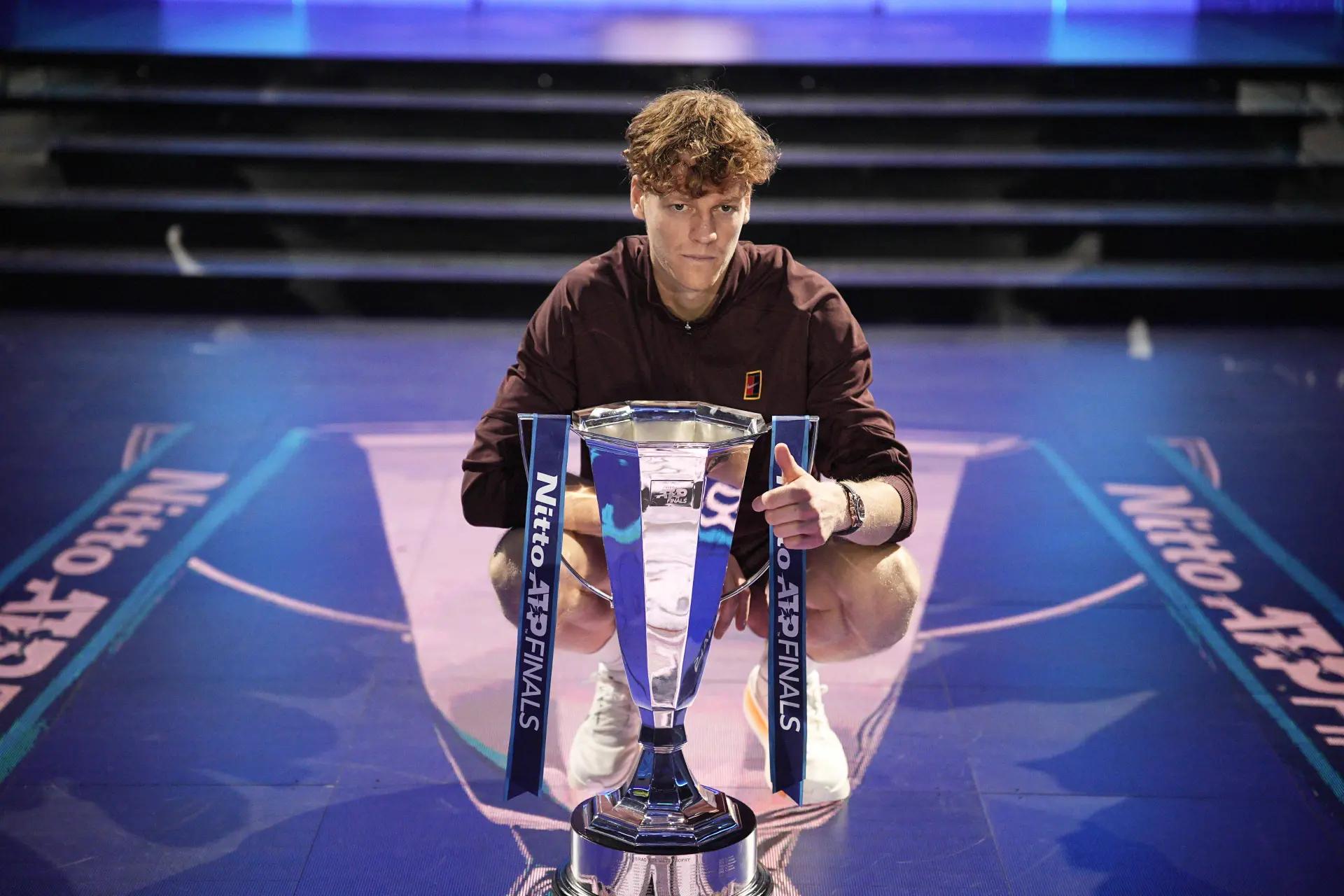
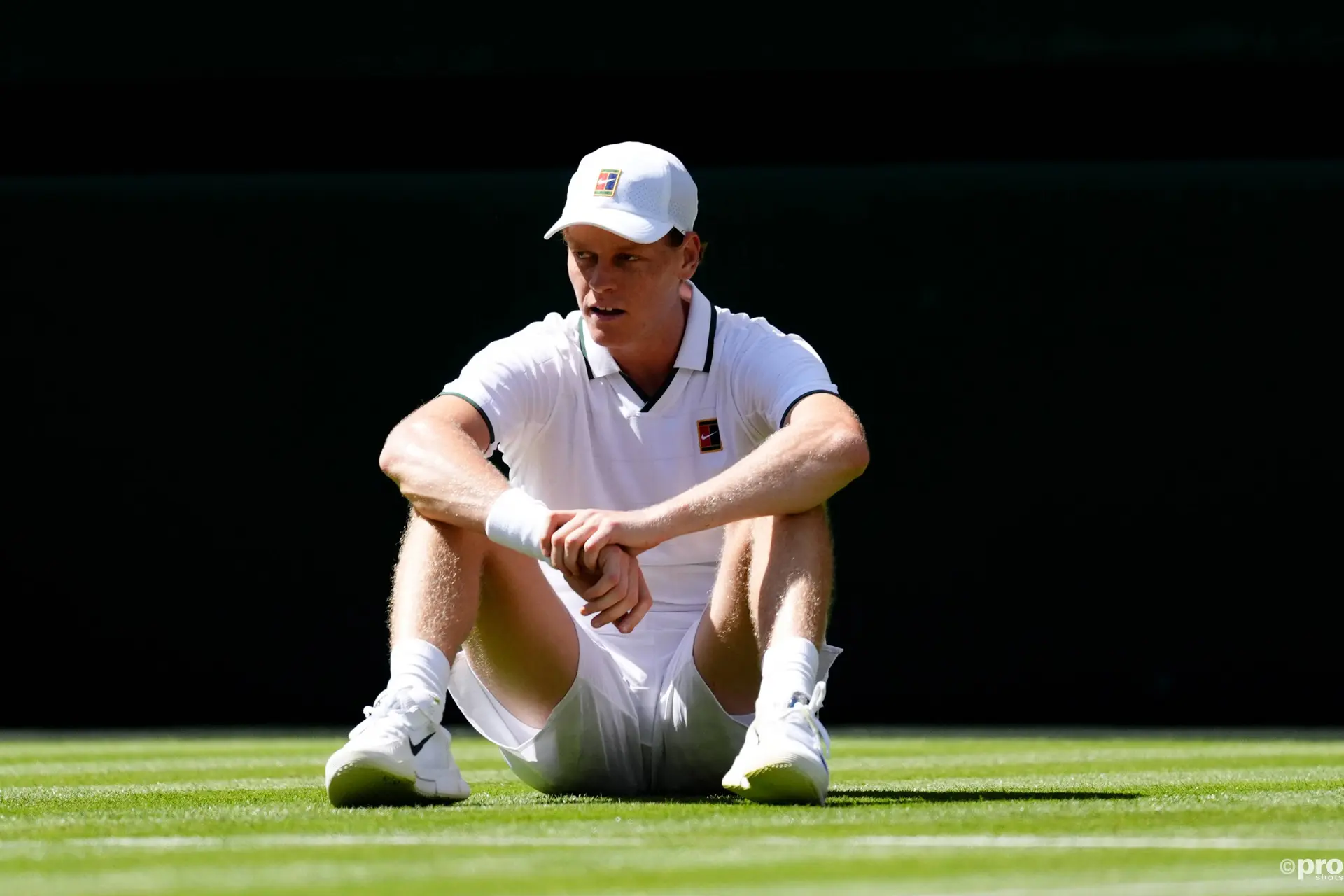
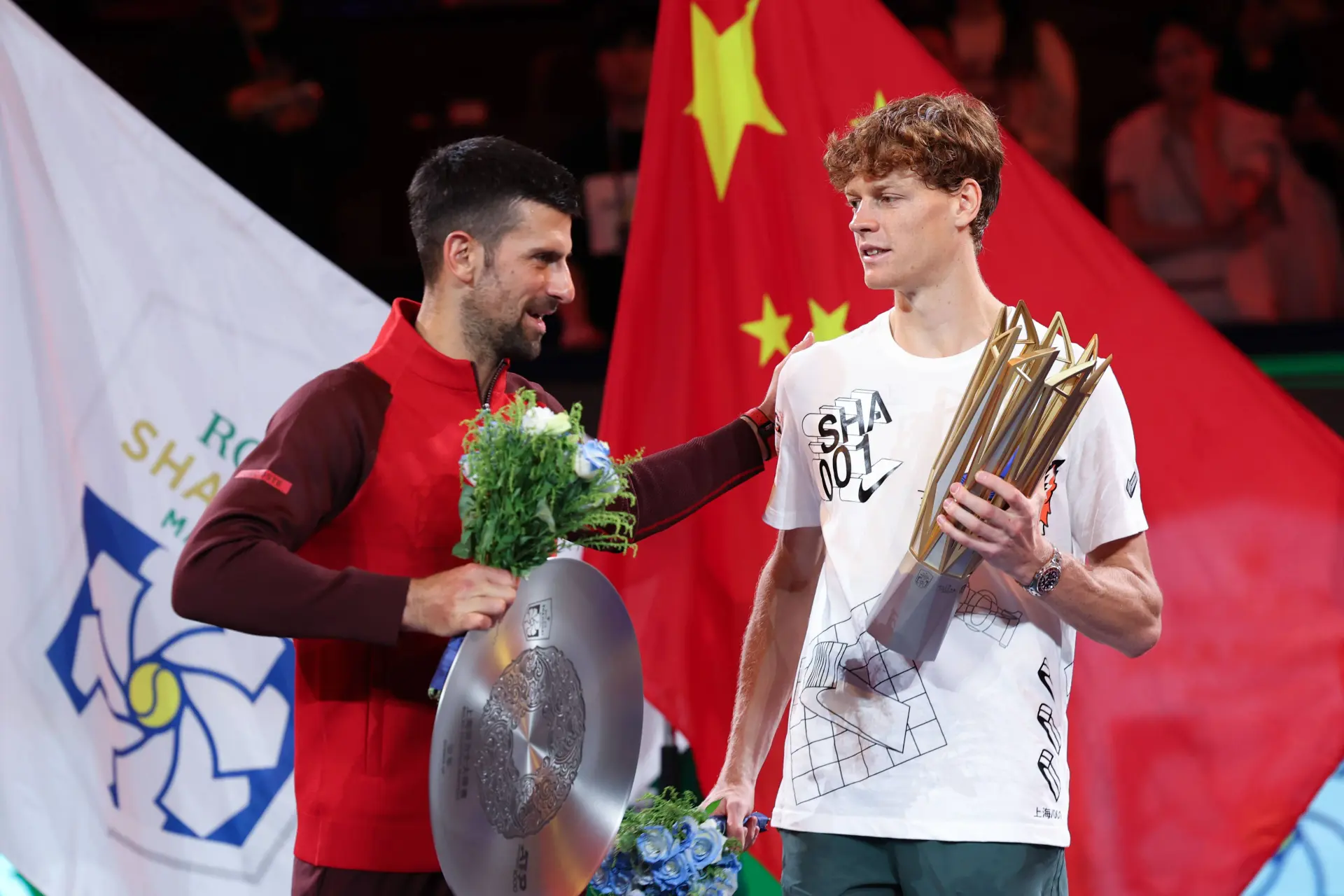
His proposed solution is deliberately radical. Toni suggested that tennis should consider slowing the game down through equipment changes, including smaller rackets that would make it harder for players to generate the same level of pace. “I say it is time to slow things down, perhaps by using smaller rackets that prevent players from hitting the ball so hard.”
For Sinner, however, the immediate objective is much simpler. His 2026 season is finished and the priority is to return only when his body is ready.

Cristhián AvilaTennis Journalist
Cristhián Ávila is a tennis journalist based in Santiago, Chile, and has been part of the TennisUpToDate team since early 2023. He covers the ATP and WTA Tours as well as all four Grand Slams, producing breaking news, match reports, analysis, and regular liveblogs from major tournaments.
His reporting combines statistical analysis with clear explanation, helping readers understand tactical developments, player form, and broader storylines across the tour. Working fluently in both Spanish and English, Cristhián collaborates with an international editorial team and contributes to comprehensive global coverage. As part of his work, he has conducted interviews and media interactions with leading figures in the sport, including Caroline Wozniacki and John McEnroe.
In his journalism, Cristhián places strong emphasis on careful sourcing, editorial accuracy, and updating articles promptly when new, verified information becomes available. His coverage is grounded in research, context, and direct engagement with professional tennis.
claps 0visitors 0
Just In

Popular News
Latest Comments
- great articlestennisseserver07-10-2026
- Medvedev was leading Djokovic 7-5, 3-5 when an attempted return..' NO you ignorants, Djokovic was leading .weiss05-10-2026
- No more bullshit "Wildcards" to these two. Qualify like everyone else -- there will be cameras there, too. Time to scream... WTF ????!!!!
 mandoist29-09-2026
 - Let's not BS the general public -- Sabalenka started showing cracks in her game last season. Her losses and near-losses started at about the same time she began being distracted by Fame (constant Selfies, making TV commercials, magazine shoots, endless Social Media nonsense, etc., etc.) One would think even Saba could recognize the parallels with others who failed before her -- Raducanu, Giorgi, Bouchard to name a few.mandoist25-09-2026
- Gross!! Hey Raducanu, Giorgi, and Bouchard -- reserve a seat at your Social Media Selfie table for Saba + Naomi. They're heading in your direction soon enough.mandoist24-09-2026
- And then these same players will complain about how lengthy their season’s were and need more time-off. I’m all for more tennis but the amount of tennis we get now is actually kind of crazy! We all need a break, especially the players.DaveyWavey23-09-2026
- You should do a comparison article for "different kinds of justice" the courts decide for tennis players. I can think of at least three players who received very small bans of a few months, however Tara Moore has been fighting for her literal survival the past few years. It seems odd considering she is not a "name" player, unlike the other cases.DaveyWavey22-09-2026
- PRIZE MONEY & POINTS Winner - $185,500 Finalist - $114,500 Semi-Finalist - $66,003 Quarter-Finalist - $35,000 Round of 16 - $18,045 Round of 32 - $13,005 Winner - 500 Finalist - 325 Semi-Finalist - 195 Quarter-Finalist - 108 Round of 16 - 60 Round of 32 - 1DaveyWavey20-09-2026
- Pegula withdrew from this Singapore event
 tennishappens19-09-2026
 - Serena Williams chose her tournaments. It's not such a bad idea.MuswellHillbilly17-09-2026

Loading