“He made sure even lower-ranked players can make a living”: Federico Coria credits Djokovic for better prize money distribution
ATP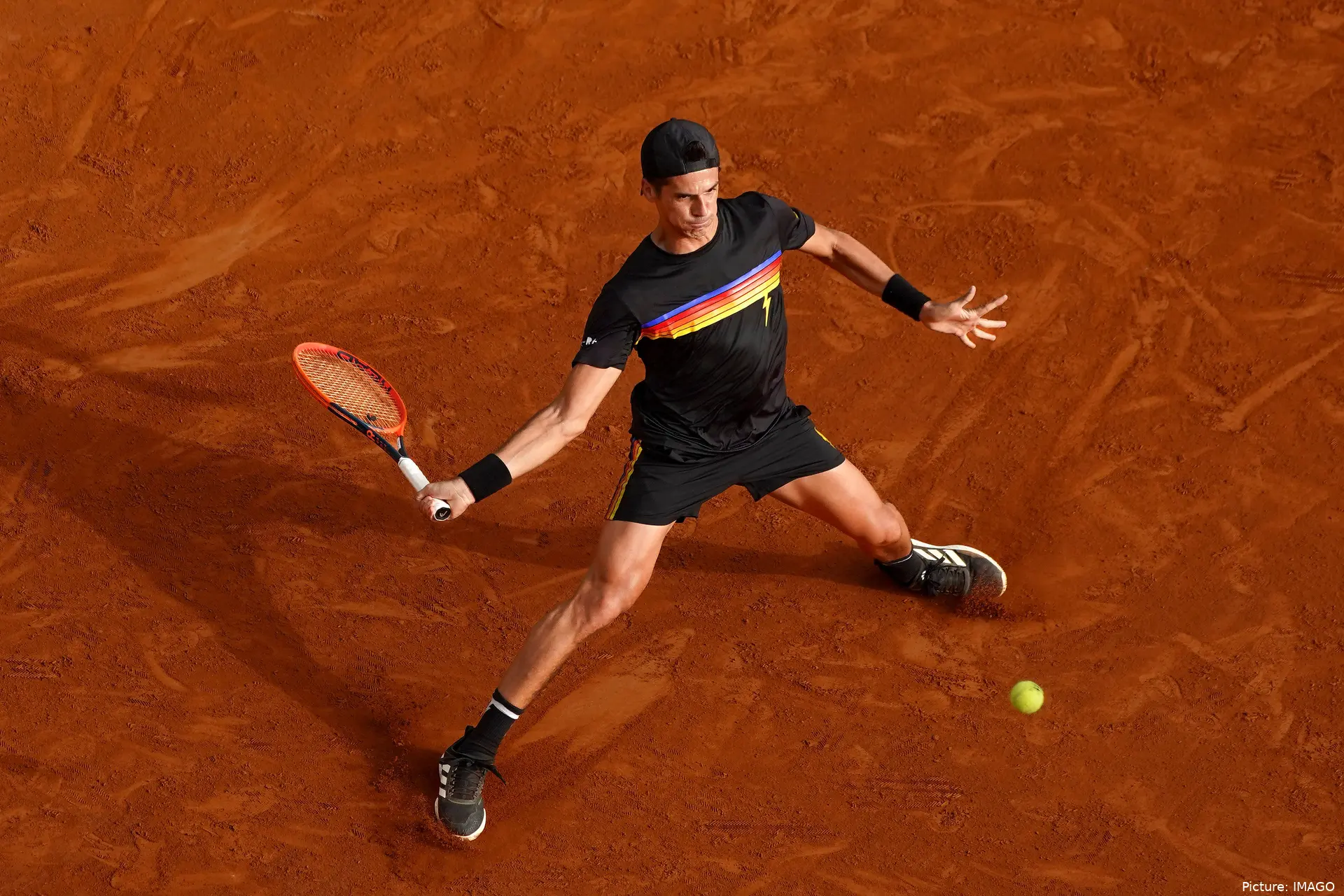
Federico Coria spoke bluntly about the economic reality of the ATP circuit and highlighted the impact of Novak Djokovic beyond titles. In a recent chat, the Argentine emphasized the key role that the 24‑time Grand Slam champion has had in the fight for the economic rights of players, especially for those who do not permanently inhabit the top of the rankings.
The Argentine tennis player finished five consecutive seasons inside the top 100, although he maintained most of his career playing Challenger tournaments and without making big campaigns in major events. Without the renown of other players, Coria managed to reach a career‑high of World No. 49 in 2023 and to contest two ATP 250 finals. In addition, he is champion of six Challenger titles.
In a recent interview, the younger brother of Guillermo Coria (a former World No. 3) referred to how long a player needs to secure their financial future and emphasized the Serb’s role in the fight for players’ rights and better incomes.
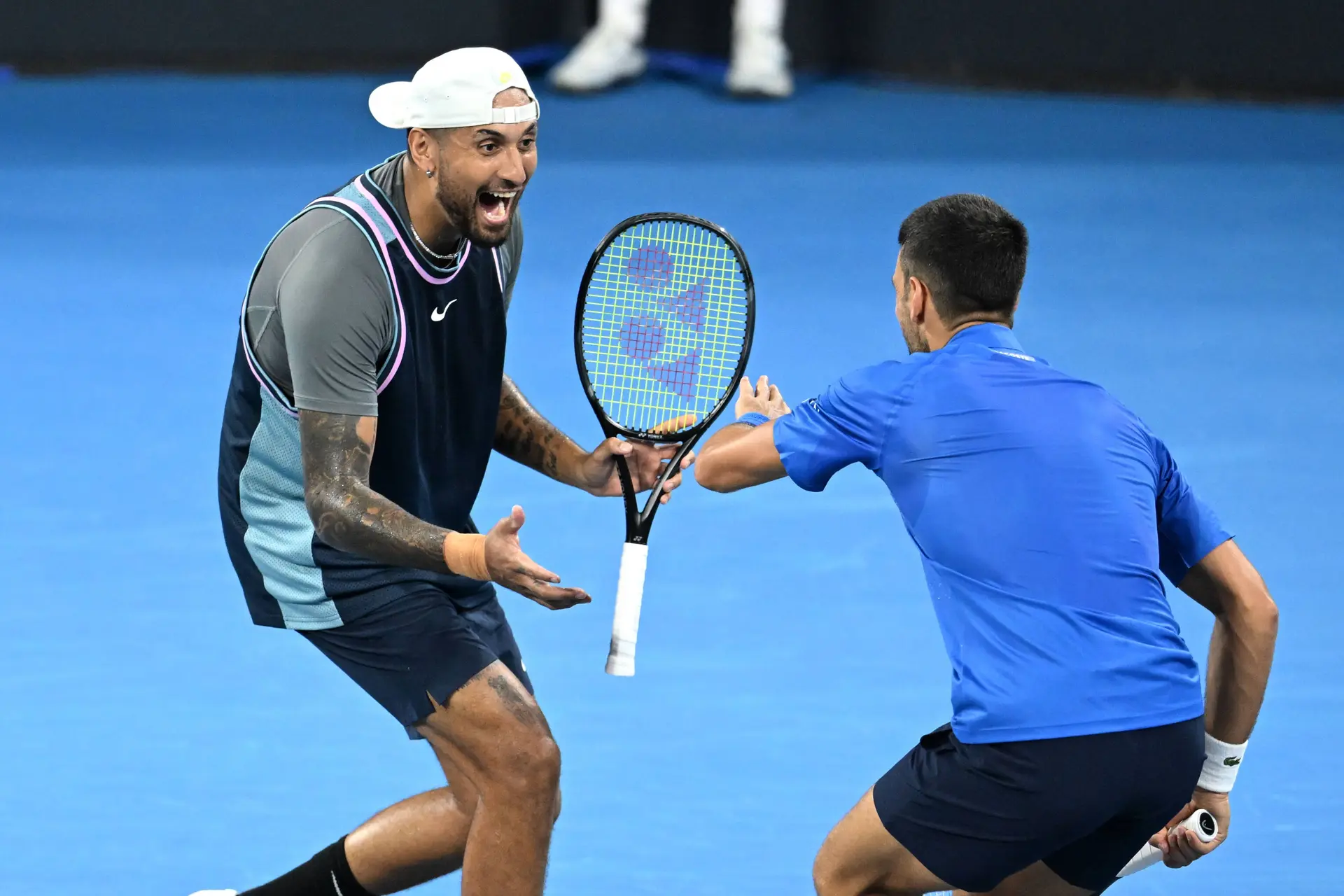
Who is Federico Coria and his link with Djokovic
Federico Coria is one of the most consistent Argentine players of recent years on the ATP Tour, with several seasons competing in ATP and Challenger tournaments, regularly moving around the top 100. Coria achieved up to 18 main draw appearances in Grand Slams, securing a total of 5 wins, including a run to the third round of Roland Garros 2020 – where he was defeated by Jannik Sinner.
A widely debated topic is the distribution of prize money among players outside the top 10, and the Argentine explained in a recent appearance on the Laca Stream podcast about “how many years a player must remain inside the top 100 to live with peace of mind,” to which the Argentine said: “Four or five years in the top 100.”
The South American acknowledged the importance of Novak Djokovic so that players who are not leading the most important tournaments can also make a living from professional tennis. “When I read some criticism, I go crazy, because the guy, fighting to be the greatest of all time, also fought for the rights of the players and so that more and more people earn more money,” he stated.
Coria also revealed that many of those discussions took place away from the public eye. “We had a group of players sending huge chats and arguing so that we earn more cash,” he explained, referring especially to the distribution of prize money. “What a Grand Slam generates is that players are paid 17%. It is the sport that distributes the least to the players,” he upheld, clarifying that this percentage is shared among “men, women, doubles, all disciplines.”
Read also
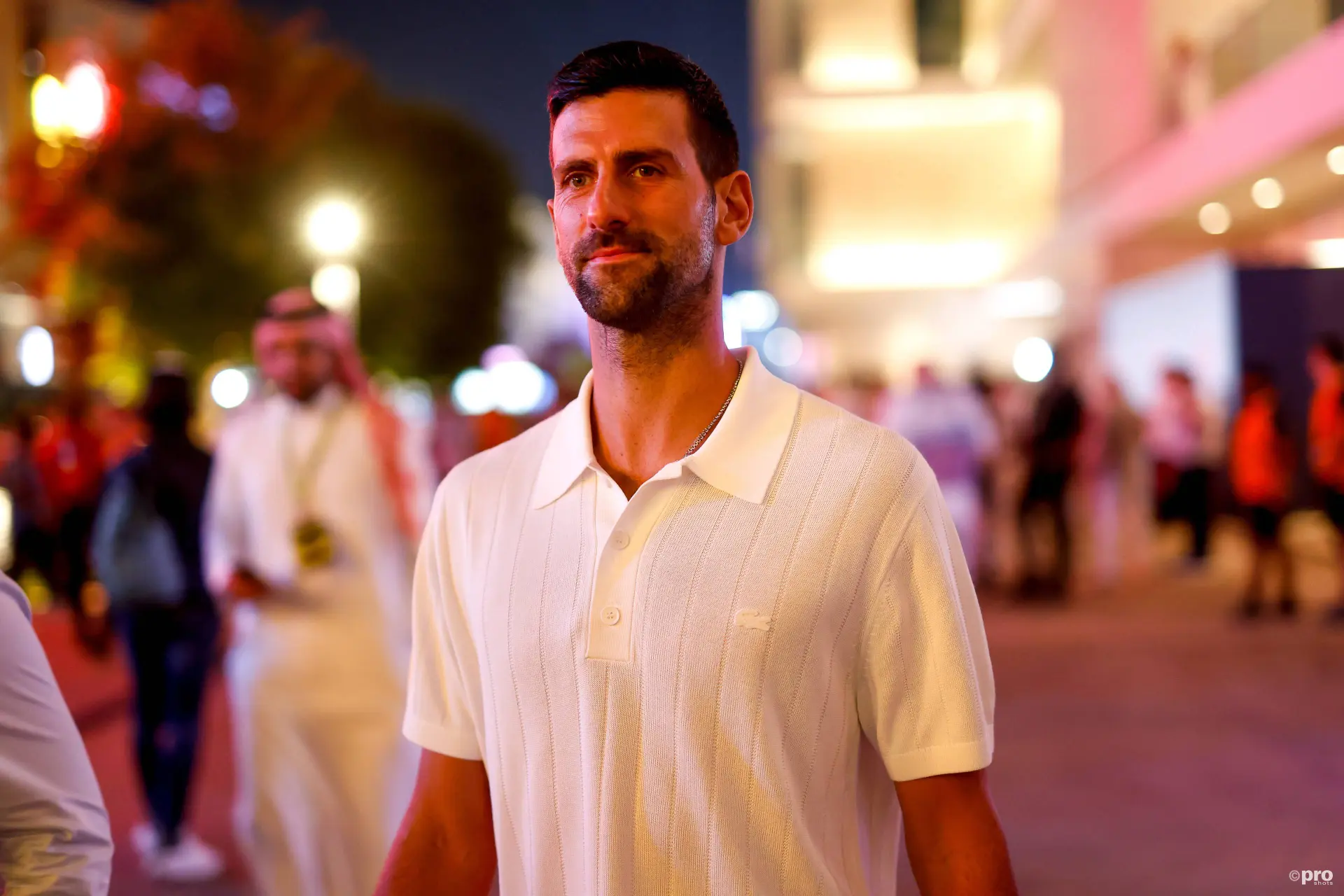
Djokovic, the PTPA, and the Fight for Players’ rights
In that context, Coria highlighted Djokovic’s constant stance. “He was always there, at the forefront,” he noted, before referring to the PTPA, the association promoted by the Serb as an alternative to the ATP. “He wanted to create something apart from the ATP, an association that fights for the rights of the players.”
Although Djokovic has recently stepped away from the PTPA, Coria believes that his influence was decisive: “Even with his pressure he made things improve a lot more. For me, thanks to his pressure,” he concluded.
Djokovic’s statement on leaving the PTPA
In the days leading up to the Australian Open, Djokovic released a statement on social media in which he announced his departure from the Professional Tennis Players Association (PTPA), the organization he had co‑founded years earlier alongside Vasek Pospisil with the goal of offering independent representation to professional players.
Djokovic explained that his departure was not related to a change in stance about the need to defend players’ rights, but rather with internal disagreements about the direction of the association. In his statement, the Serb was clear: “This decision comes after ongoing concerns regarding transparency, governance, and the way my voice and image have been represented.”
The PTPA was born as an alternative to the ATP, seeking greater equity in the distribution of earnings, more transparency, and a stronger collective voice for players, especially those outside the top 10. Although Djokovic formally stepped away from the structure, his influence was key to establishing debates that remain relevant within the circuit today.

Cristhián AvilaTennis Journalist
Cristhián Ávila is a tennis journalist based in Santiago, Chile, and has been part of the TennisUpToDate team since early 2023. He covers the ATP and WTA Tours as well as all four Grand Slams, producing breaking news, match reports, analysis, and regular liveblogs from major tournaments.
His reporting combines statistical analysis with clear explanation, helping readers understand tactical developments, player form, and broader storylines across the tour. Working fluently in both Spanish and English, Cristhián collaborates with an international editorial team and contributes to comprehensive global coverage. As part of his work, he has conducted interviews and media interactions with leading figures in the sport, including Caroline Wozniacki and John McEnroe.
In his journalism, Cristhián places strong emphasis on careful sourcing, editorial accuracy, and updating articles promptly when new, verified information becomes available. His coverage is grounded in research, context, and direct engagement with professional tennis.
claps 0visitors 0
Just In

Popular News
Latest Comments
- A healthy Qinwen may be hard to stop next season. She was already scaring her opponents before her medical leave(s). Unfortunately, Zheng insisted on singing again. On the positive side -- Mirra did not sing!! ;~}
 mandoist11-10-2026
 - Where is it written that athletes, entertainers... People in general... are mandated to keep looking at -- or even using [anti]Social Media? Public & private figures consistently complain and reveal their concerns about negativity and violence thrown at them -- yet they insist on participating. Avoid it, don't use it, don't read it. It's okay to occasionally look up at the World instead beating your eyes & thumbs to death on The Inventions out there.mandoist11-10-2026
- great articlestennisseserver07-10-2026
- Medvedev was leading Djokovic 7-5, 3-5 when an attempted return..' NO you ignorants, Djokovic was leading .weiss05-10-2026
- No more bullshit "Wildcards" to these two. Qualify like everyone else -- there will be cameras there, too. Time to scream... WTF ????!!!!mandoist29-09-2026
- Let's not BS the general public -- Sabalenka started showing cracks in her game last season. Her losses and near-losses started at about the same time she began being distracted by Fame (constant Selfies, making TV commercials, magazine shoots, endless Social Media nonsense, etc., etc.) One would think even Saba could recognize the parallels with others who failed before her -- Raducanu, Giorgi, Bouchard to name a few.mandoist25-09-2026
- Gross!! Hey Raducanu, Giorgi, and Bouchard -- reserve a seat at your Social Media Selfie table for Saba + Naomi. They're heading in your direction soon enough.mandoist24-09-2026
- And then these same players will complain about how lengthy their season’s were and need more time-off. I’m all for more tennis but the amount of tennis we get now is actually kind of crazy! We all need a break, especially the players.DaveyWavey23-09-2026
- You should do a comparison article for "different kinds of justice" the courts decide for tennis players. I can think of at least three players who received very small bans of a few months, however Tara Moore has been fighting for her literal survival the past few years. It seems odd considering she is not a "name" player, unlike the other cases.DaveyWavey22-09-2026
- PRIZE MONEY & POINTS Winner - $185,500 Finalist - $114,500 Semi-Finalist - $66,003 Quarter-Finalist - $35,000 Round of 16 - $18,045 Round of 32 - $13,005 Winner - 500 Finalist - 325 Semi-Finalist - 195 Quarter-Finalist - 108 Round of 16 - 60 Round of 32 - 1DaveyWavey20-09-2026

Loading
