“I am watching from the side”: Novak Djokovic breaks silence on tennis boycott discussion
ATPThursday, 07 May 2026 at 19:45
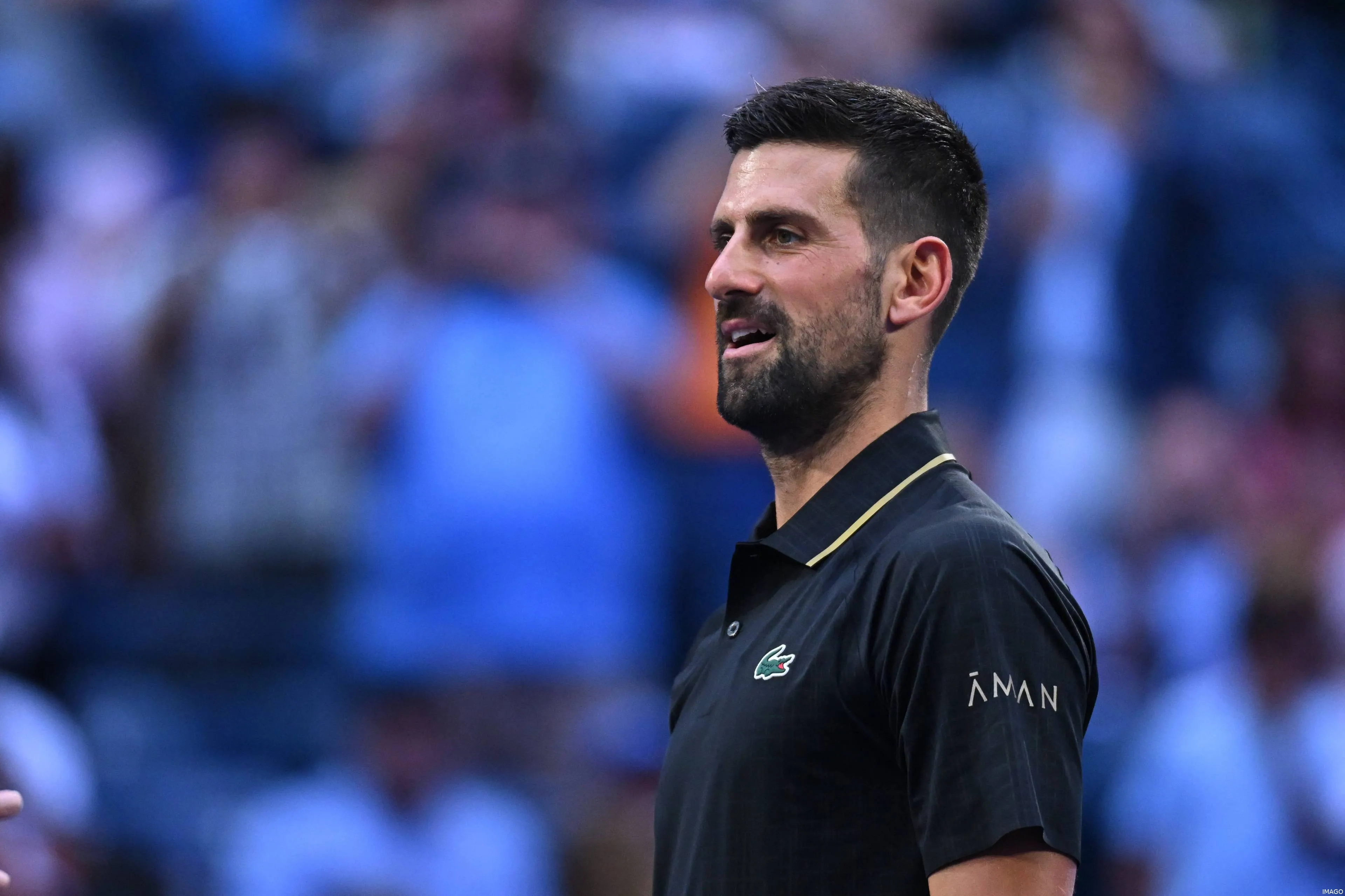
Novak Djokovic addressed the growing discussion around a potential boycott of Grand Slam tournaments for the first time in Rome, responding to questions about ongoing tensions between players, ATP/WTA leadership, and the governing bodies of tennis.
The 24-time Grand Slam champion was asked about the debate that has gained traction during the build-up to the French Open and beyond.
Djokovic, who has previously been central to disputes over prize money distribution and governance reform, positioned himself in support of player concerns but stressed he is no longer directly involved in formal discussions. The Serb was a co-founder of the Professional Tennis Players Association alongside Vasek Pospisil, created to increase player representation in tennis governance.
The former world No. 1 has been a long-standing advocate for a more balanced distribution of prize money and influence within the sport, having also served as president of the ATP Player Council earlier in his career.
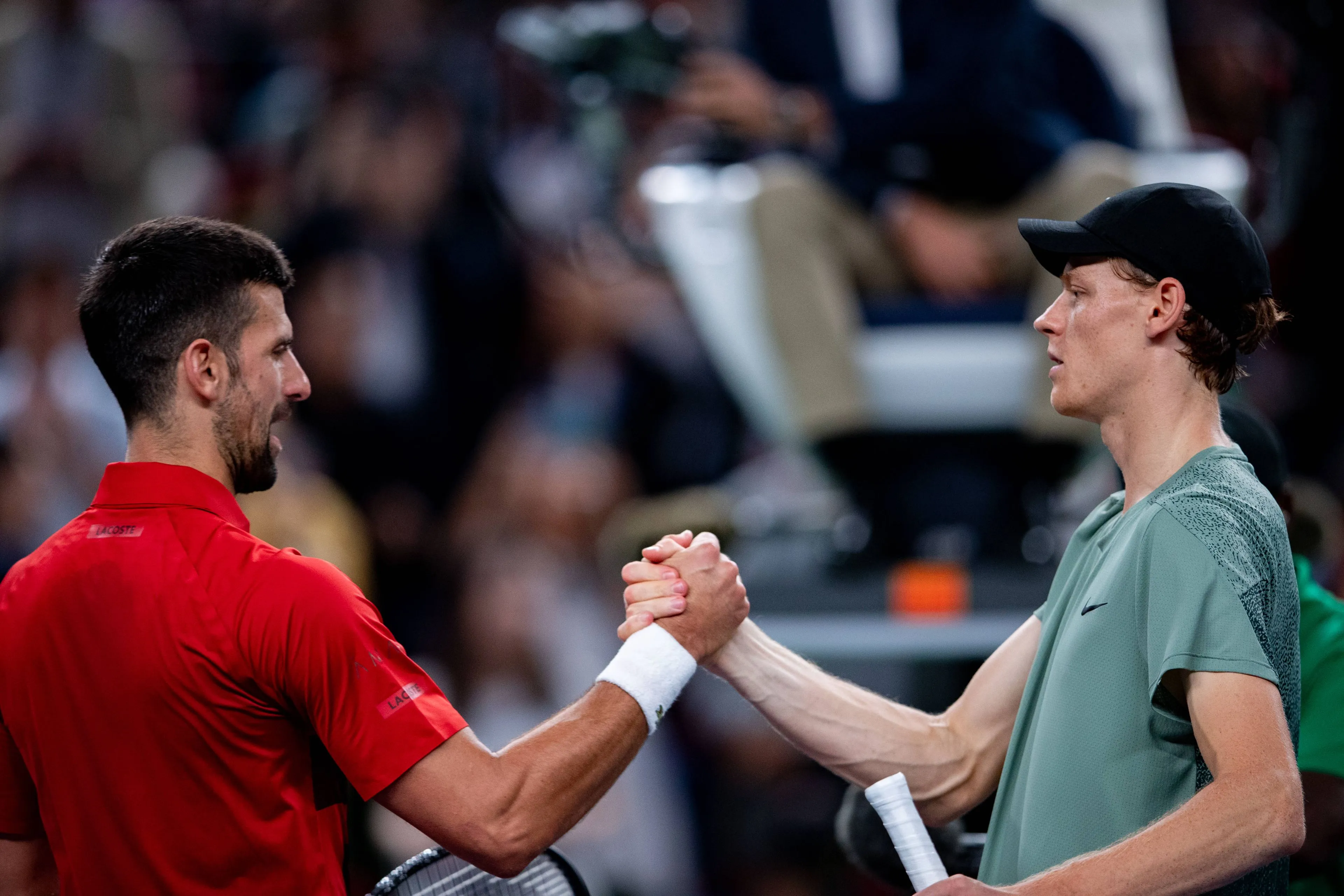
His intervention comes amid increasing public debate around prize money distribution at Grand Slams, with players across ATP and WTA circuits expressing frustration over governance structures and revenue allocation.
“Players know they’ll always have my support”: Djokovic aligns with player concerns
Djokovic made clear that his position on player representation has not changed, reiterating long-standing views about structural imbalance in tennis governance. While he avoided direct involvement in current negotiations, he emphasised continued support for players advocating for systemic change.
He referenced his previous leadership roles and long-standing involvement in attempts to reform player representation within tennis institutions, noting that his stance on prize money and governance has remained consistent over time.
“I think you’ve been around the tour long enough to I think remember the times when I was a president of the [ATP] council, when I was also forming PTPA. So you guys know my position on that. I’ve said it many times. I don’t need to talk about that too long.”

Novak Djokovic asking for more noise from the crowd at the 2025 US Open
Djokovic also expressed support for newer player leadership figures emerging within the tour, referencing the increasing visibility of top-ranked players taking active positions in governance discussions. He pointed to what he described as a broader willingness among current leaders to engage with structural issues affecting the sport.
“Players know that they’ll always have my support, and that’s all," the former world No. 1 added. "The new generations are coming up. I’m glad that there is willingness from the leaders of our sport, like Sabalenka, to really step up and really understand the dynamics of how the tennis politics works and understand the nuances and really what needs to be done not only for her benefit and well-being, but for everyone.”
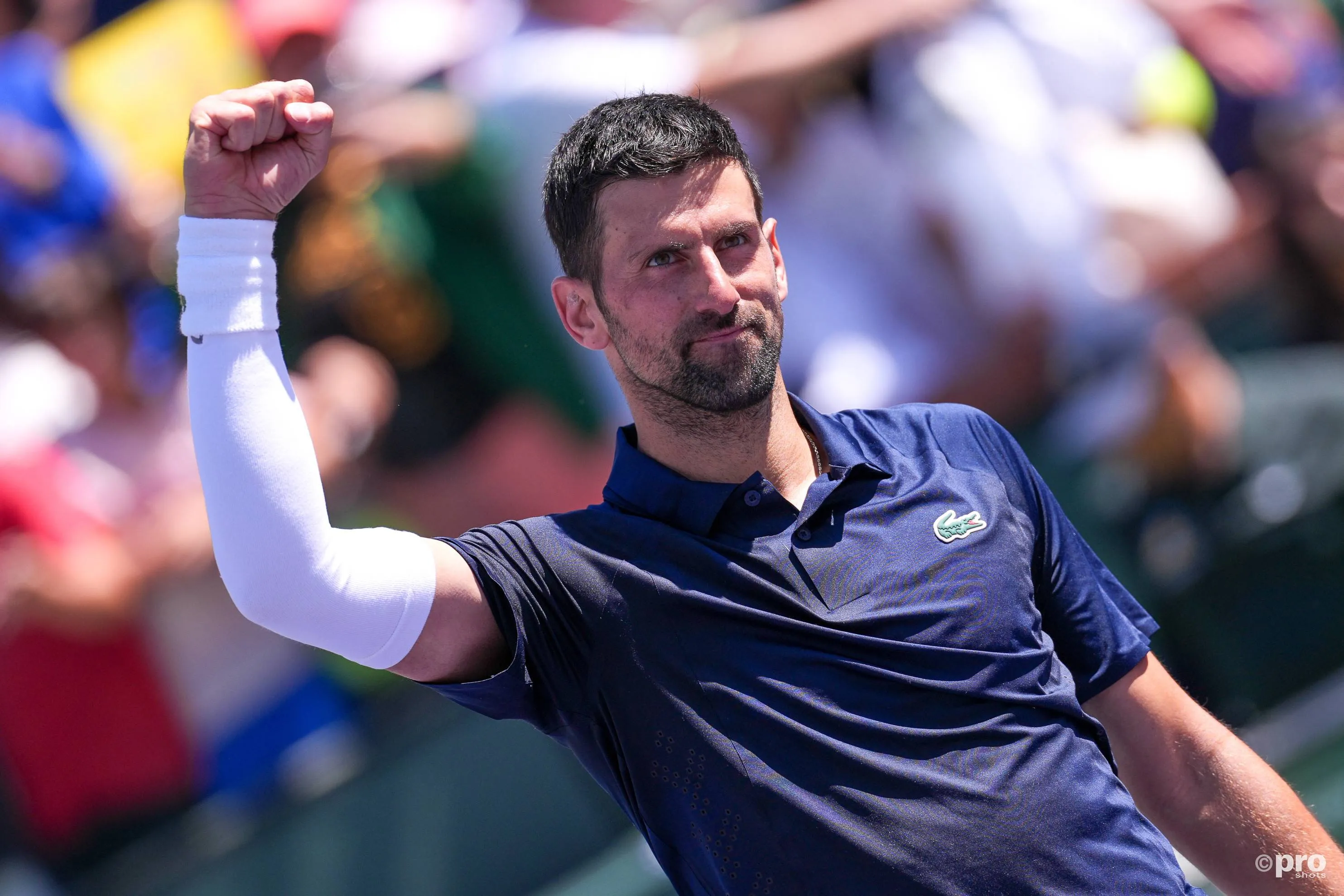
Structural tension and Djokovic’s distance from current negotiations
While reaffirming alignment with player concerns, Djokovic clarified that he is not directly involved in ongoing discussions regarding prize money distribution or potential collective action, including boycott-related conversations. His role, he indicated, is now observational rather than operational.
He acknowledged that tensions within tennis governance often stem from competing interests between players, tournaments, and governing bodies, a structural issue he believes remains unresolved despite long-standing debate within the sport. “I am watching more from the side, to be honest. I haven’t been part of those meetings and conversations.”

He also underlined that conflicts of interest remain a persistent feature of tennis governance, and suggested that players collectively hold the strongest leverage within the system when unified in their position.
“Unfortunately oftentimes there is a conflict of interest that some people don’t want to address. I think that’s where the players really have the power. I’m always supportive of the stronger player position in the ecosystem.”
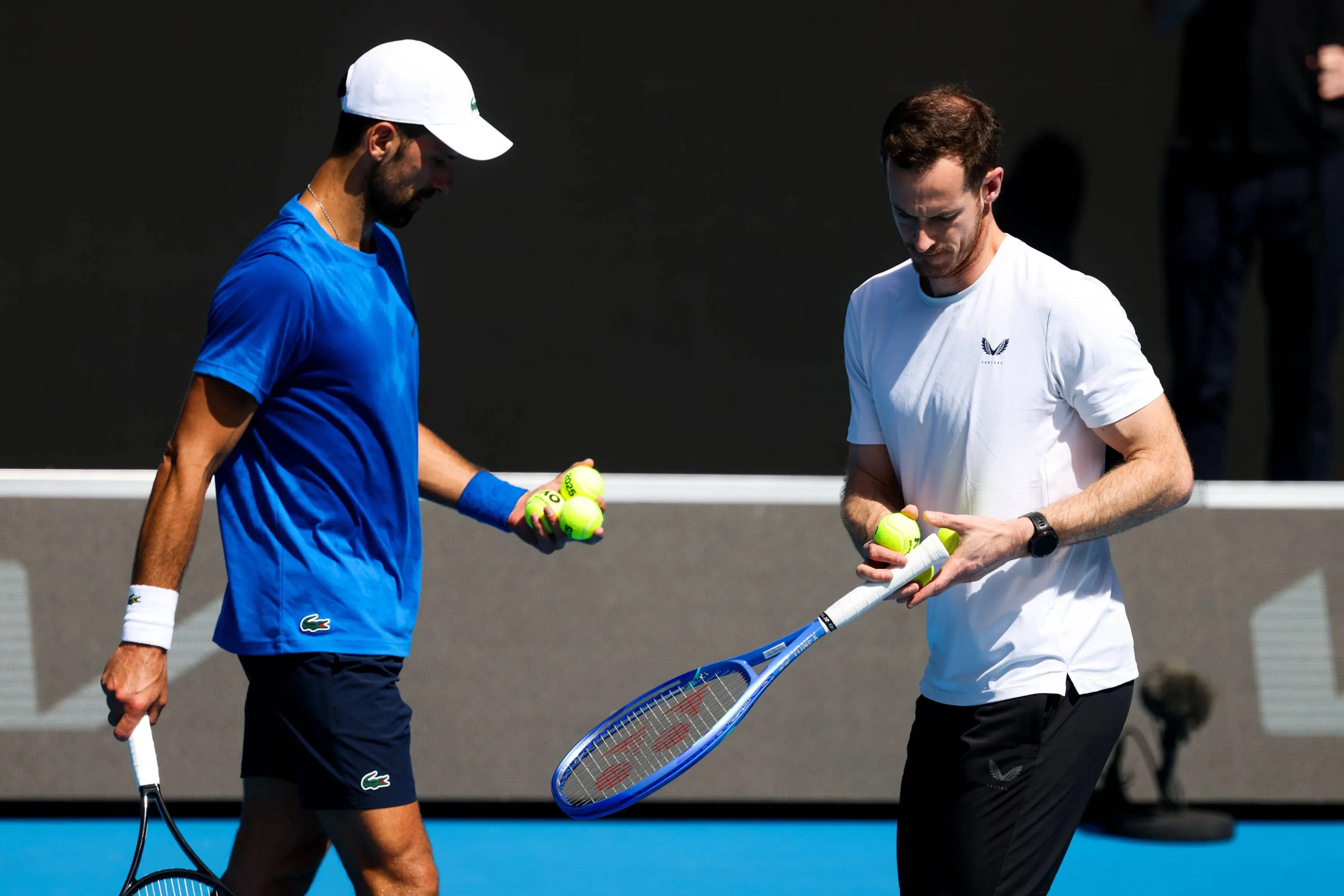
Djokovic concluded by reaffirming his broader philosophy on the sport’s structure, emphasising that both players and institutions share responsibility in elevating tennis, despite recurring disagreements over distribution of power and resources. “We’re all part of the same sport. We all try to elevate the game, whether it’s players, tournaments, governing bodies.”

claps 0visitors 0
Just In
Popular News
Latest Comments
- The girl needs professional help... and I don't mean sports.
- The way the current tennis players perform today, especially in the WTA, they should not be given any extra money. Let them boycott. They do not look like professionals. More balls land out of bounds and into the net than anything.
- Way past time for chair umps to REGAIN CONTROL over these entitled 'Special People'.
- WTF is this here for????
- Doubt she recalls which 'man' she acquired those underwear from... but the label probably has "ATP" on it.
- I've lately been thinking everyone is pointing to the wrong location for "illness" and constant "injury". Perhaps some 'couch time' is in order at this point?
- She has long outlived this shitshow she started. So, according to this lucky winner, ALL THE WORLD's CITIZENS should shun one another while forced to live under threatening, insane Leaders and Regimes? A sad individual who thinks she's changing the World with her ridiculous shunning of Russian opponents. Must be a hard life worrying about Ukraine from her balcony overlooking Monte Carlo? WTA needs to take a REAL stand here. Otherwise ban flags and handshakes by Russia, China, Israel, Iran, USA..... (Get the picture??)
- They still with that crap??? These Ukrainians need to just stop. Your Russian opponents have nothing to do with the war against your country. They didn't start it and by you not shaking their hands certainly won't end it. All this bitterness and unforgiveness will not augur well for these silly women.
- Tennis knows it has a huge problem with Hi-Tech line calls on clay. They've admitted so behind closed doors. However they do nothing except make a rule that no one can argue a call; no matter the proof. Perhaps the new WTA CEO will take a stand??
- "Accused" ?? They've been doing this regularly at tourneys... and yelling over the opponent standing right in front of them. Last season as well, when at one point Coco asked them to stop.


Loading