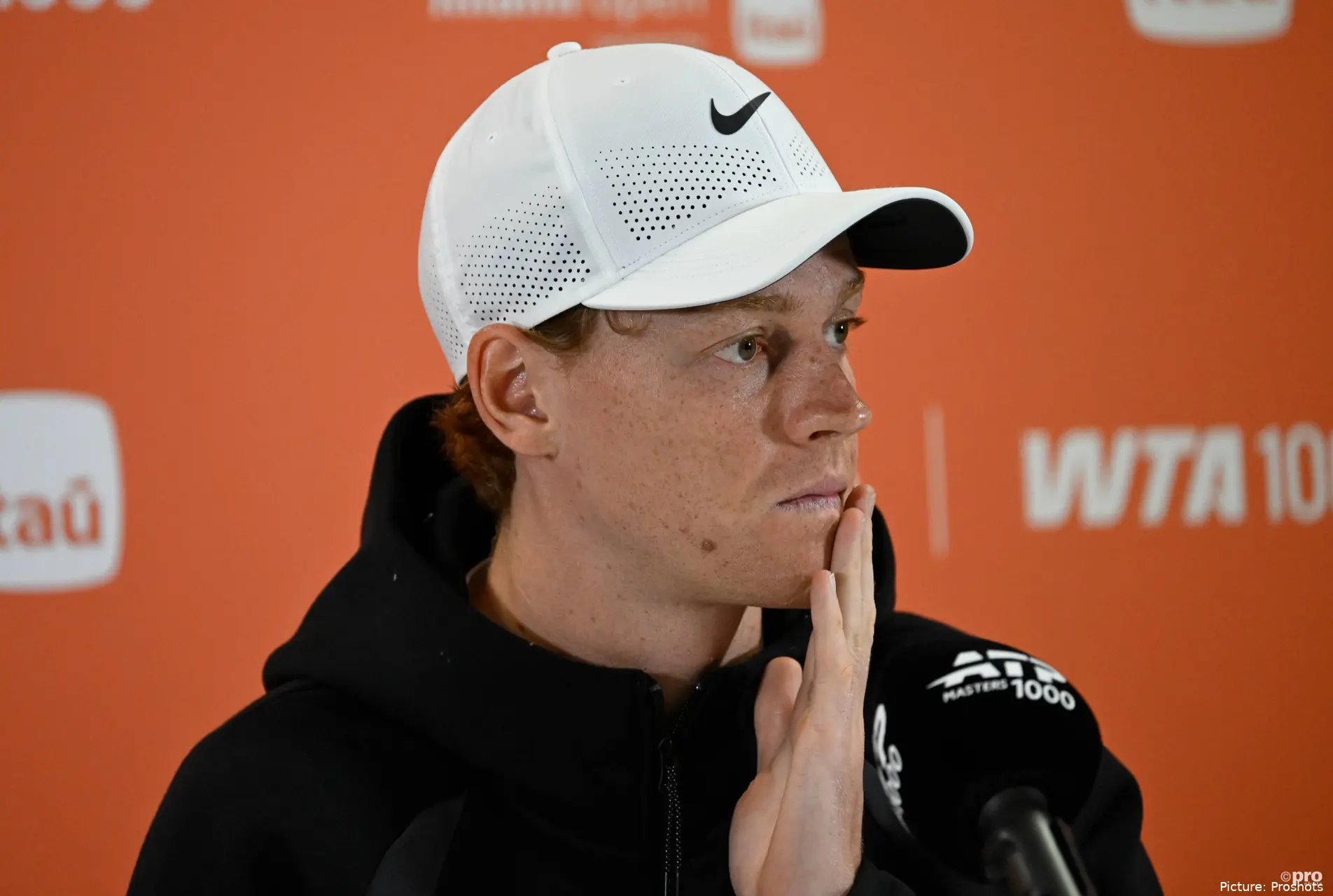
Jannik Sinner has addressed the growing debate around a potential boycott of Grand Slams, acknowledging player frustration over prize money and governance while stopping short of endorsing any collective action.
Speaking in Rome ahead of his opening match, the World No. 1 said he understands why the discussion is emerging within the locker room, amid ongoing tensions between players and tournament organisers.
Sinner arrives at the Foro Italico as the dominant player of the 2026 season, having won all four ATP Masters 1000 events contested so far. His run includes Indian Wells, Miami, Monte-Carlo and Madrid, where he became the first man in history to win five consecutive Masters 1000 titles, dropping just two sets across the entire stretch of finals.
The Italian is now targeting a sixth consecutive Masters 1000 title in Rome, a milestone that would place him within reach of the Career Golden Masters, a feat achieved only by Novak Djokovic. He opens against Alex Michelsen or Sebastian Ofner, but his pre-tournament focus has also shifted toward off-court tensions in the sport.

“We give much more than we get back”
Sinner framed the ongoing dispute with Grand Slam tournaments around respect rather than purely financial terms, arguing that players across both ATP and WTA feel undervalued within the current system. He referenced a collective effort from the top 10 players on both tours, pointing to a lack of progress despite extended dialogue over the past year.
“It’s more about respect, you know, because I think we give much more than what we are getting back. And it’s not only for the top players, it’s for all of us players, from the men’s and women’s side. We are very, very equal.”

He also criticised the pace of institutional response from tennis authorities compared to other sports, suggesting that player concerns in tennis are not handled with the same urgency. Sinner highlighted the gap between athlete communication and organisational reaction time as a key frustration point in the ongoing discussions.
“Talking in other sports, you know, if top athletes send important letters, I truly believe that within 48 hours you have not only a response, but also a meeting, you know, with this kind of thing.”
The World No. 1 also expressed disappointment with the lack of resolution despite sustained engagement between players and tournament structures over the past season, including recent Grand Slam negotiations.
“It’s not nice that after one year we are not even close to a conclusion of what we would like to have,” the 4-time Grand Slam champion added. “And talking in other sports, if top athletes send important letters, I truly believe that within 48 hours you have not only a response, but also a meeting.”
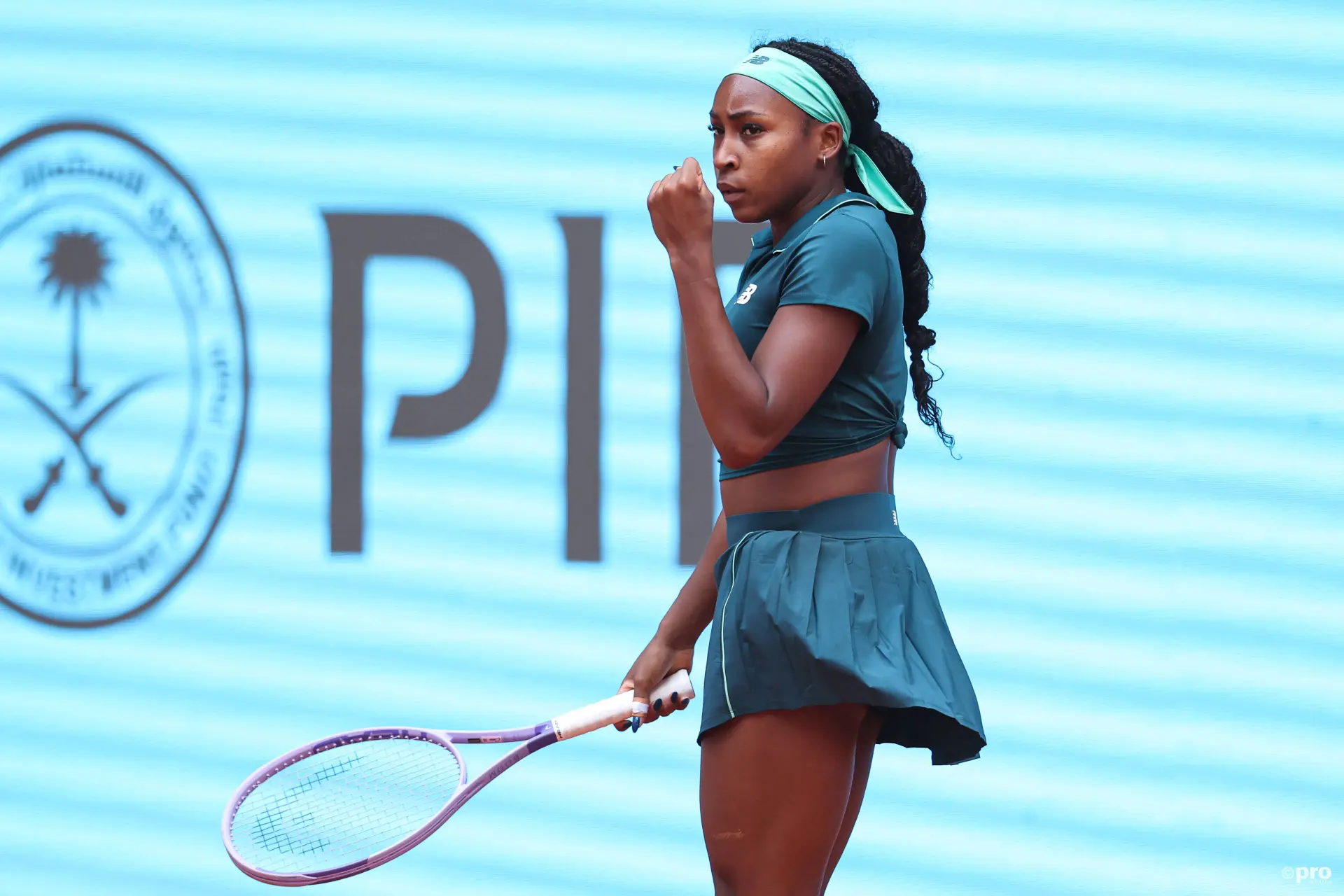
Boycott discussion acknowledged but not endorsed
Sinner did not call for any form of boycott but explicitly acknowledged that the idea is now being discussed among players at the highest level. His comments confirm that the topic has moved beyond speculation and into formal awareness within the ATP and WTA elite group, although no coordinated action has been confirmed.
He linked the discussion to broader dissatisfaction within the player group, including recent frustrations surrounding Grand Slam outcomes and ongoing negotiations over prize money distribution and governance structure.
“I do understand players, you know, talking about boycott because it’s somewhere we also need to start,” said the 24-year-old Italian. “And now it has been a very long time with this. And then we see in the future.”
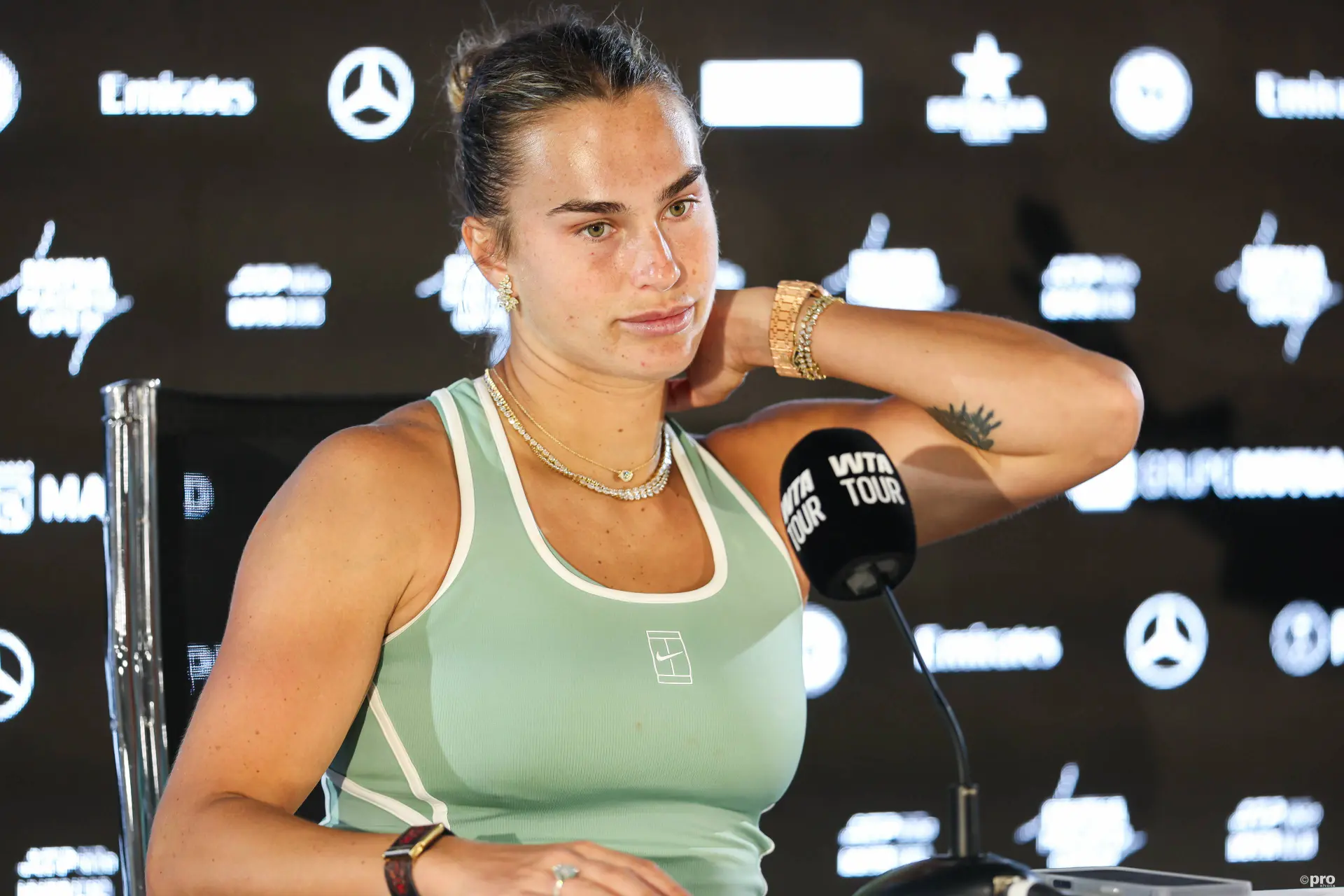
Sinner reiterated that the issue extends beyond financial distribution, pointing instead to a perceived lack of respect and recognition from the sport’s governing structures. He suggested that this sentiment is widely shared across both tours and not limited to top-ranked players alone.
“So then, of course, we talk about money, but the most important is respect. And we just don’t feel it. And I think, you know, we players, we are a bit disappointed.”
As World No. 1 and the dominant force of the 2026 season, Sinner’s intervention adds institutional weight to an already ongoing debate, even without an explicit endorsement of any collective action.

Rome dominance continues amid governance tension
Sinner enters Rome in one of the most dominant stretches of modern tennis, having won 26 consecutive matches and all four Masters 1000 events played in 2026. His season includes titles in Indian Wells, Miami, Monte-Carlo and Madrid, where he set a new record by becoming the first player to win five consecutive Masters 1000 tournaments.
Across those events, Sinner has dropped only two sets in total, underlining a level of consistency rarely seen at this stage of the ATP calendar. The Italian is now chasing a sixth straight Masters title in Rome, while also pursuing the Career Golden Masters, a milestone achieved only by Novak Djokovic.

Cristhián AvilaTennis Journalist
Cristhián Ávila is a tennis journalist based in Santiago, Chile, and has been part of the TennisUpToDate team since early 2023. He covers the ATP and WTA Tours as well as all four Grand Slams, producing breaking news, match reports, analysis, and regular liveblogs from major tournaments.
His reporting combines statistical analysis with clear explanation, helping readers understand tactical developments, player form, and broader storylines across the tour. Working fluently in both Spanish and English, Cristhián collaborates with an international editorial team and contributes to comprehensive global coverage. As part of his work, he has conducted interviews and media interactions with leading figures in the sport, including Caroline Wozniacki and John McEnroe.
In his journalism, Cristhián places strong emphasis on careful sourcing, editorial accuracy, and updating articles promptly when new, verified information becomes available. His coverage is grounded in research, context, and direct engagement with professional tennis.
claps 0visitors 0
Just In


Popular News


Latest Comments
- Does Sinner need that 4.5 mil? I doubt it. He can make that with three modelling gigs!😅🤣Rapunzel21-10-2026
- Did "People Magazine" purchase this website? This nonstop storyline is bullshit.
 mandoist21-10-2026
 - Listen... this is of no concern to anyone but these two. Deal with your own issues -- most of us have our own. Thanks, media, for these insignificant follow-ups which are meaningless.mandoist21-10-2026
- This is so very very sad, for all three of them. I truly thought they had an unbreakable bond, but life throws up so many differing challenges. Having your homeland suffering in such a terrible way, makes happiness lose out to guilt as well. Our thoughts are with them. X💔bjsexton20-10-2026
- I have lost all respect for Svitolina! Could she not have waited until he had played at the Paris Masters!!! She is selfish and don't give a damn about Gael. That is NOT how love is demonstrated Elina!!Rapunzel19-10-2026
- Perhaps convenient tennis tour sex is not a strong enough experience in which to base a marriage?mandoist19-10-2026
- Fight the Good Fight... Tennis (sports in general) need more Humans such as yourself.mandoist18-10-2026
- When is WTA going to mandate Genetic Testing (DNA) ???mandoist18-10-2026
- Hey, Dan... you just wake up from a coma? Regardless -- Thanks for the comedy this morning!mandoist18-10-2026
- Two Things: 1. Stop allowing these Spoiled Trust-Fund Elitists to behave badly. Your little hand-slaps do not deter them. 2. STOP the incessantly annoying "towel wiping" nonsense!!!!mandoist15-10-2026

Loading
