“I didn’t have any petrol at all”: Luciano Darderi explains Rome semi-final collapse
ATPFriday, 15 May 2026 at 22:30
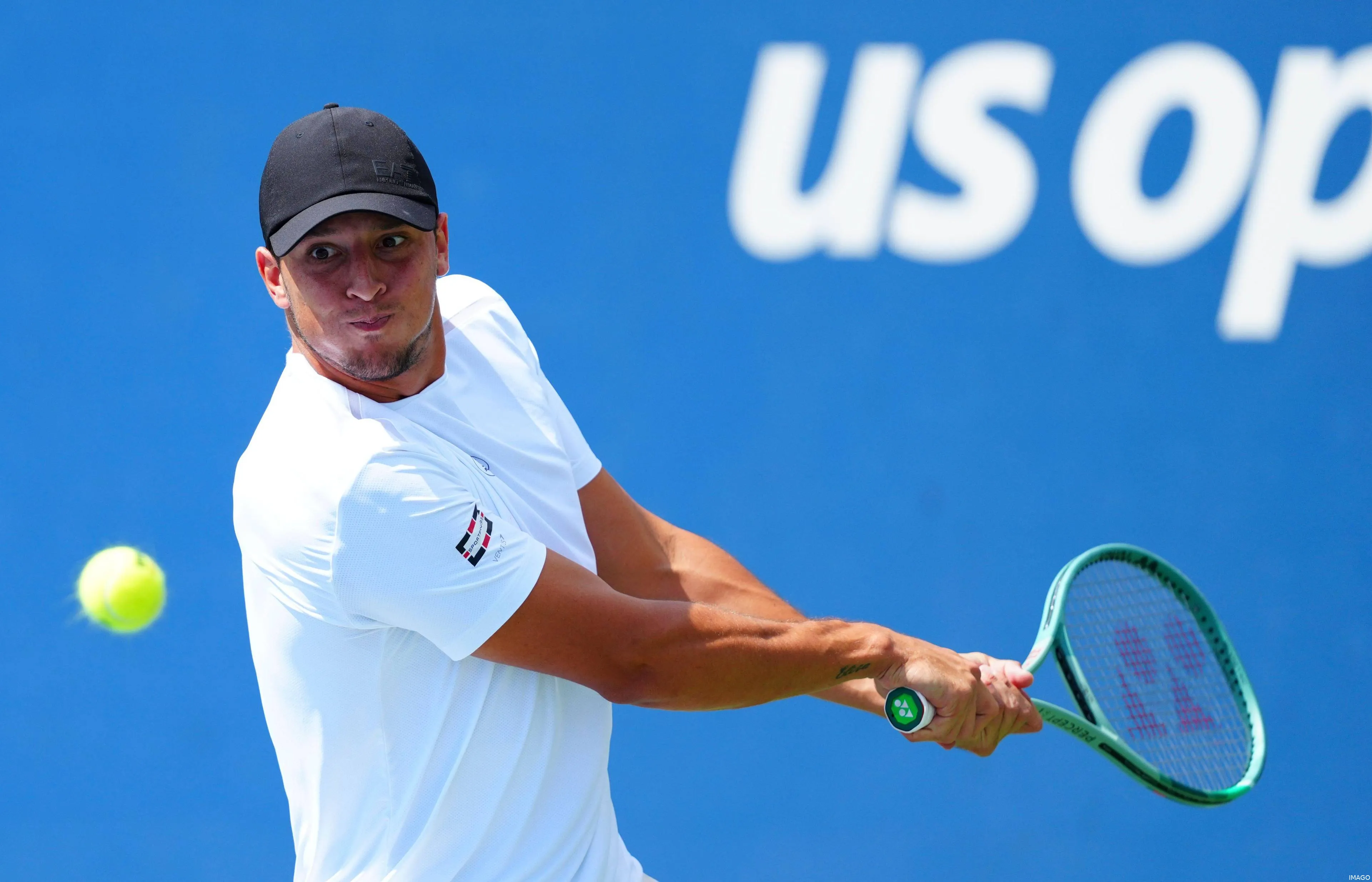
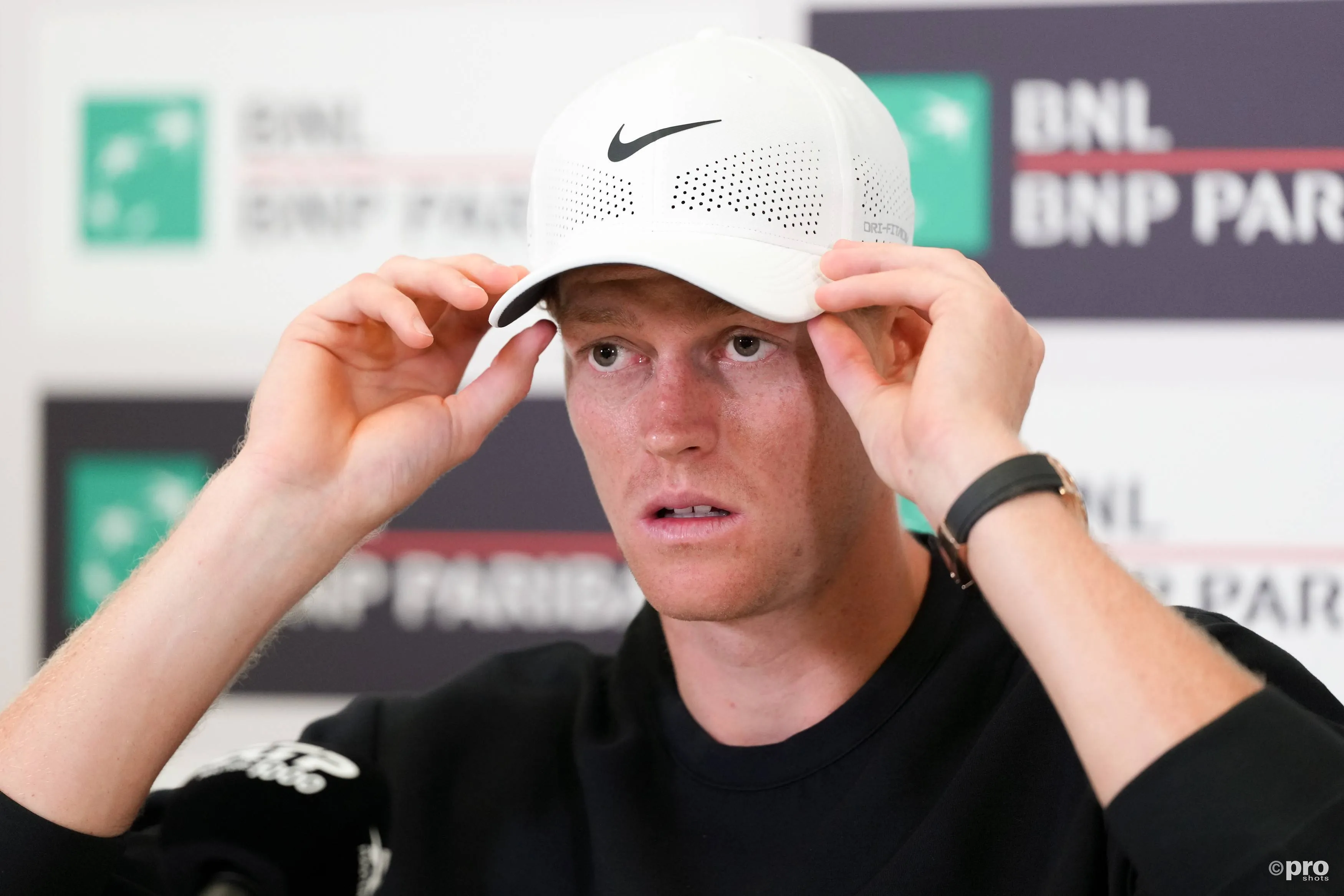
Luciano Darderi’s first appearance in a Masters 1000 semi-final ended in a physically compromised defeat to Casper Ruud in Rome. The Italian was overrun in straight sets after entering the match with severely limited recovery time following a late-night finish in the previous round.
Darderi openly attributed his performance drop to fatigue, stating he had “no petrol at all” and acknowledging he was unable to compete at his usual intensity from the opening games of the match. He only won two games in a heavy 1-6, 1-6 loss against Ruud.
The 24-year-old nevertheless leaves Rome having produced the most significant tournament of his career, with wins over several higher-ranked opponents and his first semi-final at Masters 1000 level.
His run is expected to lift him to a career-high ranking around No. 16, while his immediate schedule remains open to adjustment ahead of Hamburg and Roland Garros.
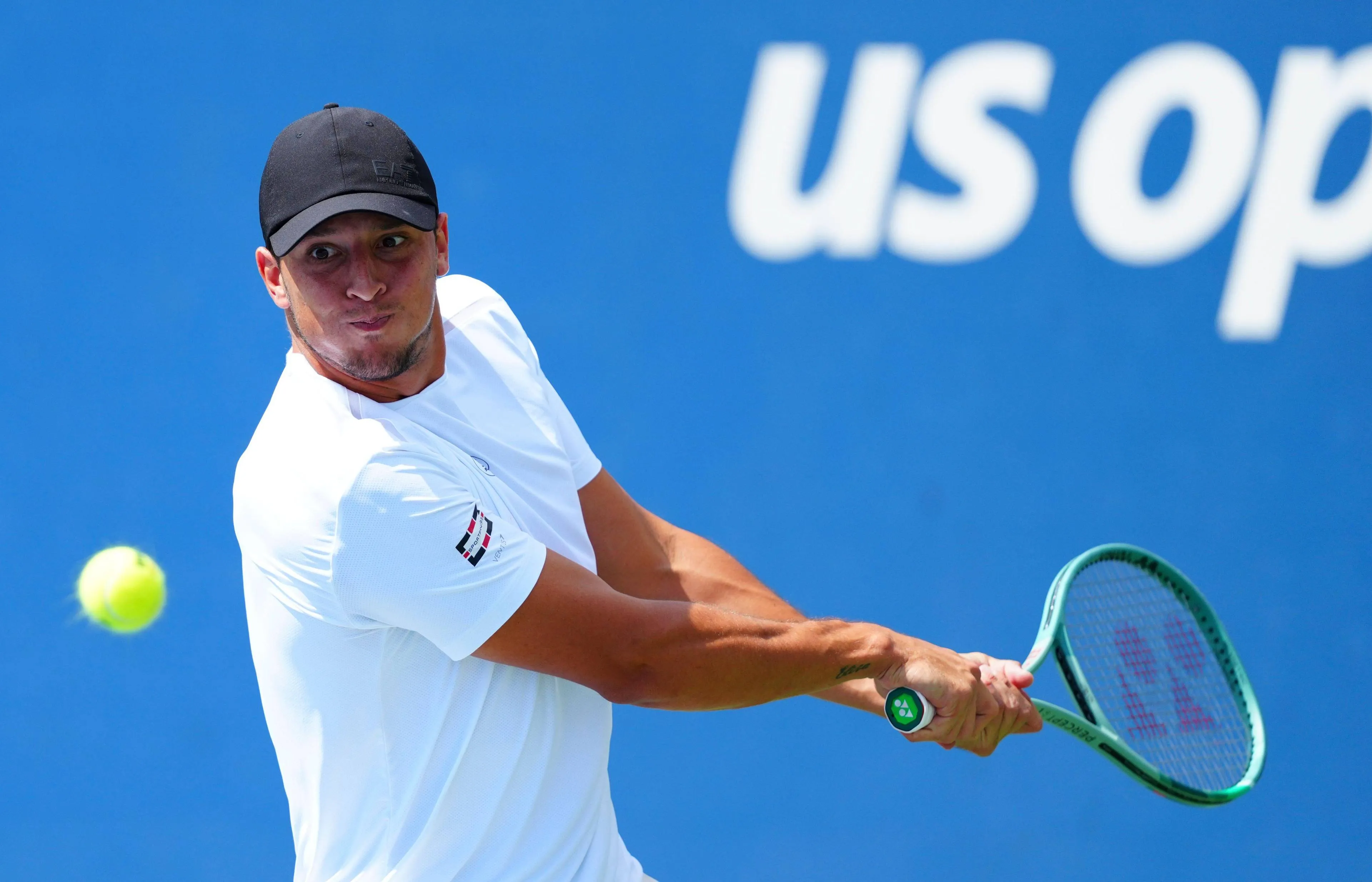
Physical breakdown after disrupted recovery
Darderi made clear that the outcome of the semi-final was heavily influenced by scheduling rather than purely tactical factors. He explained that finishing his previous match at 4:30am left him with insufficient time to recover before an afternoon semi-final.
He described a gradual physical decline from the start of the match, noting that he felt below his normal level early on and was unable to reverse the momentum once Ruud established control.
“Honestly I was tired. I finished too late with Jodar, so the recovery time was a bit different," he explained in press conference. "I was very tired. It’s not Casper’s fault because he’s a great player and I could have lost 100%. I’m sorry for the people who came to see me today because I couldn’t give my all. I didn’t have any petrol at all.”

The Italian stressed that the situation reflected structural demands of the tour rather than an exceptional circumstance, pointing to the difficulty of late finishes in tournament settings. “I finished at 4:30am and played at 3:00pm or 4:00pm. The recovery time was different and it’s a bit difficult to finish late, but that’s what happens in tennis and you have to accept it.”
Breakthrough week despite final setback
Despite the one-sided nature of the semi-final, Darderi’s overall campaign in Rome marks a clear step forward in his development. He reached his first Masters 1000 semi-final, defeating players such as Tommy Paul, Alexander Zverev and Rafael Jodar along the way.
Read also
His performances earlier in the week included dominant passages of play, including bagel sets against Zverev and Jodar, highlighting a level that significantly exceeded his pre-tournament expectations. The contrast between those matches and the semi-final was, in his view, primarily physical.
Darderi described the tournament as a key confidence point in his career, underlining the consistency of his level across multiple high-intensity matches. “I’ve always fought hard in every game. I’m happy this week. It’s been a dream come true.”
“If you’d told me two weeks ago that I was going to play in the semi-final, I would have said no. It’s been a dream week. It’s been a great week,” the Italian added. “I want to thank everyone who was present at every game, the organisers and everyone who made it possible. It’s been the best tournament of my life so far.”
Read also
Development focus and personal dedication
Looking beyond the result, Darderi framed the tournament as evidence of progress in his overall game. He described himself as a “more mature tennis player,” while acknowledging that his development remains incomplete across multiple areas.
He also used the occasion to dedicate the achievement to his family, highlighting their long-term role in his career. “There’s no one left but my grandmother. She’s always been close to me. It’s a beautiful thing for her. Her dream was for me to become a tennis player, so we did it. It’s a beautiful thing.”
Darderi also credited his father for shaping his professional path and development as a player, both on and off the court. “I’d also like to thank my father. Thanks to him I’m the player I am on and off the court. I have to thank him from the bottom of my heart. He did everything to make me a tennis player. He still does, so I have to thank him.”

claps 0visitors 0
Just In
Popular News
Latest Comments
- Poor sap. She dumped him with a Capital "D" !! Oh well... as long he "doesn't tell me what to do" he may survive most of this season.
 mandoist15-05-2026
 - Anytime your opponent blows their opportunities can be called "luck". Have to admit though, Gauff can run like hell. Ditto for Svitolina. Of course there's always that old addage: "Have to be Good to be Lucky".mandoist15-05-2026
- They should change the name 'Wildcard' to "Sponsorship Card".mandoist15-05-2026
- Unreal. The amount of luck Coco Gauff had in that last game was simply insane. Most players need 14 matches to get that lucky.
 MrAndreeva12-05-2026
 - Her body mass is too much for the pace of a chamopinship run. Time is catching-up to her.mandoist10-05-2026
- "Injury" seemed to have very little to do with her loss. She almost said it out loud in her presser! Anyone paying close attention could see minor 'cracks' appearing in her game since last season. It's been proven that getting side-tracked by media junkets, filming TV commercials, soaking-up the perks, and incessant 'Social' network posting leads to major distractions from the tournament grind.mandoist10-05-2026
- Blaming citizens (innocent citizens) for what their bad leaders do is not really fair. Americans are learning that lesson every day!mandoist10-05-2026
- It's a shame that the WTA is calling the wrong person into meetings and intimidating them like this. Good on the player for speaking out. You can't expect Ukrainians to put aside that Russia has been bombing them for years and is still doing so.SueC08-05-2026
- The girl needs professional help... and I don't mean sports.mandoist05-05-2026
- The way the current tennis players perform today, especially in the WTA, they should not be given any extra money. Let them boycott. They do not look like professionals. More balls land out of bounds and into the net than anything.crissy05-05-2026

Loading