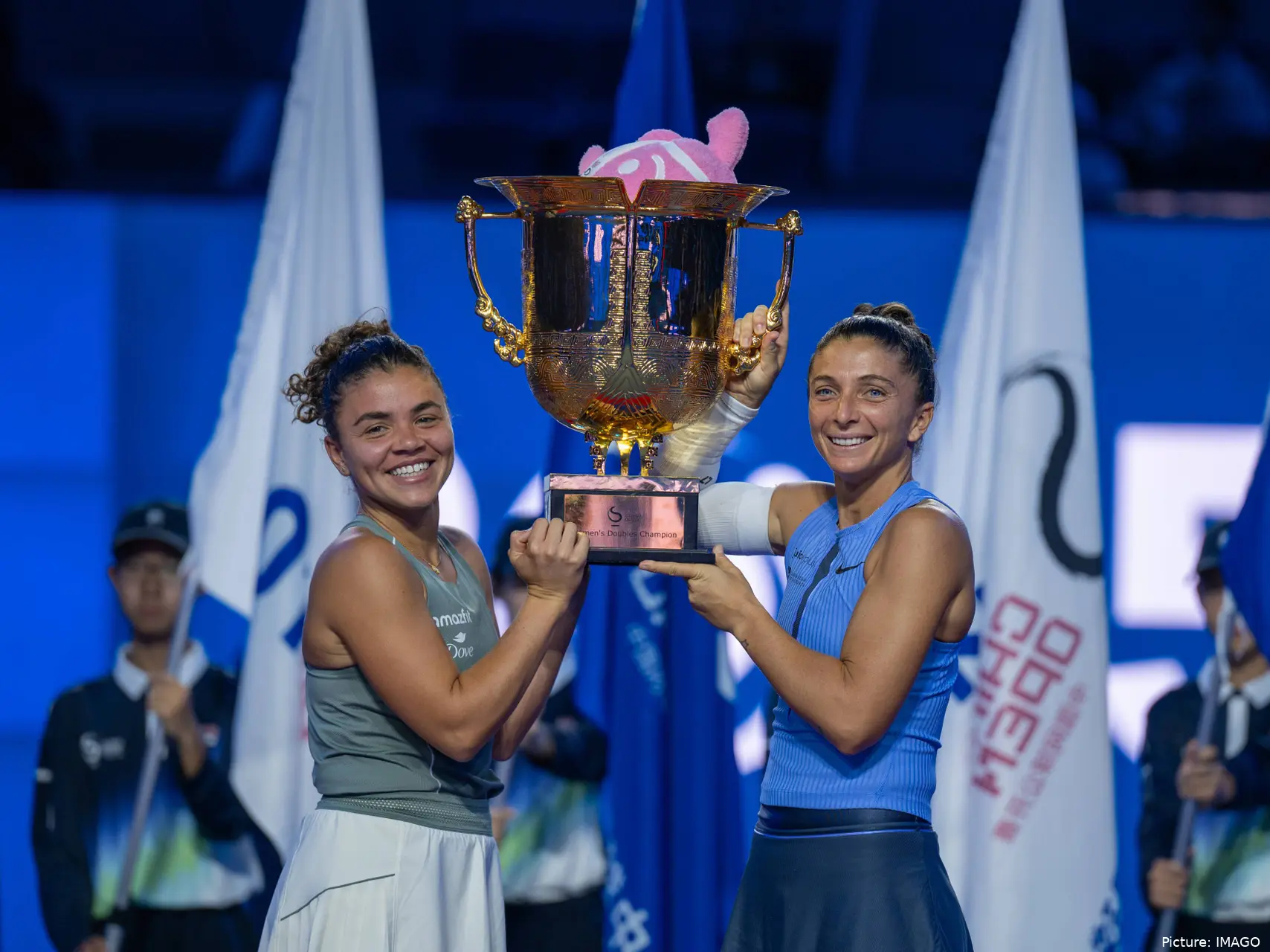
Jasmine Paolini has made it clear that Italy’s tennis success story extends far beyond a single name. The world No. 6, preparing to contest the semifinals of the Mérida Open, addressed the growing narrative that frames the country’s rise primarily through Jannik Sinner. In her view, the momentum is collective and sustained.
Paolini’s own run in Mérida places her one win away from another final at WTA 500 level. Entering the event as a wildcard, she has reinforced her top-10 credentials, with victories over Priscilla Hon and Katie Boulter, before setting up a semifinal meeting with Cristina Bucsa.
“First of all, it’s not just Sinner and me,” Paolini said this week, pushing back against simplified interpretations of Italy’s recent prominence.
The 30-year-old is not the only Italian enjoying a strong week. At the same time, Luciano Darderi has reached the semifinals at the Chile Open, while Flavio Cobolli is competing in the final in Acapulco — and that is only this week — without even considering the significant results achieved by other compatriots at the start of the season.
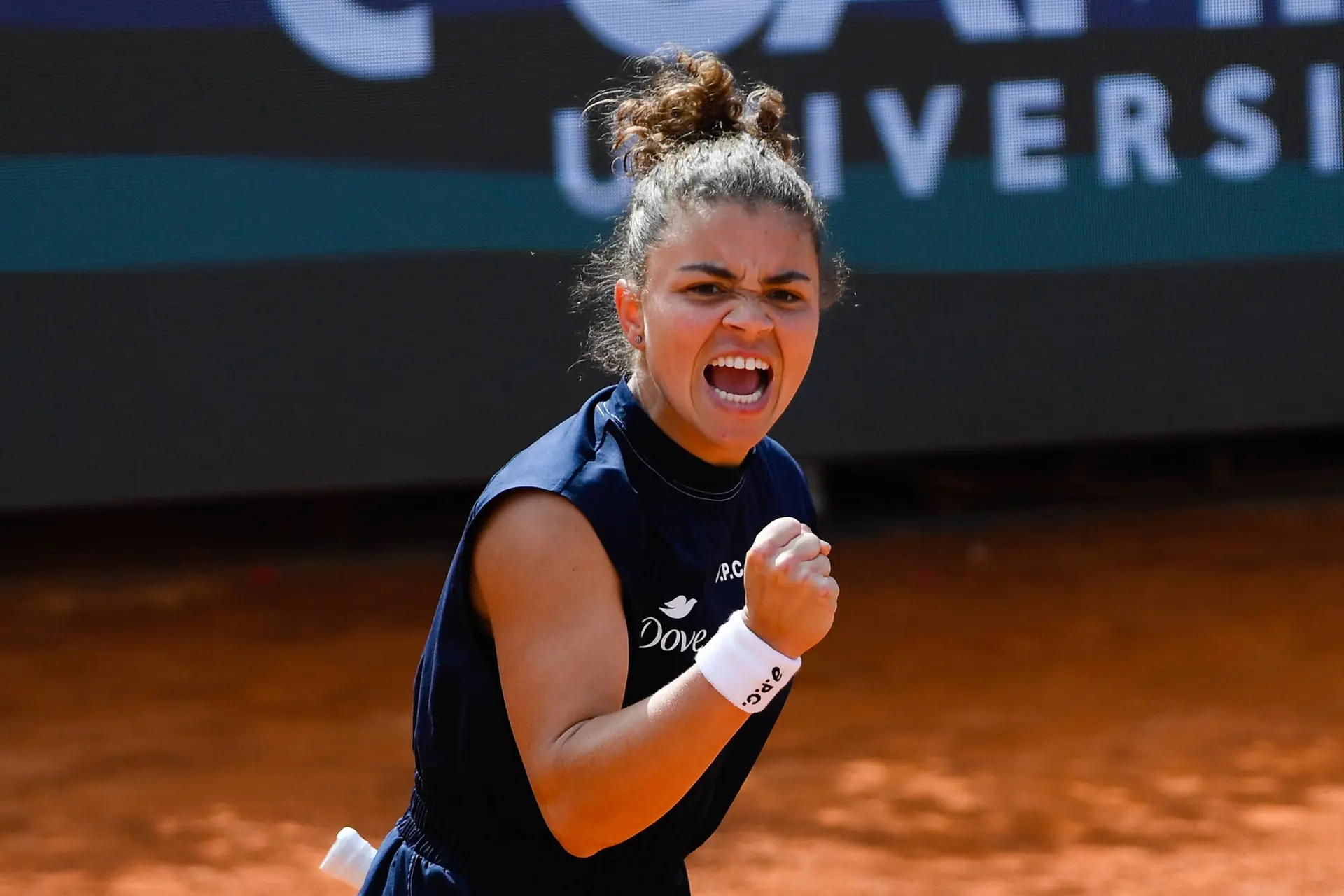
Italy’s surge driven by collective depth, not a single headline
Italy currently boasts one of the deepest player bases in the professional game. On the men’s side, Sinner’s Grand Slam titles and sustained presence in the top two have drawn global attention, but he is far from alone. Lorenzo Musetti remains a top-10 fixture, Matteo Berrettini has returned to competitive form, and younger names such as Cobolli and Darderi are now established more as a reality than as future projects.
Paolini emphasized that internal support and shared ambition define the group. She listed several compatriots when discussing Italy’s surge, stressing that the spotlight should be distributed more widely.
“There are many players like Musetti, Cobolli, Elisabetta Cocciaretto… many players, maybe I forget someone… there is Berrettini. I think we are a great team, we are very proud and we support each other.”
The women’s side mirrors that growth. Paolini leads as Italy’s highest-ranked woman, while Cocciaretto enjoyed a notable start to the season that keeps her inside the top 40 — after claiming a title at the Hobart Open and producing a strong campaign at the Australian Open.
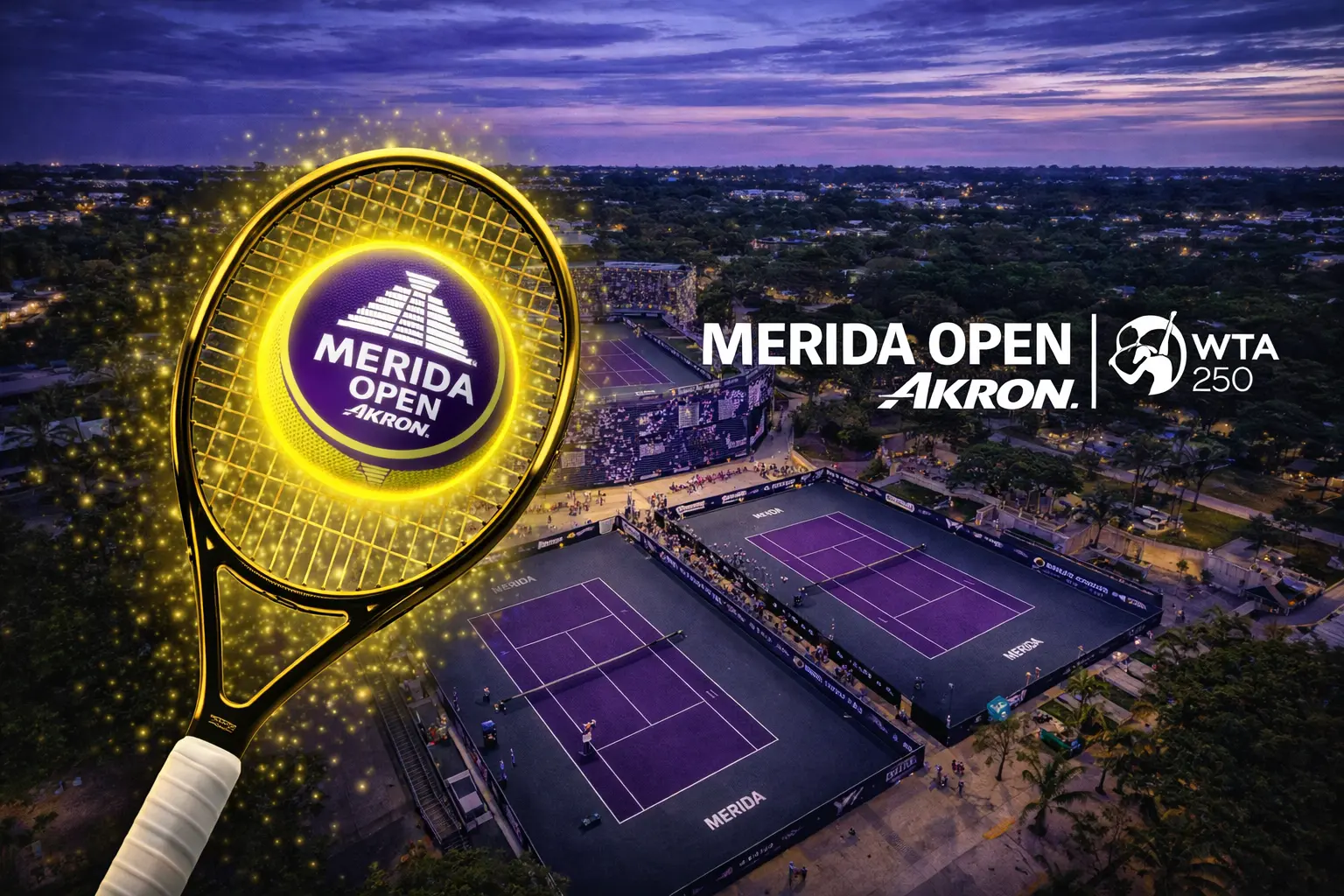
Mérida semifinals reflect a broader Italian momentum
Paolini’s position in the Mérida semifinals is part of that broader narrative. Her season has been defined by steadiness rather than volatility, with quarterfinal and semifinal appearances consolidating her place among the WTA’s elite. In Mexico, she has demonstrated the ability to adjust rally patterns and increase depth under pressure.
Her tactical maturity has translated into results. Facing aggressive opponents earlier in the week, she recognized the need to alter trajectory and tempo, raising her level at key moments. That adaptability has become a hallmark of her climb into the top 10.
Beyond individual performance, Paolini sees tangible cultural impact in Italy. Increased visibility at the highest levels, particularly through Sinner’s major titles and multiple ATP finals, has fueled participation and national engagement with the sport. “Tennis is becoming very popular in Italy thanks to Jannik and the other young players, and we are doing the same among the girls. Tennis is growing a lot in Italy, and it’s fantastic for the younger generations, because many are starting.”
The statistical backdrop supports her assessment. Italy has placed players in Masters 1000 semifinals, ATP 500 finals and Grand Slam title matches over the past two seasons. This week alone, Italians are competing for finals in Mérida and Acapulco while contesting semifinals in Santiago.

As Paolini prepares for Saturday’s semifinal in Mexico against Spain’s Cristina Bucsa, she set clear expectations. “I expect a difficult match because she is a solid player, and that is important on these courts. I need to arrive at the match with a better level than today; the key to the match will be to play with depth. It always is, but now more than ever.”

Cristhián AvilaTennis Journalist
Cristhián Ávila is a tennis journalist based in Santiago, Chile, and has been part of the TennisUpToDate team since early 2023. He covers the ATP and WTA Tours as well as all four Grand Slams, producing breaking news, match reports, analysis, and regular liveblogs from major tournaments.
His reporting combines statistical analysis with clear explanation, helping readers understand tactical developments, player form, and broader storylines across the tour. Working fluently in both Spanish and English, Cristhián collaborates with an international editorial team and contributes to comprehensive global coverage. As part of his work, he has conducted interviews and media interactions with leading figures in the sport, including Caroline Wozniacki and John McEnroe.
In his journalism, Cristhián places strong emphasis on careful sourcing, editorial accuracy, and updating articles promptly when new, verified information becomes available. His coverage is grounded in research, context, and direct engagement with professional tennis.
claps 0visitors 0
Just In

Popular News
Latest Comments
- A healthy Qinwen may be hard to stop next season. She was already scaring her opponents before her medical leave(s). Unfortunately, Zheng insisted on singing again. On the positive side -- Mirra did not sing!! ;~}
 mandoist11-10-2026
 - Where is it written that athletes, entertainers... People in general... are mandated to keep looking at -- or even using [anti]Social Media? Public & private figures consistently complain and reveal their concerns about negativity and violence thrown at them -- yet they insist on participating. Avoid it, don't use it, don't read it. It's okay to occasionally look up at the World instead beating your eyes & thumbs to death on The Inventions out there.mandoist11-10-2026
- great articlestennisseserver07-10-2026
- Medvedev was leading Djokovic 7-5, 3-5 when an attempted return..' NO you ignorants, Djokovic was leading .weiss05-10-2026
- No more bullshit "Wildcards" to these two. Qualify like everyone else -- there will be cameras there, too. Time to scream... WTF ????!!!!mandoist29-09-2026
- Let's not BS the general public -- Sabalenka started showing cracks in her game last season. Her losses and near-losses started at about the same time she began being distracted by Fame (constant Selfies, making TV commercials, magazine shoots, endless Social Media nonsense, etc., etc.) One would think even Saba could recognize the parallels with others who failed before her -- Raducanu, Giorgi, Bouchard to name a few.mandoist25-09-2026
- Gross!! Hey Raducanu, Giorgi, and Bouchard -- reserve a seat at your Social Media Selfie table for Saba + Naomi. They're heading in your direction soon enough.mandoist24-09-2026
- And then these same players will complain about how lengthy their season’s were and need more time-off. I’m all for more tennis but the amount of tennis we get now is actually kind of crazy! We all need a break, especially the players.DaveyWavey23-09-2026
- You should do a comparison article for "different kinds of justice" the courts decide for tennis players. I can think of at least three players who received very small bans of a few months, however Tara Moore has been fighting for her literal survival the past few years. It seems odd considering she is not a "name" player, unlike the other cases.DaveyWavey22-09-2026
- PRIZE MONEY & POINTS Winner - $185,500 Finalist - $114,500 Semi-Finalist - $66,003 Quarter-Finalist - $35,000 Round of 16 - $18,045 Round of 32 - $13,005 Winner - 500 Finalist - 325 Semi-Finalist - 195 Quarter-Finalist - 108 Round of 16 - 60 Round of 32 - 1DaveyWavey20-09-2026

Loading