Naomi Osaka defends ‘Black party’ at Roland Garros: “Celebrating who we are will never require apology”
WTA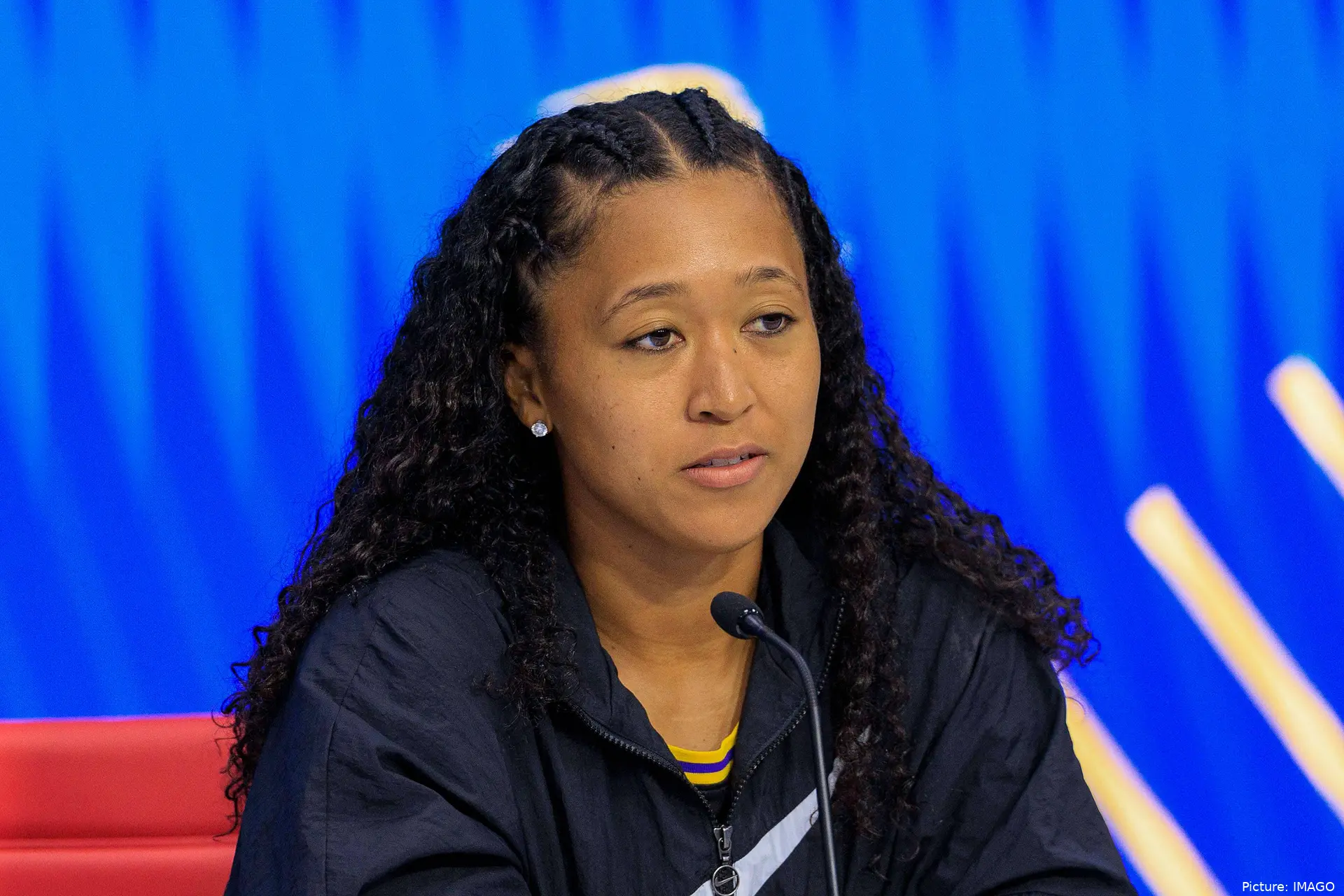
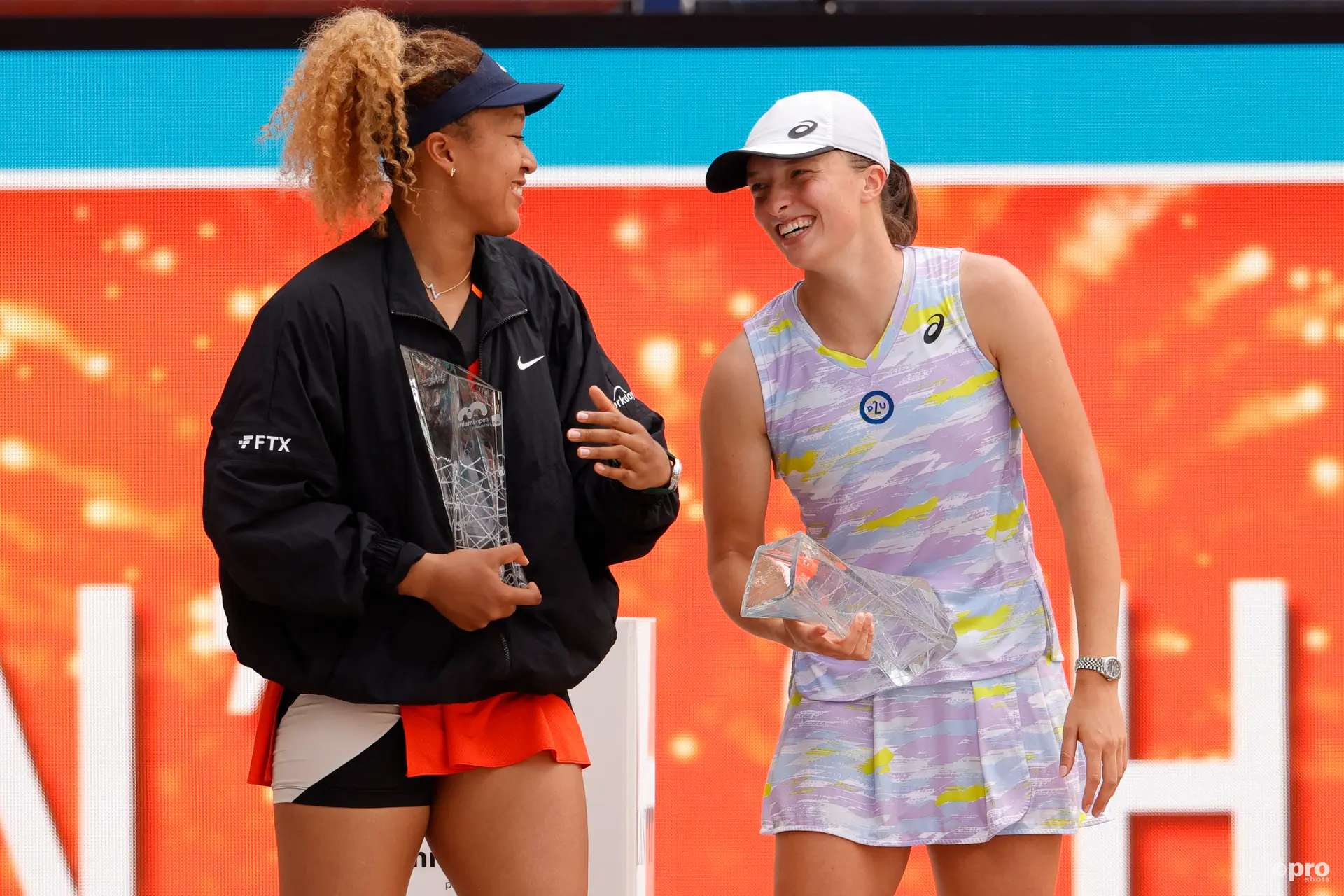
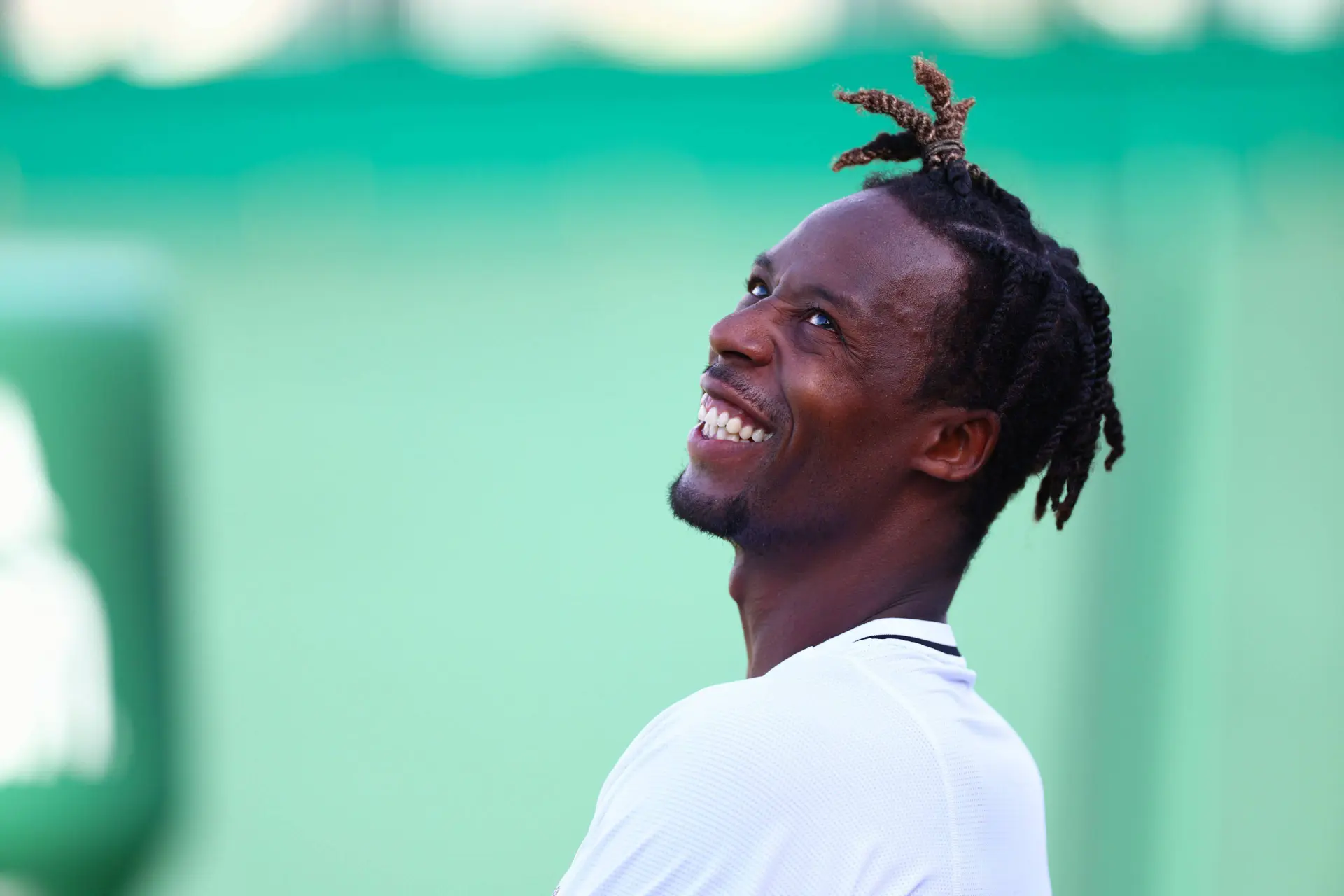
Naomi Osaka used her presence at Roland Garros this week to underline a broader social message beyond tennis results, after hosting what she described as a “Black party” dinner involving several players from the tour. The gathering included figures such as Coco Gauff, Gaël Monfils, Taylor Townsend, Christopher Eubanks and Asia Muhammad.
The post quickly circulated on social media after Osaka shared an image from the dinner, framing it as a moment of connection among Black players on the professional circuit. Her wording, however, triggered discussion online, with some questioning the framing of race-specific gatherings within an increasingly globalised sport.
Osaka addressed the reaction directly through a series of written posts and later in her pre-tournament press conference in Paris. She defended both the intent and context of the dinner, arguing it reflected lived experience rather than exclusionary practice.
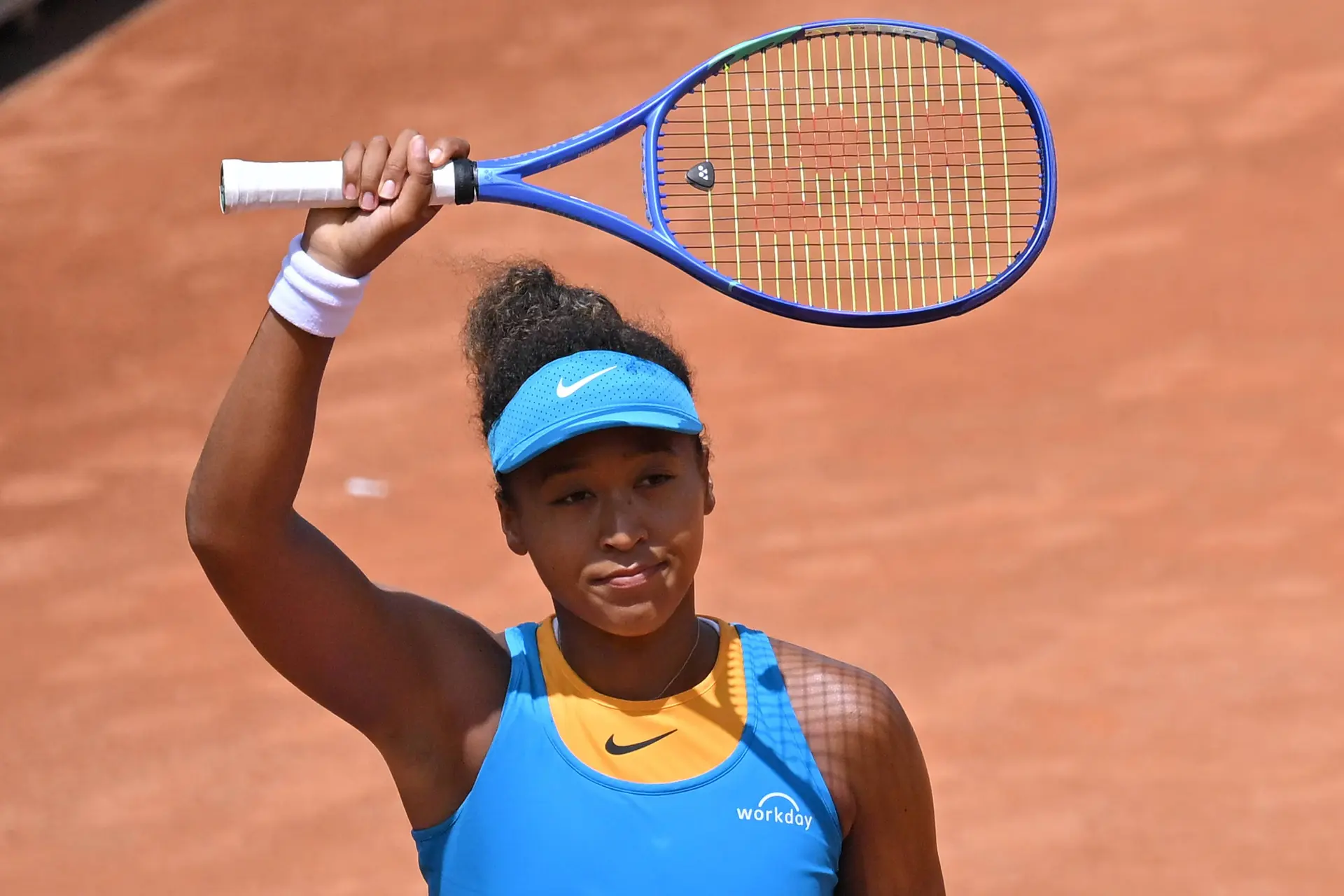
The four-time Grand Slam champion is preparing for her first-round match at the French Open against Laura Siegemund, where she hopes to improve her results on clay courts. She also took the opportunity to meet several of her peers at an event that has sparked criticism and mixed reactions on social media.
A dinner framed as representation, not exclusion
Osaka first introduced the gathering on social media, describing it as her first experience co-hosting a dinner. She emphasised the atmosphere rather than the optics, positioning it as a shared space among peers who have navigated similar paths in professional tennis. The post, however, quickly became the focus of wider debate beyond the tournament itself.
“The black party (RG edition) 🖤 Side note : my first time ever co hosting a dinner/party and let me tell you, no better company to share time with.”
In a subsequent post on Threads, she expanded on the reasoning behind the gathering, focusing on representation and shared experience within a sport she described as isolating during her upbringing. She framed the dinner as an acknowledgement of visibility rather than separation.
“Growing up, there weren’t a lot of tennis players I could look up to that looked like me. Being a minority in a sport like tennis is very isolating but the positive is that you keep tabs on everyone that … being blunt, is black. There’s a fellowship, a camaraderie that doesn’t need words to describe. You just feel at peace knowing that there’s another person who has experienced similar things to you and you feel less alone,” Osaka wrote.
She added that collective presence itself carries symbolic value in tennis, particularly for players from underrepresented backgrounds competing on the sport’s biggest stages. The dinner, in her framing, was an extension of that idea rather than a departure from it.
“There’s a saying, “when you win I feel like I win too” and while that’s true I also feel like seeing any of us exist in this space that is so clearly not for us is a win in itself. Our presence is a present and I’m so grateful for the gift of my peers. I want to thank them for existing and thank them for inspiring, I am so proud and I appreciate everyone who came to the dinner (also the ones who couldn’t make it as well),” she added.

Naomi Osaka and Coco Gauff at 2025 US Open
Osaka responds: “This is a celebration, not exclusion”
The discussion intensified after social media users questioned whether the framing of a race-specific dinner was appropriate. Osaka addressed that criticism directly during her press conference at Roland Garros, rejecting the idea that the event was exclusionary in intent.
She began by acknowledging the online reaction while reaffirming that her perspective is shaped by personal experience, including her identity as a mixed-race athlete. “You know I'm seeing a little bit of- ‘Why can't you love everyone for all skin tones?’ and ‘what if someone had an all white party?!"
First of all I do love everyone for who they are no matter their race + ethnicity, (I'm literally half Japanese lol). I can only speak from my experiences in my own life though, growing up as a tennis player I didn't see many people that looked like ME and I feel like it's important to celebrate them.”
Osaka also referenced historical context within the sport and broader social environments, arguing that similar gatherings have existed in different forms without generating comparable scrutiny. She questioned the framing of the criticism itself, particularly around racial grouping in celebratory contexts.
“Secondly I feel like it's important to note that there have been all white dinners/parties. I don't know how else to tell you this, I literally seen them all the time and never had an issue with it at all. To the people who ask this question I want to ask you this question too, ‘What is it about POC getting together that unsettles you so much?’”
In her closing remarks, Osaka referred to personal experiences involving discrimination faced by her family, using it as part of her justification for why she views the dinner as symbolic rather than divisive.
“I want to end this by saying I grew up watching my dad get discriminated against, having the cops called on him multiple times at the tennis court. There are multiple things I will apologize for in my life but celebrating being black and appreciating who we are will never be something I would consider saying sorry for. Thanks.
Actually I lied, I am sorry. I'm sorry for the people who cannot comprehend in their brains that this is not about exclusion, this is a celebration about how far we have come”

Cristhián AvilaTennis Journalist
Cristhián Ávila is a tennis journalist based in Santiago, Chile, and has been part of the TennisUpToDate team since early 2023. He covers the ATP and WTA Tours as well as all four Grand Slams, producing breaking news, match reports, analysis, and regular liveblogs from major tournaments.
His reporting combines statistical analysis with clear explanation, helping readers understand tactical developments, player form, and broader storylines across the tour. Working fluently in both Spanish and English, Cristhián collaborates with an international editorial team and contributes to comprehensive global coverage. As part of his work, he has conducted interviews and media interactions with leading figures in the sport, including Caroline Wozniacki and John McEnroe.
In his journalism, Cristhián places strong emphasis on careful sourcing, editorial accuracy, and updating articles promptly when new, verified information becomes available. His coverage is grounded in research, context, and direct engagement with professional tennis.
claps 2visitors 1
Just In

Popular News
Latest Comments
- A healthy Qinwen may be hard to stop next season. She was already scaring her opponents before her medical leave(s). Unfortunately, Zheng insisted on singing again. On the positive side -- Mirra did not sing!! ;~}
 mandoist11-10-2026
 - Where is it written that athletes, entertainers... People in general... are mandated to keep looking at -- or even using [anti]Social Media? Public & private figures consistently complain and reveal their concerns about negativity and violence thrown at them -- yet they insist on participating. Avoid it, don't use it, don't read it. It's okay to occasionally look up at the World instead beating your eyes & thumbs to death on The Inventions out there.mandoist11-10-2026
- great articlestennisseserver07-10-2026
- Medvedev was leading Djokovic 7-5, 3-5 when an attempted return..' NO you ignorants, Djokovic was leading .weiss05-10-2026
- No more bullshit "Wildcards" to these two. Qualify like everyone else -- there will be cameras there, too. Time to scream... WTF ????!!!!mandoist29-09-2026
- Let's not BS the general public -- Sabalenka started showing cracks in her game last season. Her losses and near-losses started at about the same time she began being distracted by Fame (constant Selfies, making TV commercials, magazine shoots, endless Social Media nonsense, etc., etc.) One would think even Saba could recognize the parallels with others who failed before her -- Raducanu, Giorgi, Bouchard to name a few.mandoist25-09-2026
- Gross!! Hey Raducanu, Giorgi, and Bouchard -- reserve a seat at your Social Media Selfie table for Saba + Naomi. They're heading in your direction soon enough.mandoist24-09-2026
- And then these same players will complain about how lengthy their season’s were and need more time-off. I’m all for more tennis but the amount of tennis we get now is actually kind of crazy! We all need a break, especially the players.DaveyWavey23-09-2026
- You should do a comparison article for "different kinds of justice" the courts decide for tennis players. I can think of at least three players who received very small bans of a few months, however Tara Moore has been fighting for her literal survival the past few years. It seems odd considering she is not a "name" player, unlike the other cases.DaveyWavey22-09-2026
- PRIZE MONEY & POINTS Winner - $185,500 Finalist - $114,500 Semi-Finalist - $66,003 Quarter-Finalist - $35,000 Round of 16 - $18,045 Round of 32 - $13,005 Winner - 500 Finalist - 325 Semi-Finalist - 195 Quarter-Finalist - 108 Round of 16 - 60 Round of 32 - 1DaveyWavey20-09-2026

Loading