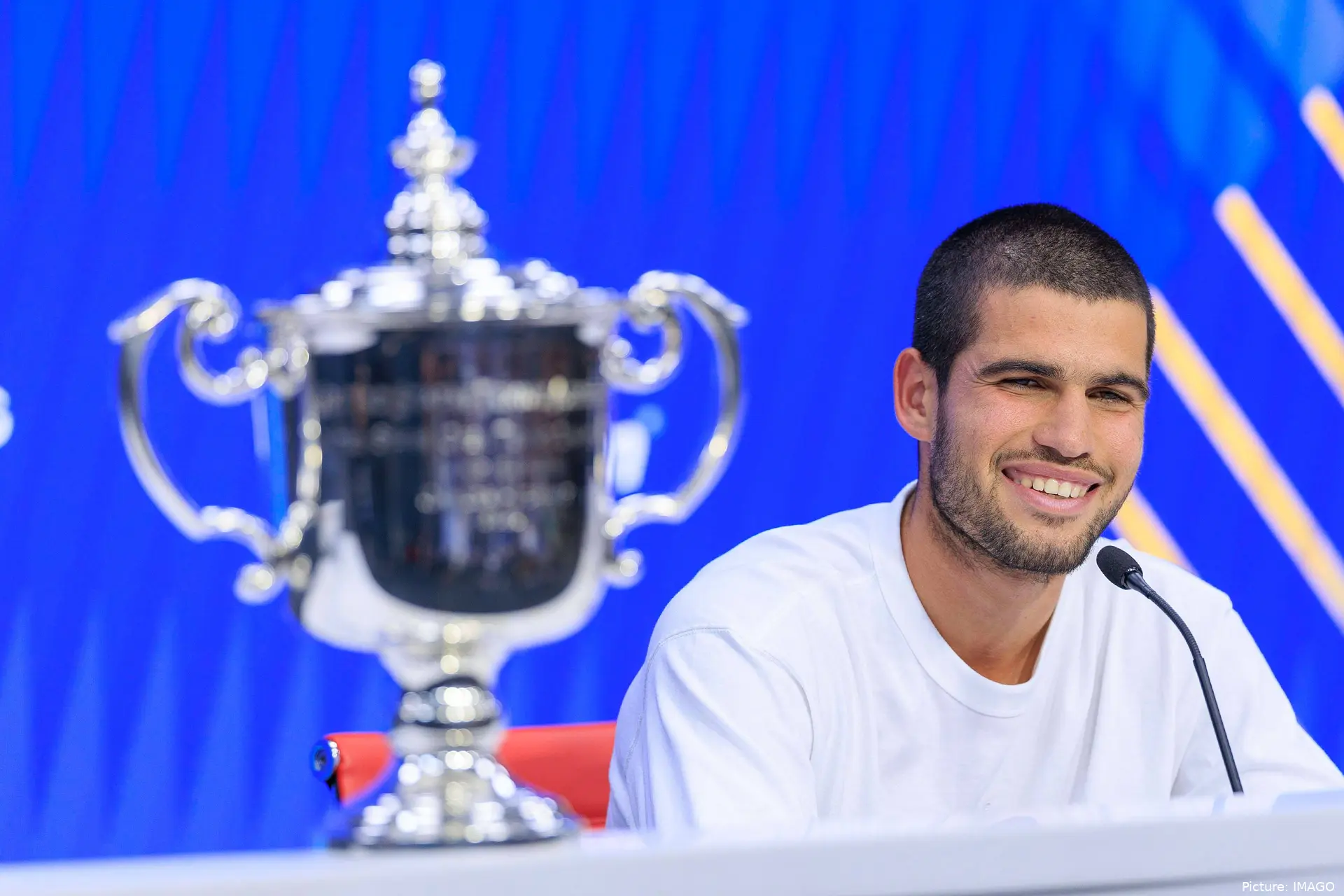
Carlos Alcaraz arrives at the US Open in a position he has never faced before. The No.2 seed is defending the title he won against Jannik Sinner last September, but his preparation has been unlike any previous Grand Slam campaign.
A right wrist injury suffered in Barcelona on April 14 has kept him away from the ATP Tour for almost five months, forcing him to rebuild his season from the ground up. His return also comes without the usual North American preparation. Alcaraz did not play Cincinnati or another hard-court tournament before New York, making the US Open his first competition since Barcelona.
Before the injury, he had won the Australian Open and Doha and reached the Monte-Carlo final, where he lost to Sinner. Now he returns directly to a Grand Slam as defending champion. The circumstances are particularly unusual because this is not simply another tournament for Alcaraz.
He has won the US Open twice, including last year's final against Sinner, and owns a 24-3 record at Flushing Meadows. Yet his next match will come after his longest competitive absence, against Roman Safiullin, who reached the fourth round at Wimbledon and defeated Alcaraz at the 2023 Paris Masters.
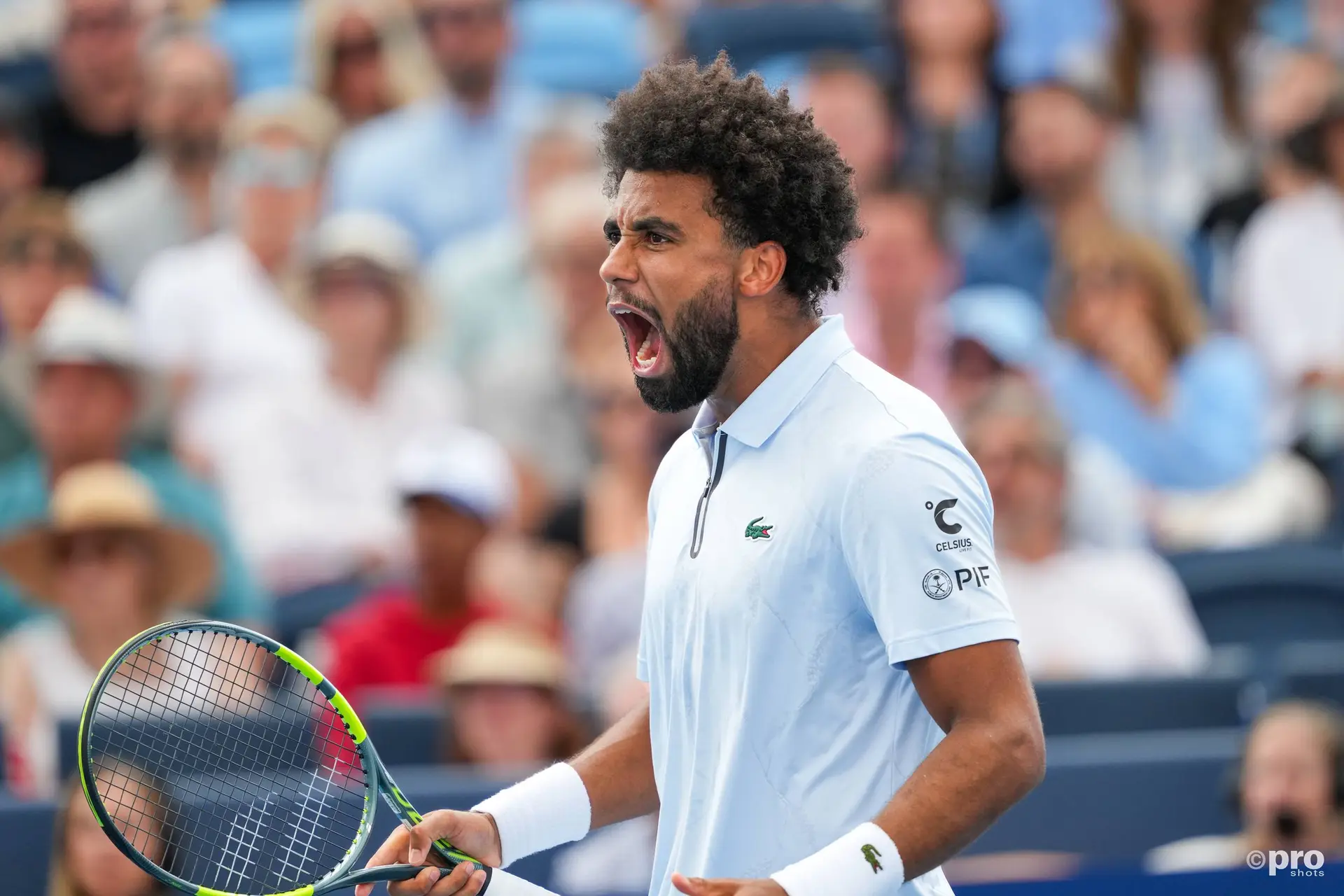
Alcaraz's answer to five months away
The decision is striking given the length of the absence. Alcaraz could have modified his movement or technique to reduce the demands on his wrist, but he rejected that possibility. His explanation was tied not only to the US Open but to the player he wants to remain throughout his career. He does not want an injury to dictate how he plays once he returns.
“Well, no, not at all. I just, I've been doing the same things," the world No. 3 said at press conference. "I didn't change anything about technique, about movement, about the way that I'm gonna play. I just wanted to feel like I'm gonna be myself. And I think that's important. So if I just felt that I had to change something to come here, I wouldn't be here. So I think for me, the most important thing is to be and to keep my identity, myself.”

That decision comes after a 2026 season in which Alcaraz had already established himself as Sinner's principal rival. He entered the year with the chance to complete the career Grand Slam and did so in Melbourne, becoming the youngest man to achieve the feat.
After Doha, he reached the Monte-Carlo final before the wrist injury ended his clay-court campaign and ultimately ruled him out of Roland Garros and Wimbledon. The work since then has been deliberately demanding.
“I just did whatever it took to be ready. I just, I tried to do everything perfect on and off the court to feel ready," he added. "Really long practices, really intense practices, just to see how my group is gonna react on the practices and after that really long, really long days. We saw it's everything okay, it's everything good with those practices. We believe and we thought that, all right, it's gonna be the time to be back.”
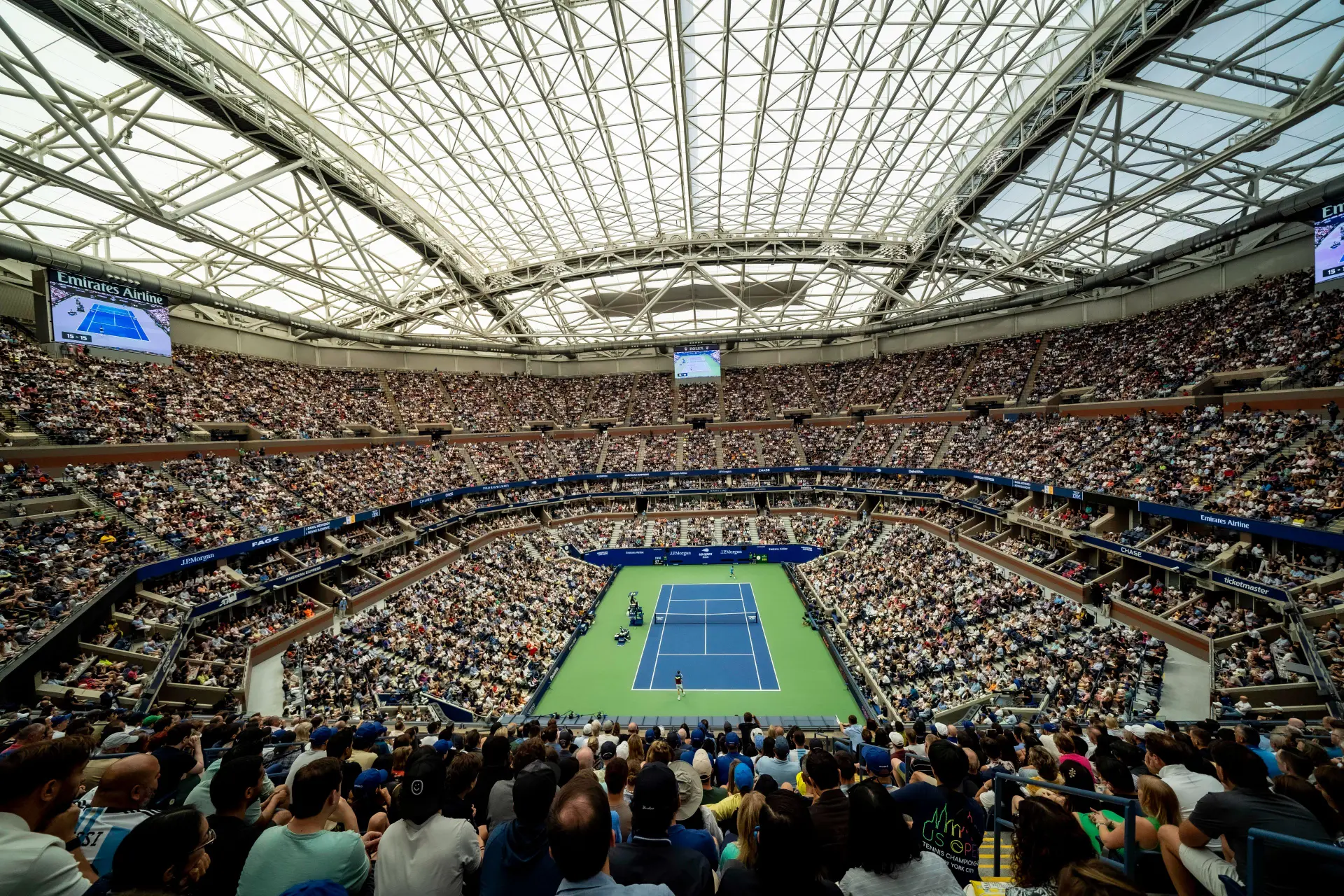
The part no practice can reproduce
Competition remains the variable Alcaraz could not recreate during rehabilitation. His first official singles match in almost five months will be played over five sets, against an opponent with a previous win over him. There is no best-of-three warm-up event and no opportunity to ease into the American swing.
“Well, I know coming here, coming to the US Open, best of five for the first tournament in such a long time, it's really challenging," the 7-time Grand Slam champion stated. "And probably in times of recuperation and everything, it's not the best thing. But, you know, we, MIT and me believe that I'm just, I'm ready. And it wasn't an easy decision. I just did whatever it took to be ready.”
The uncertainty had been especially difficult when Alcaraz first resumed training. During the first month, he could not do anything with his right arm; once practice returned, he still had no clear timetable. Cincinnati was a possibility, the US Open another, while missing the entire American swing remained possible. The absence eventually stretched through the biggest tournaments of the summer.
“Those thoughts were really difficult to deal with because I don't know if I'm gonna be ready for Cincinnati, for US Open, or I'm gonna miss, you know, the whole American swing. So that thoughts were really difficult to deal with. But finally here we are. My goal was try to be healthy as soon as possible and try not to miss, you know, more competitions. So I would say that intrusive thoughts were the most difficult things to deal with within this process.”
Alcaraz now has the answer to the question that dominated his recovery: he is back. What remains unknown is whether the wrist will disappear from his mind once the match begins. His previous arm injury taught him that medical reassurance alone is not enough; eventually, the player has to trust the body again. That is the challenge waiting against Safiullin, and Alcaraz has already identified his response.
“I think that injury helped me a lot to know right now that it's all on my head. I just, I gotta trust my team. I gotta trust my people that tell me that it's gonna be fine. So I just have to go 100%. And then right now, I think with the practice that I've made so far, it's been all good. So just trying to stay away from that fear and I'm playing normally.”

Cristhián AvilaTennis Journalist
Cristhián Ávila is a tennis journalist based in Santiago, Chile, and has been part of the TennisUpToDate team since early 2023. He covers the ATP and WTA Tours as well as all four Grand Slams, producing breaking news, match reports, analysis, and regular liveblogs from major tournaments.
His reporting combines statistical analysis with clear explanation, helping readers understand tactical developments, player form, and broader storylines across the tour. Working fluently in both Spanish and English, Cristhián collaborates with an international editorial team and contributes to comprehensive global coverage. As part of his work, he has conducted interviews and media interactions with leading figures in the sport, including Caroline Wozniacki and John McEnroe.
In his journalism, Cristhián places strong emphasis on careful sourcing, editorial accuracy, and updating articles promptly when new, verified information becomes available. His coverage is grounded in research, context, and direct engagement with professional tennis.
claps 0visitors 0
Just In

Popular News
Latest Comments
- great articlestennisseserver07-10-2026
- Medvedev was leading Djokovic 7-5, 3-5 when an attempted return..' NO you ignorants, Djokovic was leading .weiss05-10-2026
- No more bullshit "Wildcards" to these two. Qualify like everyone else -- there will be cameras there, too. Time to scream... WTF ????!!!!
 mandoist29-09-2026
 - Let's not BS the general public -- Sabalenka started showing cracks in her game last season. Her losses and near-losses started at about the same time she began being distracted by Fame (constant Selfies, making TV commercials, magazine shoots, endless Social Media nonsense, etc., etc.) One would think even Saba could recognize the parallels with others who failed before her -- Raducanu, Giorgi, Bouchard to name a few.mandoist25-09-2026
- Gross!! Hey Raducanu, Giorgi, and Bouchard -- reserve a seat at your Social Media Selfie table for Saba + Naomi. They're heading in your direction soon enough.mandoist24-09-2026
- And then these same players will complain about how lengthy their season’s were and need more time-off. I’m all for more tennis but the amount of tennis we get now is actually kind of crazy! We all need a break, especially the players.DaveyWavey23-09-2026
- You should do a comparison article for "different kinds of justice" the courts decide for tennis players. I can think of at least three players who received very small bans of a few months, however Tara Moore has been fighting for her literal survival the past few years. It seems odd considering she is not a "name" player, unlike the other cases.DaveyWavey22-09-2026
- PRIZE MONEY & POINTS Winner - $185,500 Finalist - $114,500 Semi-Finalist - $66,003 Quarter-Finalist - $35,000 Round of 16 - $18,045 Round of 32 - $13,005 Winner - 500 Finalist - 325 Semi-Finalist - 195 Quarter-Finalist - 108 Round of 16 - 60 Round of 32 - 1DaveyWavey20-09-2026
- Pegula withdrew from this Singapore event
 tennishappens19-09-2026
 - Serena Williams chose her tournaments. It's not such a bad idea.MuswellHillbilly17-09-2026

Loading