"I know for a fact he turned down huge deals": Patrick Mouratoglou says Djokovic is 'the least fake person' in tennis world
ATP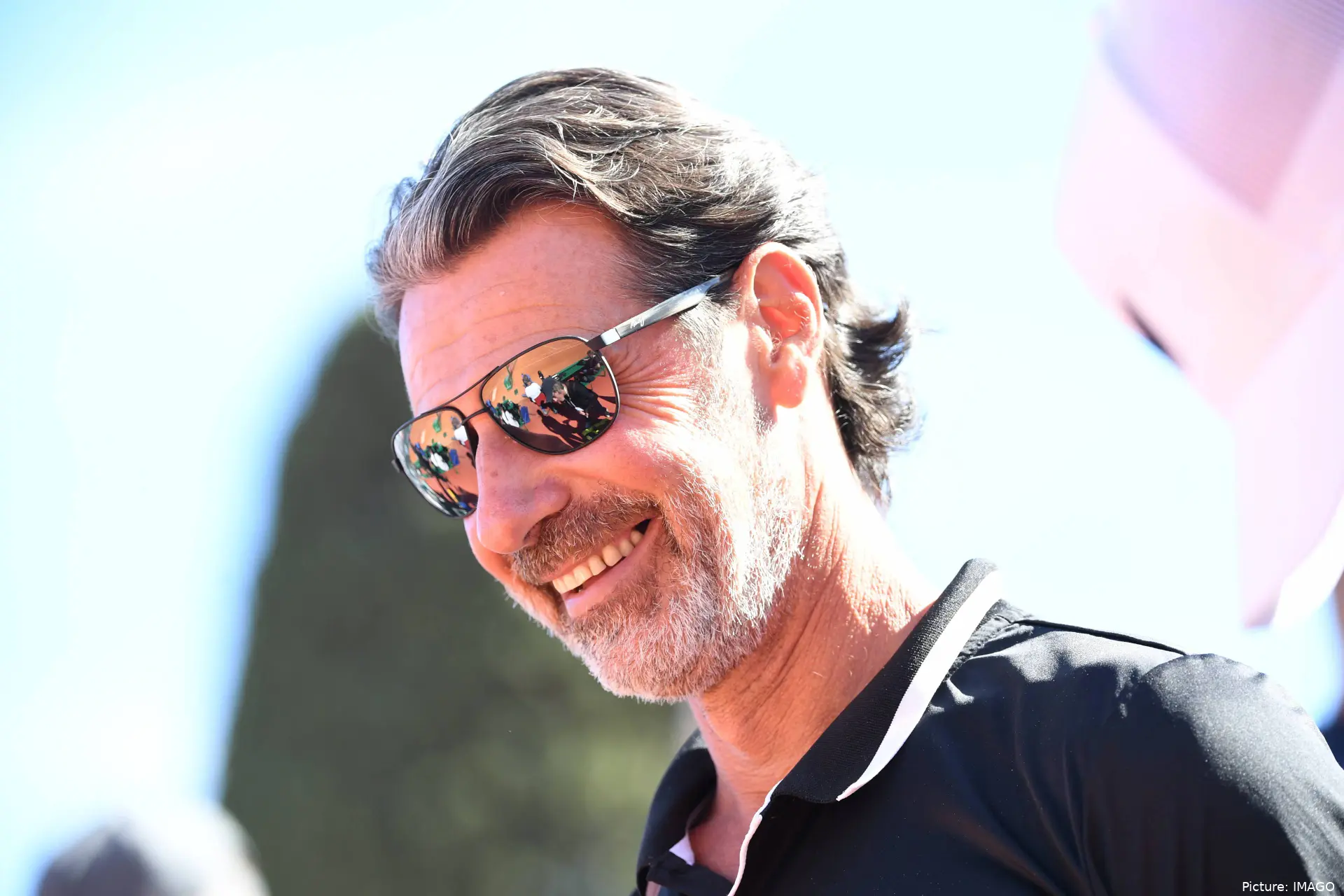
In the hyper-commercialized ecosystem of professional sports, where an athlete's jersey is often a billboard to the highest bidder, Novak Djokovic stands as a rare anomaly. Patrick Mouratoglou, the renowned coach who has guided legends like Serena Williams, recently took to LinkedIn to dissect a side of the Serbian champion that often goes unnoticed: his steadfast refusal to accept lucrative sponsorship deals that contradict his personal values.
Citing Djokovic’s recent admission that he cannot "represent something I don’t believe in," Mouratoglou argues that this financial discipline reveals the true character of a man often unfairly labeled as inauthentic by the public.
For Mouratoglou, the irony is palpable. While detractors have spent years calling Djokovic "fake" for his desire to be liked, the coach suggests the reality is the exact opposite. He points to hard evidence—specifically Djokovic’s rejection of massive contracts from industries like video gaming—to prove that the 24-time Grand Slam winner prioritizes his role as a role model over his net worth.
In an industry driven by greed and the short window of athletic earning potential, Mouratoglou posits that Djokovic’s willingness to leave millions on the table makes him "probably the least fake person in the entire tennis world."
The irony of authenticity
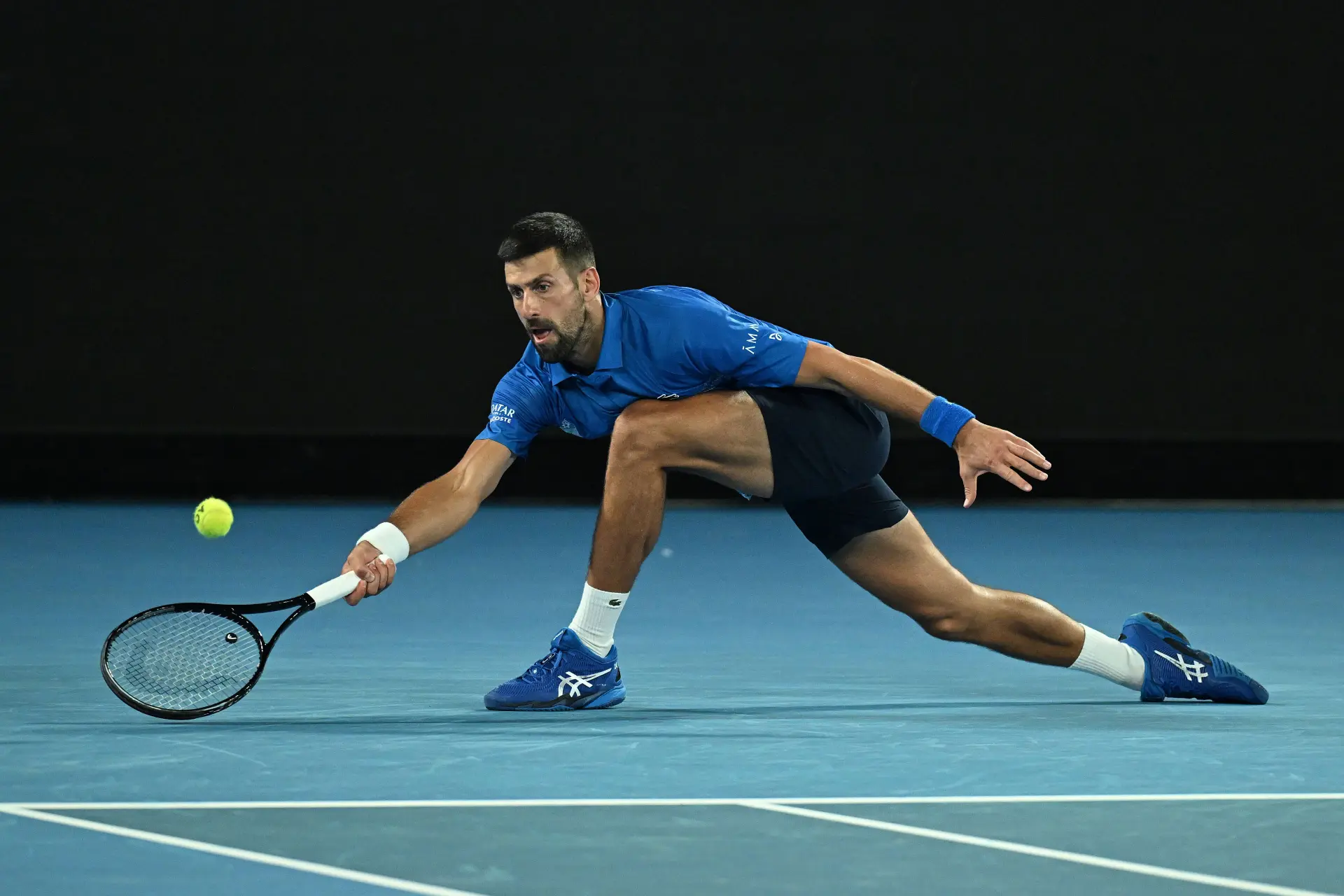
Mouratoglou’s central thesis challenges the long-standing narrative that surrounds Djokovic’s public persona. He emphasizes that true authenticity is not about PR curation, but about the alignment between one's beliefs and one's business decisions. The coach reveals that he knows "for a fact" that Djokovic has turned down numerous deals because he didn't think the products—such as video games—were good for children, regardless of how huge the contract was.
"It’s almost ironic: for years, people said he was the 'fake' one. Yet he is probably the least fake person in the entire tennis world. Novak has real convictions and money will never make him do something that goes against what he believes. Most people don’t realize how rare that is. I know for a fact that he has turned down many deals over the years: because he didn’t believe in the product, because he didn’t align with the company’s values, because he didn’t think video games were good for kids, even if the contract was huge for instance…"
Read also
The "rich athlete" fallacy
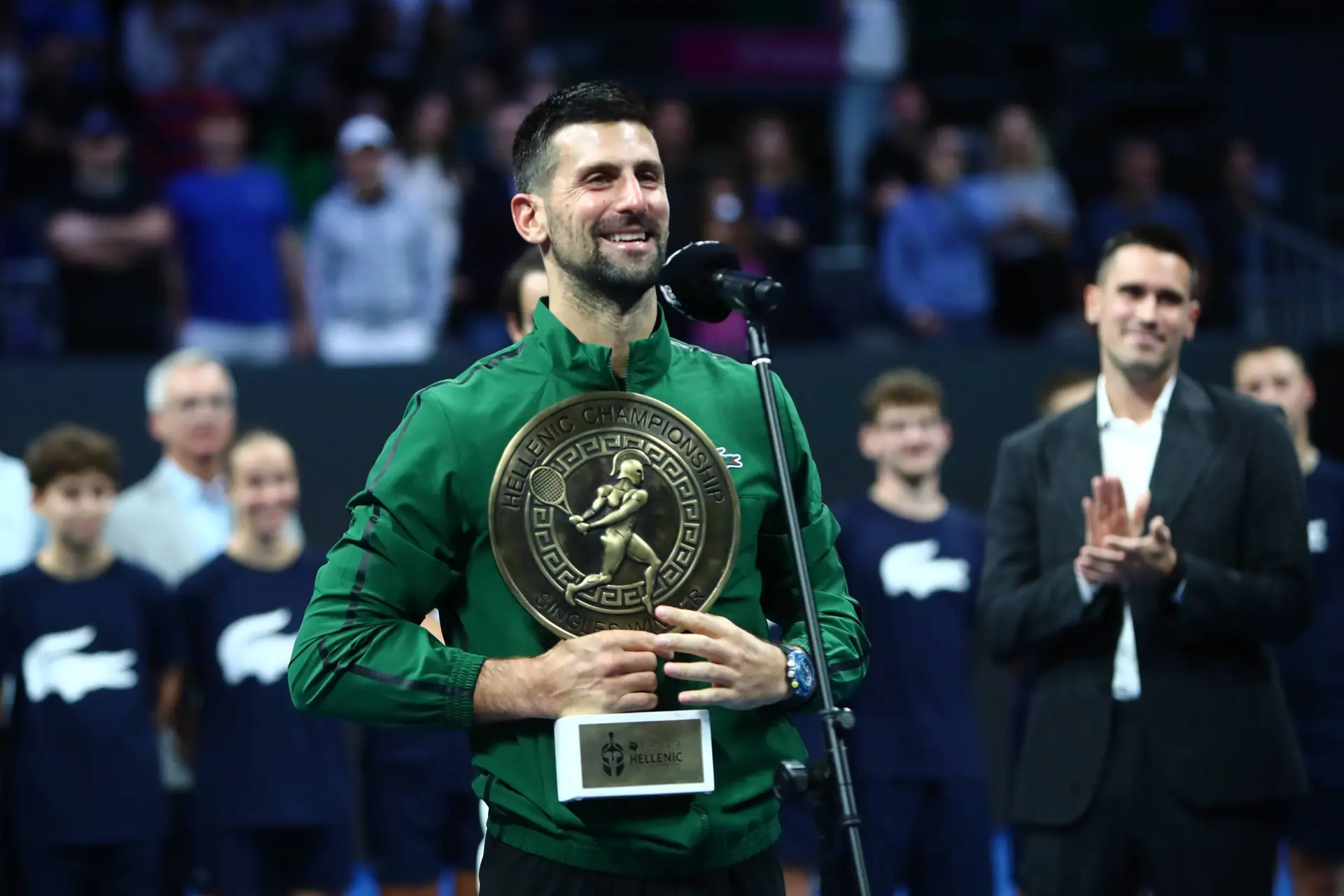
Anticipating the cynicism that often greets wealthy athletes discussing principles, Mouratoglou dismantled the argument that it is "easy" for Djokovic to have integrity because he is already rich. Drawing on his decades of experience on the tour, the Frenchman noted that human nature typically drives those with money to desire even more, especially in a career where financial security is hard-won after years of struggle. By resisting this natural urge to accumulate, Djokovic proves that for him, integrity is a non-negotiable currency.
"And yes, many will say 'It’s easy for him, he’s rich.' But let me tell you something: Most players who make the same kind of money do not turn down contracts for personal beliefs. And second: Don’t think that people who have a lot of money don’t want more. For most, it’s never 'enough.'... That’s why Novak is different. For him, money is not a value. Security matters. Stability matters. But not at the price of his integrity."
"Whether you like Novak or you don’t, this part of his personality deserves respect," concluded the former coach of Serena Williams, Simona Halep and Holger Rune.

Cristhián AvilaTennis Journalist
Cristhián Ávila is a tennis journalist based in Santiago, Chile, and has been part of the TennisUpToDate team since early 2023. He covers the ATP and WTA Tours as well as all four Grand Slams, producing breaking news, match reports, analysis, and regular liveblogs from major tournaments.
His reporting combines statistical analysis with clear explanation, helping readers understand tactical developments, player form, and broader storylines across the tour. Working fluently in both Spanish and English, Cristhián collaborates with an international editorial team and contributes to comprehensive global coverage. As part of his work, he has conducted interviews and media interactions with leading figures in the sport, including Caroline Wozniacki and John McEnroe.
In his journalism, Cristhián places strong emphasis on careful sourcing, editorial accuracy, and updating articles promptly when new, verified information becomes available. His coverage is grounded in research, context, and direct engagement with professional tennis.
claps 0visitors 0
Just In


Popular News


Latest Comments
- Does Sinner need that 4.5 mil? I doubt it. He can make that with three modelling gigs!😅🤣Rapunzel21-10-2026
- Did "People Magazine" purchase this website? This nonstop storyline is bullshit.
 mandoist21-10-2026
 - Listen... this is of no concern to anyone but these two. Deal with your own issues -- most of us have our own. Thanks, media, for these insignificant follow-ups which are meaningless.mandoist21-10-2026
- This is so very very sad, for all three of them. I truly thought they had an unbreakable bond, but life throws up so many differing challenges. Having your homeland suffering in such a terrible way, makes happiness lose out to guilt as well. Our thoughts are with them. X💔bjsexton20-10-2026
- I have lost all respect for Svitolina! Could she not have waited until he had played at the Paris Masters!!! She is selfish and don't give a damn about Gael. That is NOT how love is demonstrated Elina!!Rapunzel19-10-2026
- Perhaps convenient tennis tour sex is not a strong enough experience in which to base a marriage?mandoist19-10-2026
- Fight the Good Fight... Tennis (sports in general) need more Humans such as yourself.mandoist18-10-2026
- When is WTA going to mandate Genetic Testing (DNA) ???mandoist18-10-2026
- Hey, Dan... you just wake up from a coma? Regardless -- Thanks for the comedy this morning!mandoist18-10-2026
- Two Things: 1. Stop allowing these Spoiled Trust-Fund Elitists to behave badly. Your little hand-slaps do not deter them. 2. STOP the incessantly annoying "towel wiping" nonsense!!!!mandoist15-10-2026

Loading