"I’m thinking, ‘What? We don’t want peace!": John McEnroe recalls rift with Jimmy Connors and attempts to patch it up
ATP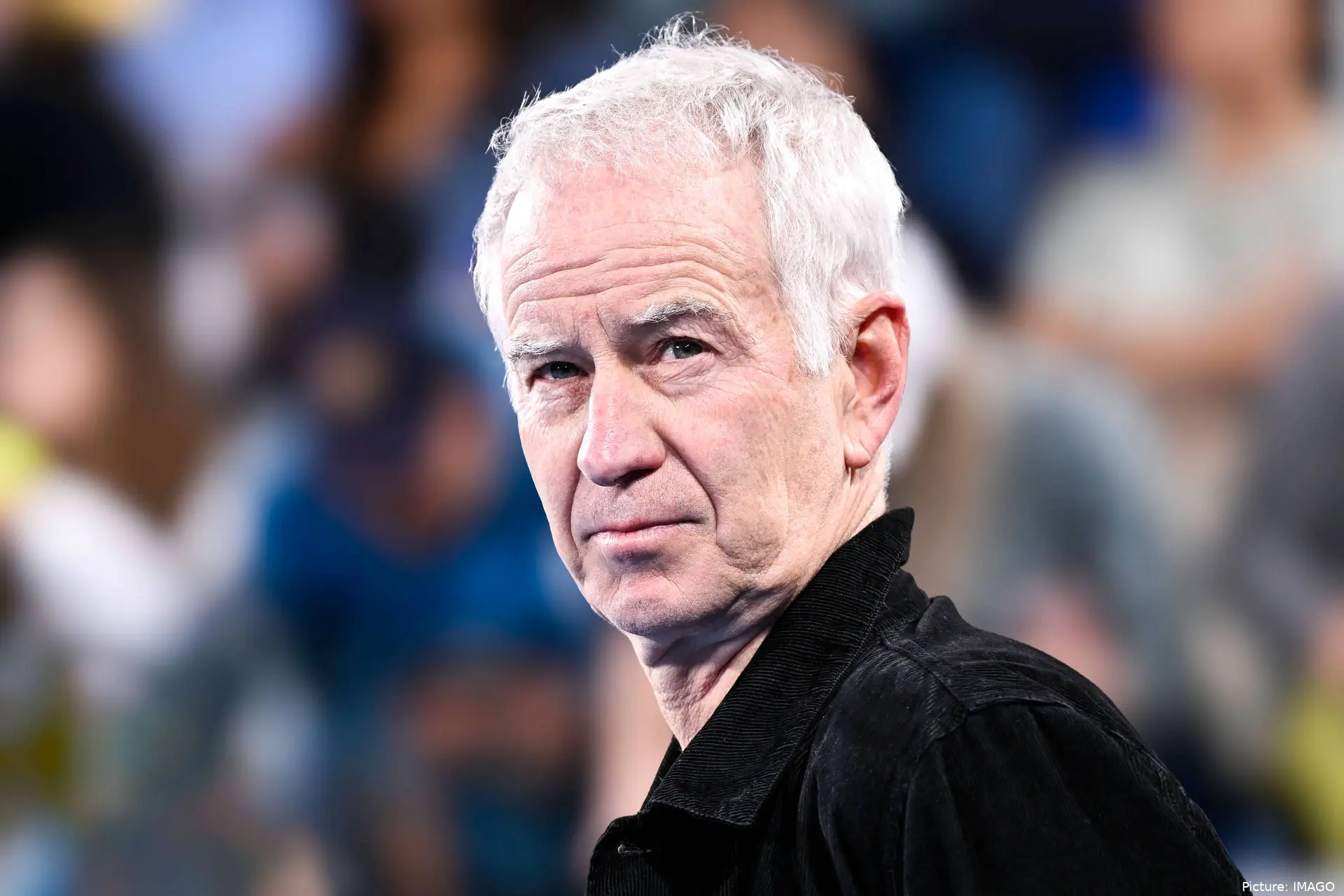
Few figures in tennis embody both the fire of competition and the weight of legacy quite like John McEnroe. After seven years as Team World captain at the Laver Cup, McEnroe has a unique perspective on the stress, strategy, and symbolism behind an event that has become one of the sport’s most distinctive stages.
“It’s stressful,” he admitted during a live edition of Served when asked what Andre Agassi and Yannick Noah, the current captains, would be feeling as the 2025 edition got underway. “They’re questioning the decisions they made — the picks, how it’s going to work out — and hoping there’s still some fun in it. It’s a great event; I did it for seven years and loved it. But in the moment, it feels like a lot’s at stake.”
For McEnroe, the Laver Cup has always been an uphill battle for Team World, given Europe’s depth of top players. But the challenge was also what drove him. “Ultimately, as a captain, you try to make that tiny little bit of difference — maybe five percent — that could be the difference between winning and losing,” he said.
If singles stars usually grab headlines, McEnroe has long believed that doubles often decides the Laver Cup. The loss of players like Ben Shelton and Tommy Paul — both dangerous in singles and strong in doubles — struck him as especially costly.
“Doubles is more important than people think — critically important at the end,” McEnroe said. “The first year Team World finally won, Felix Auger-Aliassime had to play doubles even though he didn’t really want to. He ended up playing Novak in singles, too. We were way behind on the last day — the day with the most points. That’s why the format’s set up the way it is: it ain’t over till it’s over.”
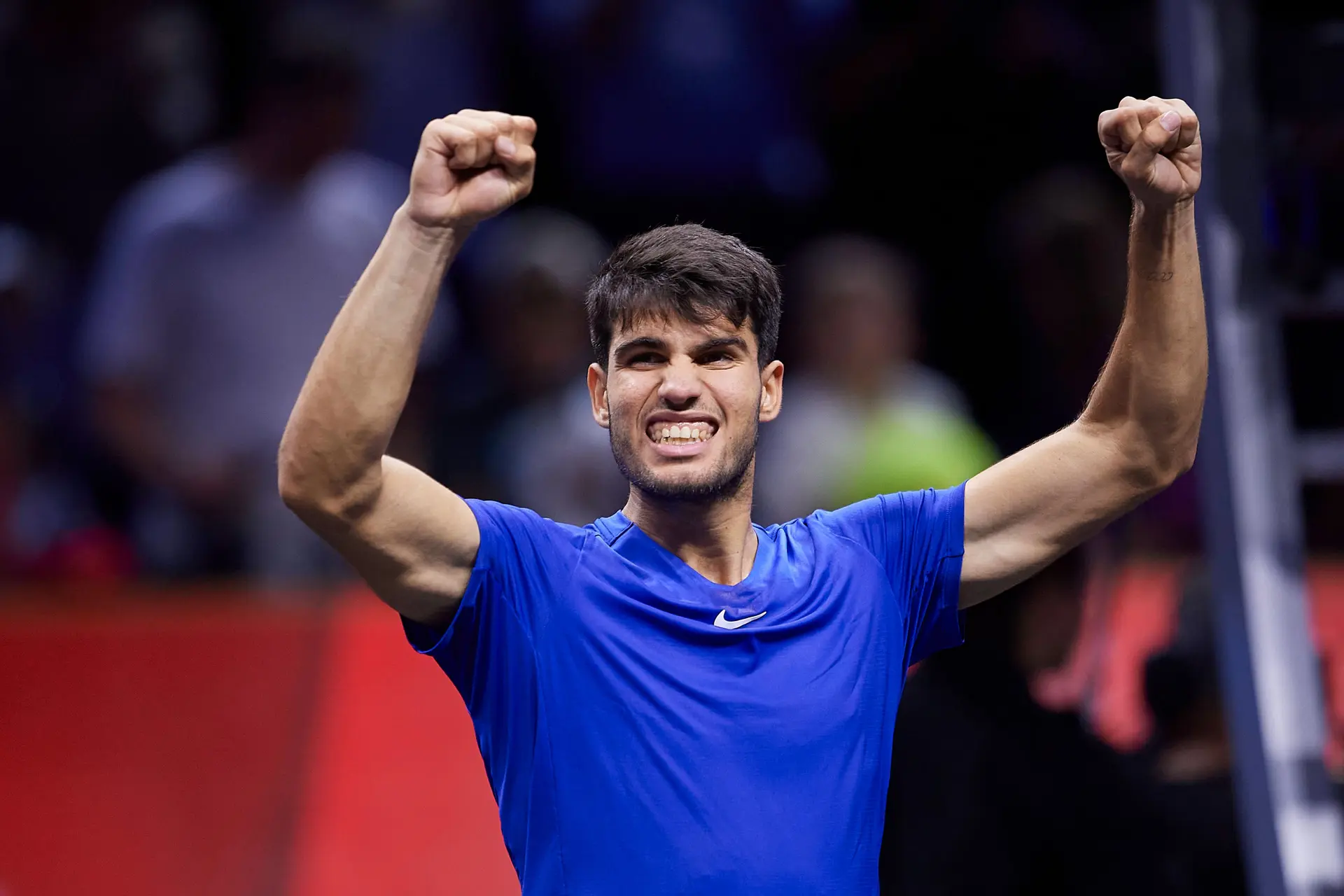
Shelton, he added, had been “great for a couple of years” and versatile with multiple partners. “I wanted Ben to play every doubles match he could. I liked him with different partners, and he did well with everyone. You want your best players out there the last two days.” The structure of the event is part of what appeals to him. “It’s great: not best-of-five, just two sets and a breaker. Fans love that,” he said.
Strategising for the Laver Cup wasn’t just a captain’s job, McEnroe stressed; it was collaborative. “The good thing about some of our players — Taylor Fritz comes to mind — is that they’re really well-prepared. They think through all the possible scenarios,” he explained.
He preferred involving players in discussions about lineups and matchups. “It really was a group thing. I wanted them in the meetings. We made the final call so they wouldn’t feel guilty about leaving someone out, but they were absolutely involved in predicting who Bjorn [Borg] would pick.”
Imagining McEnroe in the Laver Cup
Asked who his dream partner might have been if the Laver Cup had existed during his playing days, McEnroe laughed. “God, I hadn’t thought about that. Imagine me and Jimmy Connors together? Well, I don’t know if that would’ve happened.”
Borg, the only rival he never fought with, would have been on the opposing side. More likely, McEnroe could have teamed with his longtime doubles partner Peter Fleming, or even Pete Sampras, with whom he played Davis Cup. “I even played Davis Cup once with Connors,” he added. “For nine of the 12 months we got to the finals, we didn’t speak to each other. That’s not the team vibe you want.”
A rift with Connors
That frosty partnership with Connors remains one of McEnroe’s most memorable stories. “It wasn’t ‘we,’ it was him,” he said. “He started it. I’d played Davis Cup every year for seven years before 1984. Suddenly Jimmy and his manager realised the only thing missing from his résumé was Davis Cup. He’d always refused to play.”
With Arthur Ashe as captain, tensions came to a head. “Arthur told me: ‘John, the team dinner’s Wednesday. Jimmy doesn’t want you there.’ I said, ‘Arthur, I’ve played every match for seven years. Jimmy just came in for his résumé. Maybe he should skip dinner.’ Arthur agreed. So Jimmy didn’t come. We didn’t speak most of that year.”

John McEnroe with Boris Becker.
At the final in Sweden, McEnroe and Fleming faced Stefan Edberg and Anders Järryd in doubles, trailing two sets to one, when he noticed Connors suddenly cheering him on. “I thought, ‘To hell with that guy,’” McEnroe laughed. “But I felt horrible because I was playing for my country.”
After the match, Connors unexpectedly extended an olive branch. “We went out to dinner, and suddenly he’s like, ‘It’s all good, John.’ And I’m thinking, ‘What? We don’t want peace!’”
Rod Laver: tennis’s answer to Babe Ruth
Beyond the rivalries and tension, McEnroe’s deepest respect is reserved for the man whose name the event bears: Rod Laver. “Rod Laver is our Babe Ruth,” he said, recalling watching him as a boy. “I used to cry when he lost to Ken Rosewall. He had that huge left arm — I tried everything to make mine bigger, but I’m the only number one with arms the same size.”
Laver’s accomplishments remain almost mythical. “He won the Grand Slam twice. In 1962 as an amateur, then again in 1969 after being barred from the majors for five years because he turned pro. That’s insane. He was 30 or 31 when he did it. He made about $100,000 in 1970 playing 35 events. A first-round loser makes that now at the US Open — thanks to him.”
What stood out most to McEnroe was the sacrifice. “People don’t realise the grind. Playing in high school gyms, putting up and taking down courts six days a week just to scrape by. Federer had the vision to honour him with the Laver Cup, and I think young guys like Alcaraz get it.”
Read also
Saying yes to the captaincy and reconnecting with Borg
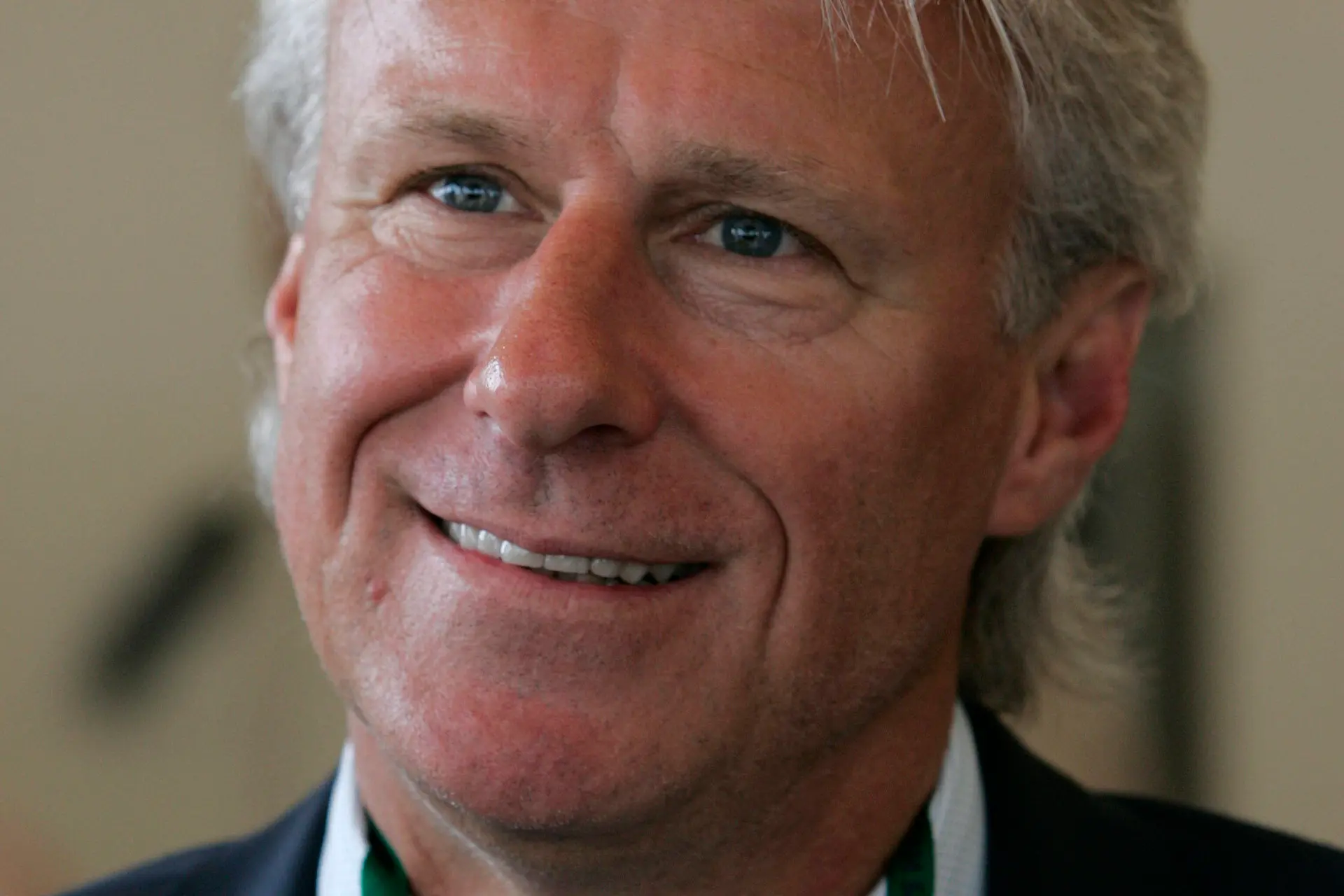
When Roger Federer and his agent Tony Godsick first floated the idea of captaining Team World in 2017, McEnroe didn’t hesitate. “Easy. Count me in,” he said. “They explained the vision at Wimbledon: make it like the Ryder Cup in golf, bring the best together as teams. Then they said the other captain would be Bjorn Borg. That sealed it.” Borg, he added, felt the same way: “Easy yes.”
For McEnroe, sharing the Laver Cup stage with Borg was perhaps the most personal gift of all. “Bjorn and I are synonymous in a way,” he said. “I remember watching him at Wimbledon when I was 13 — the coolest guy ever. He wins, and 200 girls run on court. That’s when I decided I wanted to be a pro.”
Their duels in Wimbledon and US Open finals became legendary, and though Borg retired too early for McEnroe’s liking, the Laver Cup gave them both a chance to reconnect. “It gave us the chance to see each other, hang out, relive memories. That’s been the greatest gift of all.”

Samuel GillEditor-in-Chief
Samuel Gill is the Chief Content Officer (CCO) of TennisUpToDate.com, a role he has held since 2020. He is responsible for editorial governance across the platform, including setting content standards, overseeing accuracy and consistency, and guiding long-term editorial strategy. Since joining, he has contributed more than 10,000 articles and editorial pieces across the TennisUpToDate network, playing a central role in the daily operation and development of the site.
Based in Leicester, Samuel has a broad background in tennis media. In his current role, he works closely with editors and writers to ensure coverage meets clear journalistic standards, with particular attention to verification, consistency, and timely updates when new information becomes available.
claps 0visitors 0
Just In

Popular News
Latest Comments
- Two Things: 1. Stop allowing these Spoiled Trust-Fund Elitists to behave badly. Your little hand-slaps do not deter them. 2. STOP the incessantly annoying "towel wiping" nonsense!!!!
 mandoist15-10-2026
 - A healthy Qinwen may be hard to stop next season. She was already scaring her opponents before her medical leave(s). Unfortunately, Zheng insisted on singing again. On the positive side -- Mirra did not sing!! ;~}mandoist11-10-2026
- Where is it written that athletes, entertainers... People in general... are mandated to keep looking at -- or even using [anti]Social Media? Public & private figures consistently complain and reveal their concerns about negativity and violence thrown at them -- yet they insist on participating. Avoid it, don't use it, don't read it. It's okay to occasionally look up at the World instead beating your eyes & thumbs to death on The Inventions out there.mandoist11-10-2026
- great articlestennisseserver07-10-2026
- Medvedev was leading Djokovic 7-5, 3-5 when an attempted return..' NO you ignorants, Djokovic was leading .weiss05-10-2026
- No more bullshit "Wildcards" to these two. Qualify like everyone else -- there will be cameras there, too. Time to scream... WTF ????!!!!mandoist29-09-2026
- Let's not BS the general public -- Sabalenka started showing cracks in her game last season. Her losses and near-losses started at about the same time she began being distracted by Fame (constant Selfies, making TV commercials, magazine shoots, endless Social Media nonsense, etc., etc.) One would think even Saba could recognize the parallels with others who failed before her -- Raducanu, Giorgi, Bouchard to name a few.mandoist25-09-2026
- Gross!! Hey Raducanu, Giorgi, and Bouchard -- reserve a seat at your Social Media Selfie table for Saba + Naomi. They're heading in your direction soon enough.mandoist24-09-2026
- And then these same players will complain about how lengthy their season’s were and need more time-off. I’m all for more tennis but the amount of tennis we get now is actually kind of crazy! We all need a break, especially the players.DaveyWavey23-09-2026
- You should do a comparison article for "different kinds of justice" the courts decide for tennis players. I can think of at least three players who received very small bans of a few months, however Tara Moore has been fighting for her literal survival the past few years. It seems odd considering she is not a "name" player, unlike the other cases.DaveyWavey22-09-2026

Loading