“It was a bad result”: Toni Nadal warns Alcaraz after Sinner’s Monte-Carlo win and rise to World No. 1
ATP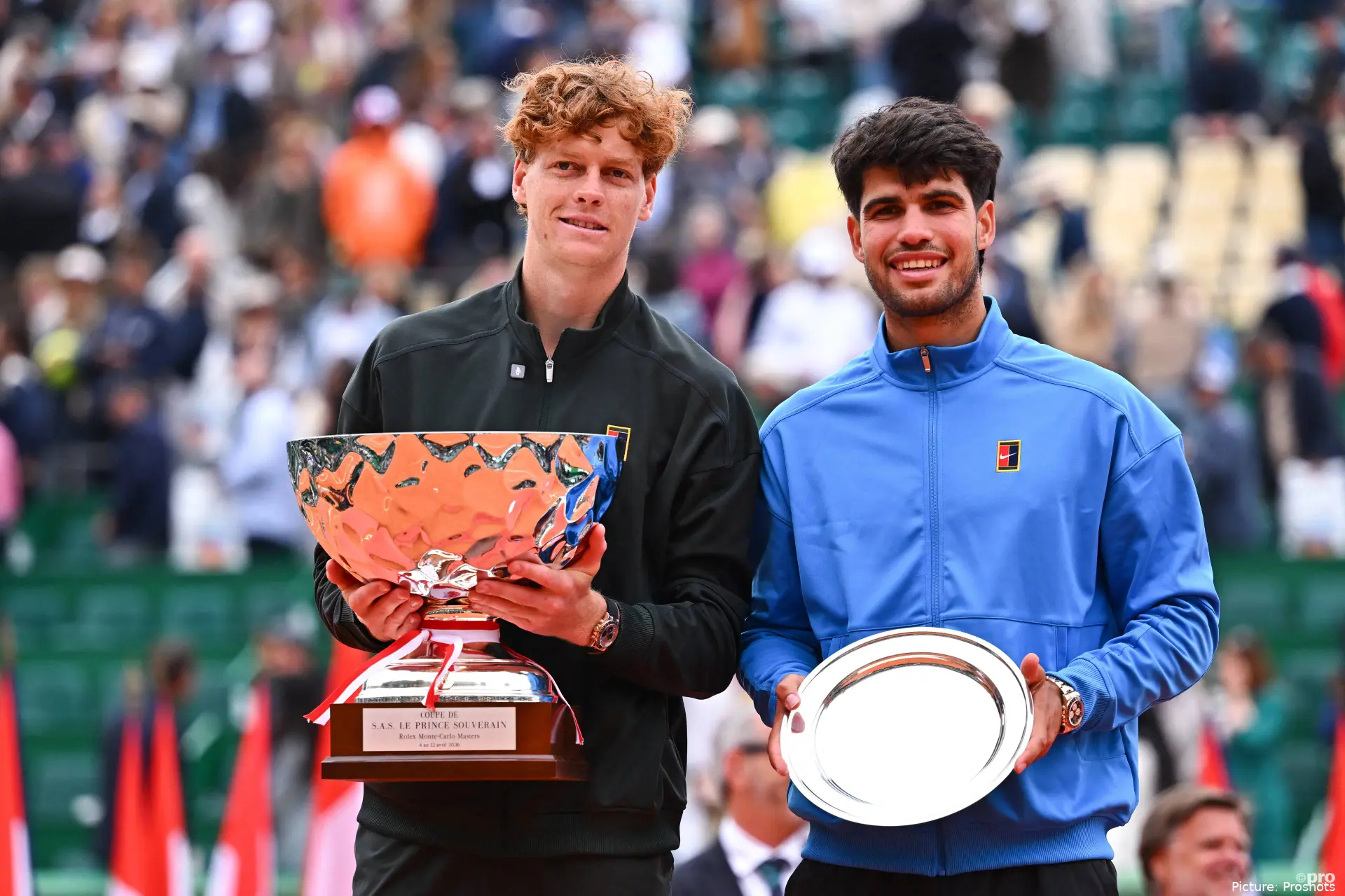
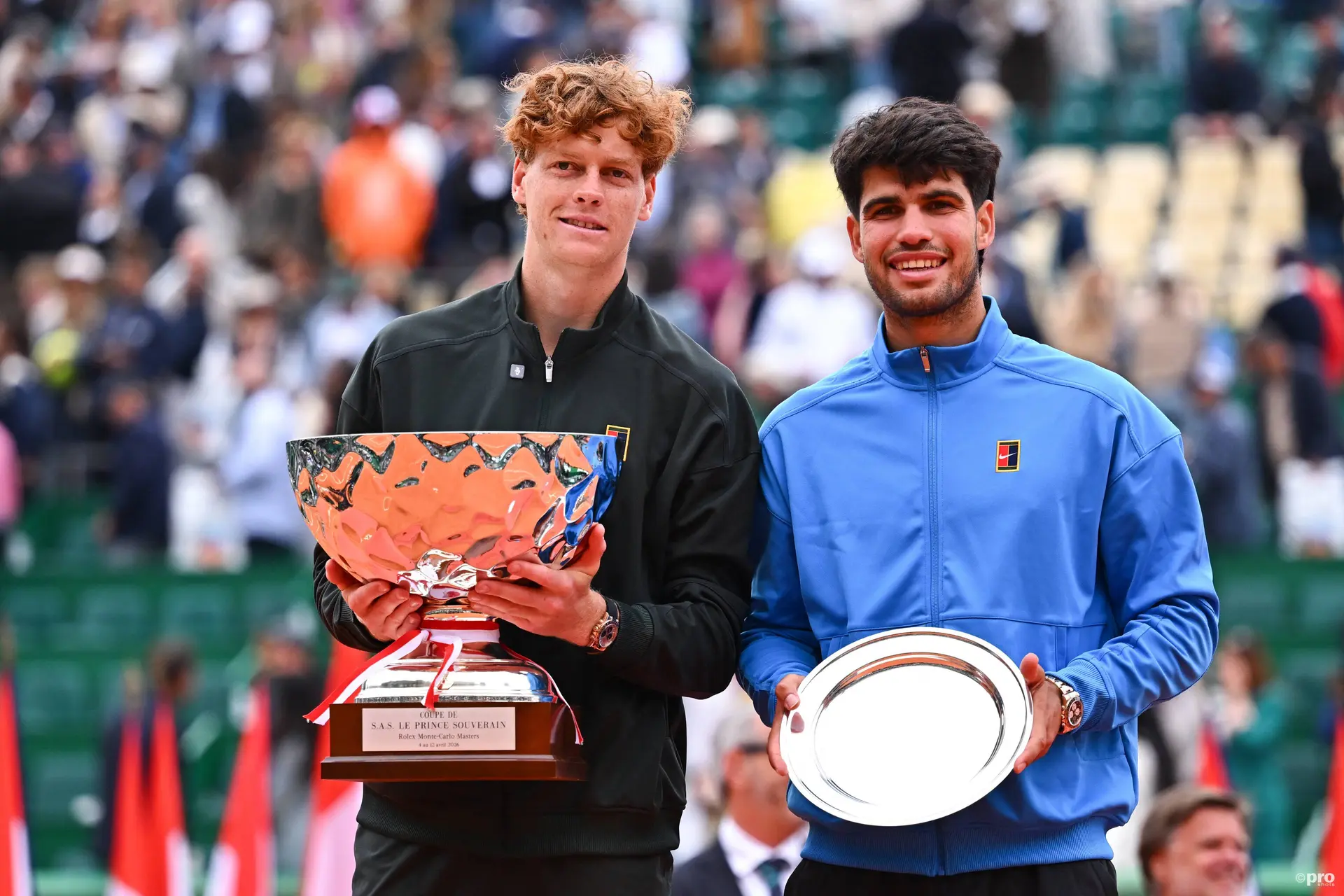
Toni Nadal described Carlos Alcaraz’s defeat to Jannik Sinner in the Monte-Carlo Masters final as a “bad result,” placing the outcome in the broader context of their growing rivalry and the clay-court season. The Spaniard, defending champion in Monaco, fell 6-1, 6-4 to Jannik Sinner, who secured the World No. 1 ranking with the victory and extended his Masters 1000 dominance.
The result adds another chapter to a rivalry that remains finely balanced but is increasingly defined by momentum swings. While Alcaraz had previously held the edge on clay, including their Roland Garros meeting, Sinner’s victory in Monte-Carlo—under similar conditions to Paris—signals a shift in confidence heading into the second Grand Slam of the year.
Toni Nadal pointed specifically to the tactical and contextual weight of the defeat, noting that Monte-Carlo is the Masters event that most closely replicates Roland Garros conditions. In that sense, Alcaraz’s inability to impose his game against Sinner carries added significance beyond a single final.
The loss also reinforces a recent trend. Sinner has now claimed four consecutive Masters 1000 titles and tightened the head-to-head margin, while Alcaraz continues to reach decisive stages but has struggled to assert control in key matches against the Italian in 2026.
“It was a bad result”: Toni Nadal on tactical and psychological impact
Toni Nadal described the Monte-Carlo outcome as a “bad result” for Alcaraz, not only because of the defeat itself but due to the context of the tournament. He argued that the Spaniard entered as a favourite but failed to impose conditions that could have disrupted Sinner’s rhythm.
“It was a bad result for Alcaraz, because the Monte-Carlo tournament is the Masters 1000 that most resembles Roland Garros, with conditions very similar to Paris," Toni Nadal explained to Onda Cero. "In addition, Sinner has won four Masters 1000 in a row, and that is bad news for Alcaraz. I think he was the favourite, but it seemed to me that he could have lifted the ball a bit more, and I think he played at the rhythm that favoured Sinner, and that is why he took the tournament.”
He suggested that tactical adjustments—such as varying height and pace—could have altered the dynamic. Instead, Alcaraz allowed exchanges to develop in patterns that suited Sinner, reinforcing the Italian’s control throughout the final stages of the match. “Obviously, the distance between the two is very small, sometimes in favour of Alcaraz, sometimes in favour of the Italian.”
Emotional control and key moments under pressure
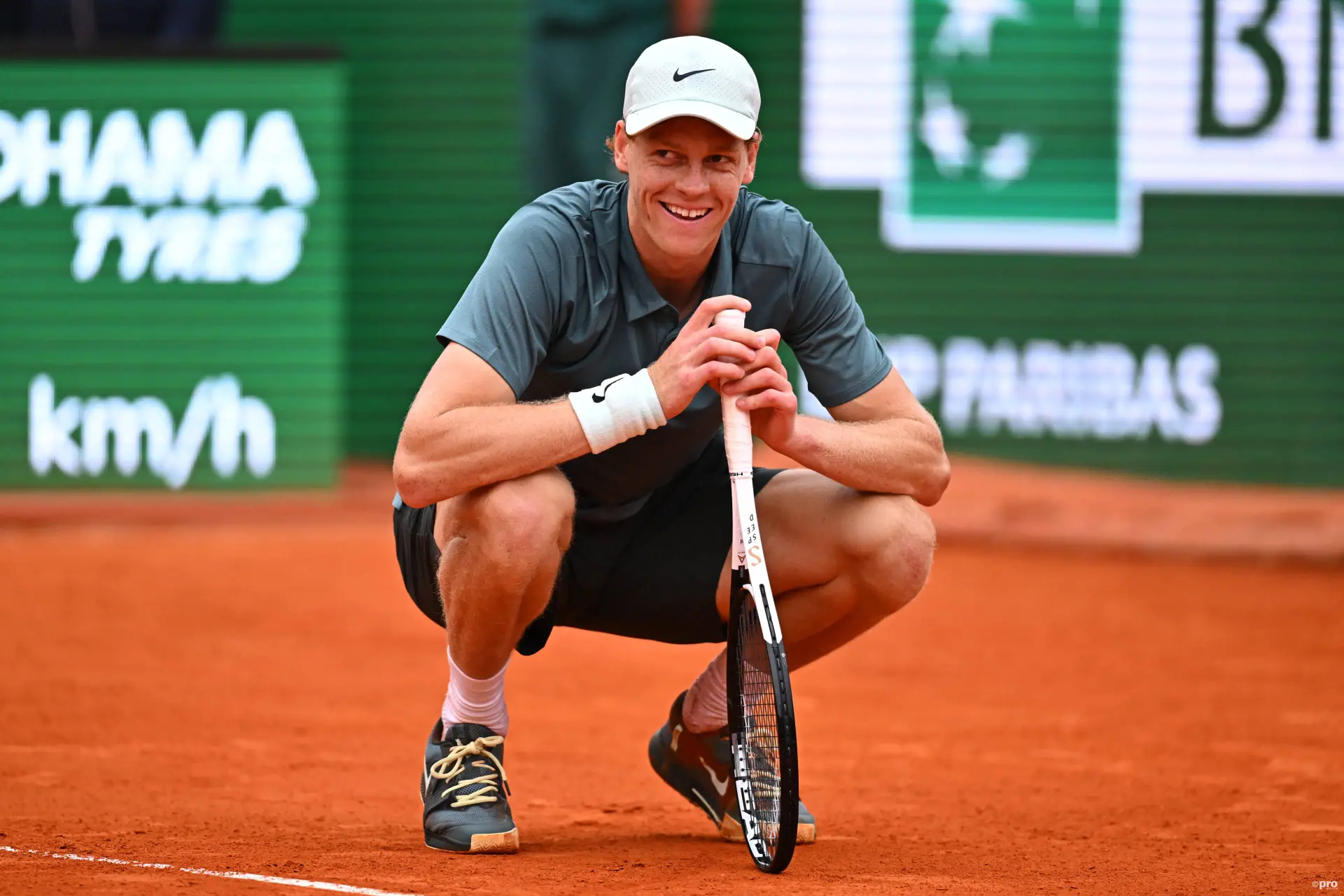
A second point of focus in Toni Nadal’s analysis was Alcaraz’s emotional management during the match. He highlighted visible exchanges with the player’s box as a sign of tension rather than constructive communication, contrasting it with Sinner’s composure.
“Alcaraz’s conversations with his box were more the result of desperation and nervousness at the moment. I think Alcaraz made more first serves than Sinner and I think Alcaraz entered a moment of nerves where you don’t control what you are saying. In the end Sinner was more regular than Alcaraz.
“It is rare for a player like Alcaraz to commit a double fault to concede the set, although it has also happened to Rafa Nadal in several finals against Djokovic. It happens to everyone, but here Sinner controlled the emotion better than Alcaraz.”
The reference to a double fault at a decisive stage underlines the fine margins involved. Toni Nadal noted that such moments are not uncommon even among elite players, but in this instance, they contributed to the overall impression of greater stability on Sinner’s side.
Clay-court implications ahead of Roland Garros
Looking ahead, Toni Nadal framed the result as potentially significant for the psychological balance between the two players on clay. He suggested that Alcaraz had an opportunity to reaffirm his standing on the surface, especially following previous encounters.
“For Alcaraz, it was important to have won in Monte-Carlo because it marks a certain distance with Sinner on clay after his defeat at Roland Garros and to show him that he is still the best on clay, but now this result, after Sinner’s recent victories, can create some doubts for Alcaraz or give Sinner extra confidence.
While Toni Nadal maintained that the gap remains minimal, he indicated that recent results have reinforced Sinner’s belief and reduced any previous advantage Alcaraz may have held on clay. “Neither of them will win Roland Garros if they do not play at one hundred percent. If they meet again in the final, Sinner already knows that he can beat him on clay and Alcaraz knows that he can feel a bit better. The distances on these surfaces have narrowed again.”

Cristhián AvilaTennis Journalist
Cristhián Ávila is a tennis journalist based in Santiago, Chile, and has been part of the TennisUpToDate team since early 2023. He covers the ATP and WTA Tours as well as all four Grand Slams, producing breaking news, match reports, analysis, and regular liveblogs from major tournaments.
His reporting combines statistical analysis with clear explanation, helping readers understand tactical developments, player form, and broader storylines across the tour. Working fluently in both Spanish and English, Cristhián collaborates with an international editorial team and contributes to comprehensive global coverage. As part of his work, he has conducted interviews and media interactions with leading figures in the sport, including Caroline Wozniacki and John McEnroe.
In his journalism, Cristhián places strong emphasis on careful sourcing, editorial accuracy, and updating articles promptly when new, verified information becomes available. His coverage is grounded in research, context, and direct engagement with professional tennis.
claps 3visitors 1
Just In


Popular News
Latest Comments
- A healthy Qinwen may be hard to stop next season. She was already scaring her opponents before her medical leave(s). Unfortunately, Zheng insisted on singing again. On the positive side -- Mirra did not sing!! ;~}
 mandoist11-10-2026
 - Where is it written that athletes, entertainers... People in general... are mandated to keep looking at -- or even using [anti]Social Media? Public & private figures consistently complain and reveal their concerns about negativity and violence thrown at them -- yet they insist on participating. Avoid it, don't use it, don't read it. It's okay to occasionally look up at the World instead beating your eyes & thumbs to death on The Inventions out there.mandoist11-10-2026
- great articlestennisseserver07-10-2026
- Medvedev was leading Djokovic 7-5, 3-5 when an attempted return..' NO you ignorants, Djokovic was leading .weiss05-10-2026
- No more bullshit "Wildcards" to these two. Qualify like everyone else -- there will be cameras there, too. Time to scream... WTF ????!!!!mandoist29-09-2026
- Let's not BS the general public -- Sabalenka started showing cracks in her game last season. Her losses and near-losses started at about the same time she began being distracted by Fame (constant Selfies, making TV commercials, magazine shoots, endless Social Media nonsense, etc., etc.) One would think even Saba could recognize the parallels with others who failed before her -- Raducanu, Giorgi, Bouchard to name a few.mandoist25-09-2026
- Gross!! Hey Raducanu, Giorgi, and Bouchard -- reserve a seat at your Social Media Selfie table for Saba + Naomi. They're heading in your direction soon enough.mandoist24-09-2026
- And then these same players will complain about how lengthy their season’s were and need more time-off. I’m all for more tennis but the amount of tennis we get now is actually kind of crazy! We all need a break, especially the players.DaveyWavey23-09-2026
- You should do a comparison article for "different kinds of justice" the courts decide for tennis players. I can think of at least three players who received very small bans of a few months, however Tara Moore has been fighting for her literal survival the past few years. It seems odd considering she is not a "name" player, unlike the other cases.DaveyWavey22-09-2026
- PRIZE MONEY & POINTS Winner - $185,500 Finalist - $114,500 Semi-Finalist - $66,003 Quarter-Finalist - $35,000 Round of 16 - $18,045 Round of 32 - $13,005 Winner - 500 Finalist - 325 Semi-Finalist - 195 Quarter-Finalist - 108 Round of 16 - 60 Round of 32 - 1DaveyWavey20-09-2026

Loading