“It’s purely hypocritical”: Andy Roddick calls out Kyrgios over Sinner doping attacks after cocaine test
ATP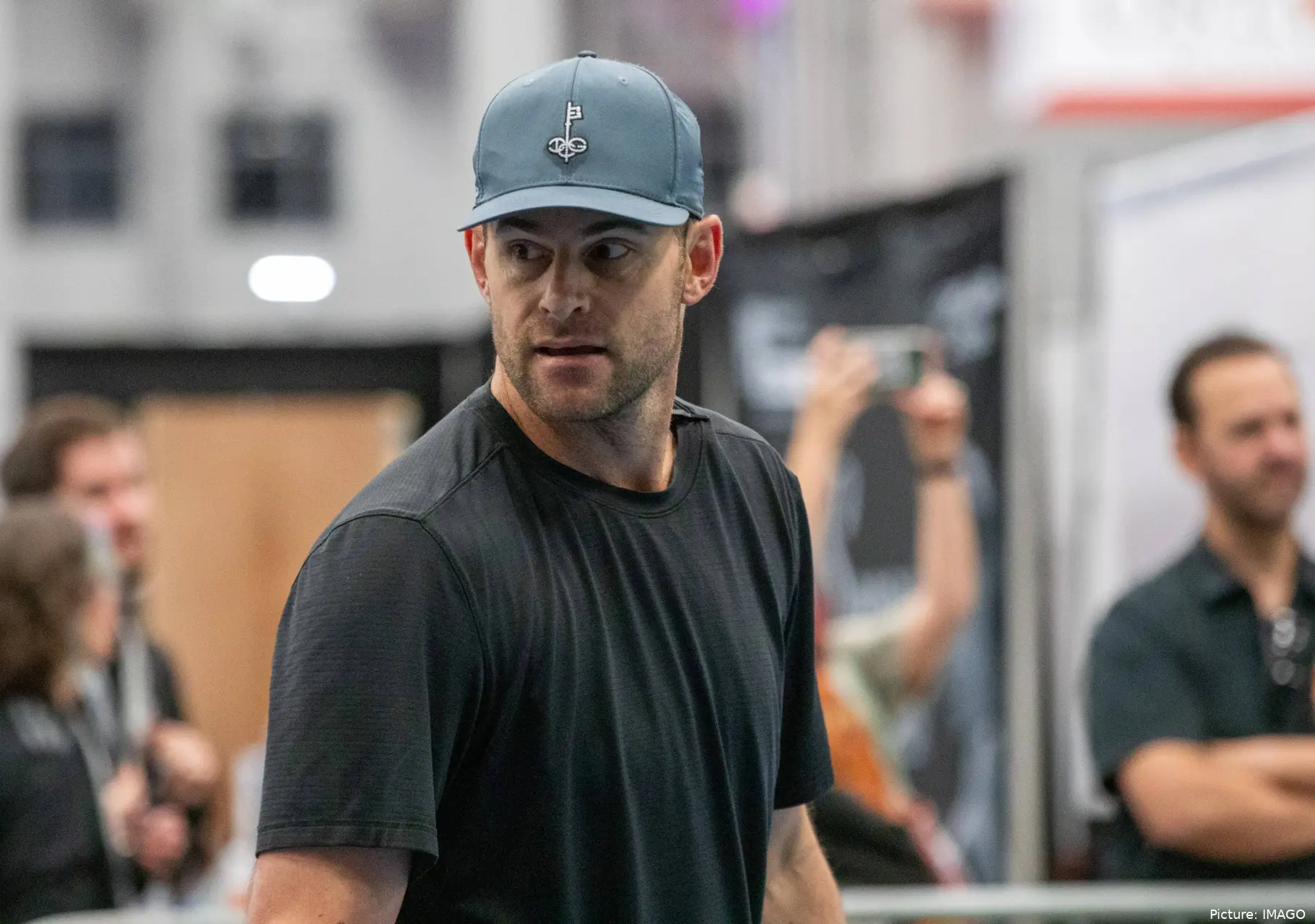
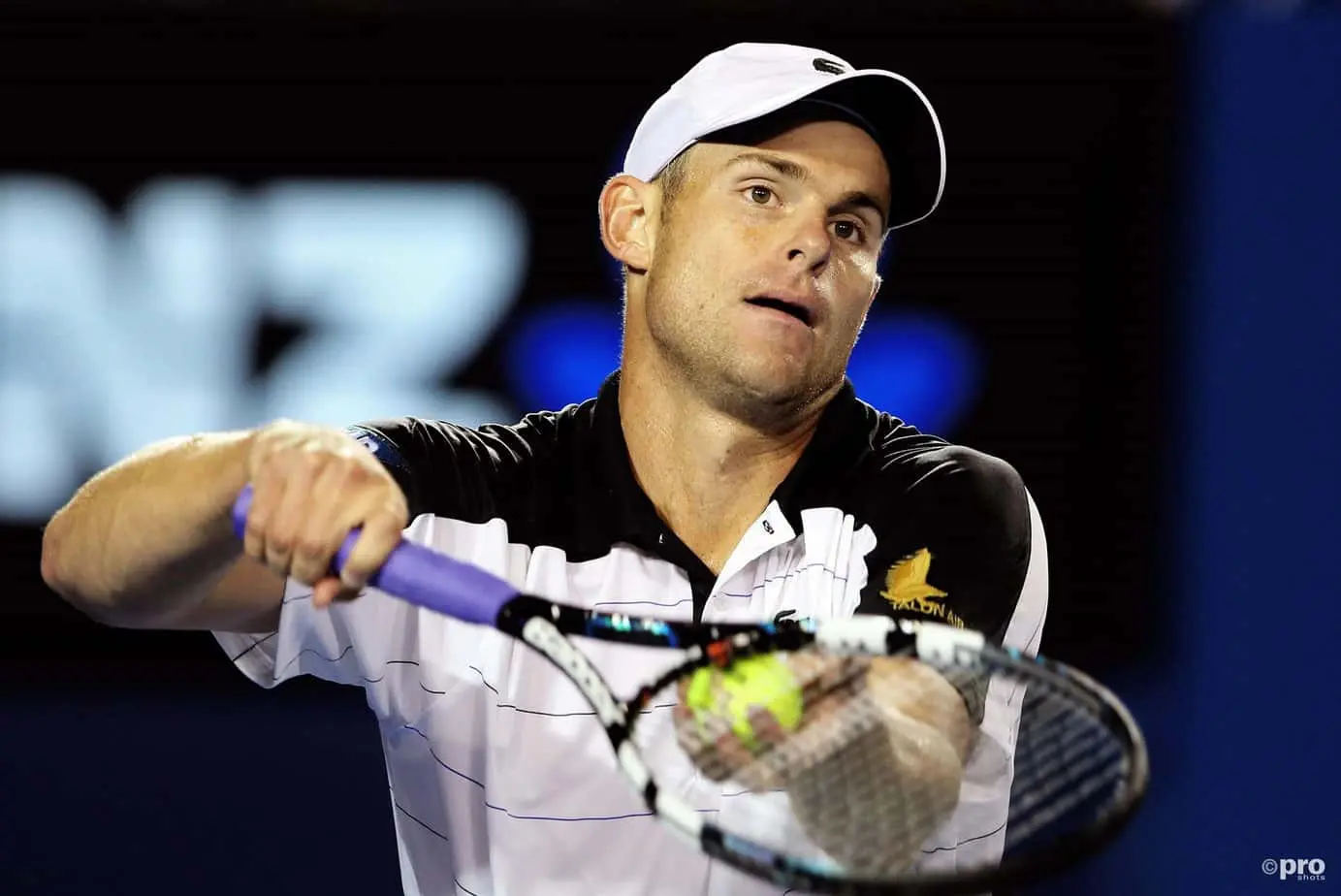
Andy Roddick has hit back at Nick Kyrgios after the Australian's latest doping controversy, accusing him of hypocrisy over his repeated attacks on Jannik Sinner. Speaking on the Served with Andy Roddick podcast, the former world No. 1 said he had initially avoided responding to Kyrgios, but eventually felt compelled to address what he considers a double standard in the Australian's approach to doping cases.
Kyrgios has been one of Sinner's most outspoken critics since the Italian's failed doping tests, repeatedly questioning the handling of his case. Roddick, however, has argued that doping cases should be examined individually and that acknowledging a positive test does not mean ignoring the circumstances behind it. According to Roddick, Kyrgios then suggested that the American himself must have used performance-enhancing drugs during his career.
“That pissed me off. I decided to lay off because it's this weird thing where he wants the likes, right? At this point, he's a tennis influencer, right? He lives for likes. He lives in the comments section. There are a lot of things and he looks cool. He's one of the most talented players I've ever seen in my life. I do not say that hyperbolically.”
Roddick's response comes after Kyrgios tested positive for benzoylecgonine, a metabolite of cocaine, in an in-competition sample collected at the Mallorca Open. The Australian accepted responsibility for the violation. Roddick's criticism, however, is focused on what he sees as a broader contradiction: Kyrgios demanding context when discussing his own controversies while refusing to extend the same consideration to Sinner.
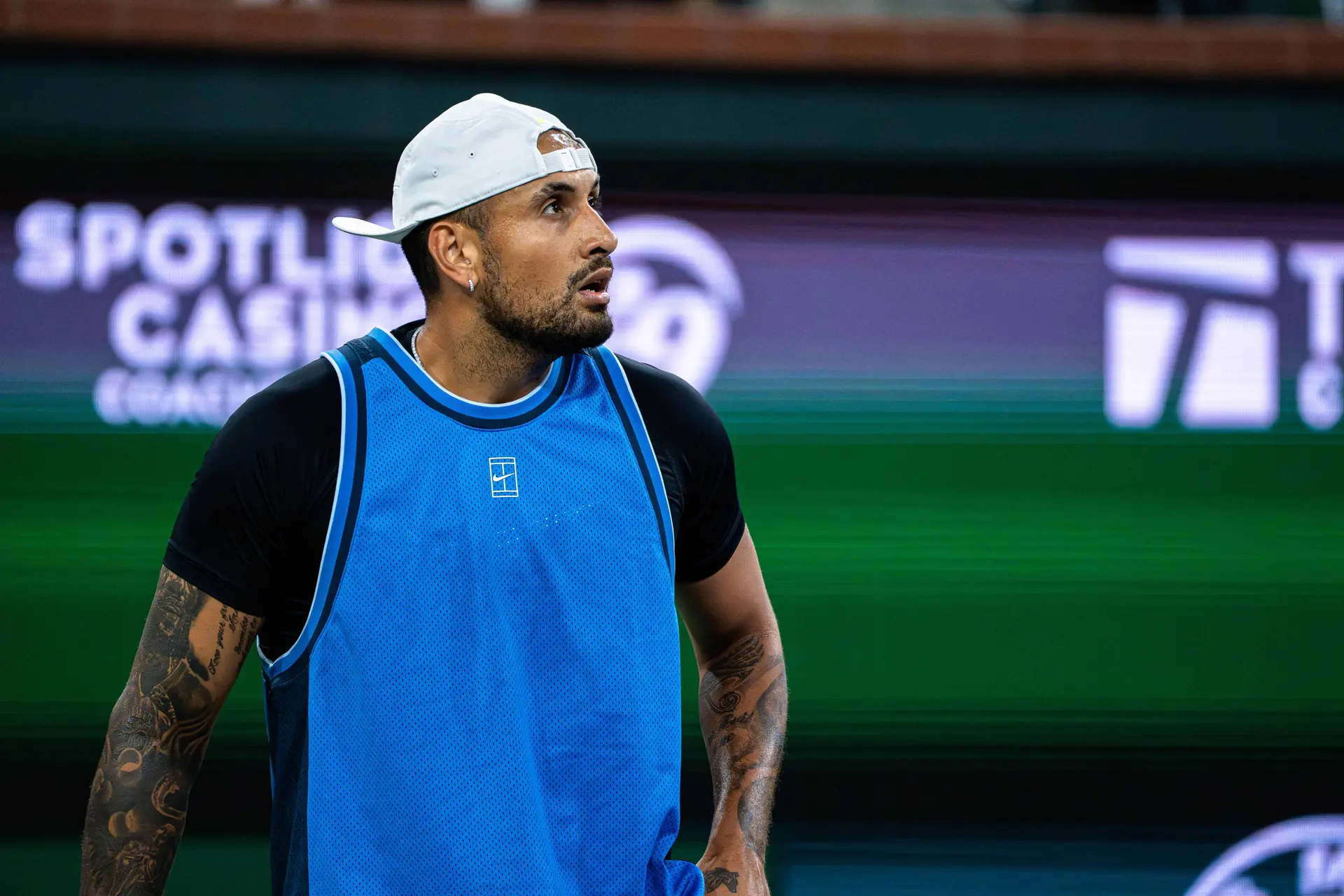
Roddick calls Kyrgios “purely hypocritical”
Roddick said his problem with Kyrgios was the way he believes the Australian selectively judges other players while expecting people to understand the circumstances surrounding his own actions. The American acknowledged that Sinner will always have failed tests attached to his record, but argued that the circumstances surrounding a positive test still matter when assessing a case.
“The part that I have an issue with is the hypocrisy with which he picks and chooses on when to, you know, levy judgment on others while also wanting you to digest context of his comments," he said. "Obviously, Kyrgios has been the single most outspoken critic of Jannik Sinner on the heels of his failed doping tests last year.”
Roddick then explained why he believes Sinner's case should not automatically be treated like every other doping violation, arguing that the circumstances and substance involved still matter.
“So, listen, forever, for the rest of time, Jannik Sinner, whether you like him, whether you don't, will have failed drug tests. Fact, correct? Now, if you choose to be curious about the context and you choose to accept the fact that maybe some cases are different, this isn't an anabolic steroid. It's not.”
The former US Open champion then pointed to Kyrgios' own past, arguing that the Australian has also asked people to consider the context surrounding his actions.
“And when you've had moments in your life that aren't the best, when you've pled guilty to physically assaulting your girlfriend, but then you want people to understand the context. I was in a dark place. I was abusing substances, yada, yada, yada. Okay, fine.”

“Forever, you will be someone who pled guilty to abusing your girlfriend. Similar to forever, Jannik Sinner will be the guy who failed drug tests. Now, do we choose to give context to what you're saying now? I don't know.”
Roddick said the contradiction became even clearer because Kyrgios has spoken about the impact of online bullying while continuing to make accusations against Sinner online.
“And yet, what are you doing? There's not a moment that goes by in the comment section of Jannik Sinner accusing me of using steroids. And yet you want people to understand that you were in a dark place because of online bullying. It's just hypocritical. It's purely hypocritical.”
“This is just a personal vendetta”
Roddick also rejected Kyrgios' interpretation of the sanctions imposed during Sinner's case, arguing that the loss of ranking points and prize money was part of the established protocol and did not itself determine guilt or intent.
“And you want to say, well, wait, well, that's just the protocol that has nothing to do with guilt or innocence. That's the protocol you signed up for. That would happen no matter what. And then he mentioned WADA. And you want to say, well, WADA doesn't think that's a fundamental misunderstanding.”
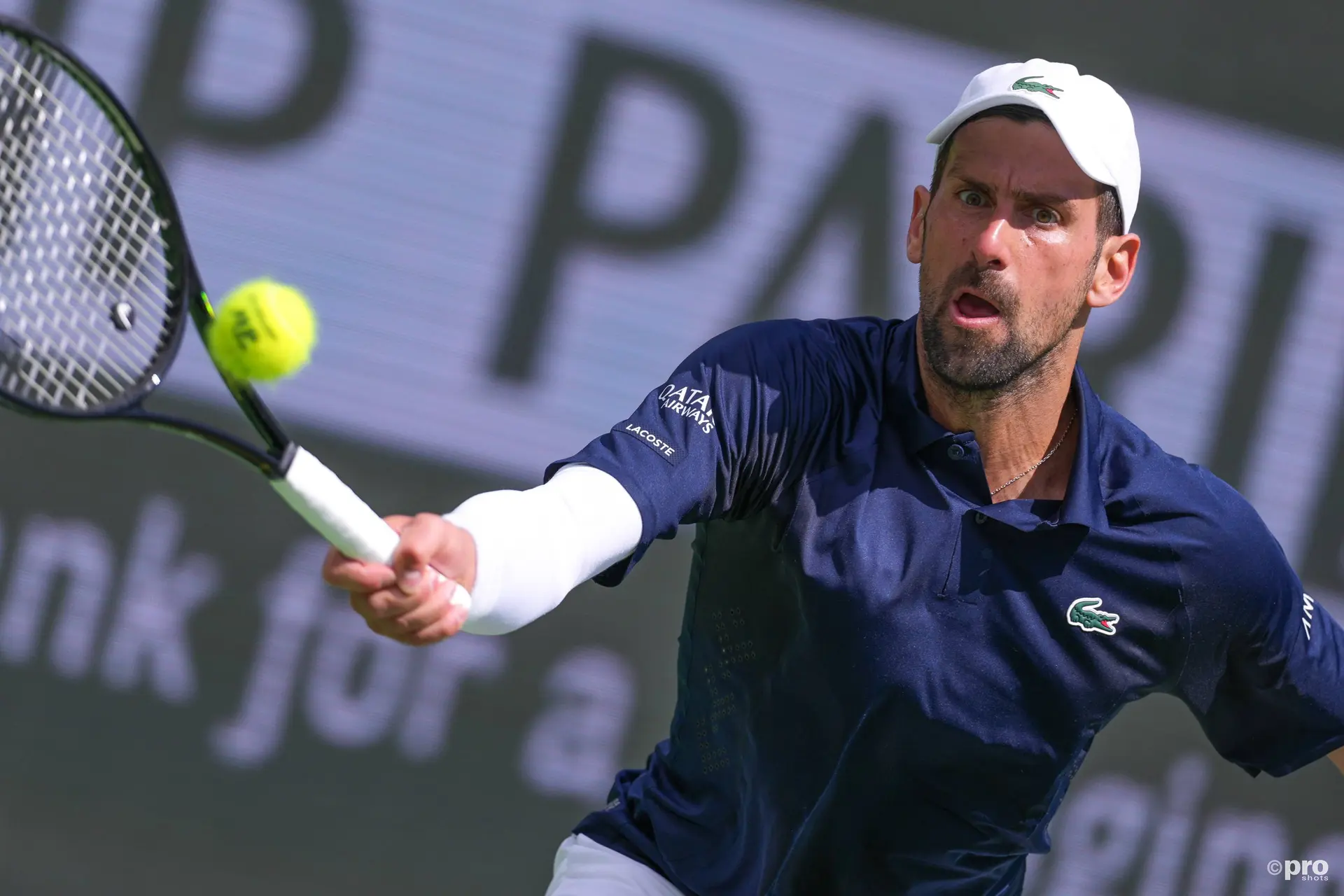
The American ultimately questioned whether Kyrgios' campaign against Sinner was genuinely motivated by concerns about doping. Roddick said the Australian had demonstrated a lack of understanding of the case and rejected the idea that he was simply trying to expose problems within tennis.
“Beyond the needles and the emojis, he demonstrated such a fundamental lack of understanding of the facts. It makes you think this is not a good faith effort. You know, he's the great hero who's going to finally be the truth who talks about how corrupt the sport is. That's not what this is. This is just a personal vendetta.”
Roddick admitted he was conflicted about continuing to discuss Kyrgios, arguing that ignoring him could prevent the Australian from receiving further attention. “There’s a part of me that says we just need to ignore this and not feed the troll. There’s another part of me that says, you know, you stand up to bullies, and this is just plain and simple bullying. His explanation was so flawed.”
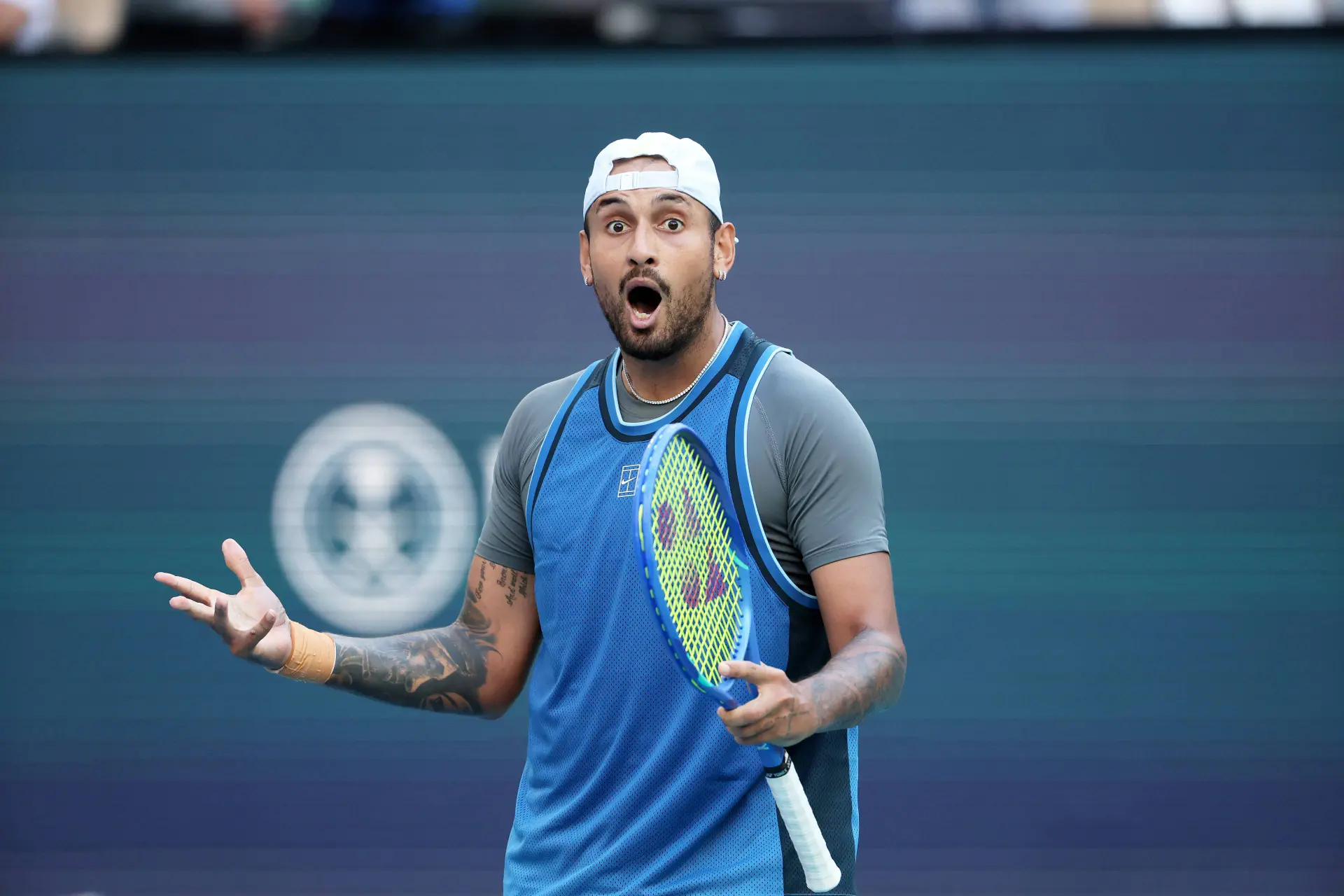
Roddick ended by returning to the reason Kyrgios remains such a compelling figure in tennis: his extraordinary ability. The American said the Australian's talent is precisely why his off-court behavior frustrates him so much, arguing that Kyrgios is capable of attracting attention for what he does with a racket rather than what he says online.
“You're too good, too talented, too capable to be tweeting syringes and commenting on players off court lives and shadow boxing fights for clicks and likes. It's just, I don't know. I hate it. Listen, what we do know is that the attention will be there. If he gets rocking at the Australian Open, we can't stop watching.”
“I can't take my eyes off of him because of the way he plays, not because of what he tweets.”

Cristhián AvilaTennis Journalist
Cristhián Ávila is a tennis journalist based in Santiago, Chile, and has been part of the TennisUpToDate team since early 2023. He covers the ATP and WTA Tours as well as all four Grand Slams, producing breaking news, match reports, analysis, and regular liveblogs from major tournaments.
His reporting combines statistical analysis with clear explanation, helping readers understand tactical developments, player form, and broader storylines across the tour. Working fluently in both Spanish and English, Cristhián collaborates with an international editorial team and contributes to comprehensive global coverage. As part of his work, he has conducted interviews and media interactions with leading figures in the sport, including Caroline Wozniacki and John McEnroe.
In his journalism, Cristhián places strong emphasis on careful sourcing, editorial accuracy, and updating articles promptly when new, verified information becomes available. His coverage is grounded in research, context, and direct engagement with professional tennis.
claps 0visitors 0
Just In

Popular News
Latest Comments
- great articlestennisseserver07-10-2026
- Medvedev was leading Djokovic 7-5, 3-5 when an attempted return..' NO you ignorants, Djokovic was leading .weiss05-10-2026
- No more bullshit "Wildcards" to these two. Qualify like everyone else -- there will be cameras there, too. Time to scream... WTF ????!!!!
 mandoist29-09-2026
 - Let's not BS the general public -- Sabalenka started showing cracks in her game last season. Her losses and near-losses started at about the same time she began being distracted by Fame (constant Selfies, making TV commercials, magazine shoots, endless Social Media nonsense, etc., etc.) One would think even Saba could recognize the parallels with others who failed before her -- Raducanu, Giorgi, Bouchard to name a few.mandoist25-09-2026
- Gross!! Hey Raducanu, Giorgi, and Bouchard -- reserve a seat at your Social Media Selfie table for Saba + Naomi. They're heading in your direction soon enough.mandoist24-09-2026
- And then these same players will complain about how lengthy their season’s were and need more time-off. I’m all for more tennis but the amount of tennis we get now is actually kind of crazy! We all need a break, especially the players.DaveyWavey23-09-2026
- You should do a comparison article for "different kinds of justice" the courts decide for tennis players. I can think of at least three players who received very small bans of a few months, however Tara Moore has been fighting for her literal survival the past few years. It seems odd considering she is not a "name" player, unlike the other cases.DaveyWavey22-09-2026
- PRIZE MONEY & POINTS Winner - $185,500 Finalist - $114,500 Semi-Finalist - $66,003 Quarter-Finalist - $35,000 Round of 16 - $18,045 Round of 32 - $13,005 Winner - 500 Finalist - 325 Semi-Finalist - 195 Quarter-Finalist - 108 Round of 16 - 60 Round of 32 - 1DaveyWavey20-09-2026
- Pegula withdrew from this Singapore event
 tennishappens19-09-2026
 - Serena Williams chose her tournaments. It's not such a bad idea.MuswellHillbilly17-09-2026

Loading