Marcelo Ríos: The best player who never won a major? Greg Rusedski snubs Alexander Zverev in favour of Chilean
ATP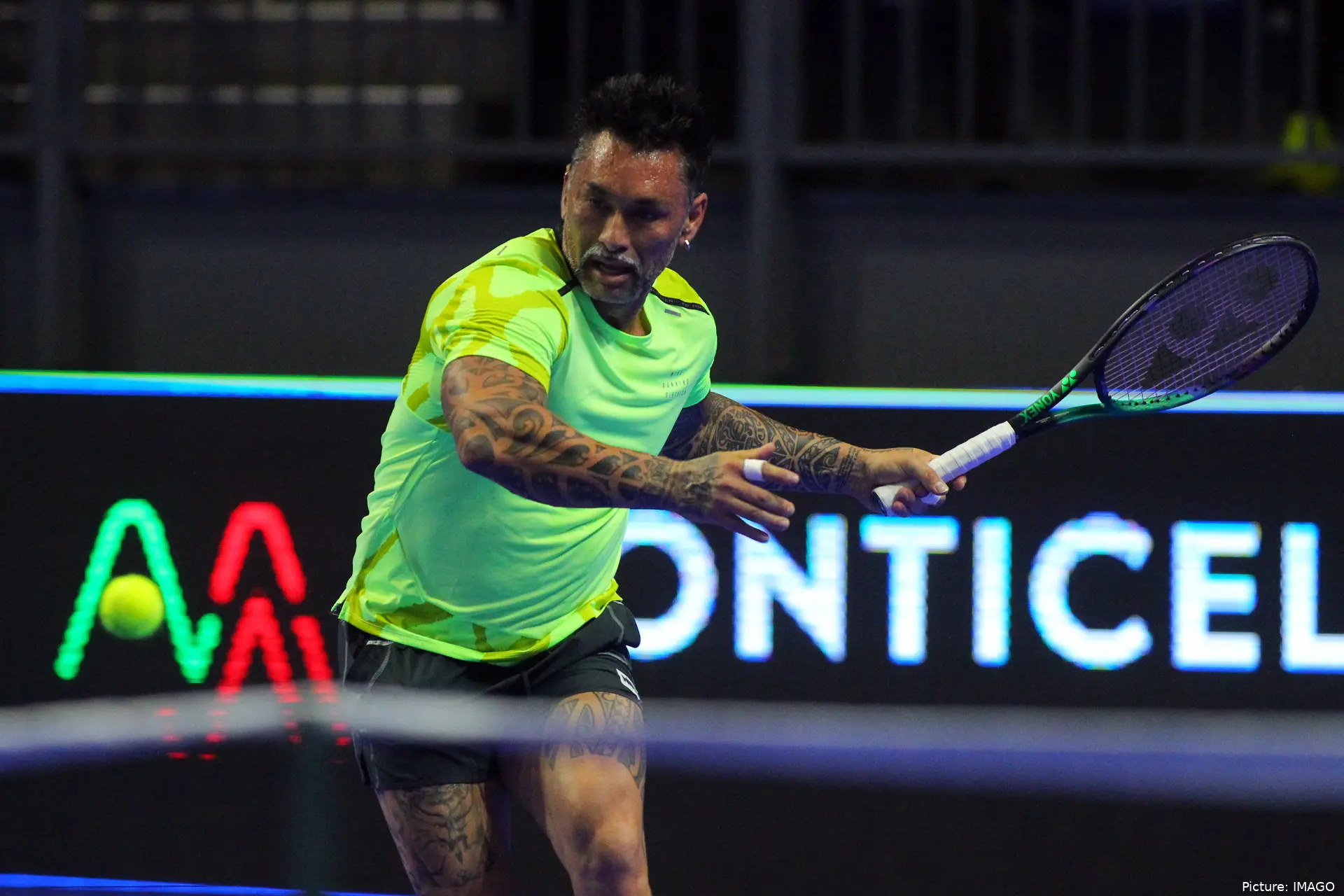
Former world No. 4 Greg Rusedski recently stirred up the tennis world with a provocative but deeply considered statement: the best male player in history to never win a Grand Slam is not Zverev, it’s Marcelo Ríos. In an interview with CLAY and RG Media, Rusedski said: “Ríos is the best player in the history of the sport to never win a Slam.”
Given the current conversation around players like Zverev and others who have come close without clinching a major, Rusedski’s declaration feels like a throwback, but it’s backed by sincere admiration. His reasoning rests on two central pillars: Ríos’ raw talent and the elite status he reached in spite of never winning a major tournament.
Ríos’ playing style, according to the Brit, had hands off the charts, with creativity, variety, and a complete all-around game. Rusedski argues that had it not been for a career shortened by injury, Ríos might well have lifted multiple Grand Slam trophies.
To many, the claim is radical. Zverev, after all, boasts a large trophy count: multiple ATP Masters 1000 titles, Olympic gold, ATP Finals trophies, and has been a fixture in Grand Slam finals. But according to Rusedski, what sets Ríos apart is not simply titles, but talent and impact, the kind of natural brilliance that reshaped expectations about what a No. 1 tennis player could be, even without Grand Slam silverware.
Why Ríos deserves the “Greatest without a Slam” crown
What distinguishes Ríos is simple yet striking: he became world No. 1 despite never winning a Grand Slam. He remains the only male player to achieve this feat.
Between 1997 and 1999, Ríos captured multiple top-level titles, including three Masters 1000 tournaments, and dominated opponents with a left-handed finesse that many described as effortless yet extraordinary.
Analysts often point out that getting to world number one in the ATP rankings demands sustained high performance: consistency, mental fortitude, and the ability to win under pressure. That Ríos accomplished all this with fewer major trophies than most elites speaks to the exceptional nature of his game.
According to Rusedski and others who followed him closely, Ríos had what scouts call “off-the-scale” talent, a rare blend of court sense, shot variety, footwork, timing, and mental elasticity.
Where many players rely on brute power or heavy topspin, Ríos dazzled with timing, disguise, and the ability to craft impossible angles. Some former coaches and commentators say he “made the difficult look easy.”
Rusedski remembers one match vividly: the 1998 final in Indian Wells, when Ríos beat him with a stunning mix of drop shots, lobs, early ball strikes, and sheer unpredictability. “He could do everything, defend, lob, take the ball early… There was no hole in his game,” Rusedski recalled.
It’s these qualities, not just the results, that fuel Rusedski’s conviction. In his view, success should not be measured solely in trophies but in raw artistry, dominance, and the ability to redefine the sport’s standards.
What this means for Zverev
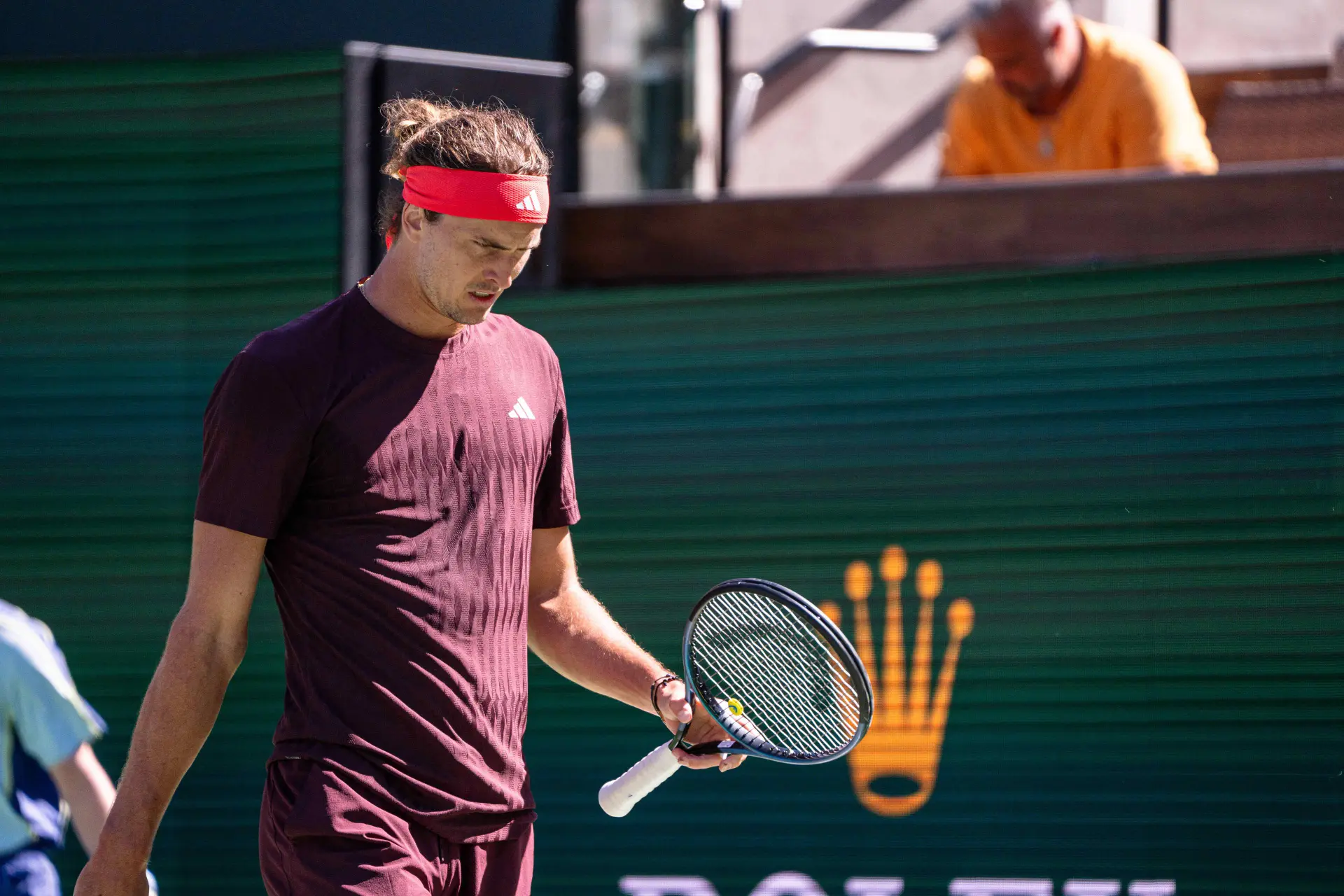
Of course, the natural question arises: what about all the impressive hardware of Zverev and other long-standing contenders? Seven Masters titles, Olympic gold, ATP Finals, not to mention multiple Grand Slam finals appearances.
By conventional metrics, Zverev has built a resume that strong challengers for “best without Slam” rarely match. But for Rusedski and many purists, it comes down to what remains unseen in the trophy cabinet: sustained brilliance, transformative style, and the intangible spark that distinguishes greatness from just very good.
The debate reflects a deeper tension in sport: should legacy be measured by cold metrics, titles, finals, medals, or by the intangible moments of genius, influence on the game, sheer talent? Ríos’ case suggests the latter may matter more than many care to admit.
Rusedski’s unapologetic defense is a reminder that greatness doesn’t always fit nicely into numbers. Sometimes, especially in tennis, it lives in graceful drop shots, unpredictable angles, and a left-handed rhythm that leaves opponents scrambling.
Whether you agree with him or not, Rusedski’s bold statement reopens a conversation that tennis fans have cycled through for decades: what does it really mean to be great if you never pick up a major trophy?
For some, it’s about resilience, adaptation, and longevity. For others, like Rusedski, it’s about craft, instinct, and pure natural brilliance, qualities that for a moment made Marcelo Ríos, despite everything, the greatest of all the “unsung” champions.


claps 0visitors 0
Just In

Popular News
Latest Comments
- Does Sinner need that 4.5 mil? I doubt it. He can make that with three modelling gigs!😅🤣Rapunzel21-10-2026
- Did "People Magazine" purchase this website? This nonstop storyline is bullshit.
 mandoist21-10-2026
 - Listen... this is of no concern to anyone but these two. Deal with your own issues -- most of us have our own. Thanks, media, for these insignificant follow-ups which are meaningless.mandoist21-10-2026
- This is so very very sad, for all three of them. I truly thought they had an unbreakable bond, but life throws up so many differing challenges. Having your homeland suffering in such a terrible way, makes happiness lose out to guilt as well. Our thoughts are with them. X💔bjsexton20-10-2026
- I have lost all respect for Svitolina! Could she not have waited until he had played at the Paris Masters!!! She is selfish and don't give a damn about Gael. That is NOT how love is demonstrated Elina!!Rapunzel19-10-2026
- Perhaps convenient tennis tour sex is not a strong enough experience in which to base a marriage?mandoist19-10-2026
- Fight the Good Fight... Tennis (sports in general) need more Humans such as yourself.mandoist18-10-2026
- When is WTA going to mandate Genetic Testing (DNA) ???mandoist18-10-2026
- Hey, Dan... you just wake up from a coma? Regardless -- Thanks for the comedy this morning!mandoist18-10-2026
- Two Things: 1. Stop allowing these Spoiled Trust-Fund Elitists to behave badly. Your little hand-slaps do not deter them. 2. STOP the incessantly annoying "towel wiping" nonsense!!!!mandoist15-10-2026

Loading