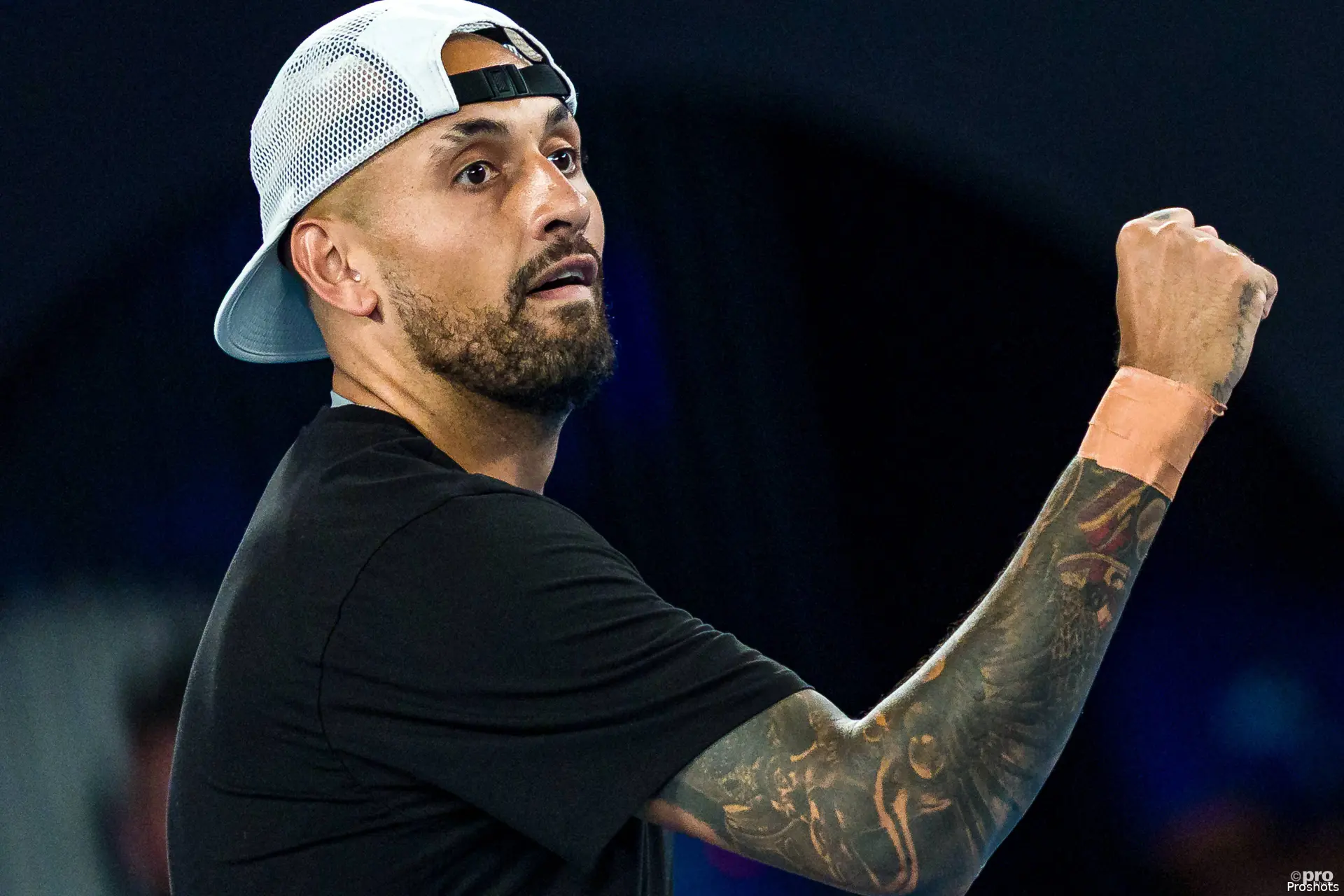
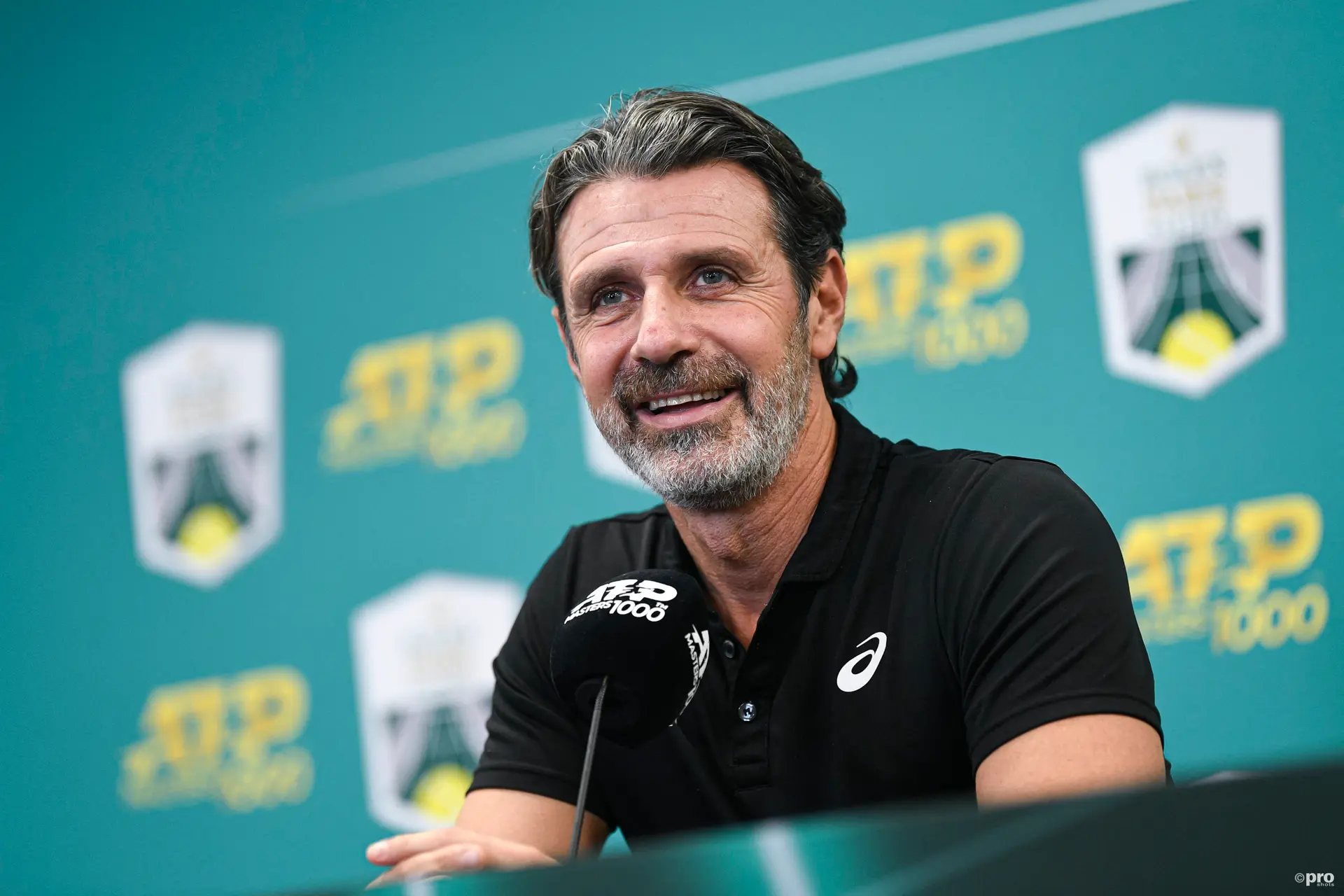
Nick Kyrgios and Cameron Norrie have been confirmed among the first participants for the UTS Rio 2026 event, scheduled for July 16–18 at the Maracanãzinho in Rio de Janeiro. The exhibition competition, part of the UTS Tour founded by Patrick Mouratoglou, will mark the circuit’s first appearance in South America. Francisco Cerúndolo and Ugo Humbert complete the initial group of four players announced for the eight-man field.
The event will be staged on indoor hard courts using the UTS format, which replaces traditional sets with four timed quarters of eight minutes. A player must win three of the four quarters to secure victory, with a sudden-death decider played if the match is tied. The format removes second serves and lets, increasing tempo and reducing downtime between points compared to ATP Tour matches.
UTS Rio represents the second stop of the 2026 season, following the opening event in Nîmes in April. Felix Auger-Aliassime, currently ranked world No. 7, won that tournament by defeating Casper Ruud in a five-quarter final. Humbert, one of the confirmed Rio participants, reached the quarter-finals in Nîmes, providing recent experience within the format ahead of the South American stage.
The Rio event introduces the UTS Tour to a new market, supported by a prize pool exceeding $1.2 million and a venue capacity of approximately 11,000 spectators. Positioned in mid-July, the tournament sits between the grass-court season and the North American hard-court swing, offering players a competitive opportunity outside the ATP Tour structure while managing physical load during a transitional period in the calendar.
Kyrgios return timeline and player profiles
Kyrgios’ participation is significant given his limited recent activity on the ATP Tour. The Australian has not played a singles match since the Brisbane International in early 2026, where he lost in the first round to Aleksandar Kovacevic. At the Australian Open, he competed only in doubles and mixed doubles, exiting both events in the opening round amid ongoing injury issues that have restricted his schedule since 2022.
The former world No. 13 is targeting a return during the grass-court season, with Stuttgart and Mallorca identified as potential tournaments. The inclusion of UTS Rio in his schedule provides additional match play under a shorter and less physically demanding format, allowing him to rebuild competitive rhythm ahead of a potential full return to ATP Tour singles competition.
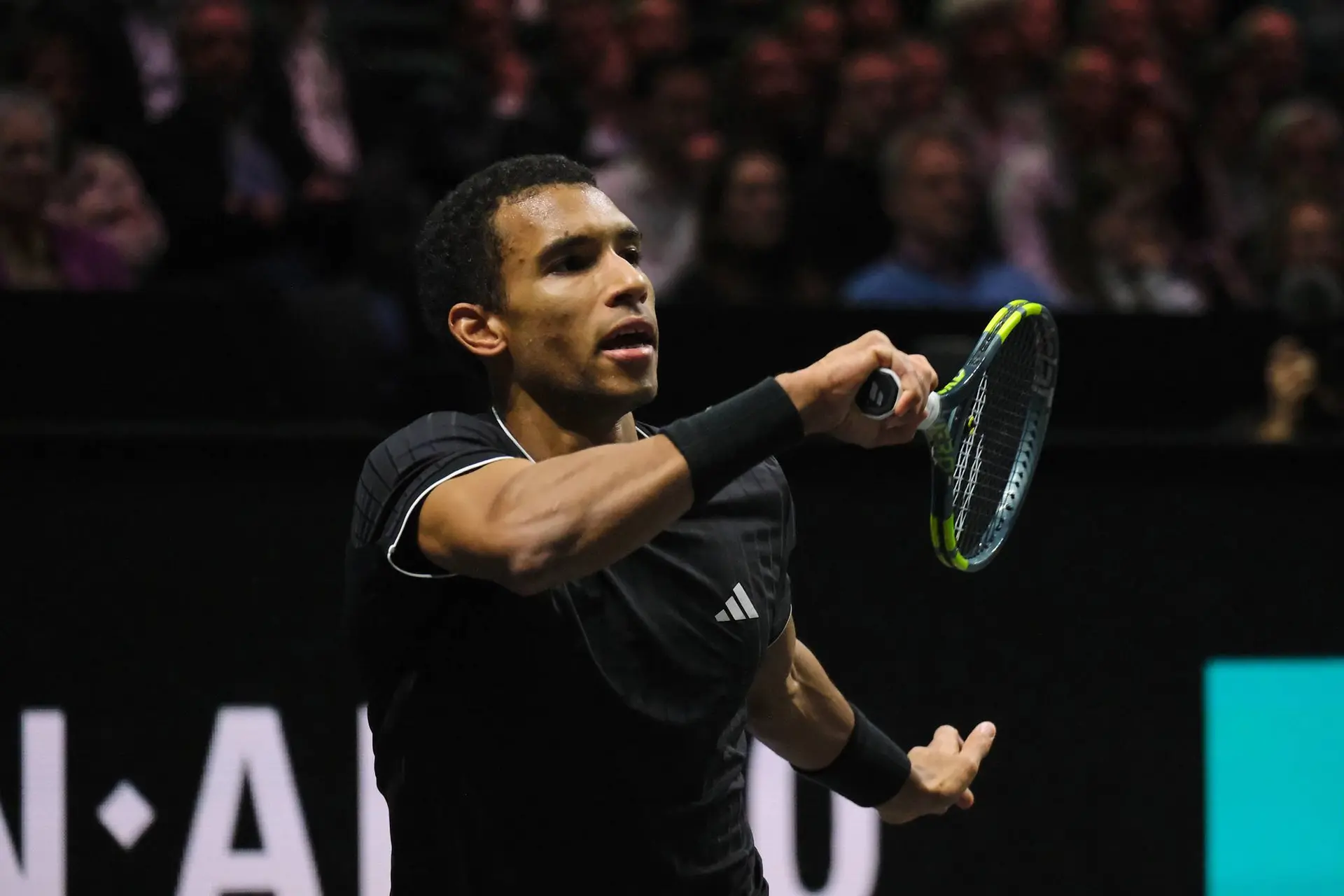
Norrie enters as the highest-ranked confirmed player at world No. 24. He reached a career-high ranking of No. 8 in 2022 following his Indian Wells Masters title and remains a consistent presence on tour. His connection to Brazil includes his 2023 ATP 500 Rio Open title, where he defeated Carlos Alcaraz in the final, demonstrating prior success in the country despite the differing indoor conditions of the UTS event.
Cerúndolo, ranked world No. 19, arrives as the leading South American player in the ATP rankings. He holds a 14–6 match record in 2026, including a title at the ATP 250 Buenos Aires and a semi-final appearance in Santiago. His results also include a fourth-round showing at the Australian Open, indicating stable performance across surfaces during the opening months of the season.
Read also
Format impact and competitive context
Humbert, currently ranked world No. 34 and a former No. 13, completes the initial list. The Frenchman has won seven ATP titles and has shown particular efficiency on indoor hard courts. His prior UTS experience includes a runner-up finish in Frankfurt in 2024, where he adapted effectively to the format despite falling short in the final.
The UTS structure introduces distinct tactical adjustments. With only one serve allowed per point and no advantage scoring, matches place increased emphasis on return efficiency and first-strike tennis. Players serve in two-point sequences, altering rhythm compared to traditional service games and compressing momentum swings into shorter timeframes.
From a calendar perspective, the mid-July slot allows players to maintain competitive rhythm after Wimbledon while limiting cumulative physical strain. This is particularly relevant for players managing workload or returning from injury. The reduced duration of matches and simplified scoring system create a controlled competitive environment that differs from standard ATP Tour demands.
With four of eight positions confirmed, the remaining field is expected to include additional top-30 players, reinforcing the event’s competitive level. The Rio stage represents a strategic expansion for the UTS Tour, combining established ATP names with an alternative format as it enters a new region within the global tennis calendar.

Cristhián AvilaTennis Journalist
Cristhián Ávila is a tennis journalist based in Santiago, Chile, and has been part of the TennisUpToDate team since early 2023. He covers the ATP and WTA Tours as well as all four Grand Slams, producing breaking news, match reports, analysis, and regular liveblogs from major tournaments.
His reporting combines statistical analysis with clear explanation, helping readers understand tactical developments, player form, and broader storylines across the tour. Working fluently in both Spanish and English, Cristhián collaborates with an international editorial team and contributes to comprehensive global coverage. As part of his work, he has conducted interviews and media interactions with leading figures in the sport, including Caroline Wozniacki and John McEnroe.
In his journalism, Cristhián places strong emphasis on careful sourcing, editorial accuracy, and updating articles promptly when new, verified information becomes available. His coverage is grounded in research, context, and direct engagement with professional tennis.
claps 0visitors 0
Just In

Popular News
Latest Comments
- A healthy Qinwen may be hard to stop next season. She was already scaring her opponents before her medical leave(s). Unfortunately, Zheng insisted on singing again. On the positive side -- Mirra did not sing!! ;~}
 mandoist11-10-2026
 - Where is it written that athletes, entertainers... People in general... are mandated to keep looking at -- or even using [anti]Social Media? Public & private figures consistently complain and reveal their concerns about negativity and violence thrown at them -- yet they insist on participating. Avoid it, don't use it, don't read it. It's okay to occasionally look up at the World instead beating your eyes & thumbs to death on The Inventions out there.mandoist11-10-2026
- great articlestennisseserver07-10-2026
- Medvedev was leading Djokovic 7-5, 3-5 when an attempted return..' NO you ignorants, Djokovic was leading .weiss05-10-2026
- No more bullshit "Wildcards" to these two. Qualify like everyone else -- there will be cameras there, too. Time to scream... WTF ????!!!!mandoist29-09-2026
- Let's not BS the general public -- Sabalenka started showing cracks in her game last season. Her losses and near-losses started at about the same time she began being distracted by Fame (constant Selfies, making TV commercials, magazine shoots, endless Social Media nonsense, etc., etc.) One would think even Saba could recognize the parallels with others who failed before her -- Raducanu, Giorgi, Bouchard to name a few.mandoist25-09-2026
- Gross!! Hey Raducanu, Giorgi, and Bouchard -- reserve a seat at your Social Media Selfie table for Saba + Naomi. They're heading in your direction soon enough.mandoist24-09-2026
- And then these same players will complain about how lengthy their season’s were and need more time-off. I’m all for more tennis but the amount of tennis we get now is actually kind of crazy! We all need a break, especially the players.DaveyWavey23-09-2026
- You should do a comparison article for "different kinds of justice" the courts decide for tennis players. I can think of at least three players who received very small bans of a few months, however Tara Moore has been fighting for her literal survival the past few years. It seems odd considering she is not a "name" player, unlike the other cases.DaveyWavey22-09-2026
- PRIZE MONEY & POINTS Winner - $185,500 Finalist - $114,500 Semi-Finalist - $66,003 Quarter-Finalist - $35,000 Round of 16 - $18,045 Round of 32 - $13,005 Winner - 500 Finalist - 325 Semi-Finalist - 195 Quarter-Finalist - 108 Round of 16 - 60 Round of 32 - 1DaveyWavey20-09-2026

Loading


