“The level between No. 300 and No. 20 is not that big”: Mouratoglou explains Vacherot’s astonishing rise
ATP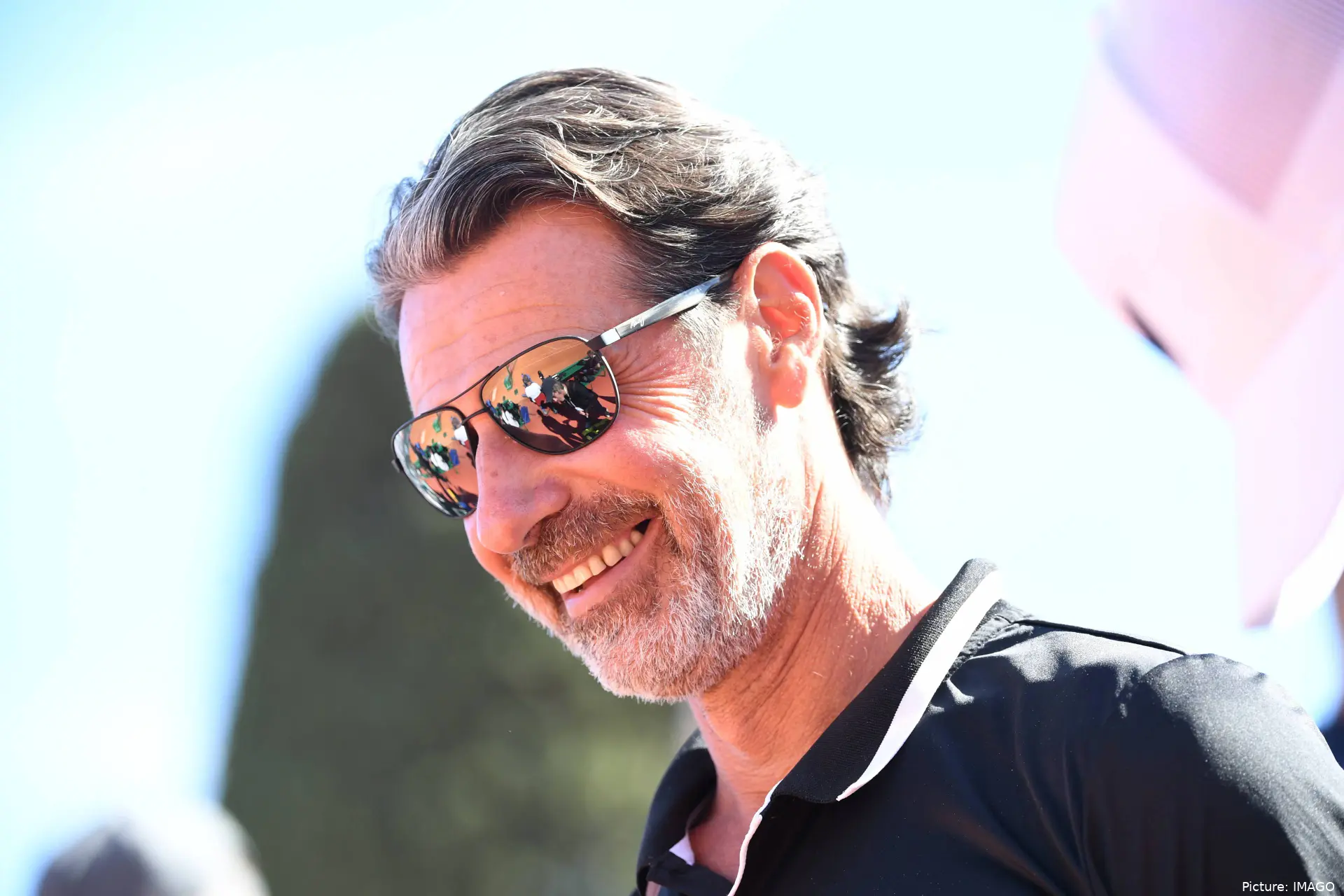
Patrick Mouratoglou has stepped forward to offer a masterclass analysis on one of the most baffling storylines of the 2025 ATP season. The renowned French coach turned his attention to the sudden ascension of Valentin Vacherot, a player who began the year ranked outside the top 250 and finished it as a Masters 1000 champion in Shanghai. For Mouratoglou, this trajectory is not merely a streak of good luck or a physical peak, but a perfect case study in tennis psychology that defies the conventional logic of steady progression.
The former coach of Serena Williams argues that the tennis world often mistakenly looks for technical revolutions to explain sudden breakouts. In his assessment of the Monegasque player’s rise to World No. 31, Mouratoglou insists that Vacherot did not discover a new serve or reinvent his groundstrokes overnight. Instead, the "miracle" is entirely internal, rooted in a fundamental shift in match management that allowed his existing skills to finally flourish under the bright lights of the main tour, rather than remaining hidden on the Challenger circuit.
Mouratoglou challenges the perception that a massive gulf in talent exists between the elite and the rank-and-file, suggesting that the separation is almost entirely mental. “The level between No. 300 and No. 20 is not as big as people think," he wrote on Linkedin. "I’ve always said it: if you watch a world No. 300 hit with a top-20 player, you barely see the difference. The difference appears when the points start, in decision-making, in handling stress, in managing the important moments.”
He goes on to explain how this mental fortification physically stabilizes a player's shots, particularly the forehand, which is often the first wing to break down under tension. “His confidence transformed his entire game. He served well before, but now he trusts that serve. He fought before, but now he never gives a point. He used to miss more, especially on the forehand when rushed. Now? With confidence, that forehand is no longer shaky. Because confidence changes the way you hit the ball. You believe you will make it, and you do.”
From defensive hesitation to intuitive belief: The Monfils parallel
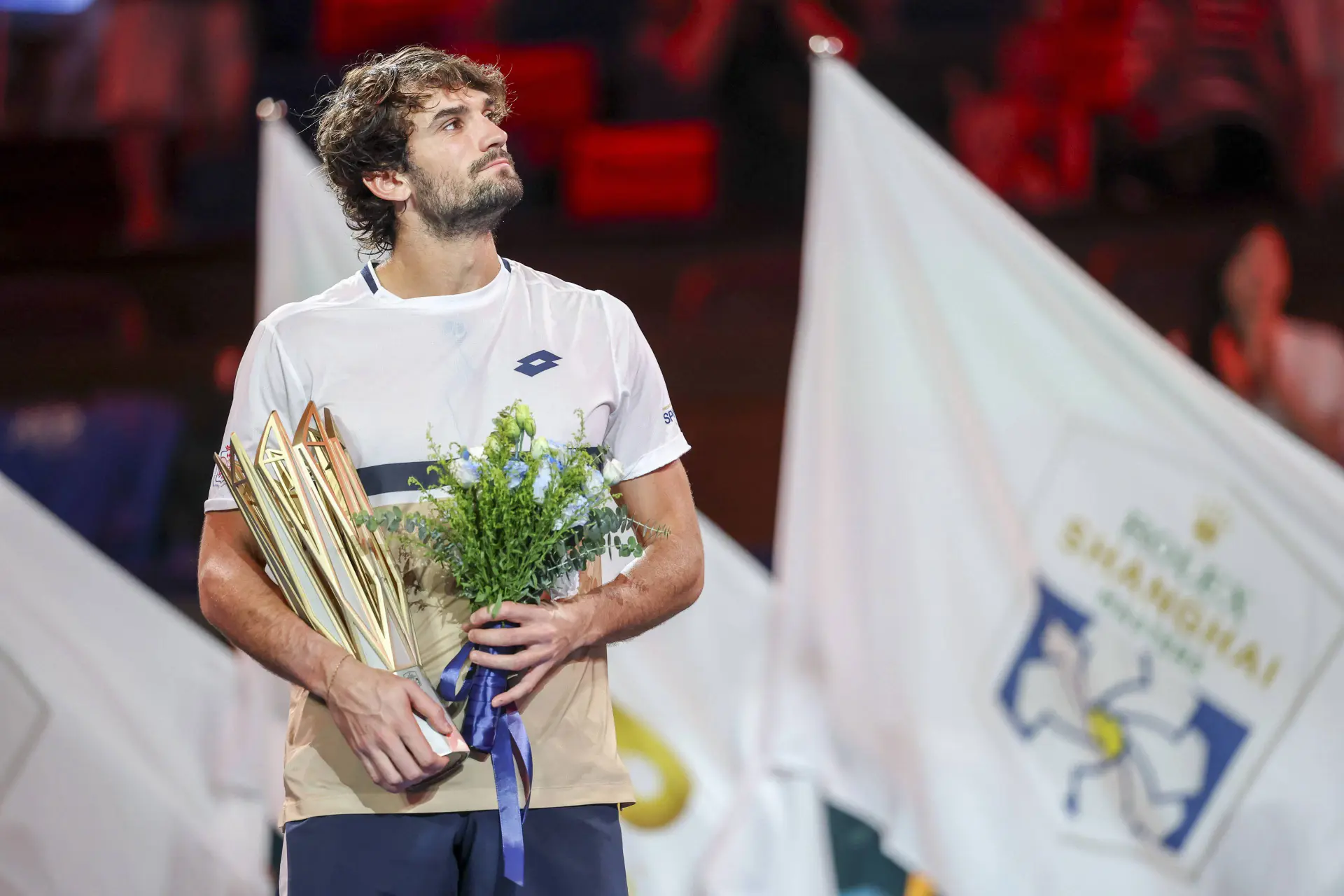
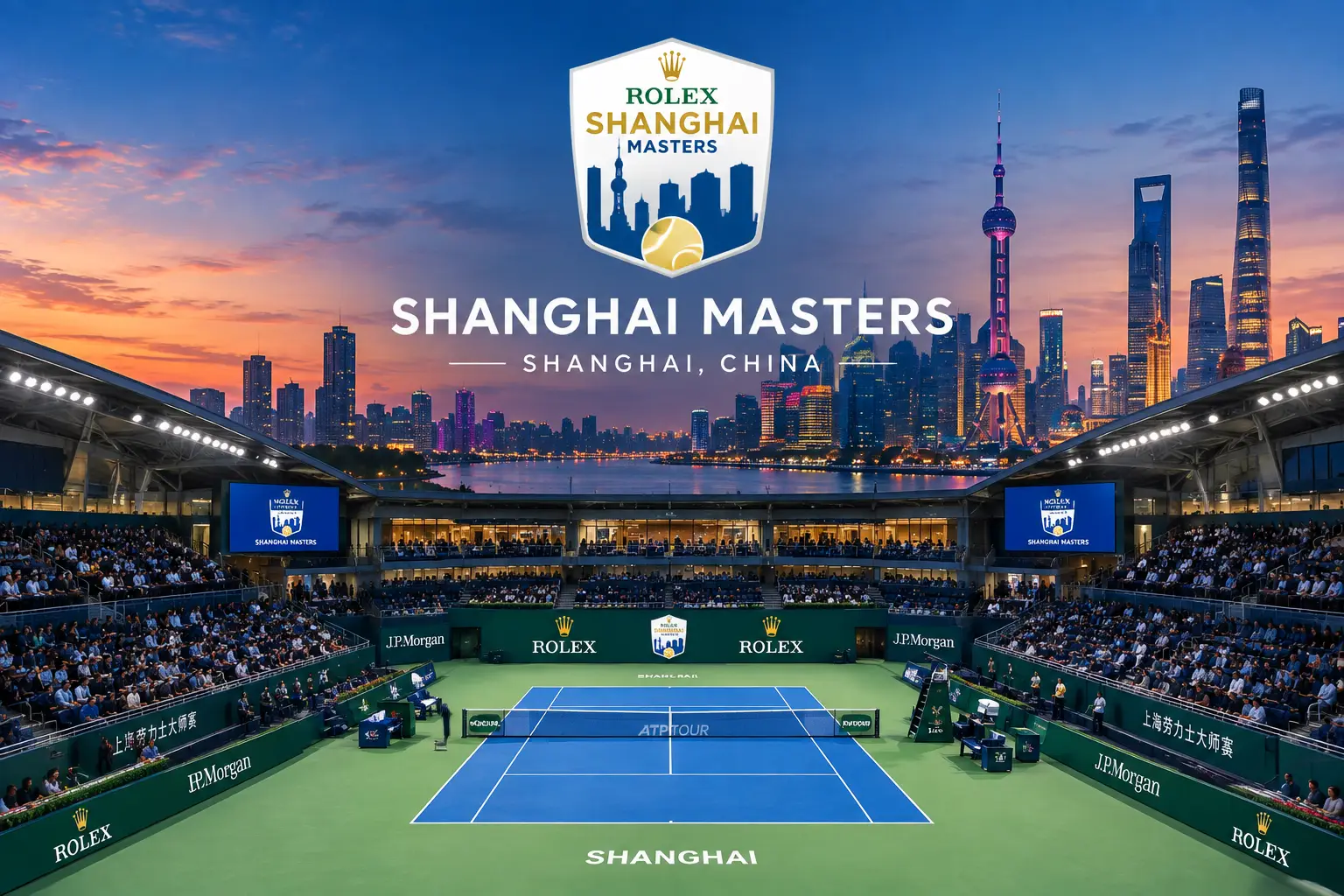
The turning point was clearly the Shanghai Masters, where the theory became practice. Mouratoglou notes that Vacherot moved from a reactive posture to one of aggression, a tactical adjustment that can only happen when a player stops fearing defeat. The run in China wasn't just about lifting a trophy; it was a weeks-long exercise in building a new psychological baseline through surviving difficult moments.
“Shanghai gave him that confidence, match after match. Tight battles, comebacks, three-set wins… This builds a mindset, not just a ranking. He finally took his chances. Before, he was more defensive, more reactive. In Shanghai, he made a decision, and he admitted it himself: when there is an opportunity, take it. And it paid off immediately.”
Mouratoglou draws a fascinating historical comparison to illustrate this shift, likening Vacherot’s awakening to a young Gael Monfils. He describes a specific type of realization that isn't learned in a classroom or a video session, but felt instinctively on the court. It is the sudden, terrifying, and liberating realization that you are not just a participant, but a peer to the very best in the world.
“It reminds me of Gael Monfils as a junior when he started to win. He told me one day: ‘I understood something.’ Not intellectually, intuitively. ‘I can play with those guys. I have everything to compete.’ Some players feel this at some point, and it changes their trajectory. Valentin seems to have reached that moment.”
Read also
The "careless" superpower and the inevitable weight of expectation for a top 20
Currently, Vacherot is playing with a dangerous freedom that makes him formidable. Mouratoglou identifies "carelessness" not as a flaw, but as a temporary superpower. Without the burden of a high ranking to defend or a legacy to uphold, Vacherot is operating in a state of flow where every victory is a bonus and every match is an opportunity rather than an obligation. “Right now, Valentin plays with carelessness, and that is his biggest strength. He wins, wins, and wins again. Every match feels like a miracle to him. He doesn’t think about expectations. He doesn’t feel pressure. He just plays.”
However, the coach warns that this phase is temporary and the real test is coming. As Vacherot transitions from hunter to hunted, the psychological landscape will shift dramatically. The "miracle" narrative will be replaced by the heavy burden of consistency, a transition that has stalled the careers of many one-tournament wonders in the past.
Read also
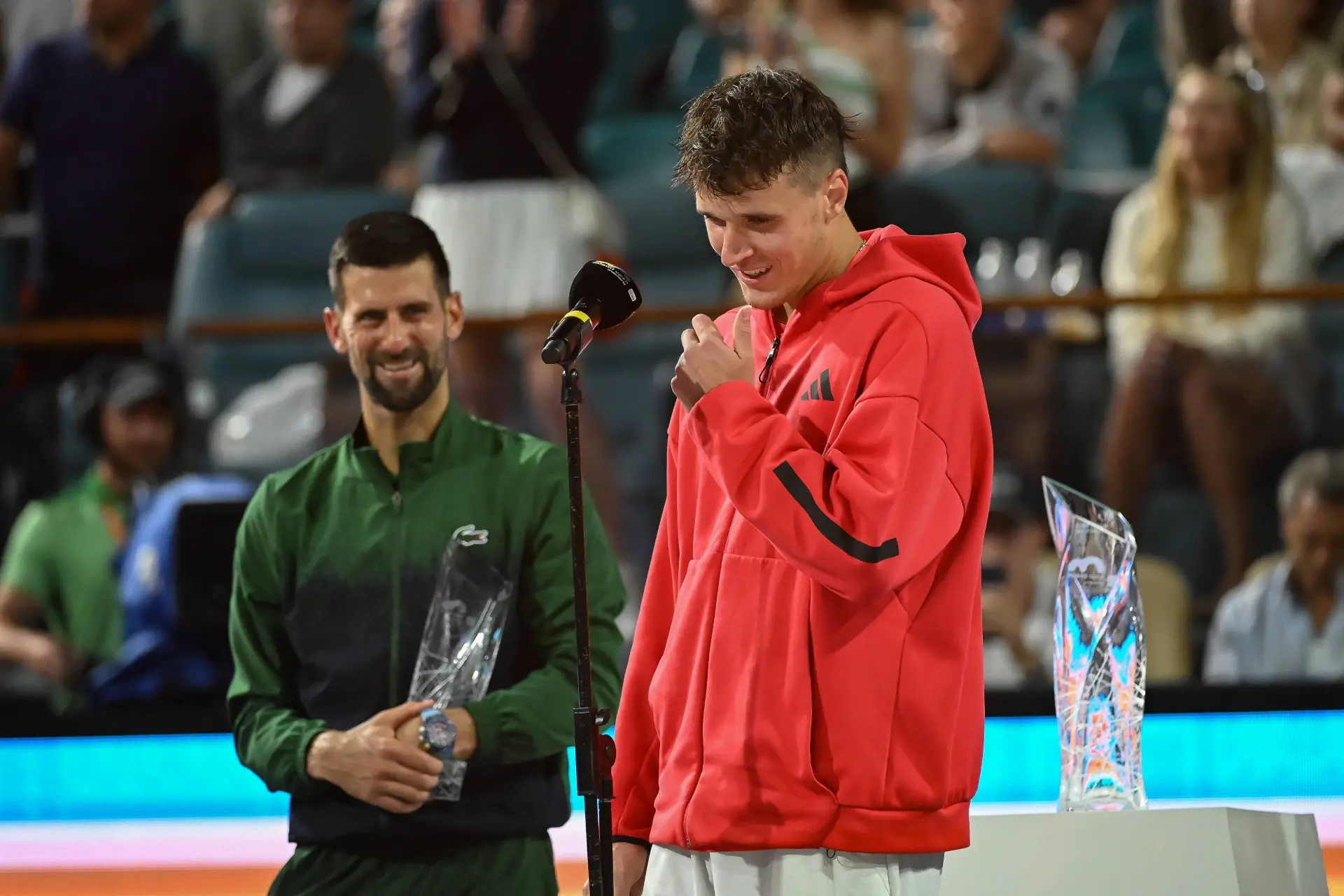
“But, and it’s important, this won’t last forever. When he enters the top 20, things will change. Responsibility will arrive. People will expect him to win. He will expect himself to win. And that is when the real challenge begins. Every top player has gone through this moment.”
Ultimately, Mouratoglou’s analysis serves as both a celebration of a Cinderella story and a roadmap for what comes next. The numbers suggest Vacherot is playing at a Top-10 level, but sustaining that requires navigating the mental hurdles that success inevitably erects. “For now, he must keep riding this incredible wave, without thinking too much. Because when he plays freely, without pressure, he plays at a Top-10 level, and the numbers prove it. What a story. What a rise. What a lesson.”

Cristhián AvilaTennis Journalist
Cristhián Ávila is a tennis journalist based in Santiago, Chile, and has been part of the TennisUpToDate team since early 2023. He covers the ATP and WTA Tours as well as all four Grand Slams, producing breaking news, match reports, analysis, and regular liveblogs from major tournaments.
His reporting combines statistical analysis with clear explanation, helping readers understand tactical developments, player form, and broader storylines across the tour. Working fluently in both Spanish and English, Cristhián collaborates with an international editorial team and contributes to comprehensive global coverage. As part of his work, he has conducted interviews and media interactions with leading figures in the sport, including Caroline Wozniacki and John McEnroe.
In his journalism, Cristhián places strong emphasis on careful sourcing, editorial accuracy, and updating articles promptly when new, verified information becomes available. His coverage is grounded in research, context, and direct engagement with professional tennis.
claps 0visitors 0
Just In

Popular News
Latest Comments
- Two Things: 1. Stop allowing these Spoiled Trust-Fund Elitists to behave badly. Your little hand-slaps do not deter them. 2. STOP the incessantly annoying "towel wiping" nonsense!!!!
 mandoist15-10-2026
 - A healthy Qinwen may be hard to stop next season. She was already scaring her opponents before her medical leave(s). Unfortunately, Zheng insisted on singing again. On the positive side -- Mirra did not sing!! ;~}mandoist11-10-2026
- Where is it written that athletes, entertainers... People in general... are mandated to keep looking at -- or even using [anti]Social Media? Public & private figures consistently complain and reveal their concerns about negativity and violence thrown at them -- yet they insist on participating. Avoid it, don't use it, don't read it. It's okay to occasionally look up at the World instead beating your eyes & thumbs to death on The Inventions out there.mandoist11-10-2026
- great articlestennisseserver07-10-2026
- Medvedev was leading Djokovic 7-5, 3-5 when an attempted return..' NO you ignorants, Djokovic was leading .weiss05-10-2026
- No more bullshit "Wildcards" to these two. Qualify like everyone else -- there will be cameras there, too. Time to scream... WTF ????!!!!mandoist29-09-2026
- Let's not BS the general public -- Sabalenka started showing cracks in her game last season. Her losses and near-losses started at about the same time she began being distracted by Fame (constant Selfies, making TV commercials, magazine shoots, endless Social Media nonsense, etc., etc.) One would think even Saba could recognize the parallels with others who failed before her -- Raducanu, Giorgi, Bouchard to name a few.mandoist25-09-2026
- Gross!! Hey Raducanu, Giorgi, and Bouchard -- reserve a seat at your Social Media Selfie table for Saba + Naomi. They're heading in your direction soon enough.mandoist24-09-2026
- And then these same players will complain about how lengthy their season’s were and need more time-off. I’m all for more tennis but the amount of tennis we get now is actually kind of crazy! We all need a break, especially the players.DaveyWavey23-09-2026
- You should do a comparison article for "different kinds of justice" the courts decide for tennis players. I can think of at least three players who received very small bans of a few months, however Tara Moore has been fighting for her literal survival the past few years. It seems odd considering she is not a "name" player, unlike the other cases.DaveyWavey22-09-2026

Loading