“This type of match should be refereed by a man”: Adolfo Vallejo sparks controversy after Roland-Garros defeat
ATP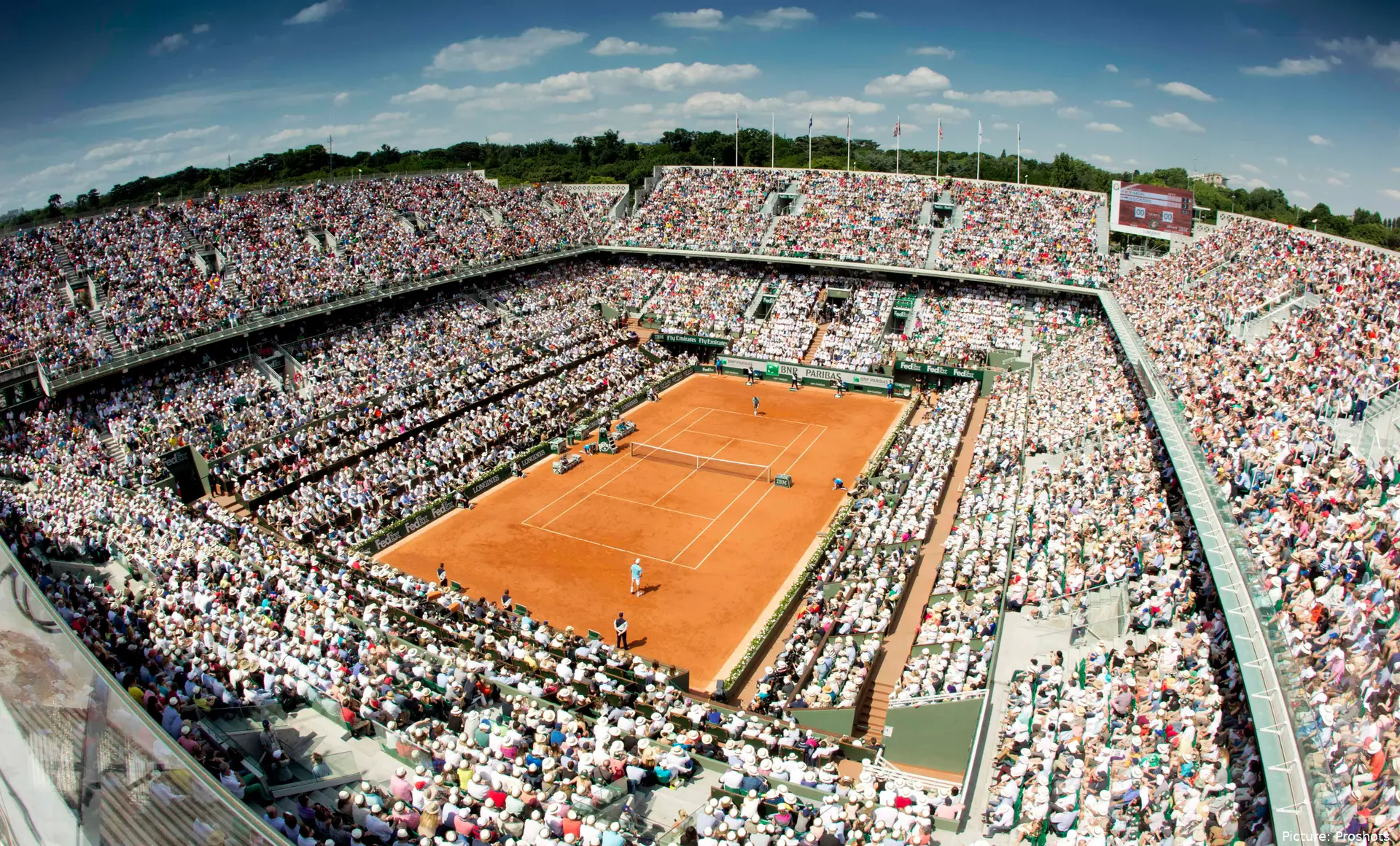
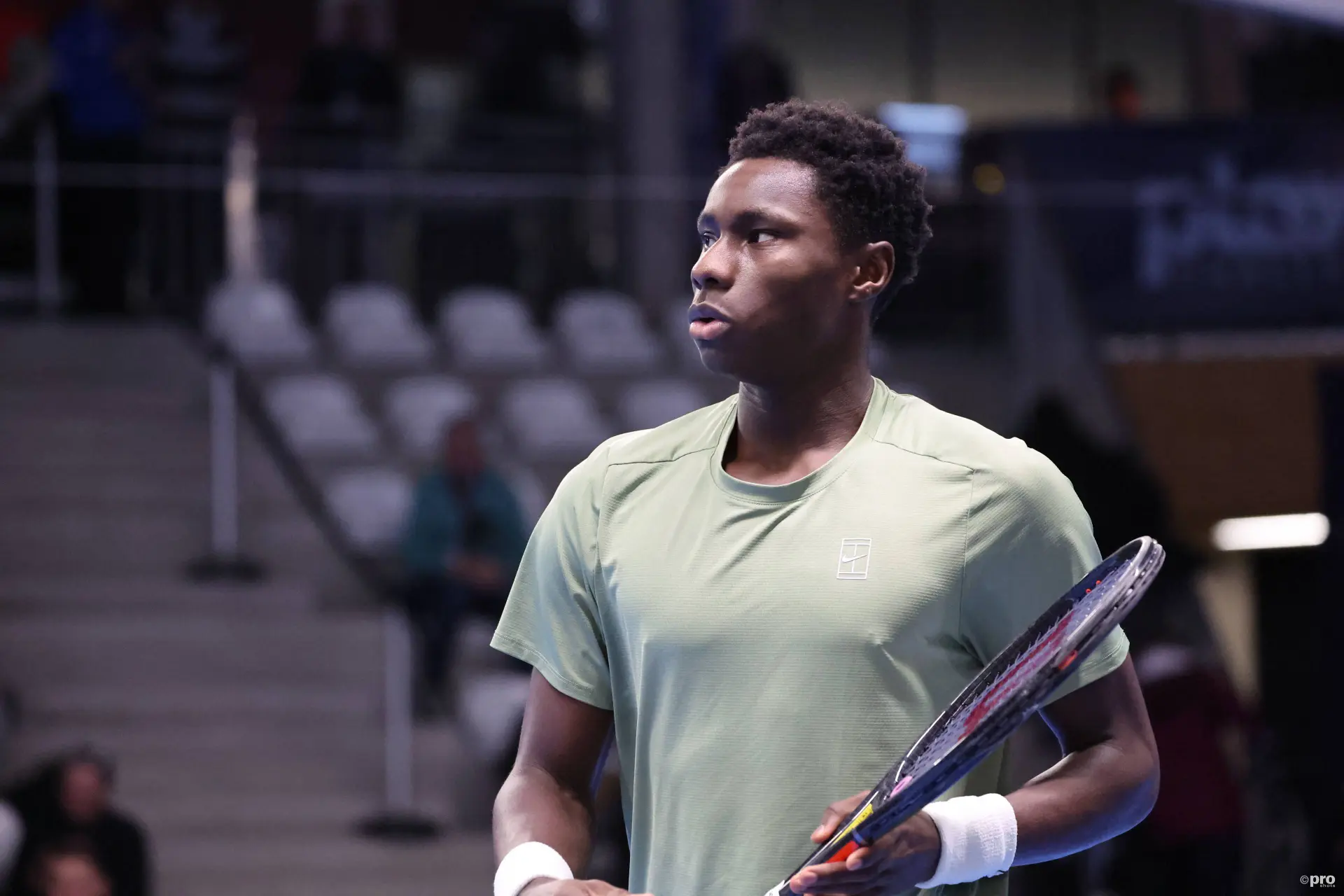
Adolfo Daniel Vallejo has sparked controversy after suggesting that his five-set defeat to Moïse Kouame at Roland-Garros was played under conditions that were difficult to officiate, adding that it would be “very difficult for a woman to referee this match.” The Paraguayan also criticised the intensity of the crowd and repeated interruptions during play.
The world No. 71 lost 3-6, 5-7, 6-3, 6-2, 7-6(8) after 4 hours and 56 minutes on Court Suzanne-Lenglen. He had led 5-2 in the final set before Kouame completed a comeback in front of a heavily partisan home crowd.
The match marked Vallejo’s second-round exit after a breakthrough opening win over Cameron Norrie, and became one of the most volatile contests of the early rounds, defined by momentum swings, physical exhaustion and crowd influence.
Despite acknowledging his opponent’s level, Vallejo’s post-match remarks focused heavily on officiating conditions and what he described as an environment that was difficult to control.
“Very difficult for a woman to referee this match”
The world No. 71 raised concerns about the ability of the chair umpire to manage the conditions during the match. The 22-year-old Paraguayan told CLAY that the atmosphere made officiating extremely challenging, particularly during extended interruptions and periods of sustained crowd noise.
“It has to be refereed by a man because it is a very heavy crowd, and you need a lot of strength to go against the crowd.”
He also criticised what he perceived as repeated delays and interruptions during rallies, arguing that the flow of the match was affected at key moments and that it disrupted competitive balance. “Many times a lot of time was taken, with players on the ground or wasting extra time. And it is also not normal for the crowd to be shouting for a full minute without play.”
Crowd pressure and decisive momentum shift
The Paraguayan described the atmosphere on Suzanne-Lenglen as “very heavy,” acknowledging the intensity of French support for Kouame but arguing that it created an uneven competitive environment at key stages.
He had been in control of the match in the final set, leading 5-2 and serving for victory before losing momentum and eventually falling in a super tie-break after nearly five hours of play.
“The crowd was very out of place, but I understand they are supporting their compatriot. It is a very intense crowd,” he added. “I was already prepared, I already knew it was going to be like that, and the truth is it didn’t hurt me, it mostly strengthened him.”
Match context and physical toll
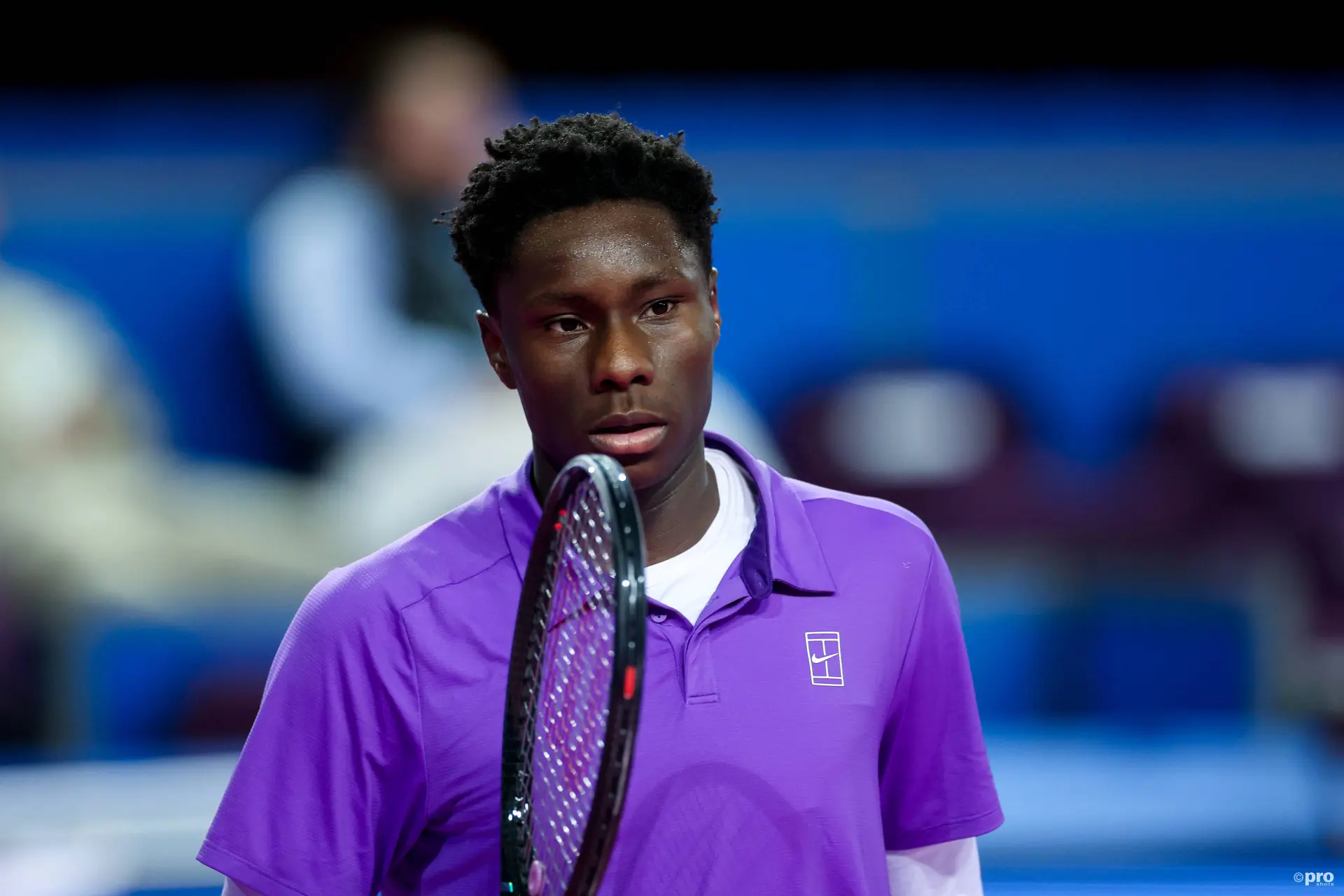
The defeat ended Vallejo’s first main-draw appearance at Roland-Garros, where he had earlier recorded a notable win over Cameron Norrie after the Briton retired due to injury. That result had given him his first Grand Slam main-draw victory, but the second-round match exposed the physical and mental demands of extended five-set tennis under extreme conditions.
On the other side, Kouame—also making his main-draw debut at Roland-Garros—advanced to the third round. He is one of two French players remaining in the draw, alongside Quentin Halys. The 17-year-old will return to court on Saturday to face Alejandro Tabilo, who will arrive more rested after advancing via walkover following the withdrawal of Valentin Vacherot due to injury.

Cristhián AvilaTennis Journalist
Cristhián Ávila is a tennis journalist based in Santiago, Chile, and has been part of the TennisUpToDate team since early 2023. He covers the ATP and WTA Tours as well as all four Grand Slams, producing breaking news, match reports, analysis, and regular liveblogs from major tournaments.
His reporting combines statistical analysis with clear explanation, helping readers understand tactical developments, player form, and broader storylines across the tour. Working fluently in both Spanish and English, Cristhián collaborates with an international editorial team and contributes to comprehensive global coverage. As part of his work, he has conducted interviews and media interactions with leading figures in the sport, including Caroline Wozniacki and John McEnroe.
In his journalism, Cristhián places strong emphasis on careful sourcing, editorial accuracy, and updating articles promptly when new, verified information becomes available. His coverage is grounded in research, context, and direct engagement with professional tennis.
claps 0visitors 0
Just In

Popular News
Latest Comments
- Does Sinner need that 4.5 mil? I doubt it. He can make that with three modelling gigs!😅🤣Rapunzel21-10-2026
- Did "People Magazine" purchase this website? This nonstop storyline is bullshit.
 mandoist21-10-2026
 - Listen... this is of no concern to anyone but these two. Deal with your own issues -- most of us have our own. Thanks, media, for these insignificant follow-ups which are meaningless.mandoist21-10-2026
- This is so very very sad, for all three of them. I truly thought they had an unbreakable bond, but life throws up so many differing challenges. Having your homeland suffering in such a terrible way, makes happiness lose out to guilt as well. Our thoughts are with them. X💔bjsexton20-10-2026
- I have lost all respect for Svitolina! Could she not have waited until he had played at the Paris Masters!!! She is selfish and don't give a damn about Gael. That is NOT how love is demonstrated Elina!!Rapunzel19-10-2026
- Perhaps convenient tennis tour sex is not a strong enough experience in which to base a marriage?mandoist19-10-2026
- Fight the Good Fight... Tennis (sports in general) need more Humans such as yourself.mandoist18-10-2026
- When is WTA going to mandate Genetic Testing (DNA) ???mandoist18-10-2026
- Hey, Dan... you just wake up from a coma? Regardless -- Thanks for the comedy this morning!mandoist18-10-2026
- Two Things: 1. Stop allowing these Spoiled Trust-Fund Elitists to behave badly. Your little hand-slaps do not deter them. 2. STOP the incessantly annoying "towel wiping" nonsense!!!!mandoist15-10-2026

Loading