"We are obviously very disappointed that Jannik and Novak won't be joining us in Montreal this year" - Canadian Open chiefs calls for ATP action amid late withdrawals
ATP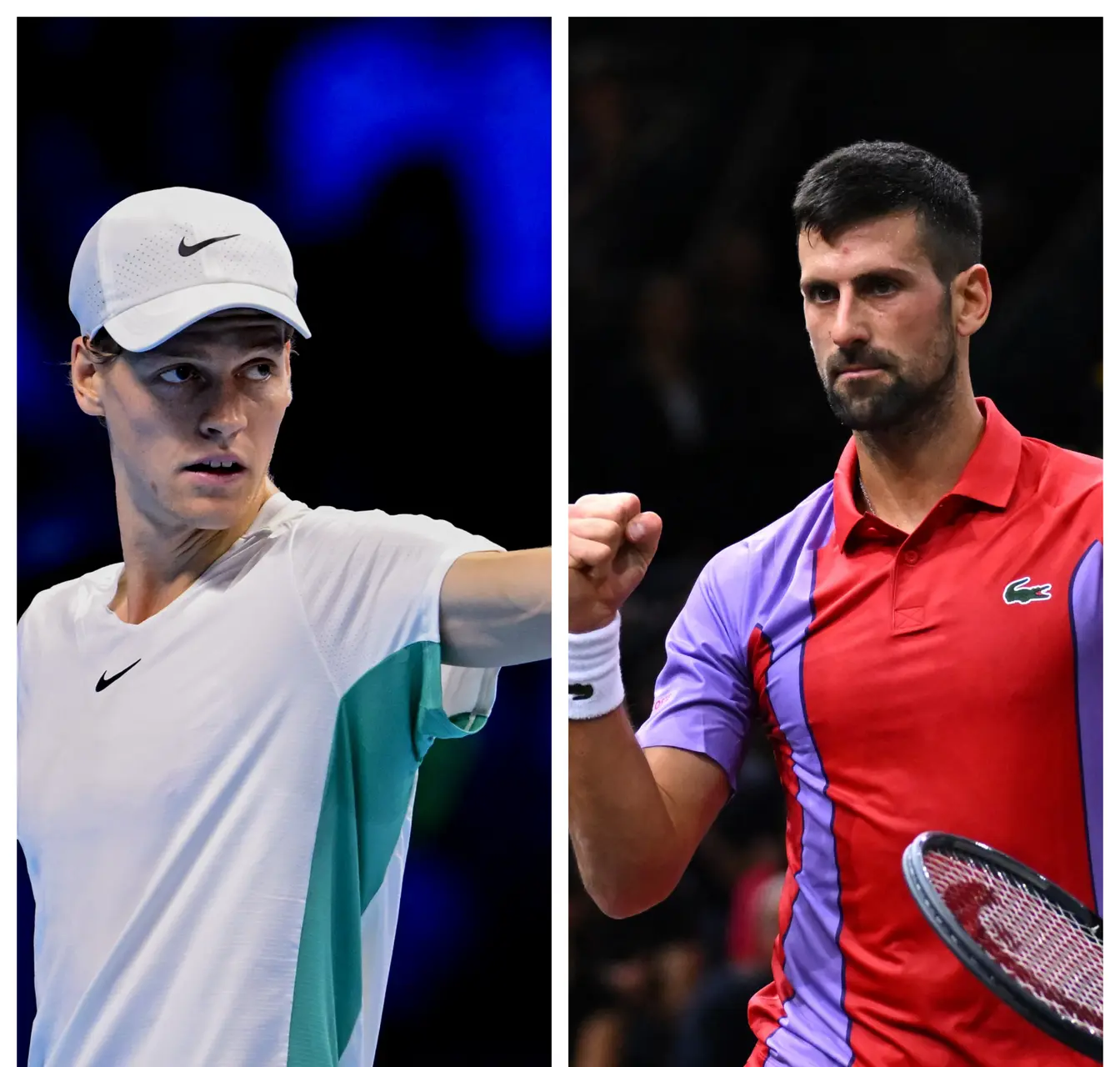
The news of Jannik Sinner and Novak Djokovic joining the list of withdrawals from the Canadian Open raises more questions and concerns over the Masters 1000 tournament. This news came just over a week before proceedings are set to commence on August 3 in Montreal with the tournament director, Valerie Tetreault, and the CEO of Tennis Canada, Gavin Ziv, frustrated over another setback.
This news follows directly from last year when a number of the top names did not participate. Carlos Alcaraz, Sinner and Djokovic were the leading names not to take to court, and for the second year running all three will not be competing.
Alcaraz's situation is different as he continues to recover from a wrist injury, gearing up for the possible title defences at the Cincinnati Open and US Open. Seemingly, the Canadian Open has come too soon.
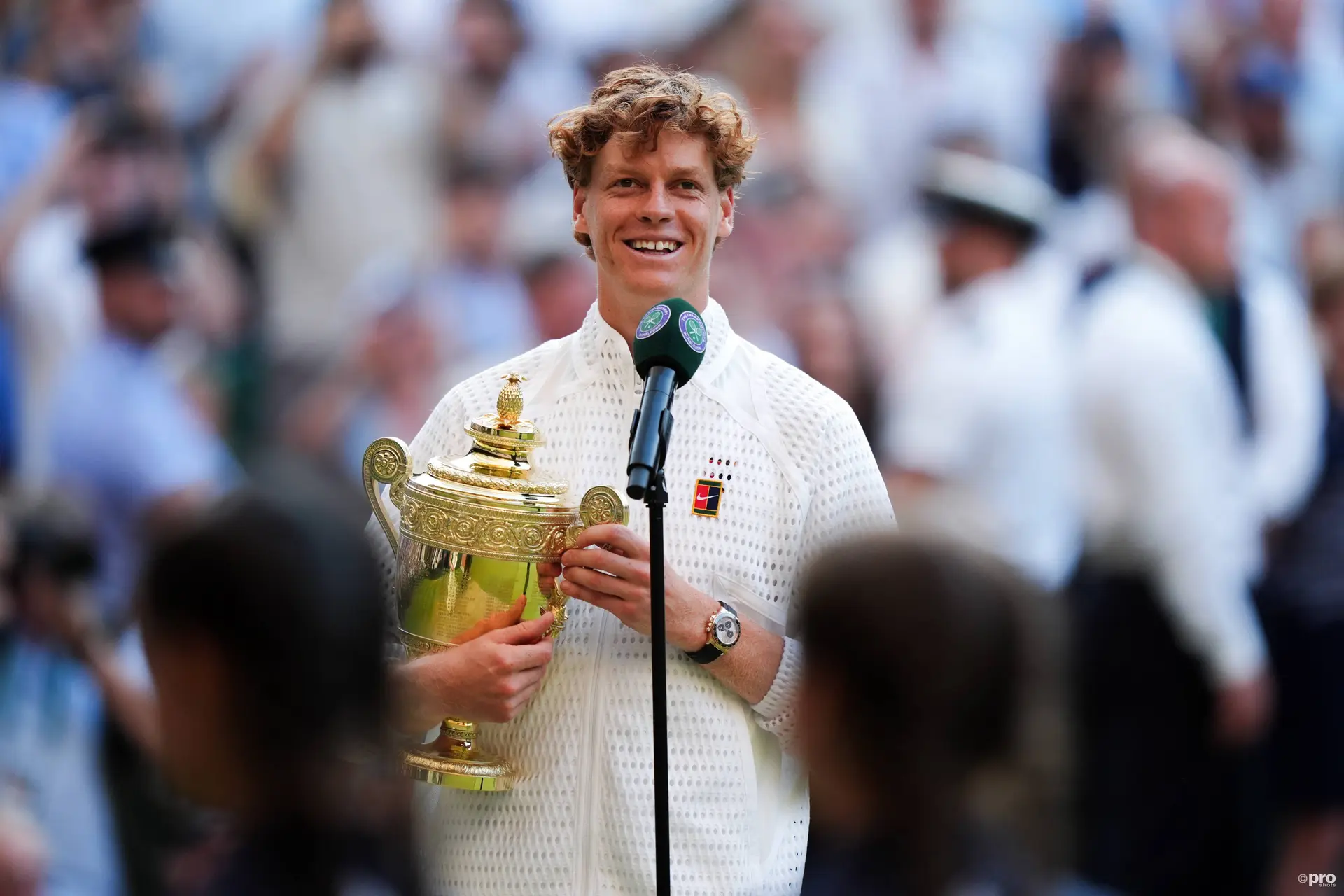
In contrast, Sinner and Djokovic last played at Wimbledon in the final and semi-final respectively. There is three weeks between the culmination of the third Grand Slam and the start of the sixth Masters 1000 event in 2026, but even that lengthy gap is not enough for the duo.
The event was changed significantly in 2025. From a one week event involving 56 players, it now spans over 12 days as 96 players take to the court in each competition. This is the real kicker as the Cincinnati Open, which follows directly after, has the same format. Little rest bite is afforded and that is not even mentioning the US Open.
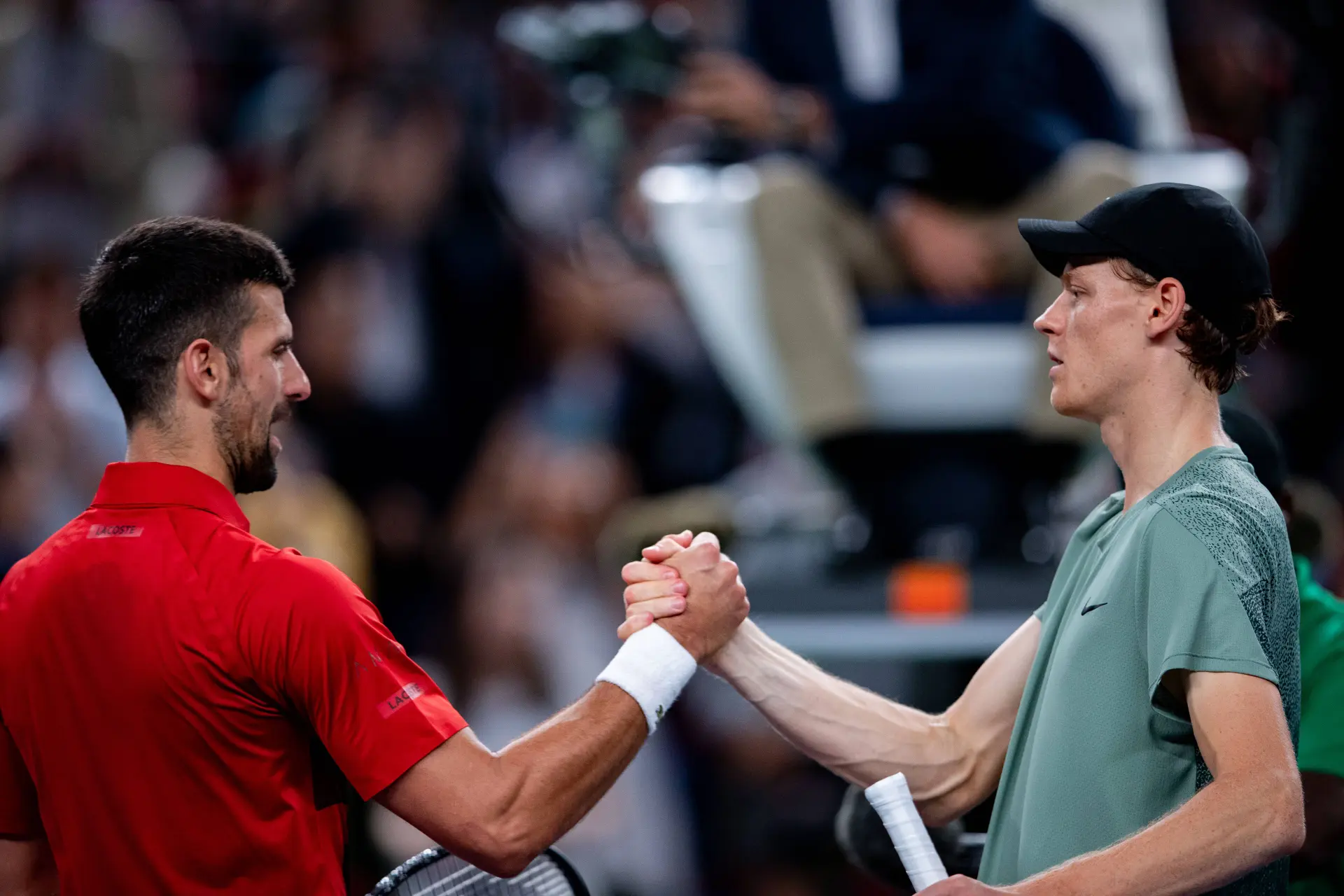
Sinner and Djokovic, who would be likely reaching the latter stages of these competitions, have opted to preserve their body for bigger things, overlooking the Canadian Open once more and leaving the tournament heavily impacted once more.
"Fans rightfully expect to see the world's best compete"
Tetreault has a responsibility of directing the tournament and making sure it goes smoothly. The former professional tennis player was desperate for the boost that Sinner and Djokovic would get them in attention and views, but ultimately that will not be the case.
Ruefully, she accepted their decision. "We are obviously very disappointed that Jannik and Novak won't be joining us in Montreal this year, especially after they also withdrew from last year's tournament in Toronto," she said in a statement. "We respect their decisions and understand that, with such a demanding schedule, players' health must remain the priority."
Nevertheless, she was quick to raise what she believed to be pivotal issues in the sport. "That said, we believe the frequency of these last-minute withdrawals in the last few years raises a broader issue for our sport. Masters 1000 events are among the flagship tournaments on the tour, and fans rightfully expect to see the world's best compete."

Novak Djokovic has won the Canadian Open title four times, the last coming in 2016
She demanded the ATP to do more in preventing these events from happening again. "We firmly believe adjustments are needed in the near future to better protect the integrity of our Masters 1000 events while remaining mindful of the realities players face."
Ziv backed this up. “As a national federation and the organizer of an ATP Masters 1000 tournament, we have a responsibility to advocate for the interests of tennis and the fans who support our event year after year.
“We have already opened a dialogue with the ATP to explore solutions that would maximize the participation of the world’s top players in mandatory events. We are encouraged by the openness shown so far and hope these discussions will lead to concrete changes in the near future.”
An ominous pattern
Withdrawals from these top events are becoming more and more common. Not just on the ATP, but the WTA are also feeling the affects of more lengthy tournaments. The Dubai Duty Free Tennis Championships was skipped by both Aryna Sabalenka and Iga Swiatek in a similar fashion, leaving the tournament owners and directors red-faced.
Solutions will be needed to be found between the players and tournaments, or the risk similar scenarios are at risk of occurring. Players need rest, and are struggling to find periods in the year to get that. Sinner, for example, felt the full force of playing in three consecutive Masters 1000 tournaments back-to-back on clay after his busy Sunshine swing. Following Roland Garros, he did not play a single match on grass until his successful Wimbledon title defence, and yet he is still pulling out of tournaments with his incredible Masters 1000 streak set to come to an end. As the North American hardcourt swing comes and goes with the Asian swing still to come, time will tell on what will occur.
Lucas MichaelTennis Journalist
Lucas Michael is a tennis journalist based in Cambridge, UK, specializing in comprehensive coverage of the ATP and WTA tours. For the past 1.5 years, he has been a core contributor to TennisUpToDate, where he has authored more than 3,000 data-driven match reports, deep-dive analysis pieces, and engaging liveblogs.
Lucas pairs real-time statistical analysis with on-the-ground reporting, frequently traveling to tournaments to cover the action firsthand from the press box and player press conferences. This blend of advanced metrics and direct access allows him to provide sharp context regarding player form, tactical trends, and breaking tour developments.
He holds a BA (Hons) in Sports Journalism. Grounded in core journalistic ethics, Lucas places a strict emphasis on meticulous sourcing, editorial accuracy, and a commitment to updating live content swiftly as verified information emerges.
claps 0visitors 0
Just In

Popular News
Latest Comments
- A healthy Qinwen may be hard to stop next season. She was already scaring her opponents before her medical leave(s). Unfortunately, Zheng insisted on singing again. On the positive side -- Mirra did not sing!! ;~}
 mandoist11-10-2026
 - Where is it written that athletes, entertainers... People in general... are mandated to keep looking at -- or even using [anti]Social Media? Public & private figures consistently complain and reveal their concerns about negativity and violence thrown at them -- yet they insist on participating. Avoid it, don't use it, don't read it. It's okay to occasionally look up at the World instead beating your eyes & thumbs to death on The Inventions out there.mandoist11-10-2026
- great articlestennisseserver07-10-2026
- Medvedev was leading Djokovic 7-5, 3-5 when an attempted return..' NO you ignorants, Djokovic was leading .weiss05-10-2026
- No more bullshit "Wildcards" to these two. Qualify like everyone else -- there will be cameras there, too. Time to scream... WTF ????!!!!mandoist29-09-2026
- Let's not BS the general public -- Sabalenka started showing cracks in her game last season. Her losses and near-losses started at about the same time she began being distracted by Fame (constant Selfies, making TV commercials, magazine shoots, endless Social Media nonsense, etc., etc.) One would think even Saba could recognize the parallels with others who failed before her -- Raducanu, Giorgi, Bouchard to name a few.mandoist25-09-2026
- Gross!! Hey Raducanu, Giorgi, and Bouchard -- reserve a seat at your Social Media Selfie table for Saba + Naomi. They're heading in your direction soon enough.mandoist24-09-2026
- And then these same players will complain about how lengthy their season’s were and need more time-off. I’m all for more tennis but the amount of tennis we get now is actually kind of crazy! We all need a break, especially the players.DaveyWavey23-09-2026
- You should do a comparison article for "different kinds of justice" the courts decide for tennis players. I can think of at least three players who received very small bans of a few months, however Tara Moore has been fighting for her literal survival the past few years. It seems odd considering she is not a "name" player, unlike the other cases.DaveyWavey22-09-2026
- PRIZE MONEY & POINTS Winner - $185,500 Finalist - $114,500 Semi-Finalist - $66,003 Quarter-Finalist - $35,000 Round of 16 - $18,045 Round of 32 - $13,005 Winner - 500 Finalist - 325 Semi-Finalist - 195 Quarter-Finalist - 108 Round of 16 - 60 Round of 32 - 1DaveyWavey20-09-2026

Loading