Grand Slam super tie-break rules explained: When are they used at the US Open, Wimbledon, Australian Open and French Open – and why not at ATP Finals?
FAQ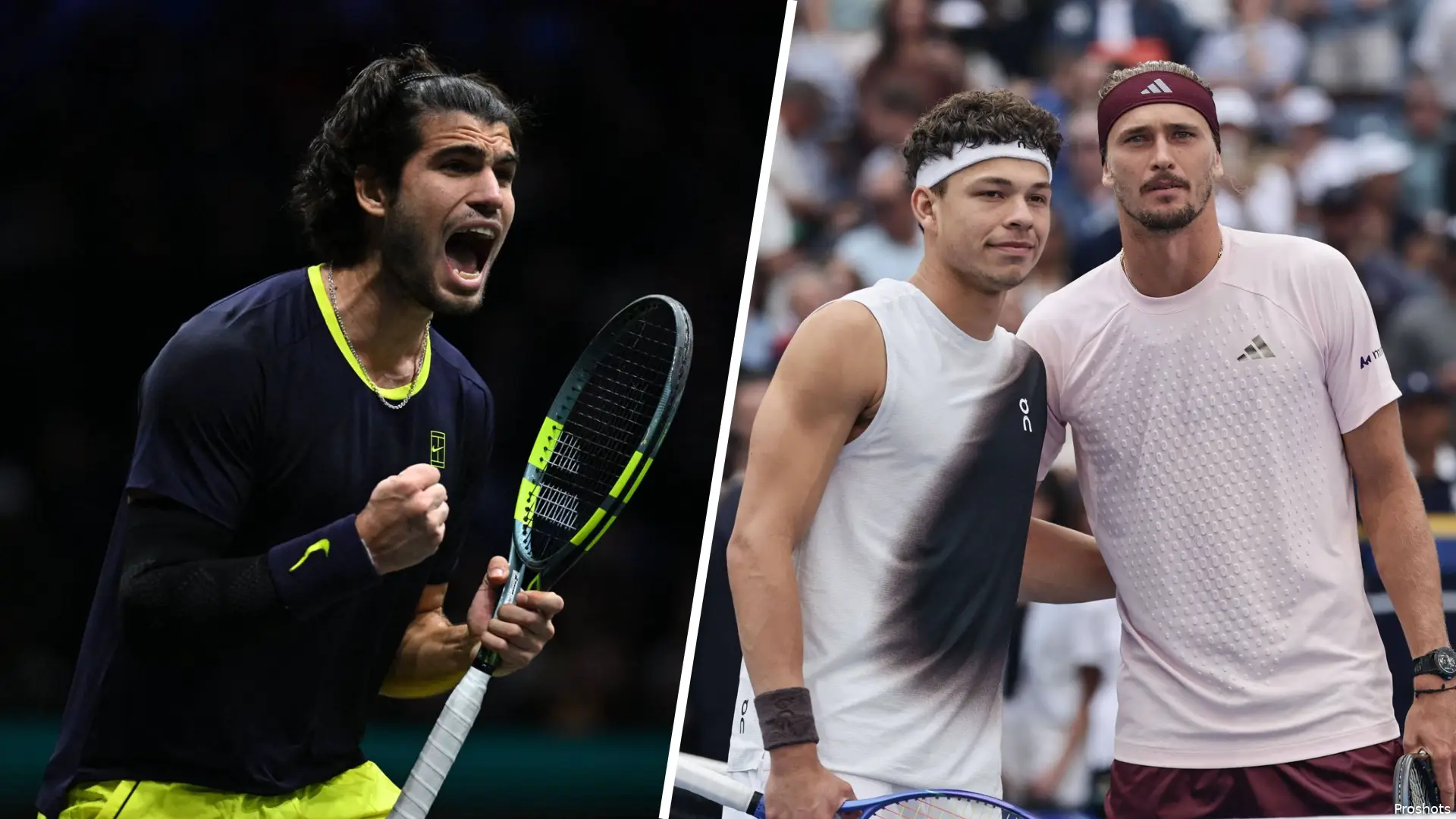
Here is all you need to know about the tie-break rules for the Grand Slams, including the US Open, French Open, Wimbledon and Australian Open, with recent changes to the scoring system meaning that, unlike in the past, matches cannot continue without an end in sight.
Tie-breaks occur in tennis when a set reaches 6-6 in games. It is then the first player to win seven points in the tie-break with at least a two-point margin. This could be 7-5, 7-4, or 7-3, but also 10-8 or even 14-12. As long as there is not a two-point margin, this continues until there is one.
Here is what to expect in this article about the super tie-break:
1. The Grand Slam Board’s Unified Super Tie-Break Rules
2. Record-Breaking Tie-Break: Rybakina vs. Blinkova (2019 Australian Open)
3. Comparison: Old vs. New Grand Slam Tie-Break Rules
4. Why Tennis Switched to the 10-Point Final Set Tie-Break
5. 2025-2026 US Open Rule Changes and Mixed Doubles Updates
6. Pros and Cons: The Impact of Super Tie-Breaks on Tennis
7. When are there no super tie-breaks?
1. The Grand Slam Board’s Unified Super Tie-Break Rules
After a player starts the tie-break with one point on serve, the serving alternates, with each player having two each on serve. In 2019, the Australian Open was the first Grand Slam to implement a 10-point tie-break rule in the final set when the score reaches 6-6 in games. These rules also apply to Qualifying during the Australian Open and have been followed by other Grand Slams, including the French Open, Wimbledon and US Open.
“Further to extensive consultation with the WTA, ATP, ITF and tennis officiating community, the Grand Slam Board’s decision is based on a strong desire to create greater consistency in the rules of the game at the Grand Slams and thus enhance the experience for the players and fans alike,” read a joint statement.
It is similar to a normal tie-break, albeit one player starts off with a point on serve, and then the other player has two points on serve, which then alternates between each player having two each. The winner is the first to reach 10 with at least a 2-point margin. If a player gets to 10 and this isn't the case, it continues until they achieve that.
2. Record-Breaking Tie-Break: Rybakina vs. Blinkova (2019 Australian Open)
The main spur for change was the longest tie-break in Grand Slam history (22-20). In the 2023 edition of the Australian Open, something remarkable occurred. Elena Rybakina and Anna Blinkova had to fight out a super tie-break in their final set of Round 2. Both women kept saving tonnes of match points thrown at them by their opponent. This occurred on a staggering fourteen occasions in total! The super tie-break eventually recorded an endscore of 22-20 in favour of underdog Anna Blinkova, who then and there won the match on a super tie-break. That was the first time in the whole breaker that one athlete had been able to put the required two-point difference in a tie-break on the scoreboard! It was also the longest Grand Slam tie-break in WTA history.
As with other Grand Slams, the super-breaker has not affected the scoring of sets, with it still being best of three in the women's singles and best of five in the men's singles.
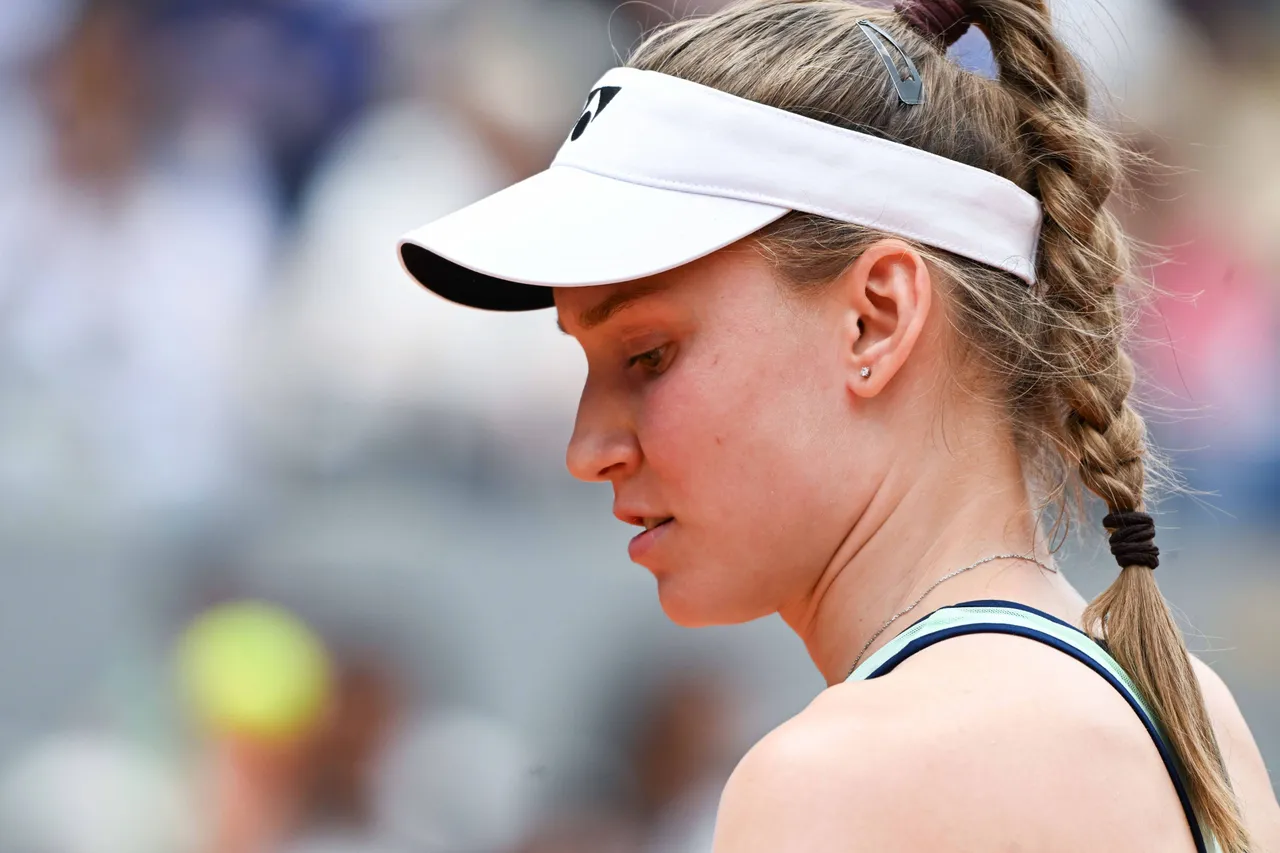
Elena Rybakina v Anna Blinkova was the first prominent example of this.
3. Comparison: Old vs. New Grand Slam Tie-Break Rules
Prior to this agreement, the US Open used a seven-point tie-break system at 6-6 in the final set. Wimbledon used a seven-point tie-break only at 12-12.
Meanwhile, the French Open did not use a final set tie-break at all and relied solely on advantage sets. In addition, French Open (Roland Garros) was the last Grand Slam to adopt the new system.
Lastly, Australian Open had already been using the 10-point tie-break system at 6-6 ever since 2019.
The governing bodies of the four majors have now implemented standardised tie-break rules to ensure consistency across all Grand Slam tournaments.
4. Why Tennis Switched to the 10-Point Final Set Tie-Break
Before 2022, each Grand Slam had its own rule which created confusion for players, fans, and officials alike and meant that, for instance, Wimbledon after the French Open had different rules for their tournament compared to others.
In addition, it came down to player welfare and scheduling. A 10-point tie-break provides a quicker conclusion. Marathon matches such as John Isner v Nicolas Mahut lasted over 11 hours with a 70-68 final set. This would be taxing and cause scheduling delays if it continues to be the case.
But with the new tie-break rules, it still creates a dramatic yet more predictable and compact conclusion to a tournament.
5. 2025-2026 US Open Rule Changes and Mixed Doubles Updates
The US Open introduced a "reimagined" Mixed Doubles Championship in 2025, moving the event to Fan Week (the week prior to the main draw). This change was designed to allow high-ranking singles players to compete without exhausting themselves before the main singles event.
Scoring Rules for the Mixed Doubles Championship:
- Early Rounds (R1 through Semifinals): Matches follow a "Fast4" style – best-of-three sets, where each set is played to four games (a tie-break occurs at 4-4).
- The Final: The championship match returns to a traditional format with sets played to six games.
- No-Ad Scoring: All matches use "No-Ad" scoring. At the end, a single "sudden death" point decides the game.
- 10-Point Match Tie-break: If teams split the first two sets, a 10-point match tie-break is played in lieu of a full third set.
Note: This "Match Tie-break" is different from the "Super Tie-break" used in singles. While both go to 10 points, the Mixed Doubles version replaces the entire third set, whereas the singles version only occurs at 6-6 in the final set.
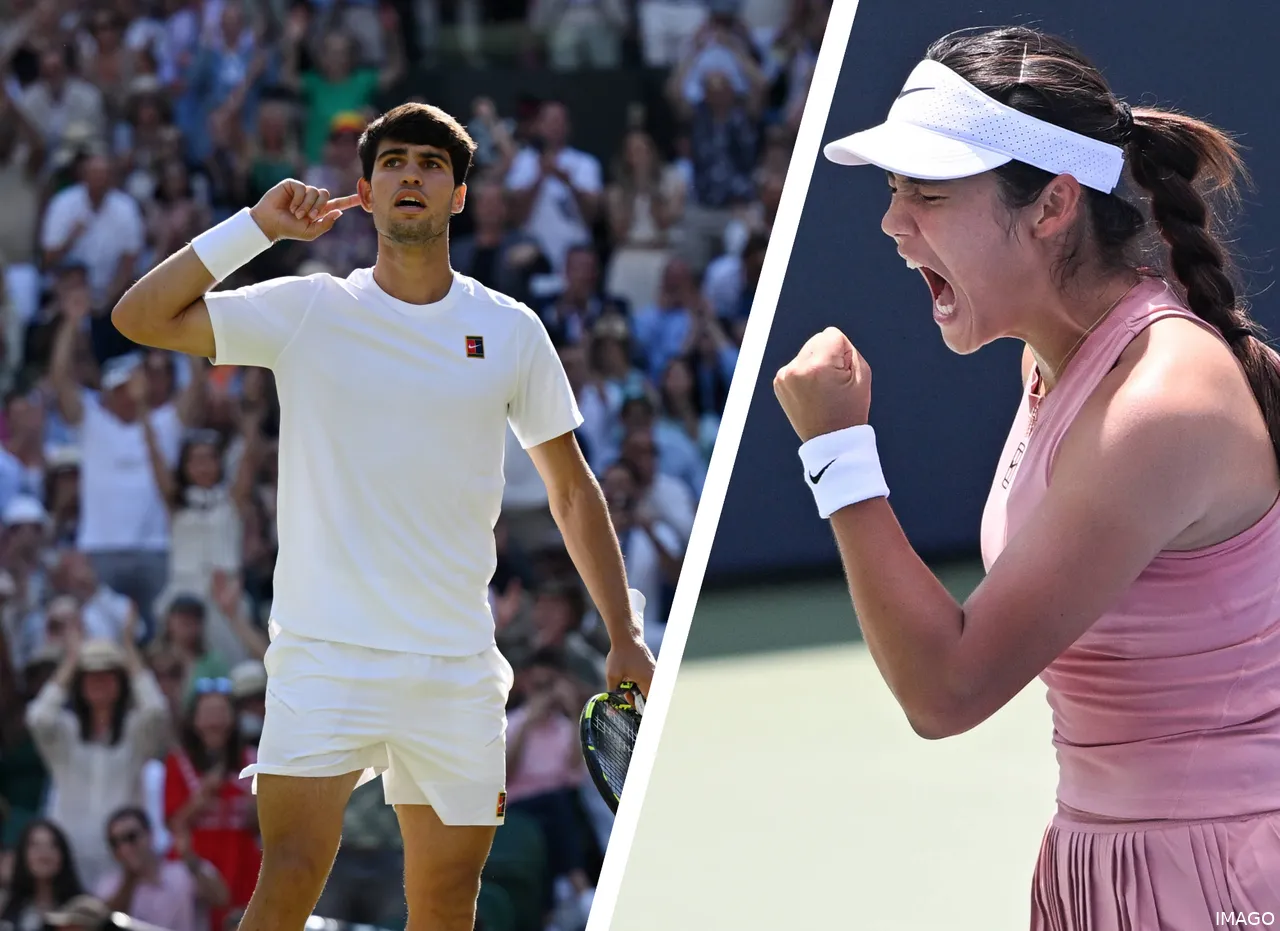
Alcaraz and Raducanu team together at the US Open under different tie-break type rules.
6. Pros and Cons: The Impact of Super Tie-Breaks on Tennis
While for many it is a pretty drawn-out process and one that sees games completed quicker, some aren't as hasty to let go of the old format.
Such issues with the new format include:
- Loss of epic fifth sets: Critics would argue that final sets which extend beyond 6-6 provide some of the most memorable emotional moments in tennis history. Examples include Federer v Roddick at Wimbledon 2009 or Nadal v Djokovic (Australian Open 2012).
- Tiebreak feels so sudden: A 10-point decider can abruptly end a long, drawn-out match with drama and prove anticlimactic.
Others would be for it for the following reasons:
- Random lottery-type feel: With this shorter format, the idea that players wouldn't win as easily without it means that it could lead to a shock factor.
- Scheduling and broadcast clarity: Super tie-breaks help tournaments stick to schedules, avoid marathon delays, and make match timings more predictable for broadcasters and fans.
7. When are there no super tie-breaks?
Super tie-breaks do not take place during any normal events such as ATP 1000, WTA 1000 and also the respective finals.
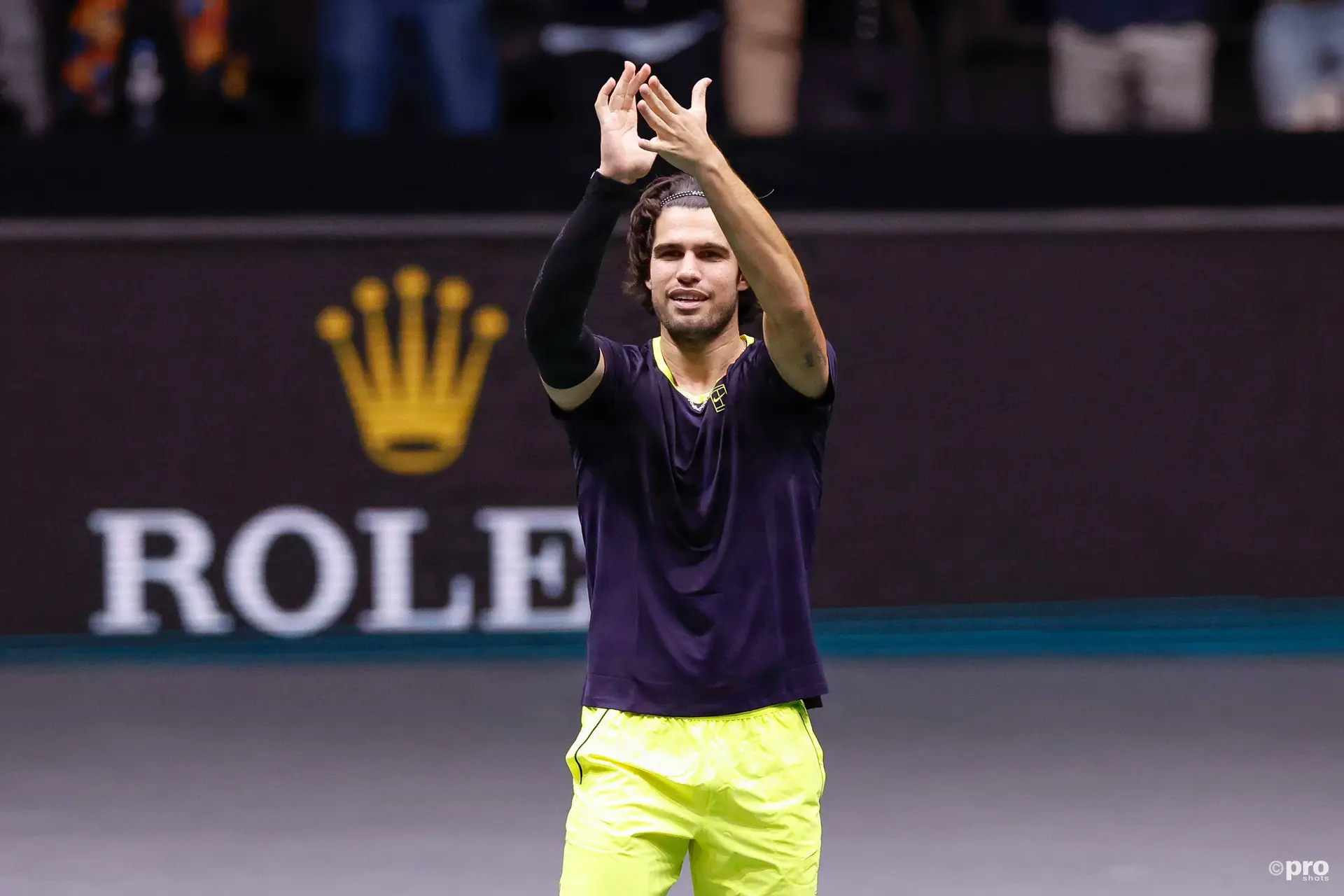
They all follow the same rules, which are first to three, ala the main women's tour, including the Grand Slams. For instance, at the ATP Finals, Carlos Alcaraz and Ben Shelton played until the tie-break in the final set. But they will not play a super tie-break, as it follows normal ATP rules.
Read also
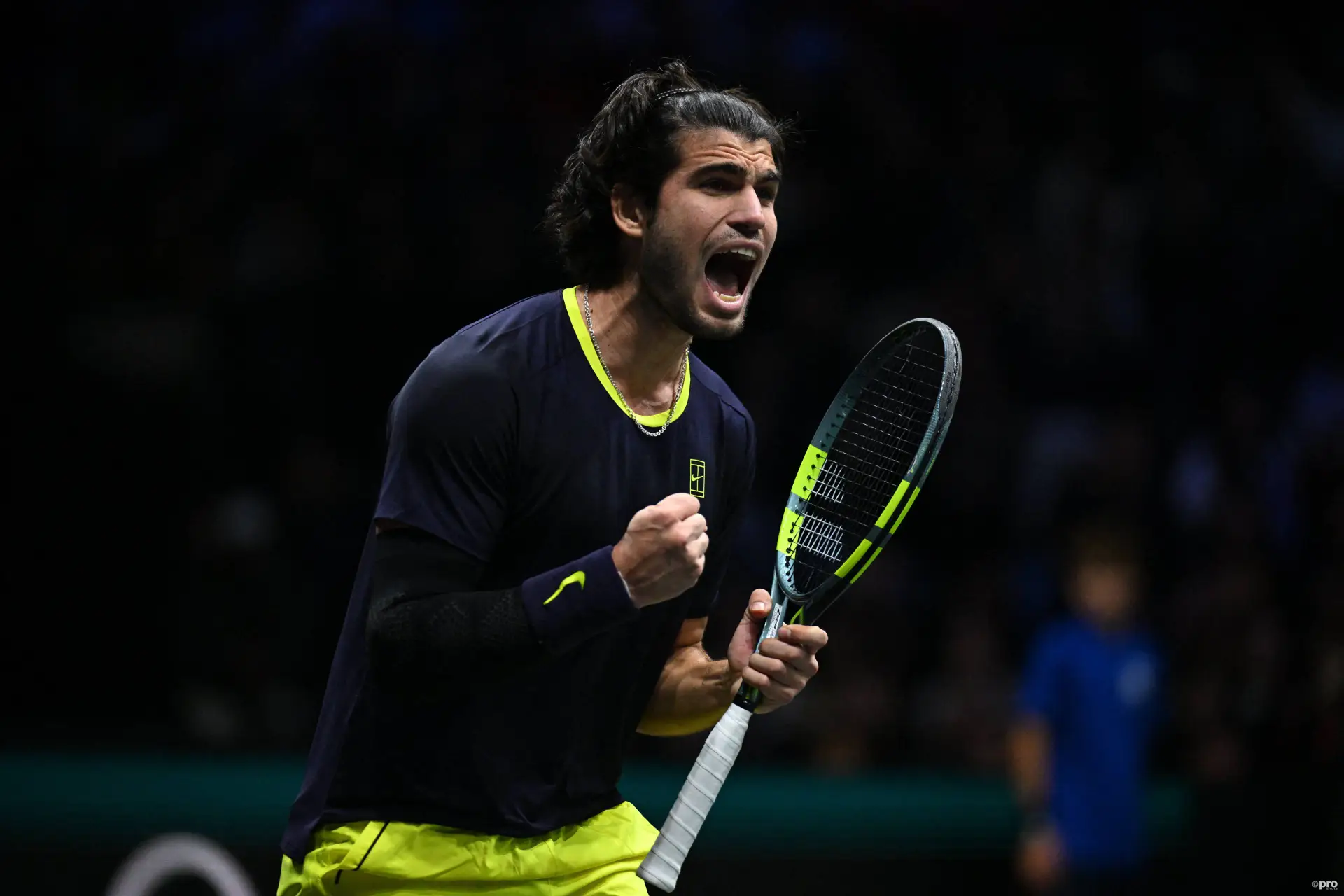
So while it is an innovation inside the Grand Slam arena, outside of the Grand Slam arena it is very much still normal, making the US Open, Australian Open, French Open and Wimbledon one and their own.

Samuel GillEditor-in-Chief
Samuel Gill is the Chief Content Officer (CCO) of TennisUpToDate.com, a role he has held since 2020. He is responsible for editorial governance across the platform, including setting content standards, overseeing accuracy and consistency, and guiding long-term editorial strategy. Since joining, he has contributed more than 10,000 articles and editorial pieces across the TennisUpToDate network, playing a central role in the daily operation and development of the site.
Based in Leicester, Samuel has a broad background in tennis media. In his current role, he works closely with editors and writers to ensure coverage meets clear journalistic standards, with particular attention to verification, consistency, and timely updates when new information becomes available.
claps 12visitors 6
Just In

Popular News
Latest Comments
- Allow me to summarise this wonderful article. We have been inundated with TOO MUCH tennis! Let the players go home, spend some time with families and loved ones and allow them to breathe and have a merry Christmas.Rapunzel20-11-2026
- It's been apparent to people that remember who Saba acted and spoke (before her win streak) that she's been gradually reverting to her old nasty, argumentative, excuse-making self. Even Championships cannot hide one's personality forever.
 mandoist18-11-2026
- Great list of players to watch! Really like Lilli Tagger. Nice looking game. I’m most interested in seeing how good Victoria Mboko becomes. She and Jovic and Eala might just be the ones fighting alongside Andreeva for Grand Slam titles soon.DaveyWavey16-11-2026
- Mirra's very funny words have been in my head since yesterday. "If I win the car I have 5 people in my box that can drive me around. I will forever be a passenger princess. I have a plan..." And I will never forget how she had me rolling on the floor laughing when asked how she beat Jess Pegula so handily: "I don't know what happened; It must have been the Diva in me". CLASSIC STUFF !mandoist15-11-2026
- Can whomever has a microphone in the Final... PLEASE STOP YAMMERING ABOUT YOURSELVES NONSTOP THROUGHOUT THE MATCH???? Get a grip and STFU once in awhile so we can 'hear' the actual play on court.mandoist15-11-2026
- Martina is one of the most competent, knowledgeable, and 99.999% correct in her analysis. Most of all -- WHILE A COMMENTATOR IN MATCHES SHE KNOWS WHEN NOT TO TALK AND DISTRACT FROM THE ACTION !!! Someone please pass that idea on to Austin, Shriver, and whoever else has been f-ing YAPPING throughout the play. How thoughtless and elitist can these people be squawking nonstop throughout an entire game about themselves. STFU, please (I said "please"). Let us 'hear' the game play on court.mandoist15-11-2026
- Tennis "fans" have short memories. This is exactly who Saba always was... granted she found a 'new' persona when she began winning matches and tourneys. Off-court she's always been a racist potty-mouth. Her meanness also shines through when she thinks no one else is around. In short, the "person" you've witnessed in post-match on-court interviews is NOT who she is. As for her familiar "apologies, she can stick that routine in her racquet bags because I never believed her words nor phony "respect" for her opponents -- and I ain't buying that now.mandoist15-11-2026
- Was Saba not paying attention to those who sought an inordinate amount of attention outside of their sport (occupation)... and to the point they lost their focus and eventually their place in tennis? For example: Giorgi, Bouchard, Raducanu, etc. They became infatuated with endless Selfies, videos, podcasts, TV commercials, magazine shoots, and so on. Thus their tennis suffered. Priorities are important.mandoist14-11-2026
- I, like writer of this wonderful article, also picked Noskova to win this entire thing. I would love it if she and Andreeva are in the final.Rapunzel12-11-2026
- "Priorities", Saba... spend less time in front of cameras, anti-Social Media, selfies and back to Tennis.mandoist12-11-2026
