"Women’s tennis is the most successful global sport": Novak Djokovic weighs in on equality debate
ATP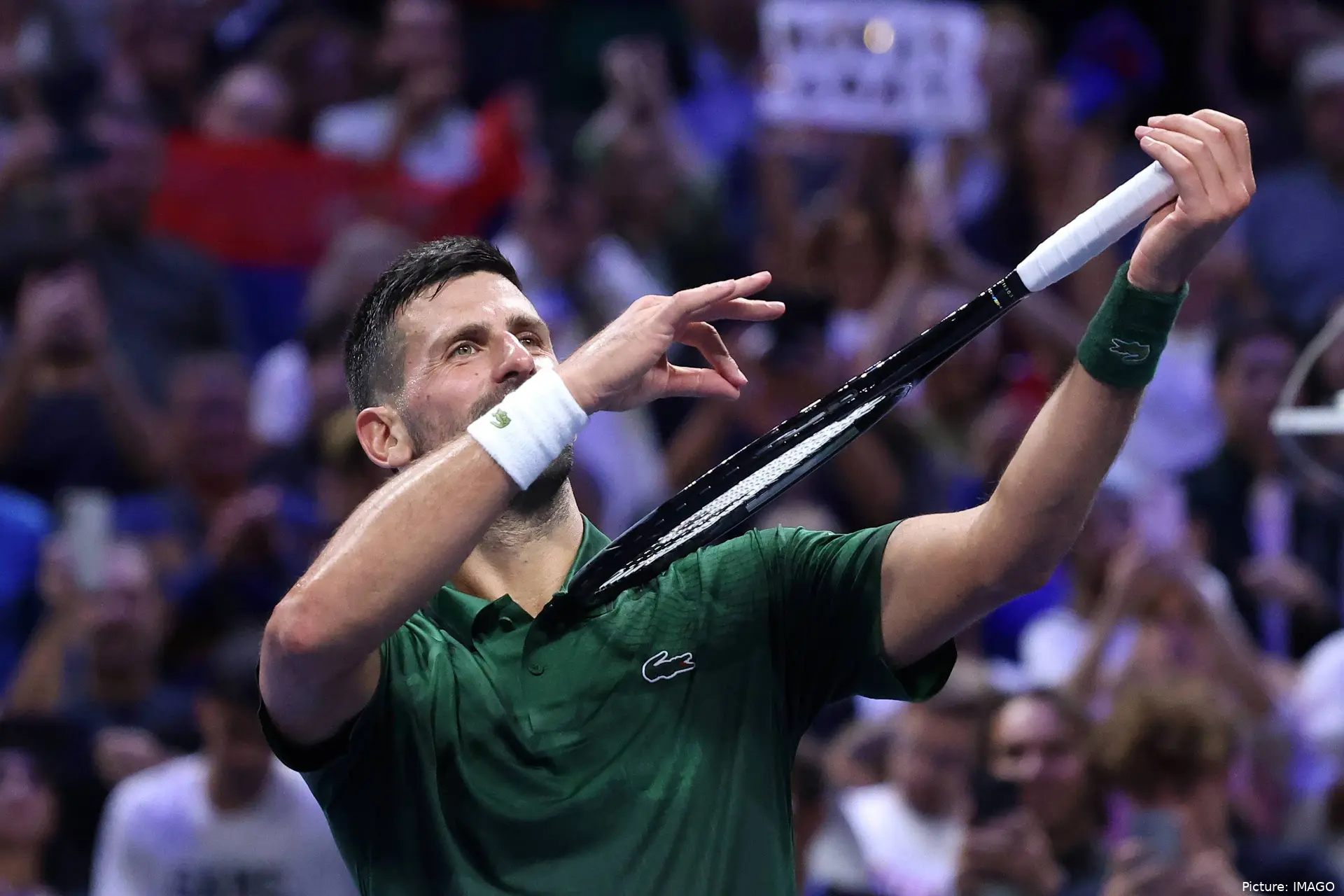
Novak Djokovic described women’s tennis as the leading global example of success in women’s professional sport during his last press conference at Indian Wells. The 24-time Grand Slam champion said the women’s game has established itself as both one of the most visible and best-compensated competitions in the sporting world.
The Serbian made the comments when asked about the state of equality in tennis compared with the situation two decades ago, when he first entered the professional tour. The 38-year-old player pointed to the growth of the WTA Tour and the visibility of women’s tennis as clear evidence of progress.
According to Djokovic, the position of women’s tennis within the global sports landscape sets it apart from most other disciplines. He noted that the sport has consistently maintained strong prize money levels and global attention, something that remains a challenge for many women’s competitions.
“Women’s tennis has been by far the most successful global women’s sport and also the most paid,” the former world No. 1 assured when asked about equality in tennis. “It’s great to see that. I’m happy for that and proud of that. I think it’s in a good place.”
Djokovic previews Jack Draper challenge
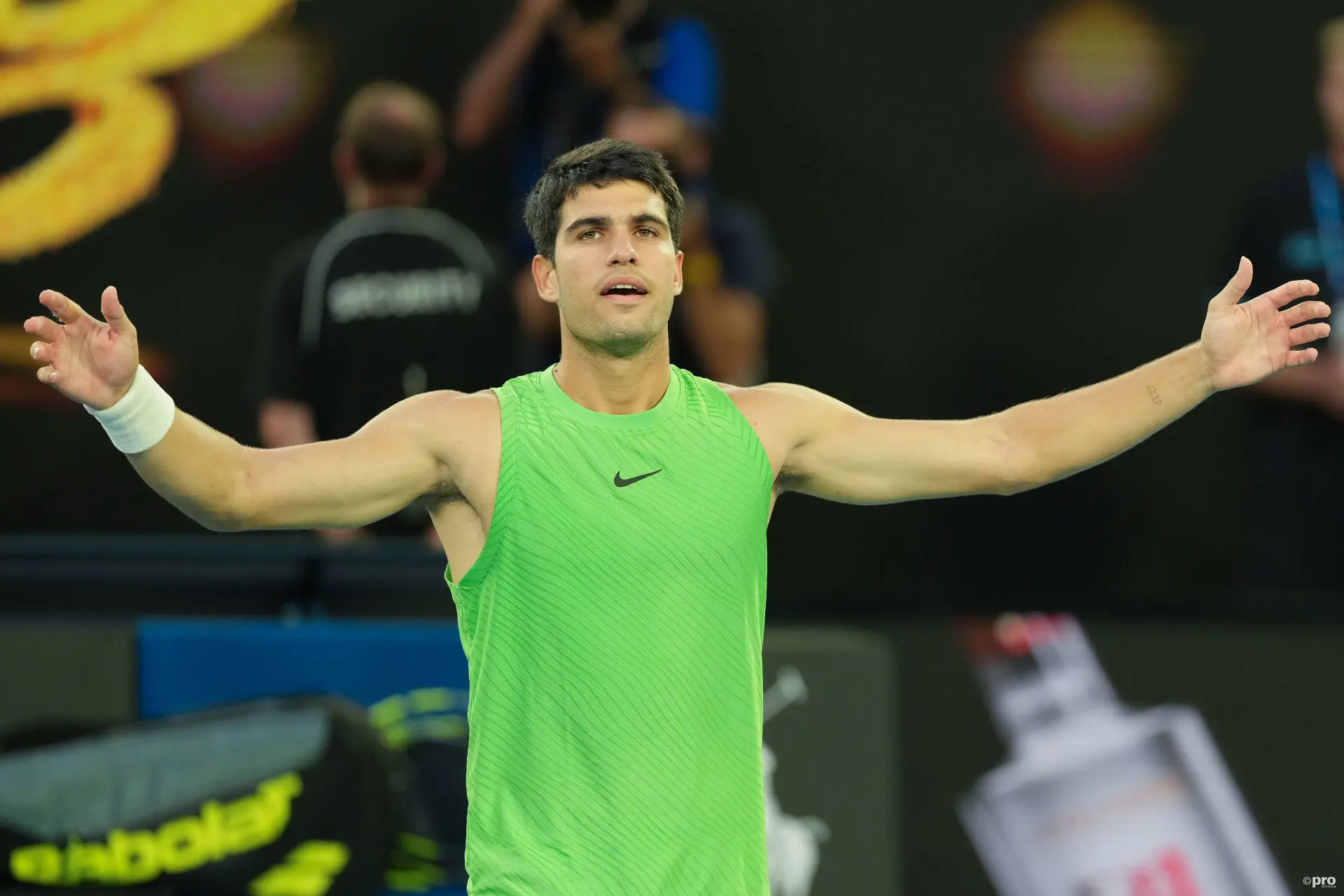
Djokovic will next face defending champion Jack Draper in the fourth round, a matchup that promises to be one of the most compelling encounters of the tournament’s second week. Draper arrived in Indian Wells as the reigning champion and has been rebuilding momentum after missing extended time last season due to injury.
The Serbian expects the British left-hander to present a difficult tactical challenge. Djokovic noted that Draper has already demonstrated top-level quality on the ATP Tour and remains a dangerous opponent when fully fit. “As far as Draper is concerned, he’s a fantastic player. He’s defending his title here and he’s a top-five quality player in the world. I expect a big fight.”
Djokovic also reflected on the match that secured his place in the fourth round. He acknowledged that his opponent produced an exceptional serving performance, which prevented him from establishing consistent pressure on return throughout much of the contest.
“I don’t recall facing someone who is not that tall and to be able to serve that well and hit his spots in the box,” Djokovic said. “I wasn’t feeling my rhythm on the return today, but he was making my life very difficult. He was acing me all over and getting a lot of free points.”
The five-time Indian Wells champion returned to the fourth round in Tennis Paradise for the first time since 2017 and now holds an 8–1 record this season. However, he acknowledged that he has been dealing with minor physical discomfort that has prevented him from feeling fully at 100%. “I’ve had some problems with my foot over the last couple of weeks, especially affecting my serve. I’ve been making more double faults than usual, which frustrated me on the court.”
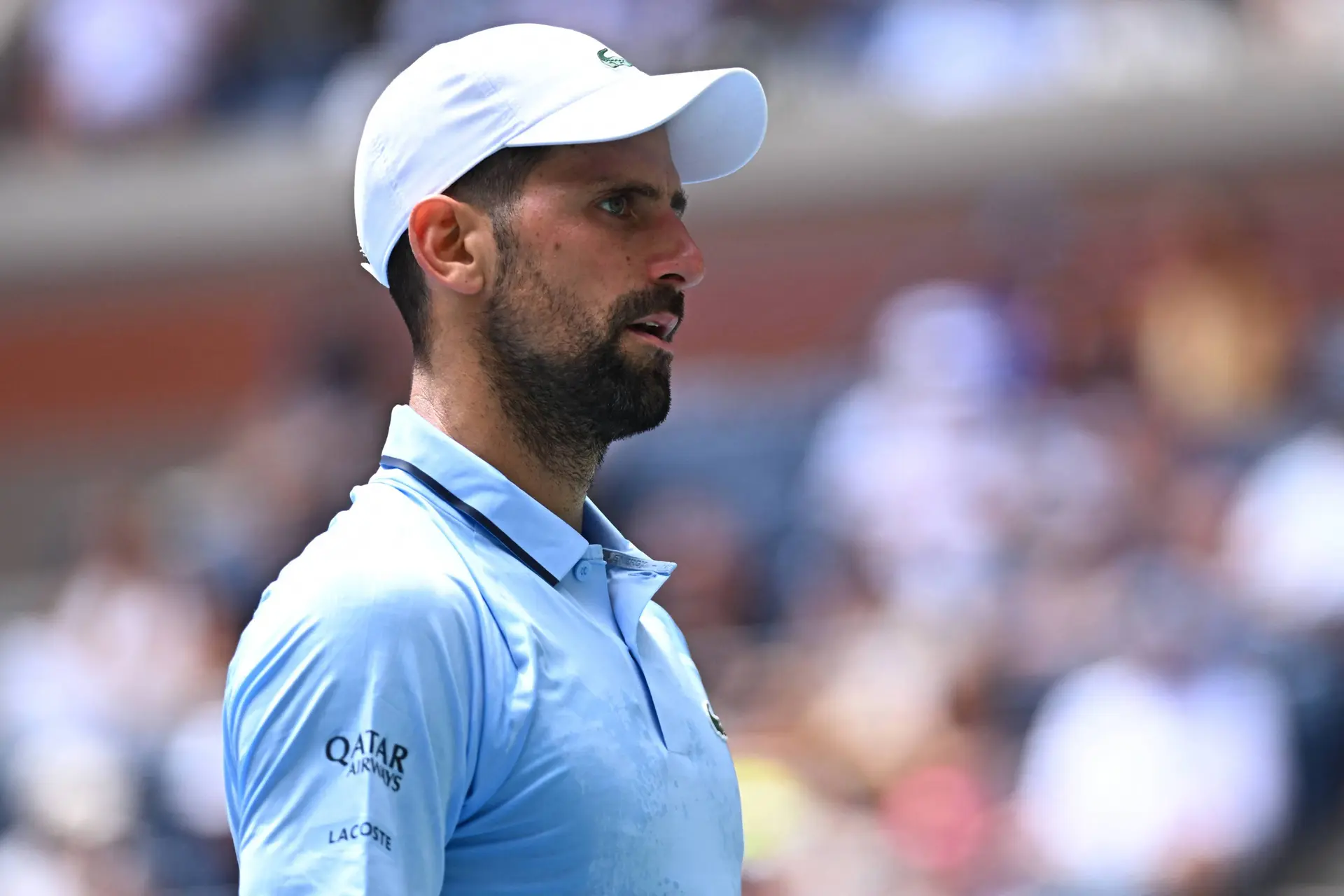
“When you play someone like today’s opponent, who gets many easy points on his first serve, it makes things difficult,” he added regarding the local player Kovacevic. “In the second set I didn’t have many chances. I had to work much harder on my service games, while he moved through his service games quite comfortably.”
“We’re taking it day by day and seeing how things develop,” Nole added a day before challenging defending champion Draper. “Of course it doesn’t help that I’ve played more matches than him, but we’re trying to manage this minor injury as best we can.”
Djokovic explains the meaning of ‘tennis IQ’
During the same press conference, Djokovic also addressed the concept of “tennis IQ,” a term frequently used to describe players capable of solving complex tactical situations during matches. The Serbian explained that the idea ultimately comes down to the ability to find solutions when initial strategies fail.
Djokovic emphasised that the development of tactical intelligence does not begin during matches but through daily preparation and long-term development. According to the former world No. 1, elite players must constantly refine their games rather than rely solely on their natural strengths.

“In a simple way to put it, it’s finding a way through, finding a solution. You can’t only rely on your strengths and hope that your weaknesses are not exposed. You have to keep improving your game because everyone else is doing it.”
He added that adaptability is one of the defining qualities separating the most successful players from the rest of the field. When primary strategies fail, competitors must be capable of adjusting quickly to the opponent, surface and match conditions. “When plan A or plan B isn’t working, you need plan C, D, E or whatever. You have to adapt to every player, every surface and every condition. That takes years of development.”

Cristhián AvilaTennis Journalist
Cristhián Ávila is a tennis journalist based in Santiago, Chile, and has been part of the TennisUpToDate team since early 2023. He covers the ATP and WTA Tours as well as all four Grand Slams, producing breaking news, match reports, analysis, and regular liveblogs from major tournaments.
His reporting combines statistical analysis with clear explanation, helping readers understand tactical developments, player form, and broader storylines across the tour. Working fluently in both Spanish and English, Cristhián collaborates with an international editorial team and contributes to comprehensive global coverage. As part of his work, he has conducted interviews and media interactions with leading figures in the sport, including Caroline Wozniacki and John McEnroe.
In his journalism, Cristhián places strong emphasis on careful sourcing, editorial accuracy, and updating articles promptly when new, verified information becomes available. His coverage is grounded in research, context, and direct engagement with professional tennis.
claps 0visitors 0
Just In


Popular News

Latest Comments
- Does Sinner need that 4.5 mil? I doubt it. He can make that with three modelling gigs!😅🤣Rapunzel21-10-2026
- Did "People Magazine" purchase this website? This nonstop storyline is bullshit.
 mandoist21-10-2026
 - Listen... this is of no concern to anyone but these two. Deal with your own issues -- most of us have our own. Thanks, media, for these insignificant follow-ups which are meaningless.mandoist21-10-2026
- This is so very very sad, for all three of them. I truly thought they had an unbreakable bond, but life throws up so many differing challenges. Having your homeland suffering in such a terrible way, makes happiness lose out to guilt as well. Our thoughts are with them. X💔bjsexton20-10-2026
- I have lost all respect for Svitolina! Could she not have waited until he had played at the Paris Masters!!! She is selfish and don't give a damn about Gael. That is NOT how love is demonstrated Elina!!Rapunzel19-10-2026
- Perhaps convenient tennis tour sex is not a strong enough experience in which to base a marriage?mandoist19-10-2026
- Fight the Good Fight... Tennis (sports in general) need more Humans such as yourself.mandoist18-10-2026
- When is WTA going to mandate Genetic Testing (DNA) ???mandoist18-10-2026
- Hey, Dan... you just wake up from a coma? Regardless -- Thanks for the comedy this morning!mandoist18-10-2026
- Two Things: 1. Stop allowing these Spoiled Trust-Fund Elitists to behave badly. Your little hand-slaps do not deter them. 2. STOP the incessantly annoying "towel wiping" nonsense!!!!mandoist15-10-2026

Loading