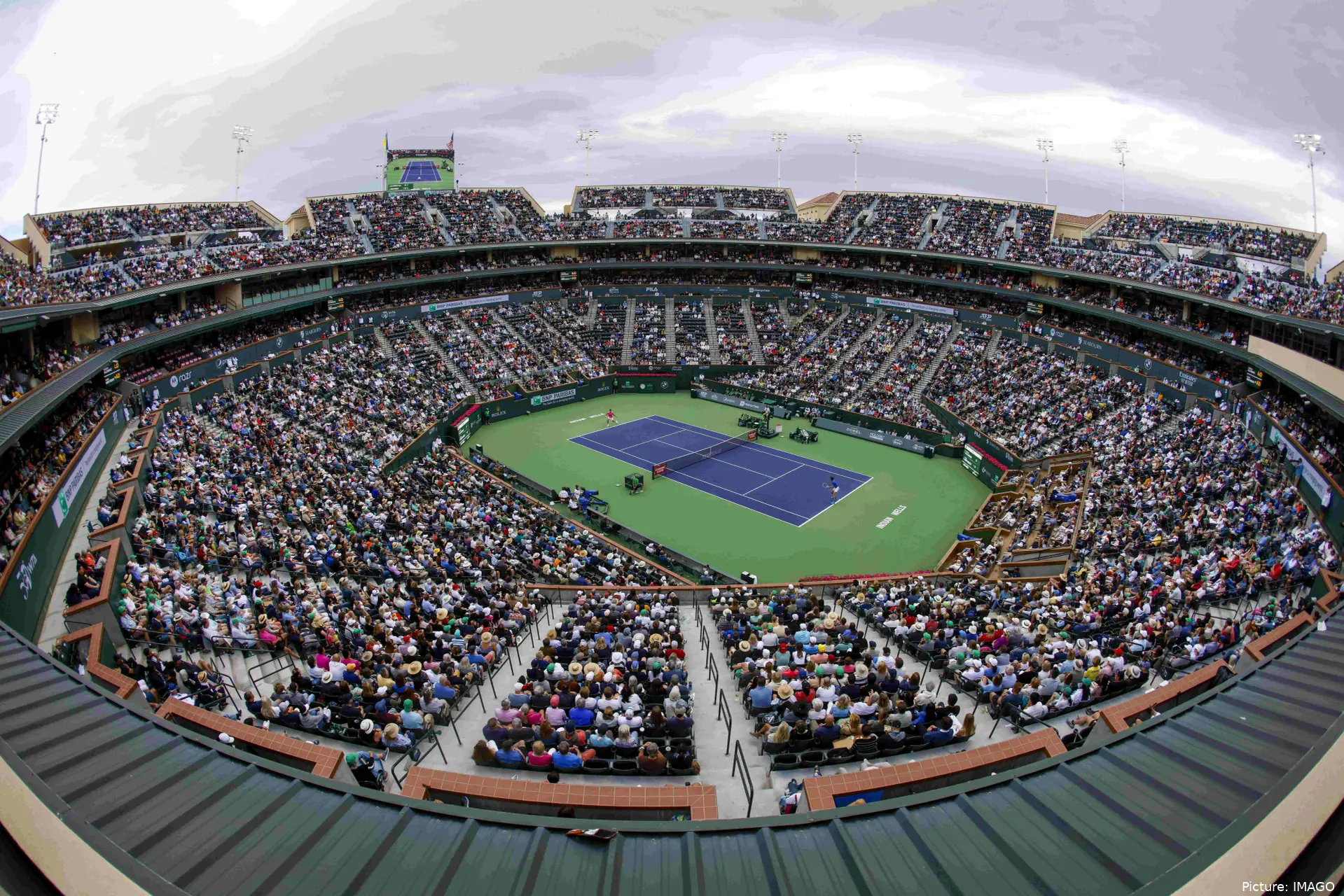
Tennis has evolved far beyond the baseline rallies and Grand Slam
trophies that once defined it. Today, the sport represents a billion-dollar
industry, and the most successful players are not just elite athletes, they are
global brands. Commercial success in terms often runs parallel to on-court
achievements, but in many cases, it extends far beyond titles. Players who
master the balance between performance, personality, and presentation often
attract lucrative sponsorships and global recognition.
How Tennis Players Attract Sponsors
Sponsorship is at the heart of a tennis player’s commercial success.
Brands seek athletes who embody excellence, discipline, and global appeal,
qualities deeply associated with tennis. When players consistently perform
well, reach the later rounds of major tournaments, or display a distinctive
personal style, they become marketing assets.
Top players like Novak Djokovic, Iga Świątek, and Carlos Alcaraz represent
diverse markets, providing sponsors with access to audiences across continents.
Factors such as charisma, social media engagement, and off-court behaviour also
influence a player’s commercial potential. A strong digital presence, including
collaborations on platforms like Instagram or TikTok, enables players to
connect directly with fans, further enhancing their marketability.
Why Commercial Partners Are So Important
For tennis players, commercial partnerships go beyond financial
rewards. Sponsorship deals can provide stability in a sport where earnings are
heavily performance-based. Travel, coaching, and physiotherapy can be costly,
and partnerships help fund these essential services.
Moreover, aligning with brands enhances visibility and credibility.
When a player partners with companies such as Nike, Rolex, or Emirates, it
reinforces their professional image. Again, funding does play a role, with
sports betting and many an online casino brand, seeing tennis as a proven partnership
opportunity.
Such collaborations also help players plan for life after tennis,
through brand ambassadors, business ventures, or philanthropic projects that
maintain their influence long after retirement.
Tennis as a Growing Commercial Force
The global appeal of tennis has never been stronger. Major
tournaments, such as Wimbledon, the US Open, and the ATP Finals, draw massive
broadcast audiences and generate billions in sponsorship revenue. The sport’s
individual nature allows brands to form direct, personalised partnerships with
players, something team sports often cannot offer.
Emerging stars from Asia, Africa, and South America are also helping
tennis expand into new markets. The rise of streaming platforms and digital fan
engagement means players can now reach audiences in ways that weren’t possible
two decades ago. As a result, both established professionals and upcoming
talents are finding new opportunities to capitalise on the sport’s commercial
boom.
Direct-to-Fan Commerce and New Revenue
Streams
Beyond traditional sponsorships, players are increasingly monetising
their audiences directly. Paid newsletters, personalised training apps,
limited-edition merch drops, and digital collectables create incremental income
without relying solely on prize money. Events are also expanding premium
hospitality, experiential travel packages, and behind-the-scenes content that
brands can badge, further amplifying player exposure.
Collectively, these channels diversify earnings, smooth income
volatility across the season, and deepen fan relationships, strengthening a
player’s brand equity and negotiating power with future commercial partners.
Conclusion
Commercial success in tennis is no longer limited to those who lift Grand Slam trophies. It’s built on personality and the ability
to engage fans worldwide. Through strategic sponsorships, media presence, and
the sport’s expanding global footprint, tennis players today can transform
their athletic excellence into thriving personal brands.
claps 0visitors 0
Just In


Popular News
Latest Comments
- A healthy Qinwen may be hard to stop next season. She was already scaring her opponents before her medical leave(s). Unfortunately, Zheng insisted on singing again. On the positive side -- Mirra did not sing!! ;~}
 mandoist11-10-2026
 - Where is it written that athletes, entertainers... People in general... are mandated to keep looking at -- or even using [anti]Social Media? Public & private figures consistently complain and reveal their concerns about negativity and violence thrown at them -- yet they insist on participating. Avoid it, don't use it, don't read it. It's okay to occasionally look up at the World instead beating your eyes & thumbs to death on The Inventions out there.mandoist11-10-2026
- great articlestennisseserver07-10-2026
- Medvedev was leading Djokovic 7-5, 3-5 when an attempted return..' NO you ignorants, Djokovic was leading .weiss05-10-2026
- No more bullshit "Wildcards" to these two. Qualify like everyone else -- there will be cameras there, too. Time to scream... WTF ????!!!!mandoist29-09-2026
- Let's not BS the general public -- Sabalenka started showing cracks in her game last season. Her losses and near-losses started at about the same time she began being distracted by Fame (constant Selfies, making TV commercials, magazine shoots, endless Social Media nonsense, etc., etc.) One would think even Saba could recognize the parallels with others who failed before her -- Raducanu, Giorgi, Bouchard to name a few.mandoist25-09-2026
- Gross!! Hey Raducanu, Giorgi, and Bouchard -- reserve a seat at your Social Media Selfie table for Saba + Naomi. They're heading in your direction soon enough.mandoist24-09-2026
- And then these same players will complain about how lengthy their season’s were and need more time-off. I’m all for more tennis but the amount of tennis we get now is actually kind of crazy! We all need a break, especially the players.DaveyWavey23-09-2026
- You should do a comparison article for "different kinds of justice" the courts decide for tennis players. I can think of at least three players who received very small bans of a few months, however Tara Moore has been fighting for her literal survival the past few years. It seems odd considering she is not a "name" player, unlike the other cases.DaveyWavey22-09-2026
- PRIZE MONEY & POINTS Winner - $185,500 Finalist - $114,500 Semi-Finalist - $66,003 Quarter-Finalist - $35,000 Round of 16 - $18,045 Round of 32 - $13,005 Winner - 500 Finalist - 325 Semi-Finalist - 195 Quarter-Finalist - 108 Round of 16 - 60 Round of 32 - 1DaveyWavey20-09-2026

Loading