ANALYSIS: Why back-to-back 1000 events in Canada and Cincinnati are a hindrance for the sport
Tennis News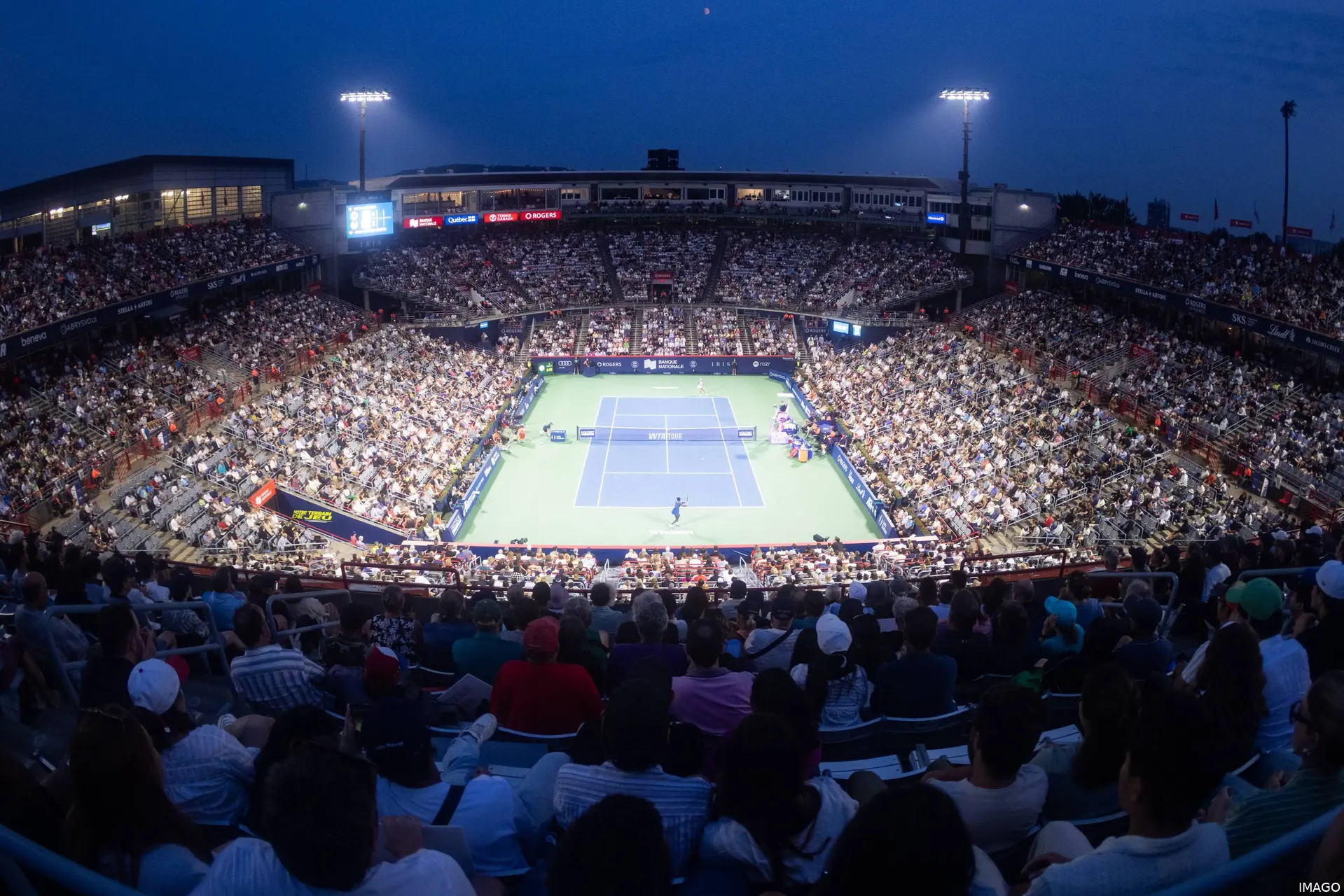
The Canadian Open and the Cincinnati Open are two staples on the tennis calendar. Two prestigious Masters 1000 events, which set in motion the North American hardcourt swing, will conclude with the US Open.
The tournaments are held back-to-back, unique for the normally spread-out nature of 1000 events. This has been the case since the 1990s, fitting the bill with short travel time and close links to New York ahead of the final Grand Slam of the year.
With the events coming in thick and fast, new changes to 1000 events have seen more criticism and concern crop up, voicing their feelings about the busy calendar and players dropping out of tournaments due to it. This raises the question of whether having these two events back-to-back is a hindrance to the sport.
Why it could be a hindrance for sport
Masters 1000 events have seen the player field rise from 56 to 96. Miami and Indian Wells had this before this year, but other tournaments have joined suit, leading to a lot more tennis, a good thing for the fans but possibly a negative thing for some of the players.
With this change, it has been extended up to 12 days for the first time. Whilst giving fans more opportunities to watch more live tennis, for the players, that means more games, travelling, and reduces their free time in what is already a packed schedule. The top-seeded players would have to play six games, including the final, if they make it that far.
It also leads to days off, which has received mixed reviews from players, with some cherishing the time off court, while others want to get it done and over with. All of this adds up to more time at events, culminating in more players dropping out of tournaments. For example, Jannik Sinner, Carlos Alcaraz, Novak Djokovic and Jack Draper all pulled out of the Canadian Open in favour of a period of rest. The latter two have also skipped Cincinnati to focus on the upcoming US Open.

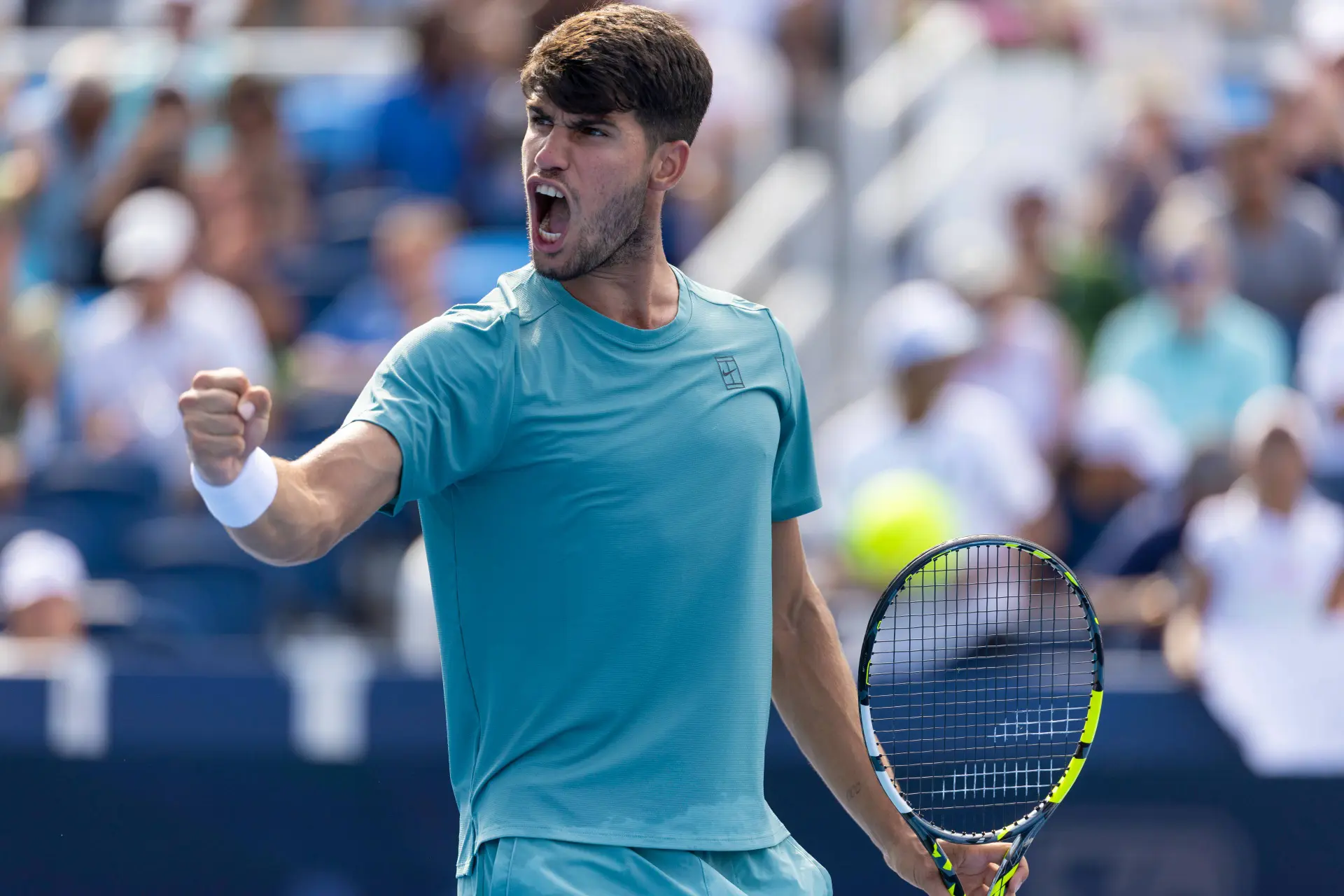
Jannk Sinner and Carlos Alcaraz both opted to skip the Canadian Open
Despite being such a highly regarded event, some of the top-ranked players failed to show up. It is a massive blow for the tournament and the organisers, and the fans who hoped to catch a glimpse of these top athletes.
This also comes from the event being held very shortly after Wimbledon. Sinner, Alcaraz and Djokovic all went on deep runs in the competition, leading to fatigue and risk of injuries. Having consecutive 1000 events shortly after proves how congested the calendar is for the players, and that there are going to be sacrifices. The Canadian Open looks to be paying the price for being played just ahead of Cincinnati and the US Open.
With these tournaments so tightly squeezed, many players who do play in both may see a drop off in their level of tennis. It is a very mentally and physically draining sport, in which you can be punished if you are not at the level, no matter how highly ranked you are. With bigger competitions coming up, the dangers of having back-to-back 1000 events may show through. Worse tennis quality, fans not being able to see the best players in the game and even more injuries popping up.
Advantages of back-to-back tournaments
Even though the negative points form a dark cloud over the events, there are still positives. With two big events back-to-back, players can sense an opportunity to rise in the rankings if they are playing well. Take Victoria Mboko and Ben Shelton, launching themselves on the main stage after tasting success in Montreal and Toronto, respectively. With the US Open fast approaching, it gives players a chance to fine-tune their game towards the concluding Grand Slam of the year.
It also screams as an obvious commercial win. Two big tournaments held in North America before the US Open will engage fans, pulling them into the sport and increasing viewing numbers. This will also be aided by the mixed doubles a week before the main draw starts, but the events at Canada and Cincinnati should grab the watchers' attention.

Victoria Mboko stormed to victory in her home event
The two tournaments are obvious choices to be played back-to-back. Two North American events heading into the US Open not only sky-rockets fans' engagement in the States but limits travelling time and schedule planning to a minimum. Players do not have to adapt to time zones or travel too far, leaving them more time to get out onto the practice court.
How did the top five players do in Canada
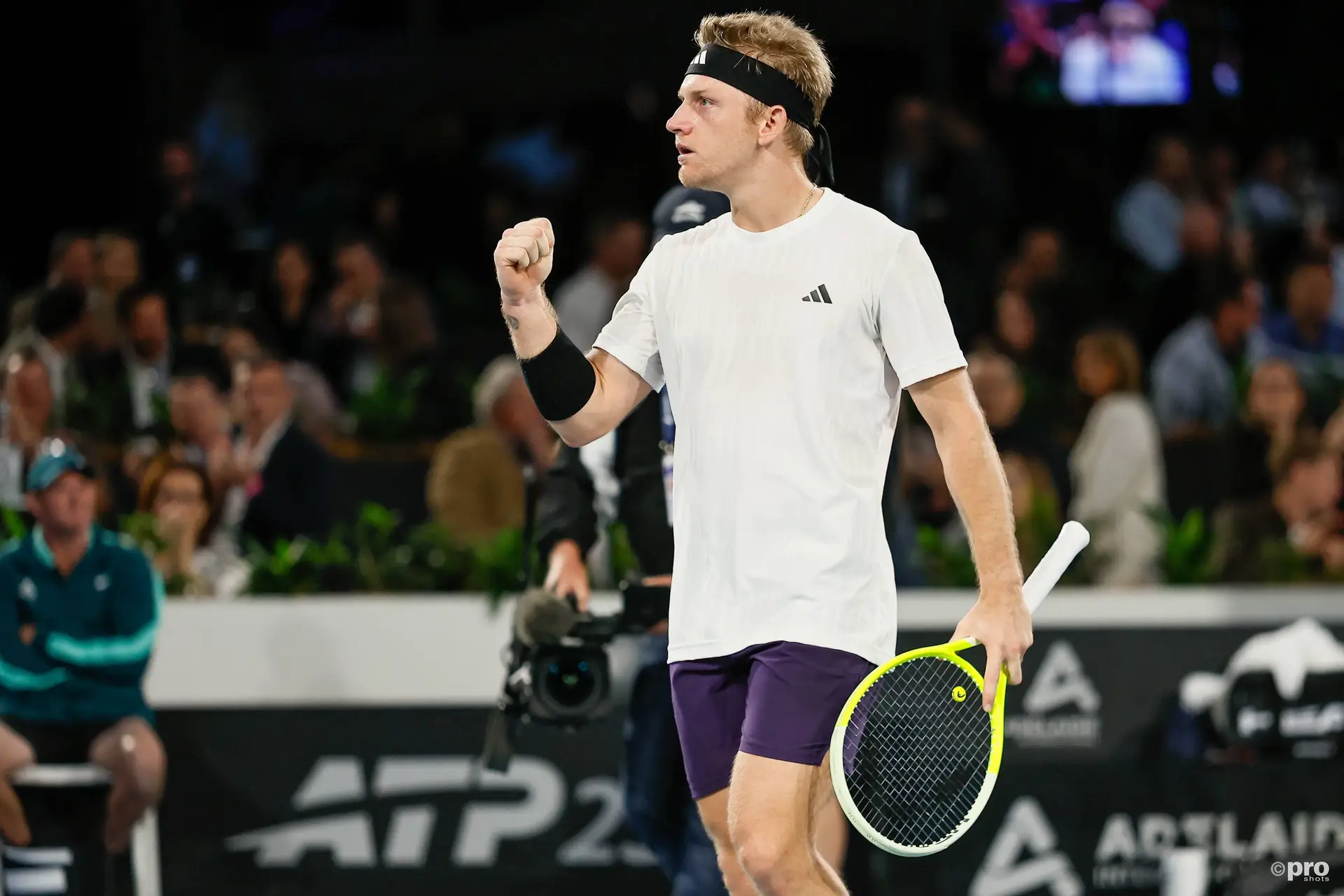
In the men's event in Toronto, only Alexander Zverev and Taylor Fritz bothered to turn up to the event. Fritz had also played at Washington, sandwiched between Wimbledon and Canada, where he reached the semis.
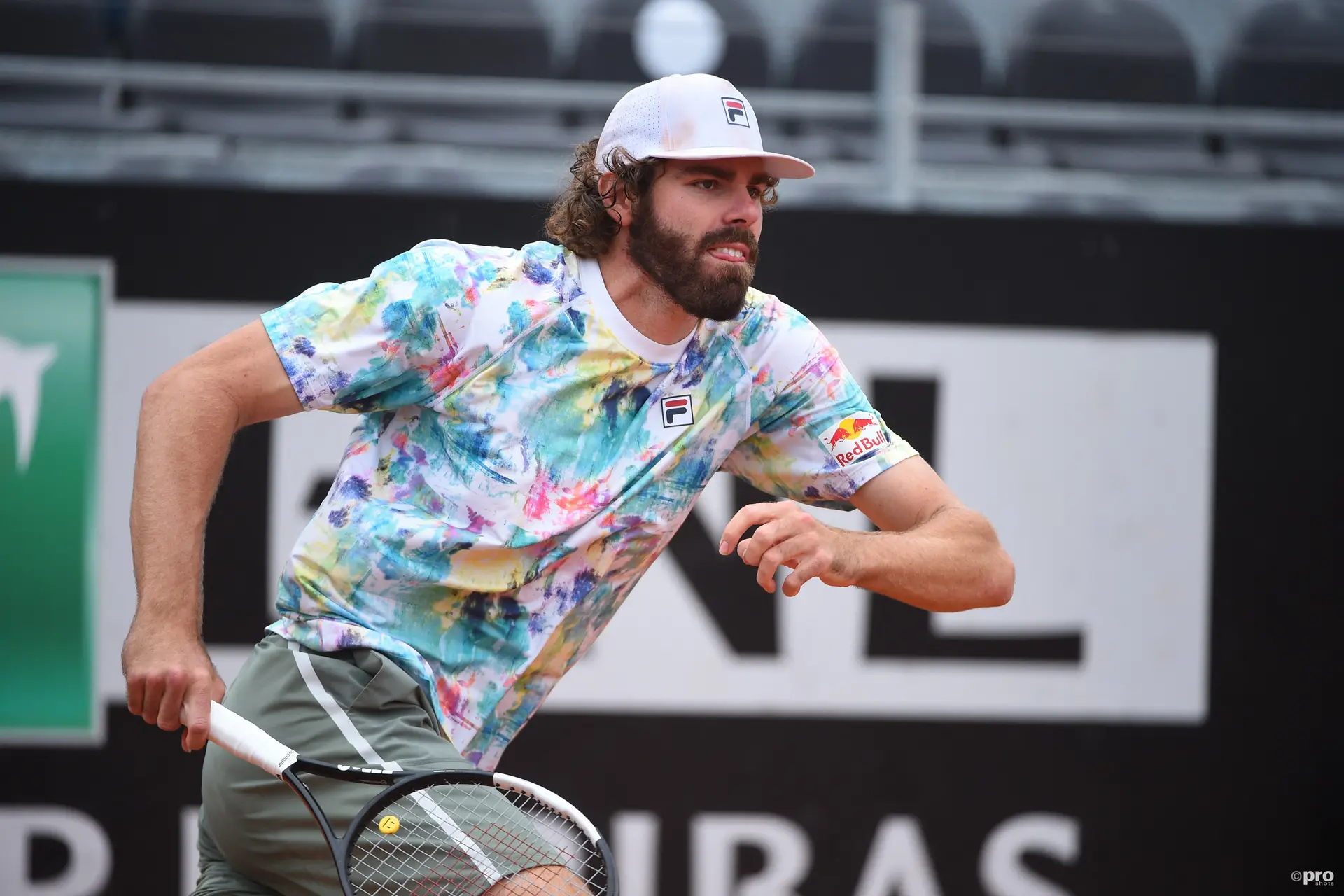
Both players were looking to take a golden opportunity with no Sinner or Alcaraz, but both failed to progress past the semi-finals. Fritz lost out to eventual winner Ben Shelton, whilst Zverev lost a last-set decider to Karen Khachanov. Despite having deep runs, they are both featuring in Cincinnati, where they have made winning starts.
In Montreal, world number one Aryna Sabalenka was the only top-five-ranked player not to compete. However, it may seem like an opportunity missed for the reigning US Open champion. Number one seed Coco Gauff was defeated in a shock result against eventual champion Mboko in the round of 16.
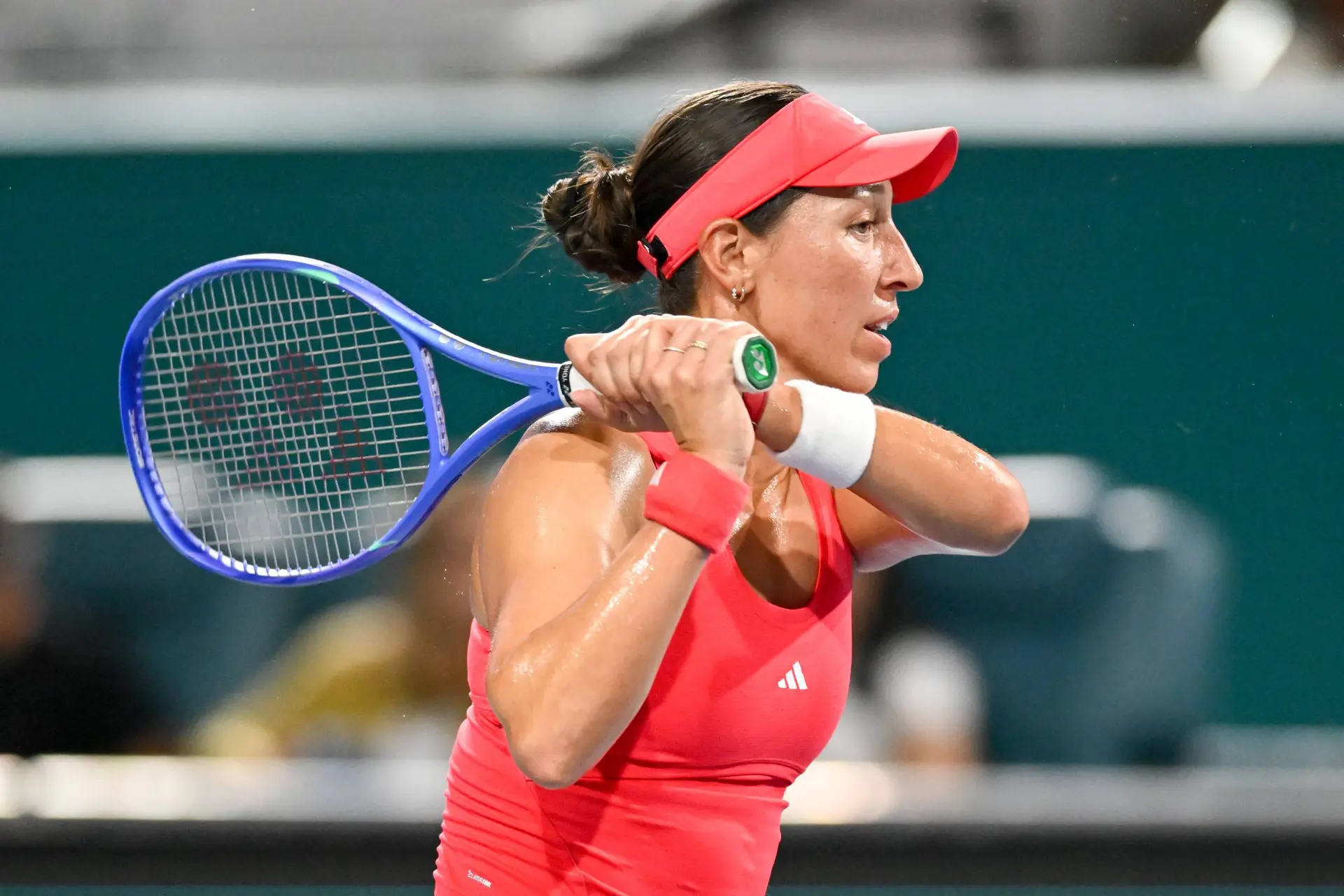
The other seeds did not fare much better. Iga Swiatek also made the fourth round, where she was defeated by Danish star Clara Tauson, who went on to defeat Australian Open champion Madison Keys in the next round. The two-time defending champion Jessica Pegula could only make the third round, falling short to Anastasija Sevastova. 18-year-old Mirra Andreeva reached the third round before bowing out to American McCartney Kessler.
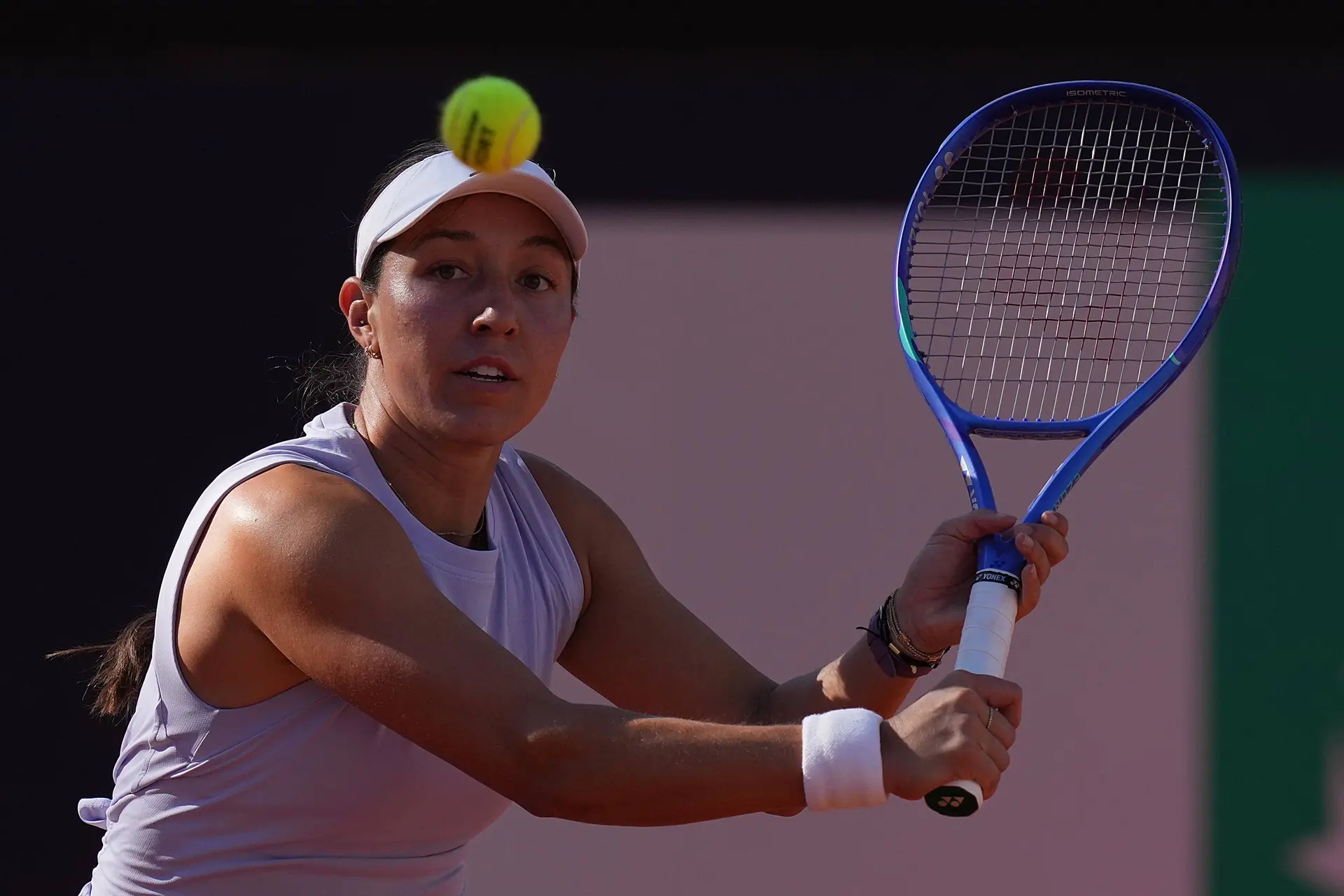
From the women's side, these disappointing results could be argued in favour of fatigue and spending too much time on the court. Swiatek had recently won Wimbledon, with limited rest in between events.
Conclusion
There are many positives to having Masters 1000 events back-to-back from a commercial and fan's perspective, but for the players, it could be a little too much. With the extended format, they have to put even more hours into it, spending more time travelling and playing in what is already a busy calendar they have to deal with. This has led to high-profile dropouts, especially in the men's tournaments. If this is to continue, expect more of the same for the future. It is likely that the quality of tennis could decrease, with matches coming thick and fast for the players. They could become more mentally and physically fatigued, which could lead to injuries. Overall, if these tournaments are going to remain back-to-back, expect more of the same controversy from this year.

Lucas MichaelTennis Journalist
Lucas Michael is a tennis journalist based in Cambridge, UK, specializing in comprehensive coverage of the ATP and WTA tours. For the past 1.5 years, he has been a core contributor to TennisUpToDate, where he has authored more than 3,000 data-driven match reports, deep-dive analysis pieces, and engaging liveblogs.
Lucas pairs real-time statistical analysis with on-the-ground reporting, frequently traveling to tournaments to cover the action firsthand from the press box and player press conferences. This blend of advanced metrics and direct access allows him to provide sharp context regarding player form, tactical trends, and breaking tour developments.
He holds a BA (Hons) in Sports Journalism. Grounded in core journalistic ethics, Lucas places a strict emphasis on meticulous sourcing, editorial accuracy, and a commitment to updating live content swiftly as verified information emerges.
claps 0visitors 0
Just In

Popular News

Latest Comments
- Fight the Good Fight... Tennis (sports in general) need more Humans such as yourself.
 mandoist18-10-2026
 - When is WTA going to mandate Genetic Testing (DNA) ???mandoist18-10-2026
- Hey, Dan... you just wake up from a coma? Regardless -- Thanks for the comedy this morning!mandoist18-10-2026
- Two Things: 1. Stop allowing these Spoiled Trust-Fund Elitists to behave badly. Your little hand-slaps do not deter them. 2. STOP the incessantly annoying "towel wiping" nonsense!!!!mandoist15-10-2026
- A healthy Qinwen may be hard to stop next season. She was already scaring her opponents before her medical leave(s). Unfortunately, Zheng insisted on singing again. On the positive side -- Mirra did not sing!! ;~}mandoist11-10-2026
- Where is it written that athletes, entertainers... People in general... are mandated to keep looking at -- or even using [anti]Social Media? Public & private figures consistently complain and reveal their concerns about negativity and violence thrown at them -- yet they insist on participating. Avoid it, don't use it, don't read it. It's okay to occasionally look up at the World instead beating your eyes & thumbs to death on The Inventions out there.mandoist11-10-2026
- great articlestennisseserver07-10-2026
- Medvedev was leading Djokovic 7-5, 3-5 when an attempted return..' NO you ignorants, Djokovic was leading .weiss05-10-2026
- No more bullshit "Wildcards" to these two. Qualify like everyone else -- there will be cameras there, too. Time to scream... WTF ????!!!!mandoist29-09-2026
- Let's not BS the general public -- Sabalenka started showing cracks in her game last season. Her losses and near-losses started at about the same time she began being distracted by Fame (constant Selfies, making TV commercials, magazine shoots, endless Social Media nonsense, etc., etc.) One would think even Saba could recognize the parallels with others who failed before her -- Raducanu, Giorgi, Bouchard to name a few.mandoist25-09-2026

Loading