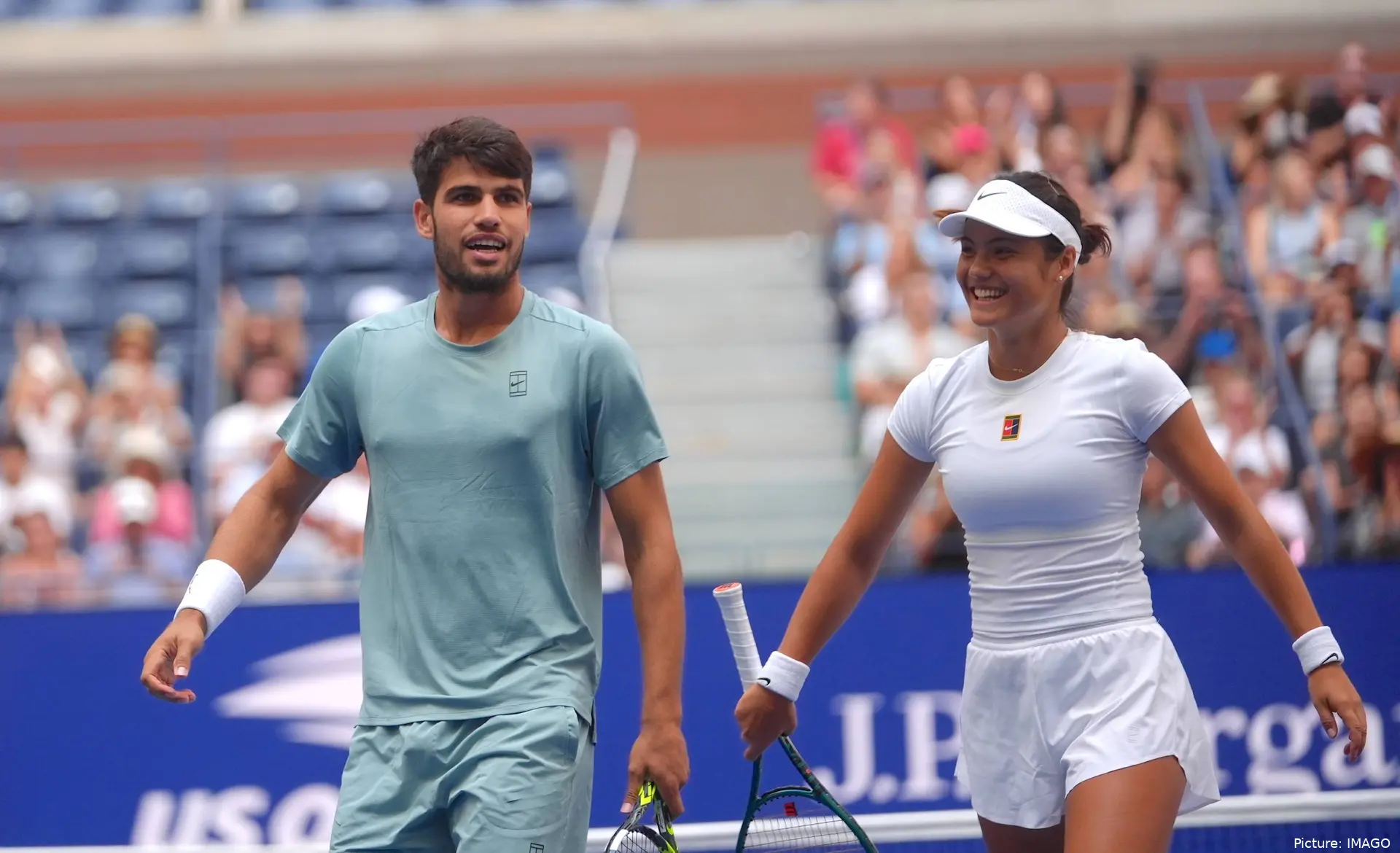
There has been speculation several times regarding the possible merger of the ATP and WTA Tours into a single body that could group all professional tennis players and offer joint solutions. Although a large portion of tournaments are played jointly – at the ATP and WTA level – the prize money differs, and the organizations are separated, men from women.
For the moment, both institutions do not appear close to achieving a merger – at least in 2025 – despite it being an idea that has been speculated about in recent years, and reports having indicated meetings between the ATP and WTA considering a possible combination between both institutions.
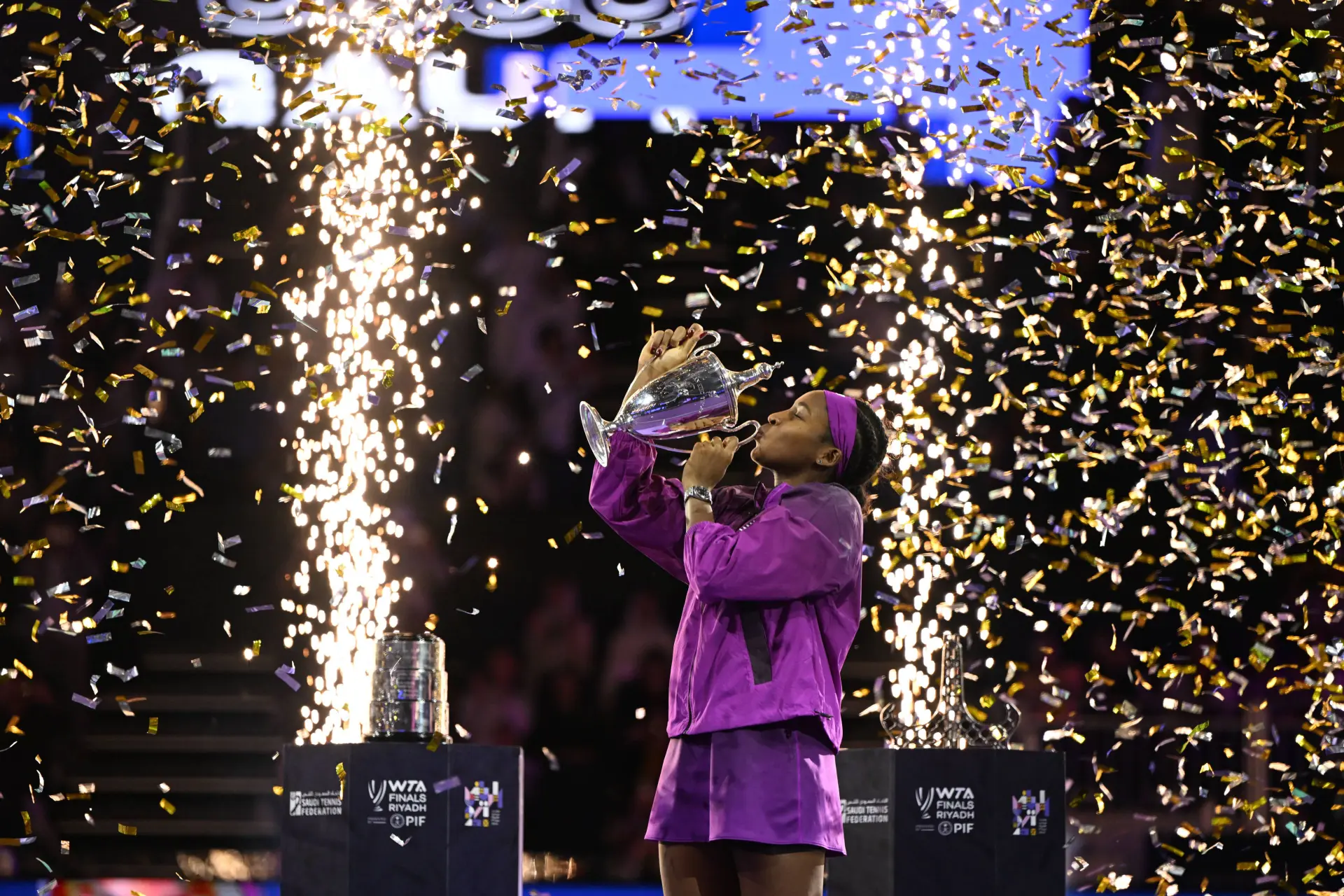
WTA CEO Portia Archer addressed the topic on CNBC Sport few months ago, where she commented that the merger would be positive for all parties, especially for tennis consumers. “I think if we can go to the marketplace and position ourselves to acquire sponsorships, or to acquire media or broadcast rights, or to acquire data rights — doing that with those commercial assets combined, so that we're selling tennis and those buyers don't have to make a choice between Coco (Gauff) or Carlos (Alcaraz)— is a great thing. And I think that's really, really healthy for the sport. So that's one part of it."
From media deals, equal prize money, and the possibility of organizing all events through the same organization, it makes it appear that the logical path is to have a single professional tennis association that oversees men's and women's events.
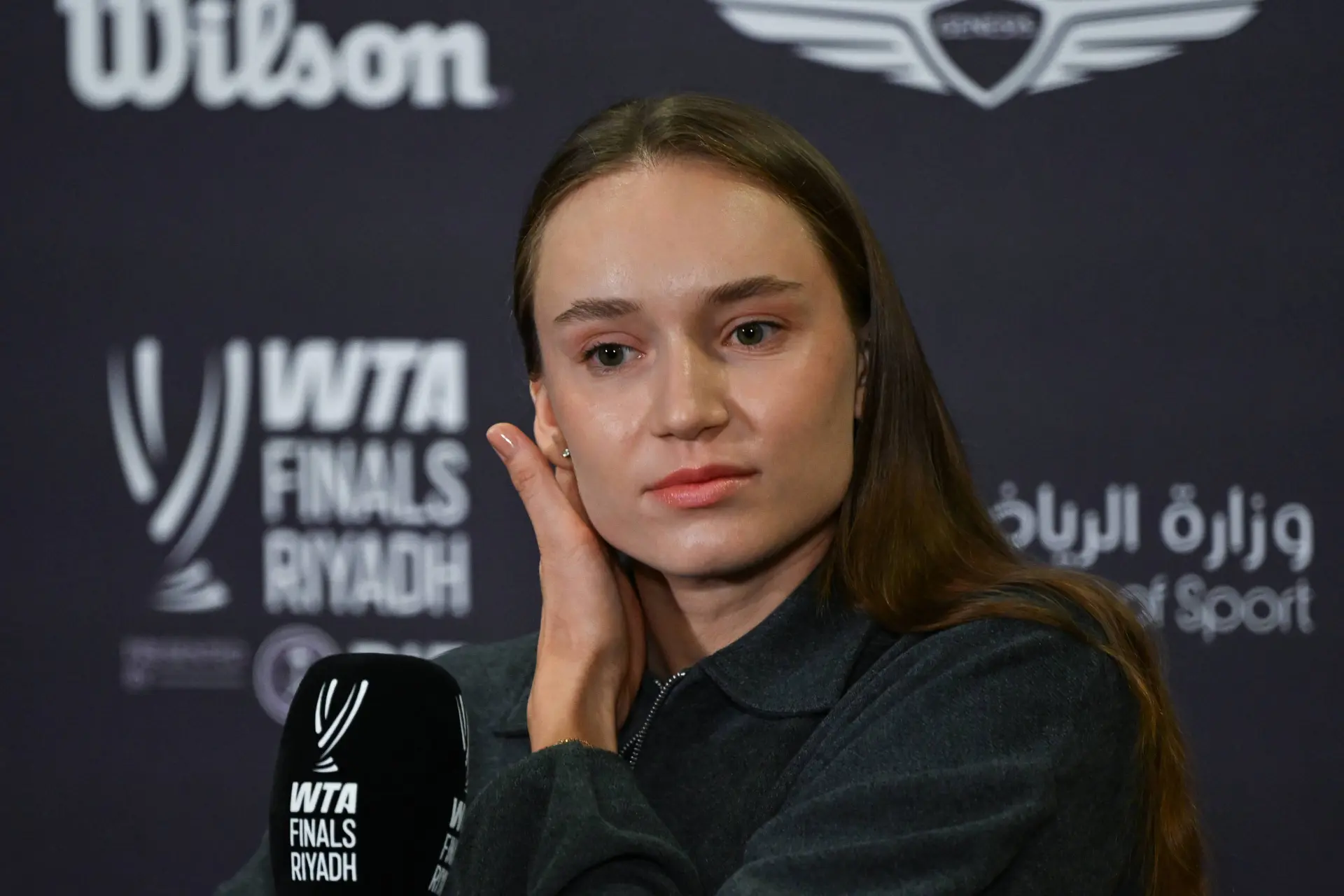
Official confirmation of the delay came via a brief joint communication from the governing bodies, which offered little in the way of concrete progress or revised timelines.
In a statement provided to Front Office Sports, the organizations attempted to maintain a facade of continuity, though the brevity of the message suggests the impasse is significant. This development stands in stark contrast to the confident projections made just months ago, where executives had characterized the agreement as being on the "doorstep" of completion. "The WTA and ATP have agreed to continue our conversations in the new year regarding a potential joint commercial venture. There are no updates beyond that at this time."
Financial disparities and revenue sharing
The primary sticking point in the negotiations remains the valuation of the respective tours and how future revenues would be divided in a combined entity. The financial disparities between the circuits are stark, creating friction over the proposed equity split. According to recently filed tax returns for the 2024 fiscal year, the ATP reported revenues of $293 million, generating a healthy surplus of $52 million. In contrast, the WTA reported revenues of $142.6 million—less than half that of the men's tour—and operated with a shortfall of $4.9 million.
These figures have emboldened the ATP to demand a dominant share of any joint venture, with sources indicating that initial discussions were framed around an 80-20 revenue split in favor of the men's tour. This valuation gap is a major point of contention for the WTA, which argues that a merger should reflect the combined value of the sport's premier events, where audiences are often comparable. Critics of the uneven split emphasize that the most valuable assets in tennis—the Grand Slams and combined Masters 1000 events—derive their worth from the presence of both tours, suggesting the proposed ratio undervalues the women's game.
Structural complexities and new leadership
Beyond the financials, the structural incompatibility of the two organizations poses a significant hurdle to integration. The WTA has already consolidated its commercial rights into a dedicated arm, WTA Ventures, selling a 20 percent stake to CVC Capital Partners in 2023 for $150 million.
This existing private equity involvement adds a layer of complexity to any merger, as CVC's interests must be aligned with a new joint entity. Conversely, the ATP's rights are fragmented across multiple silos, with separate units handling Masters 1000 broadcasts, other media rights, and data, making a clean consolidation difficult to engineer.

Cristhián AvilaTennis Journalist
Cristhián Ávila is a tennis journalist based in Santiago, Chile, and has been part of the TennisUpToDate team since early 2023. He covers the ATP and WTA Tours as well as all four Grand Slams, producing breaking news, match reports, analysis, and regular liveblogs from major tournaments.
His reporting combines statistical analysis with clear explanation, helping readers understand tactical developments, player form, and broader storylines across the tour. Working fluently in both Spanish and English, Cristhián collaborates with an international editorial team and contributes to comprehensive global coverage. As part of his work, he has conducted interviews and media interactions with leading figures in the sport, including Caroline Wozniacki and John McEnroe.
In his journalism, Cristhián places strong emphasis on careful sourcing, editorial accuracy, and updating articles promptly when new, verified information becomes available. His coverage is grounded in research, context, and direct engagement with professional tennis.
claps 0visitors 0
Just In

Popular News
Latest Comments
- great articlestennisseserver07-10-2026
- Medvedev was leading Djokovic 7-5, 3-5 when an attempted return..' NO you ignorants, Djokovic was leading .weiss05-10-2026
- No more bullshit "Wildcards" to these two. Qualify like everyone else -- there will be cameras there, too. Time to scream... WTF ????!!!!
 mandoist29-09-2026
 - Let's not BS the general public -- Sabalenka started showing cracks in her game last season. Her losses and near-losses started at about the same time she began being distracted by Fame (constant Selfies, making TV commercials, magazine shoots, endless Social Media nonsense, etc., etc.) One would think even Saba could recognize the parallels with others who failed before her -- Raducanu, Giorgi, Bouchard to name a few.mandoist25-09-2026
- Gross!! Hey Raducanu, Giorgi, and Bouchard -- reserve a seat at your Social Media Selfie table for Saba + Naomi. They're heading in your direction soon enough.mandoist24-09-2026
- And then these same players will complain about how lengthy their season’s were and need more time-off. I’m all for more tennis but the amount of tennis we get now is actually kind of crazy! We all need a break, especially the players.DaveyWavey23-09-2026
- You should do a comparison article for "different kinds of justice" the courts decide for tennis players. I can think of at least three players who received very small bans of a few months, however Tara Moore has been fighting for her literal survival the past few years. It seems odd considering she is not a "name" player, unlike the other cases.DaveyWavey22-09-2026
- PRIZE MONEY & POINTS Winner - $185,500 Finalist - $114,500 Semi-Finalist - $66,003 Quarter-Finalist - $35,000 Round of 16 - $18,045 Round of 32 - $13,005 Winner - 500 Finalist - 325 Semi-Finalist - 195 Quarter-Finalist - 108 Round of 16 - 60 Round of 32 - 1DaveyWavey20-09-2026
- Pegula withdrew from this Singapore event
 tennishappens19-09-2026
 - Serena Williams chose her tournaments. It's not such a bad idea.MuswellHillbilly17-09-2026

Loading