COLUMN - Tennis almost never gets it right, the US Open mixed doubles was absolutely lovely
Tennis NewsThursday, 27 August 2026 at 11:30
Tennis almost never gets anything exactly right. We change formats that don’t need changing. We preserve traditions that probably do. We create schedules that appear to have been designed by people actively hostile to sleep. We make players compete until November and then act surprised when half of them are held together by athletic tape.
We can turn a rain delay into a constitutional crisis. So when tennis gets something right, I believe we have an obligation to say so.
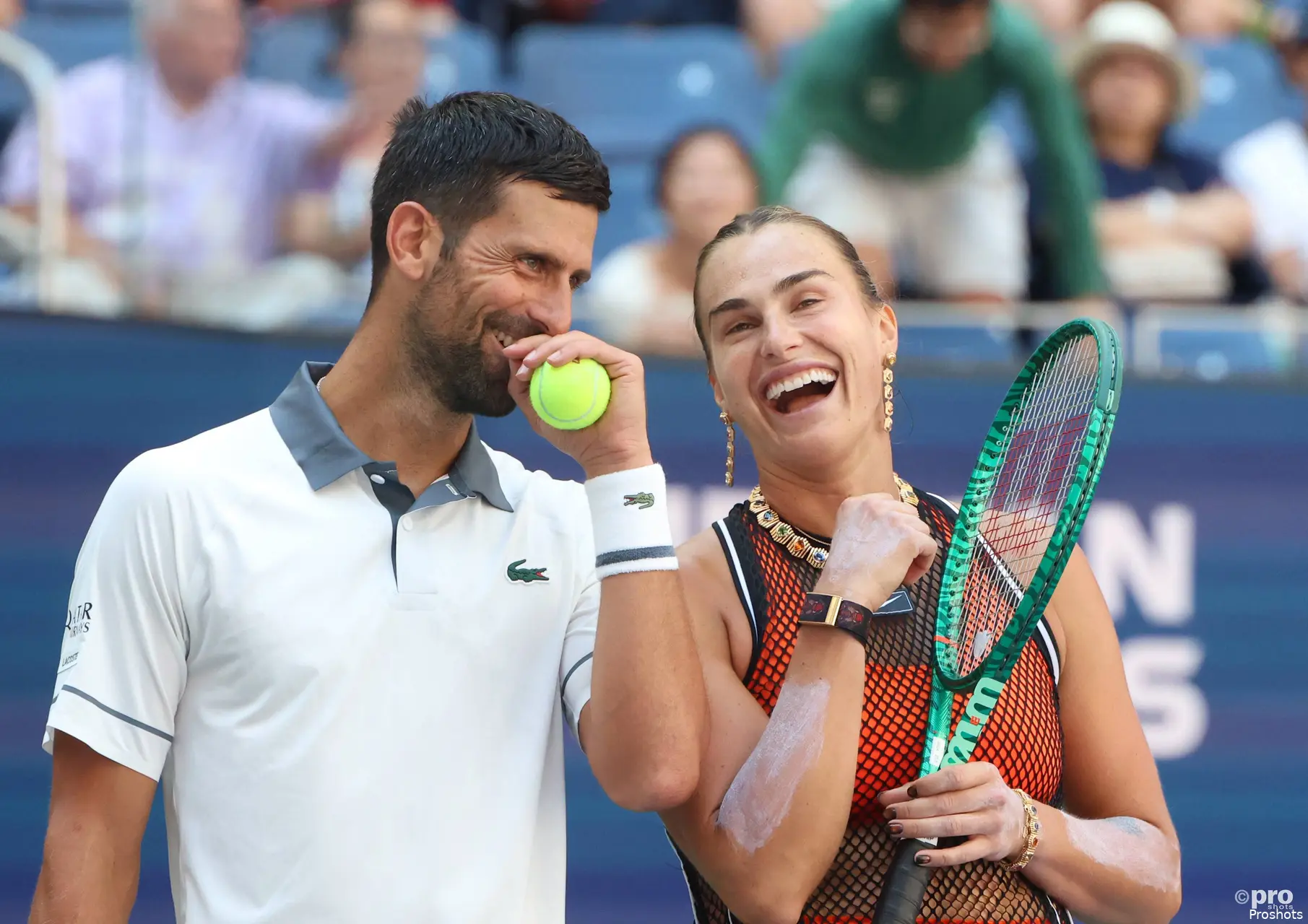
The U.S. Open mixed doubles tournament was absolutely lovely. Was it weird? Completely. Was it imperfect? Of course. Was it traditional mixed doubles as generations of doubles players would recognize it? Not really.
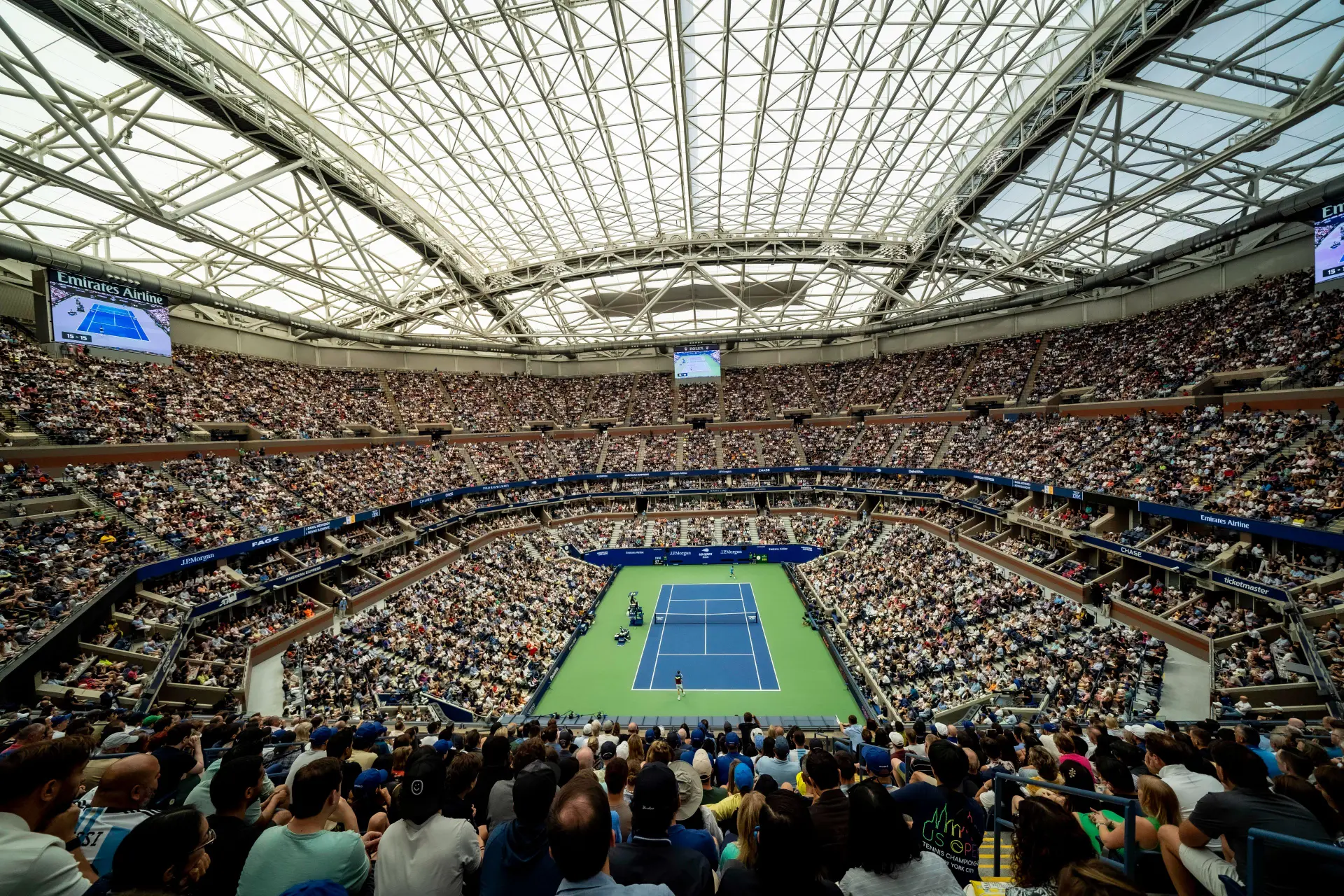
Did I love basically every minute of it? Yes. Karolína Muchová and Jakub Menšík ended up winning the entire million-dollar thing Wednesday night, beating Belinda Bencic and Flavio Cobolli 6-3, 1-6, (10-6) in the final. Four top-20 singles players were on Arthur Ashe Stadium competing for a Grand Slam mixed doubles championship. Read that sentence again. This was supposed to be the second year of the controversial experiment. Instead, it was pure fun. And tennis desperately needs more fun.
Muchova and Mensik shine - 'Began serving as if someone had insulted his family'
Muchová and Menšík were terrific together, particularly when Menšík began serving as if someone had insulted his family. Bencic and Cobolli were wonderful. Mirra Andreeva and Andrey Rublev made the semifinals. So did Elina Svitolina and Gaël Monfils, a married couple playing a Grand Slam event together on Ashe, which is the sort of thing professional sports ought to be capable of producing more often.
There were strange partnerships. There were obvious friendships. There were pairings where you wondered whether the two players had actually exchanged phone numbers yet. That was part of the charm. Two days earlier, I wrote about Henry Patten and Kateřina Siniaková, the No. 1 men’s doubles player and No. 1 women’s doubles player in the world, having to qualify for this tournament.
That remains ridiculous. The entry system, based largely around singles rankings, produced exactly the sort of absurdity tennis specializes in. Two of the finest doubles players walking the planet had to win their way into a mixed doubles tournament because the sport decided that singles rankings were the sensible way to populate it.
Of course it did. But here’s the thing. The silliness surrounding the tournament didn’t ruin the tournament. It may actually have made the whole thing more interesting. There has been plenty of criticism of this mixed doubles experiment, and some of it is deserved. Doubles specialists have every right to wonder why their discipline suddenly became a showcase built around singles stars. There are legitimate questions about what a Grand Slam championship is supposed to represent and whether an event should be reinvented primarily because organizers think the new version will attract more eyeballs.
Those arguments shouldn’t simply be dismissed. But neither should what happened on the court. People cared. Players cared. The stadium cared. TV CARED. And, perhaps most importantly, everybody seemed to be having a really good time.

Serena Williams and Carlos Alcaraz teamed together in a bizarre partnership that just worked.
That sounds like a ridiculously low bar for professional sports until you spend enough time around professional tennis. Tennis is wonderful. Tennis is also relentlessly serious about itself. Rankings. Points. Mandatory tournaments. Protected rankings. Entry lists. Seeds. Wild cards. Qualifying. Byes. Scheduling. Player commitments. Tour politics. Grand Slam politics. A far, far, FAR too long season
Sometimes you need an advanced degree just to figure out why somebody is playing somebody else on Tuesday. Then mixed doubles came along and gave us Cobolli telling Bencic during the trophy ceremony, “I love to play with you, I’d love to stay with you — not in that sense!”
Bencic buried her face. The crowd laughed. Later, she essentially informed Cobolli that he wasn’t allowed to play mixed doubles with anyone else for the rest of her career.
Muchová (and, honestly, who doesn’t just love Karolina Muchová????) and Menšík walked up to the microphone and started speaking at the same time. They laughed. Everybody laughed. Muchová joked that their matching outfits had won them the tournament. This was a Grand Slam trophy presentation, but it didn’t feel like a corporate awards ceremony. It felt human, which our beloved sport almost never does. That’s what I want more of.
I don’t mean that every tennis tournament should become an exhibition. Absolutely not. The stakes matter. History matters. Competition matters. Part of what makes tennis extraordinary is the cruelty of it: one person wins and everybody else eventually loses. But sports are also entertainment. And tennis occasionally seems embarrassed by that fact. The mixed doubles tournament reminded us that elite competition and entertainment aren’t enemies.
Muchová and Menšík wanted to win. Bencic and Cobolli wanted to win. Andreeva and Rublev wanted to win. Svitolina and Monfils wanted to win. Nobody was out there gently bunting balls around for Instagram clips.

The wife husband duo nearly did it.
They competed. They also smiled. These things can coexist. There is another lesson here that tennis should pay attention to.
Put great players together in unfamiliar situations and interesting things happen. Singles tennis is inherently isolating. One player. One box. One opponent. Players spend most of the year inhabiting their own little traveling corporations, surrounded by coaches and trainers and agents while trying to beat everyone else doing exactly the same thing.
Mixed doubles blows that up. Suddenly Rublev has Andreeva beside him. Monfils has his wife with him in his final run before he becomes an investment banker. Bencic has Cobolli. Muchová has Menšík.
Personalities become visible in ways they usually aren’t during a third-round singles match. You learn something about people. And fans like people. That’s not a revolutionary insight. Every other major sport figured it out approximately 100 years ago.
Tennis is still working on it. There will be plenty of time to argue about what should change next year. Maybe the entry rules need fixing. Actually, scratch “maybe.” They need fixing. The best doubles players in the world shouldn’t be treated as afterthoughts in a doubles event.
Maybe the format can be tweaked. Maybe there is a way to preserve what worked while giving doubles specialists a more meaningful place in the tournament.
Good. Do that. But please don’t respond to imperfection in the most tennis way imaginable: by dismantling the fun thing because somebody discovered it wasn’t perfectly constructed.
Keep the fun thing. Fix the stupid parts. This sport spends an extraordinary amount of energy trying to solve problems of its own creation. Here, almost accidentally, it created something people wanted to watch.
The final gave us Muchová and Menšík lifting a Grand Slam trophy. It gave us Bencic and Cobolli behaving like two people who had just discovered how much they enjoyed playing tennis together. It gave us Monfils and Svitolina sharing Ashe. It gave us Andreeva and Rublev. It gave us Patten and Siniaková fighting their way through qualifying.
It gave us two days that felt different. That’s valuable. Not everything in tennis needs to be optimized, elongated, monetized, standardized, ranked and then turned into another mandatory week on an already absurd calendar.
Sometimes something can just be good. Sometimes it can even be lovely. The U.S. Open mixed doubles tournament was. Tennis, please: More of this.

Aron SolomonGuest Author
A Pulitzer Prize-nominated journalist for his groundbreaking op-ed in The Independent exposing the NFL’s “race-norming” policies, Aron Solomon, JD, is a globally recognized thought leader in law, media, and strategy.
As Chief Strategy Officer for AMPLIFY, he leverages his deep expertise to shape the future of legal marketing. Aron has taught entrepreneurship at McGill University and the University of Pennsylvania and was honored as a Fastcase 50 recipient, recognizing him among the world’s top legal innovators. A prolific commentator on law, business, and culture, his insights regularly appear in Newsweek, The Hill, Crunchbase News, and Literary Hub.
He has also been featured in The New York Times, Fast Company, Fortune, Forbes, CBS News, CNBC, USA Today, ESPN, TechCrunch, BuzzFeed, Venture Beat and countless other leading global media outlets. We are proud to have Aron on board at TennisUpToDate, where his deep tennis expertise enriches the site with sharp, original columns that connect the sport to wider cultural debates.
claps 0visitors 0
Just In



Popular News

Latest Comments
- Great article! I began cheering for the “real” doubles specialists at the beginning but once they all lost their respective matches I really didn’t care who actually won the whole tournament. I liked the last four teams in the semifinals and would have enjoyed seeing any of them win the trophy! Not sure it really feels like a TRUE Grand Slam win however (and I know history will say it is!). Happy for Muchova/Mensik. Karolina is now a Grand Slam winner.DaveyWavey27-08-2026
- …and Foseca ;)DaveyWavey25-08-2026
- All the men dropping like flies. Something’s gotta be done with the tournament calendar or many more players will be on the sidelines in the near future. Surprised Carlos is back as soon as he is. Get well soon Sinner, Draper, Fokina, Rune, etc. etc. etc……DaveyWavey25-08-2026
- I want Pegula to surprise as a one-slam wonder winning in New York. She would then jump over the other three ladies for a number one ranking! I’d put my money on the two American girlies, Jessica and Coco to win in New York. Rybakina cannot seem to perform under this kind of pressure and Sabalenka appears in an anger fog ATM.DaveyWavey24-08-2026
- Well said, Andy. I got sick of Nick carrying on and on and on about Sinner. He absolutely refused to look at the facts. Now look at him. Karma is real!!!Rapunzel23-08-2026
- The fact that ANDY RODDICK of all people has become the voice of “reason” is interesting. He’s absolutely correct about Kyrgios too. He’s become a tennis influencer who is a total hypocrite and bully! I agree with RODDICK 100%DaveyWavey23-08-2026
- Great article! Thiem was similar to Del Potro in that both men had won Grand Slams and injured wrists each stole their careers away. Sad really.DaveyWavey22-08-2026
- I’m not quite sure what’s happening with Sabalenka but she is horrible on court when she’s losing (which is a lot lately). If you cannot control your self at all once you start losing matches - especially at 28 - you need to see a therapist or take a break from the sport. Terrible attitude. This is what represents the women’s tennis tour? Yikes!DaveyWavey20-08-2026
- Love Halep’s post! Very pointed yet simple.DaveyWavey20-08-2026
- He’s such a hypocritical douche! I remember when Sinner was out for three months on his ban and Kyrgios made such disparaging comments towards him and how awful he was. He’s such a mess of a human being.DaveyWavey19-08-2026

Loading