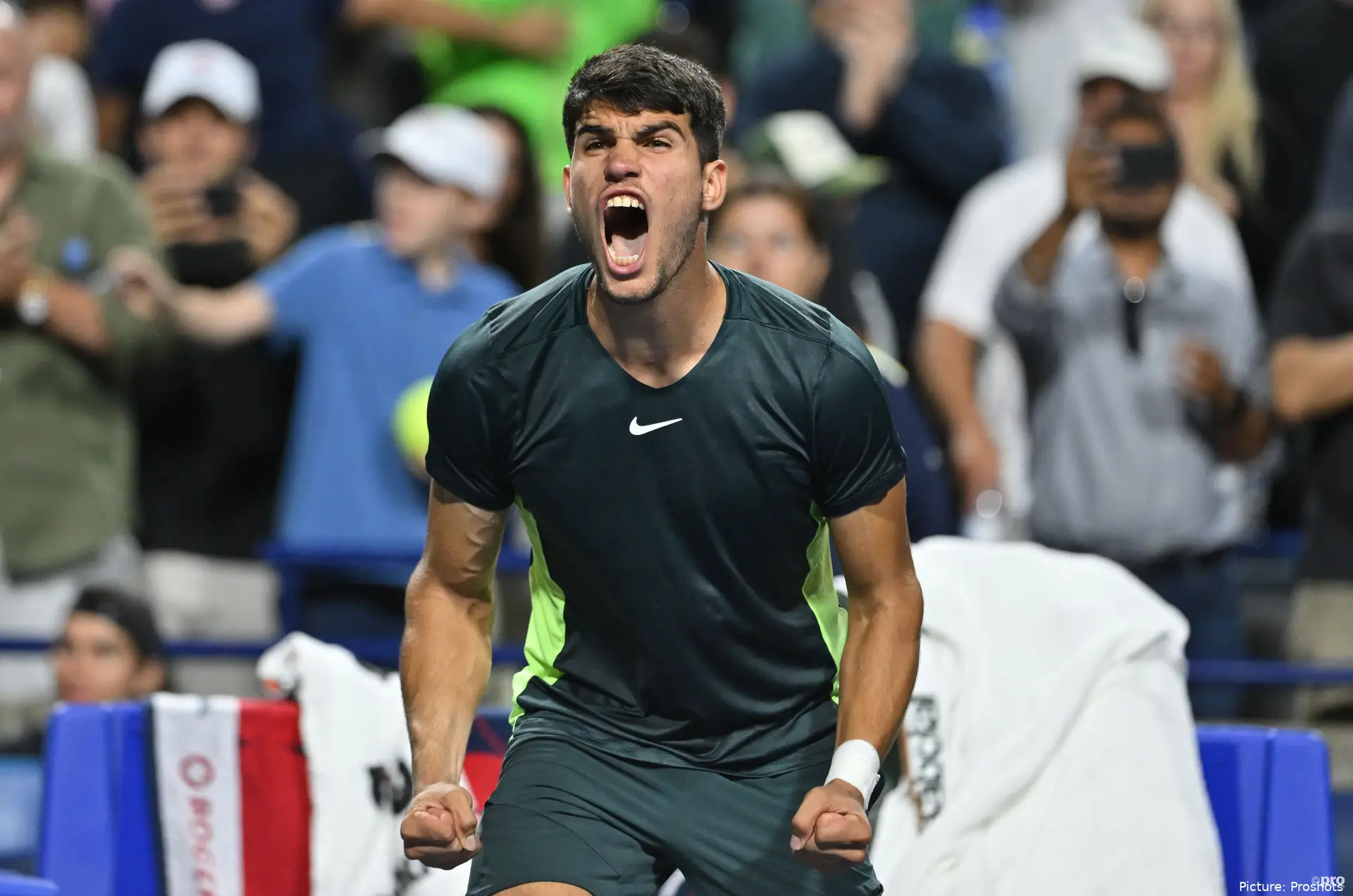
In the world of professional tennis, the subject of grunting is a contentious issue that never fails to spark heated debates among players, coaches, and fans alike.
With prominent players from Maria Sharapova and Rafael Nadal to Aryna Sabalenka and Carlos Alcaraz known for their aggressive grunts on the court, it's time to explore this phenomenon in tennis.
The Science Behind Grunting
Before diving into the controversy, it's essential to understand why players grunt in the first place. Tennis grunting, often referred to as the "Sharapova effect," has been studied extensively.
Research suggests that grunting can increase the power and speed of a player's shot by improving their core stability and breath control. When a player grunts while hitting the ball, it may help them generate more force and hit with better accuracy.
One study conducted by researchers at the University of Nebraska found that grunting increased ball velocity in both male and female players.
The study's lead author, Dennis Hong, noted, "The study suggests that the grunting serves to mask the sound of the ball hitting the racquet, which could be used tactically by players to deceive their opponents." In other words, grunting might not only be about physical benefits but could also be a strategic tool used to disrupt an opponent's concentration.
Read also
The Controversy Surrounding Grunting
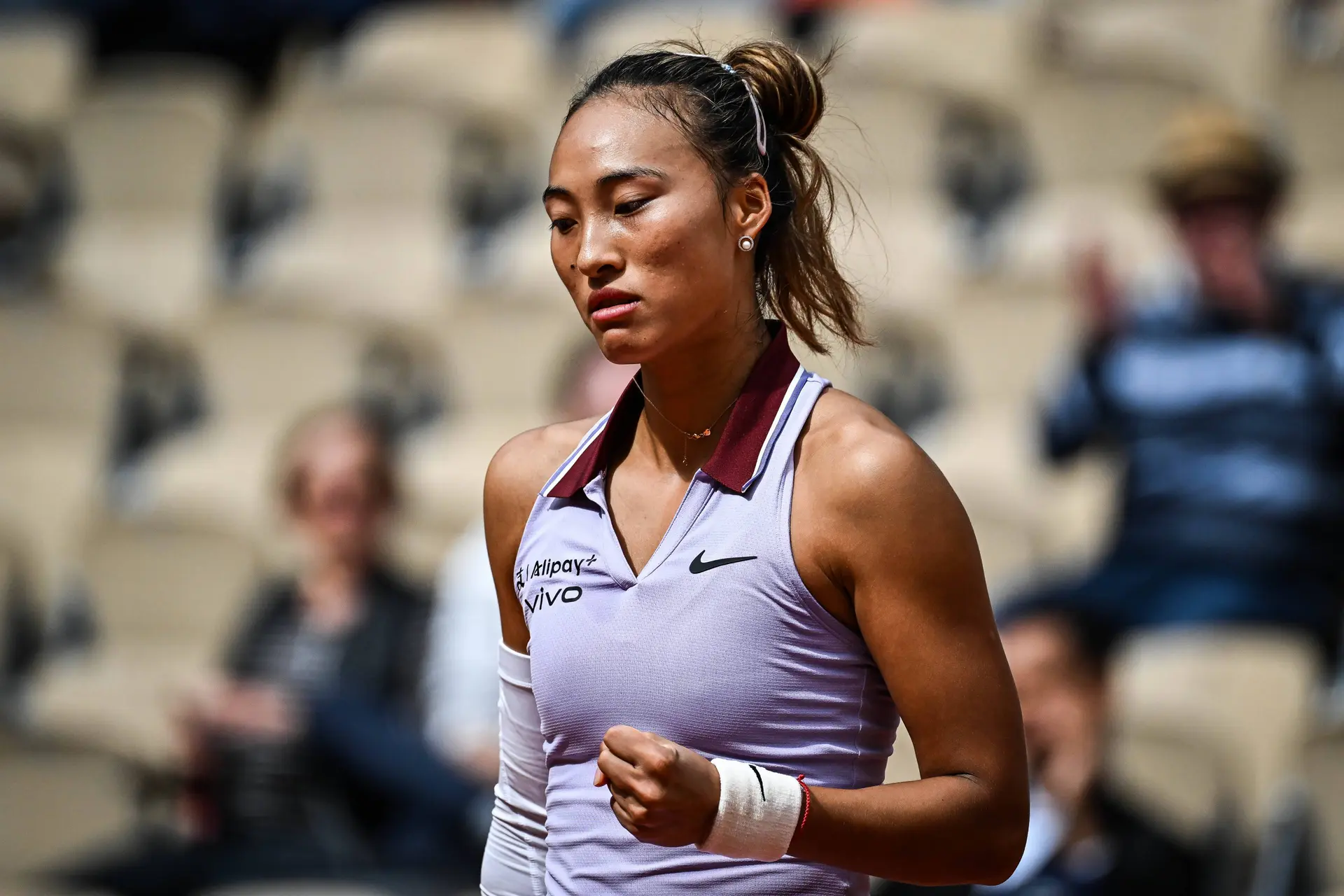
While there may be scientific evidence supporting the benefits of grunting in tennis, it remains a polarizing issue. Critics argue that excessive grunting disrupts the flow of the game and creates an unpleasant environment for spectators. Tennis purists often express their frustration, claiming that grunting diminishes the elegance and tradition of the sport.

Recognizing the divisive nature of the issue, tennis governing bodies have attempted to address grunting in recent years. In 2012, the Women's Tennis Association (WTA) introduced measures to curb excessive grunting, including a hindrance rule. This rule allows an opponent to claim a point if they believe their opponent's grunting has disrupted their ability to play. However, implementing such a rule in practice can be challenging, as determining when grunting crosses the line into hindrance is often subjective.
The ATP, on the other hand, has been less proactive in addressing the issue, with minimal efforts made to curb grunting among male players. This disparity has led to criticism, with some arguing that gender bias plays a role in how grunting is policed in professional tennis.

Players' Perspectives
Many players who grunt on the court argue that it is a natural and instinctive response to the exertion of hitting a tennis ball at such high speeds. They also contend that grunting helps them stay focused and perform at their best.
Maria Sharapova, one of the most well-known grunting players, has defended her vocalizations, stating that they are an integral part of her game. She believes that her grunting is a manifestation of the effort she puts into each point. Sharapova once said, "If I'm facing match point, I'm going to grunt louder. If I'm hitting an ace, I'm going to grunt louder. If I'm hitting a 10-shot rally, I'm going to grunt louder. That's how it i

Maria Sharapova US Open 2018
Rafael Nadal, another prominent grunter, has echoed this sentiment. He argues that grunting is a part of his routine and helps him maintain his rhythm and concentration. Nadal's perspective highlights the personal and psychological aspect of grunting in tennis.
The famous grunters of past and present
As well as Sharapova and Nadal, Monica Seles was known for her distinctive grunts on the court. The nine-time Grand Slam champion used them as part of her rhythm during matches and was also known for her unique two-handed groundstrokes.
Meanwhile, Jimmy Connors' grunting contributed to his fiery personality, helping him achieve eight Grand Slam titles and the World No. 1 position for a then-record consecutive 160 weeks. A more recent former player known for her grunting was 23-time major champion Serena Williams, whose loud grunts acted as an expression of her intensity and focus.
Nowadays, the two biggest grunters on the courts are Alcaraz and Sabalenka. The WTA World No. 1's loud grunts have become synonymous with her aggressive game and powerful shots. The statistics show that 100% of her grunts are audible when serving and 95.4% can be heard on a regular shot.
Meanwhile, ATP World No. 2 Alcaraz is level with Borna Coric when it comes to having 100% audible grunts on serve, but the two-time Grand Slam champion has a lead of 80% when it comes to regular shots.

Victoria Azarenka
Victoria Azarenka is another famous grunter of today. The two-time Australian Open champion has defended them as simply a part of her playing style after her consistent grunting led to discussions about whether or not the noises should be regulated.
A Matter of Fair Play
In the end, the issue of grunting in tennis boils down to a question of fair play. While some players argue that it's a natural and uncontrollable aspect of their game, opponents and fans alike question whether it provides an unfair advantage or creates an unsportsmanlike atmosphere on the court.
To address these concerns, governing bodies must strike a balance that preserves the integrity and tradition of the sport while acknowledging the potential benefits of grunting. This might involve refining the hindrance rule to provide clearer guidelines or implementing stricter penalties for excessive grunting.
The controversy surrounding grunting in tennis is unlikely to dissipate anytime soon. Ultimately, finding a solution that respects the game's tradition while addressing these concerns is the key to moving forward. Whether through stricter regulations or a renewed understanding of its impact, the tennis world must continue to grapple with the question of grunting's place in the sport.

claps 0visitors 0
Just In


Popular News

Latest Comments
- One step by another step -- WTA continues to 'lose the plot'. Too many hi-tech microphones being installed at most venues!!! Remove them (especially those along the hallways, sidewalks, and pathways throughout the venues. Not to mention (most of all) remove the mic's from the Players/Coaches Box.
 mandoist06-11-2026
- Enough of her bullshit. Go marry someone.mandoist06-11-2026
- Don't you just love this young lady!? We fans often expect athletes to be supermen and superwomen, often forgetting that they WILL GET TIRED! I love Alex's perspective. Tiredness for an athlete should never be viewed as a negative, especially if you are healthy, taking care of your body and mental health and putting in the work. What a mature perspective. Good for you, Alex!Rapunzel05-11-2026
- Jess is absolutely correct! But the disrespect is a trait I have noticed in most of the Russian players. Mirra is good but very immature and lacks humility. Conceivable needs to get a handle on that!Rapunzel05-11-2026
- Having spent weeks and weeks through the years on tour, I can say with confidence that Conchita was (is) one of the very few who realize the surprising level of maturity (and sometimes lack of) which Mirra seems to have developed in such a demanding adult world of Pro-Tennis. While at the same time reminding herself (Conchita, that is) that Mirra is still young and developing mentally and physically. The general public may forget at times, or not at all realize, these modern era young athletes do not have a 'normal' Youth. It's a major sacrifice, among countless sacrifices, these athletes must make. People who blow-off that fact are ignorant and unfair when they blurt out, "They choose fame so they have to put up with the intrusions on their lives". No, they do not.mandoist05-11-2026
- Okay... someone with a camera was EAVESDROPPING on a private conversation. Shouldn't that be the point of discussion here? Regardless of the sensationalist crap by media, Pegula (and anyone) has a right to an opinion. There used to be an expectation that private conversations were respected, regardless of 'stardom' and whatever other defensive excuses media tries to shove in our faces. Boo-hoo if feelings are hurt. BTW: Having been employed at various tourney venues, etc., I can't tell you how nasty and offensive players can be when discussing their opponents and colleagues... in "private". Well, I could, but won't. I also challenge anyone to deny what Jessica said is false.mandoist05-11-2026
- Vacherot is Mongasque, rather than Swiss. The tournament was Swiss :DTrwd7702-11-2026
- After a couple decades traveling to IIHF tourneys overseas... our family is done with it... and I will not be the only one!! Bad enough the NHL allows Ovachenko (a Putin Supporter and Campaigner) to live and play in the USA. Let's not forget the STATE SPONSORED RUSSIAN DOPING PROGRAMS still in effect today.mandoist31-10-2026
- Osaka's mental state apparently does not allow her to reach any more Quarter Finals? I mean, she doesn't really have the time for tennis with all the pre-planning that must go into her 12 year-old "fashion" goals.mandoist29-10-2026
- With her money one would think she could afford a better team of Psychiatrists?mandoist29-10-2026
