“We are surprised and disappointed”: Wimbledon responds to player protest despite 20% prize money increase
Tennis News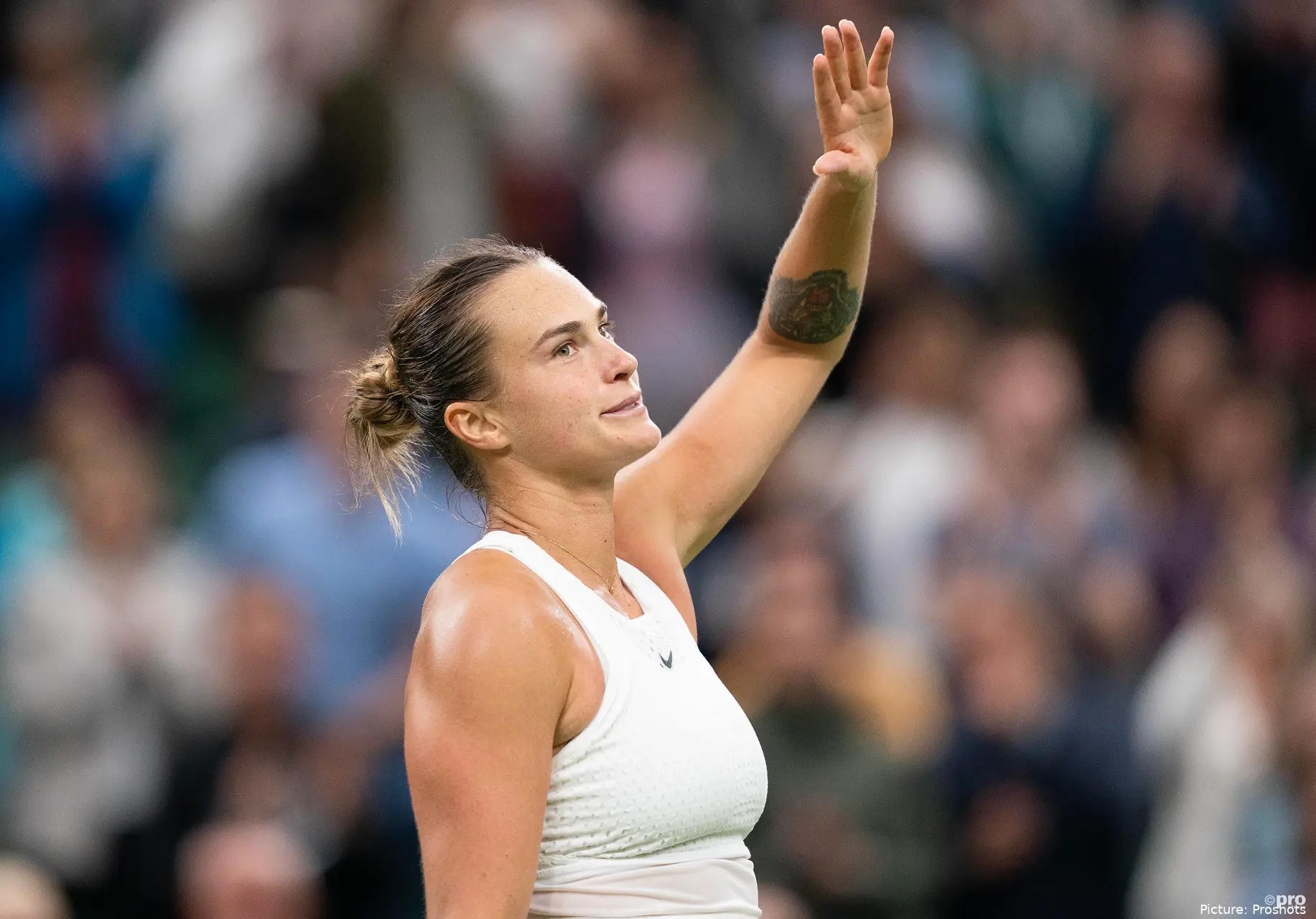
Wimbledon has expressed clear opposition to the latest wave of player-led protest over revenue distribution at Grand Slam tournaments, describing the decision to limit media commitments as “surprising and disappointing” despite a record increase in prize money for the 2026 edition.
The response comes after ATP and WTA players confirmed they will continue coordinated protest measures at Wimbledon, restricting press conference availability to 15 minutes during the first week of the tournament as part of an ongoing dispute over income sharing.
At the centre of the disagreement is the proportion of tournament revenues allocated to players, with athletes arguing that current distribution levels remain below those seen in other professional circuits, despite recent financial increases from Grand Slam organisers.
Wimbledon, however, insists it has made substantial efforts to address player demands, pointing to a 20% rise in prize money and significant investment in facilities and tournament infrastructure.
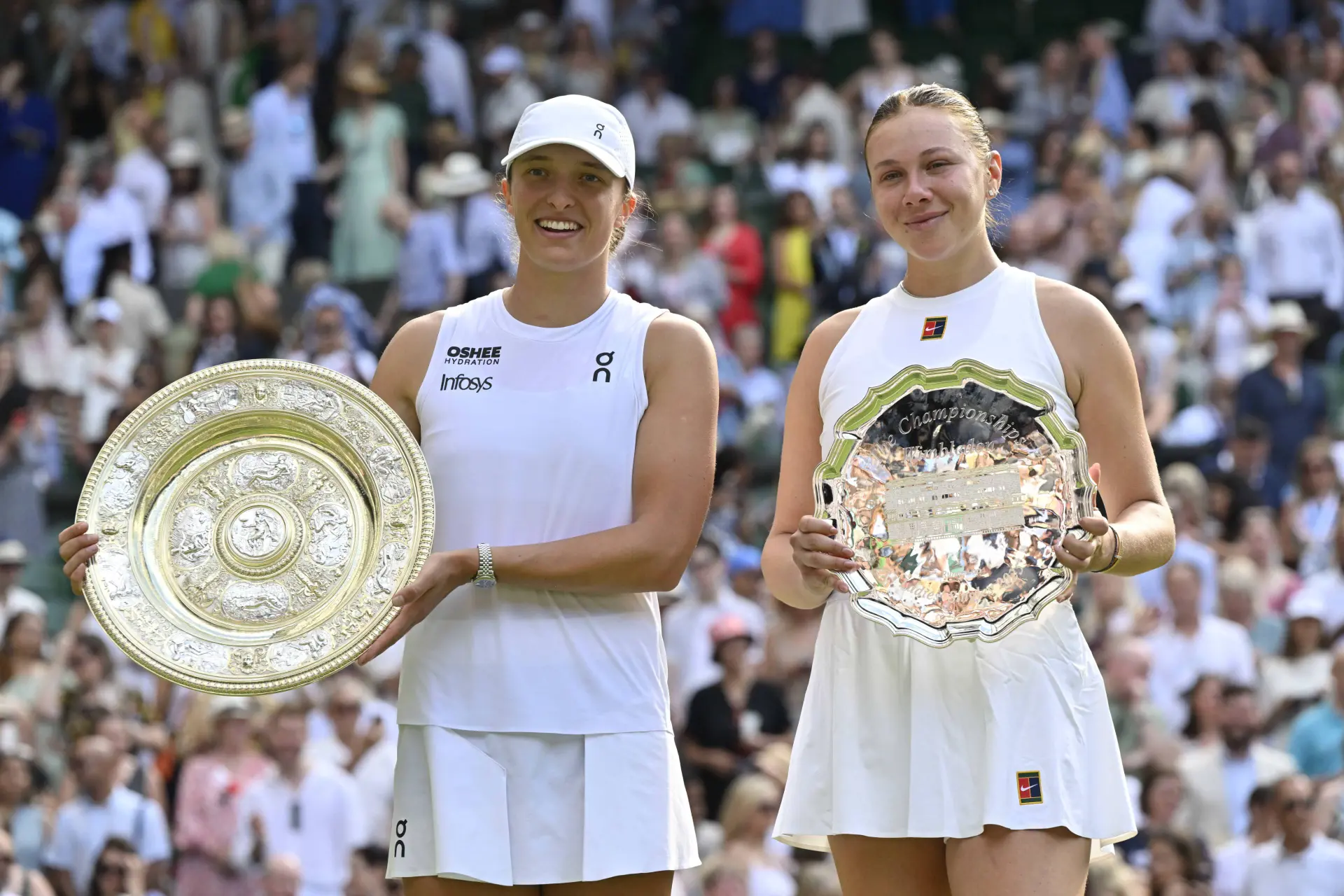
“Surprised and disappointed” — Wimbledon rejects player protest despite record increase
Sally Bolton, head of the All England Lawn Tennis Club (AELTC), led Wimbledon’s response, directly addressing the players’ decision to continue protest measures during the tournament.
Bolton said the tournament expected a different reaction given the extent of recent changes, particularly the 20% rise in prize money, which she described as the largest increase in Wimbledon’s history.
"We are surprised and disappointed that some players have taken such a decision," she said to BBC Sports. "As you know, we have increased the prize money by 20% this year, which represents the largest increase in the tournament's history."

Jannik Sinner at Wimbledon 2025 after winning the title.
"Beyond that, the players are training here this week and can see the multi-million pound investments made for them on site," she added. "Over time, they have asked for more space and a more comfortable environment to perform, and we have responded to those expectations. It is therefore necessarily disappointing and surprising to see them adopt such an initiative.
By increasing the prize money, we affirm our desire to give them a larger share of the success and development of the tournament. The tournament’s position highlights what it sees as a disconnect between recent financial concessions and the continuation of protest actions by players."
20% increase fails to halt boycott of extended media duties
The current dispute forms part of a broader movement led by ATP and WTA players over the distribution of revenue generated by Grand Slam tournaments. Players argue that their share of income remains disproportionately low compared to other professional events.
As part of the ongoing protest, players have agreed to limit media obligations during the first week of Wimbledon to 15-minute press conference windows. The measure follows a similar approach adopted at Roland Garros, although players there later returned to longer media availability as the tournament progressed.
At Wimbledon, however, restrictions are set to remain in place throughout the opening week, signalling a more sustained form of protest compared to previous Grand Slam editions.
The disagreement also reflects wider structural tensions in tennis economics, with players pointing to revenue-sharing levels estimated at around 15% of Grand Slam income, compared with higher percentages reported on ATP and WTA circuits. Wimbledon’s 2026 prize money fund stands at approximately €74 million, while player representatives had reportedly pushed for closer to €82 million.
First-round losers are set to earn around €92,000, while the singles champions will receive approximately €4.2 million, underscoring the scale of the tournament’s financial distribution even amid the ongoing dispute.


Cristhián AvilaTennis Journalist
Cristhián Ávila is a tennis journalist based in Santiago, Chile, and has been part of the TennisUpToDate team since early 2023. He covers the ATP and WTA Tours as well as all four Grand Slams, producing breaking news, match reports, analysis, and regular liveblogs from major tournaments.
His reporting combines statistical analysis with clear explanation, helping readers understand tactical developments, player form, and broader storylines across the tour. Working fluently in both Spanish and English, Cristhián collaborates with an international editorial team and contributes to comprehensive global coverage. As part of his work, he has conducted interviews and media interactions with leading figures in the sport, including Caroline Wozniacki and John McEnroe.
In his journalism, Cristhián places strong emphasis on careful sourcing, editorial accuracy, and updating articles promptly when new, verified information becomes available. His coverage is grounded in research, context, and direct engagement with professional tennis.
claps 0visitors 0
Just In

Popular News
Latest Comments
- great articlestennisseserver07-10-2026
- Medvedev was leading Djokovic 7-5, 3-5 when an attempted return..' NO you ignorants, Djokovic was leading .weiss05-10-2026
- No more bullshit "Wildcards" to these two. Qualify like everyone else -- there will be cameras there, too. Time to scream... WTF ????!!!!
 mandoist29-09-2026
 - Let's not BS the general public -- Sabalenka started showing cracks in her game last season. Her losses and near-losses started at about the same time she began being distracted by Fame (constant Selfies, making TV commercials, magazine shoots, endless Social Media nonsense, etc., etc.) One would think even Saba could recognize the parallels with others who failed before her -- Raducanu, Giorgi, Bouchard to name a few.mandoist25-09-2026
- Gross!! Hey Raducanu, Giorgi, and Bouchard -- reserve a seat at your Social Media Selfie table for Saba + Naomi. They're heading in your direction soon enough.mandoist24-09-2026
- And then these same players will complain about how lengthy their season’s were and need more time-off. I’m all for more tennis but the amount of tennis we get now is actually kind of crazy! We all need a break, especially the players.DaveyWavey23-09-2026
- You should do a comparison article for "different kinds of justice" the courts decide for tennis players. I can think of at least three players who received very small bans of a few months, however Tara Moore has been fighting for her literal survival the past few years. It seems odd considering she is not a "name" player, unlike the other cases.DaveyWavey22-09-2026
- PRIZE MONEY & POINTS Winner - $185,500 Finalist - $114,500 Semi-Finalist - $66,003 Quarter-Finalist - $35,000 Round of 16 - $18,045 Round of 32 - $13,005 Winner - 500 Finalist - 325 Semi-Finalist - 195 Quarter-Finalist - 108 Round of 16 - 60 Round of 32 - 1DaveyWavey20-09-2026
- Pegula withdrew from this Singapore event
 tennishappens19-09-2026
 - Serena Williams chose her tournaments. It's not such a bad idea.MuswellHillbilly17-09-2026

Loading