"As a celebrity, as a famous athlete, you’re always a little bit more cautious": Sympathy with Marketa Vondrousova from Clijsters over ITIA doping case
WTA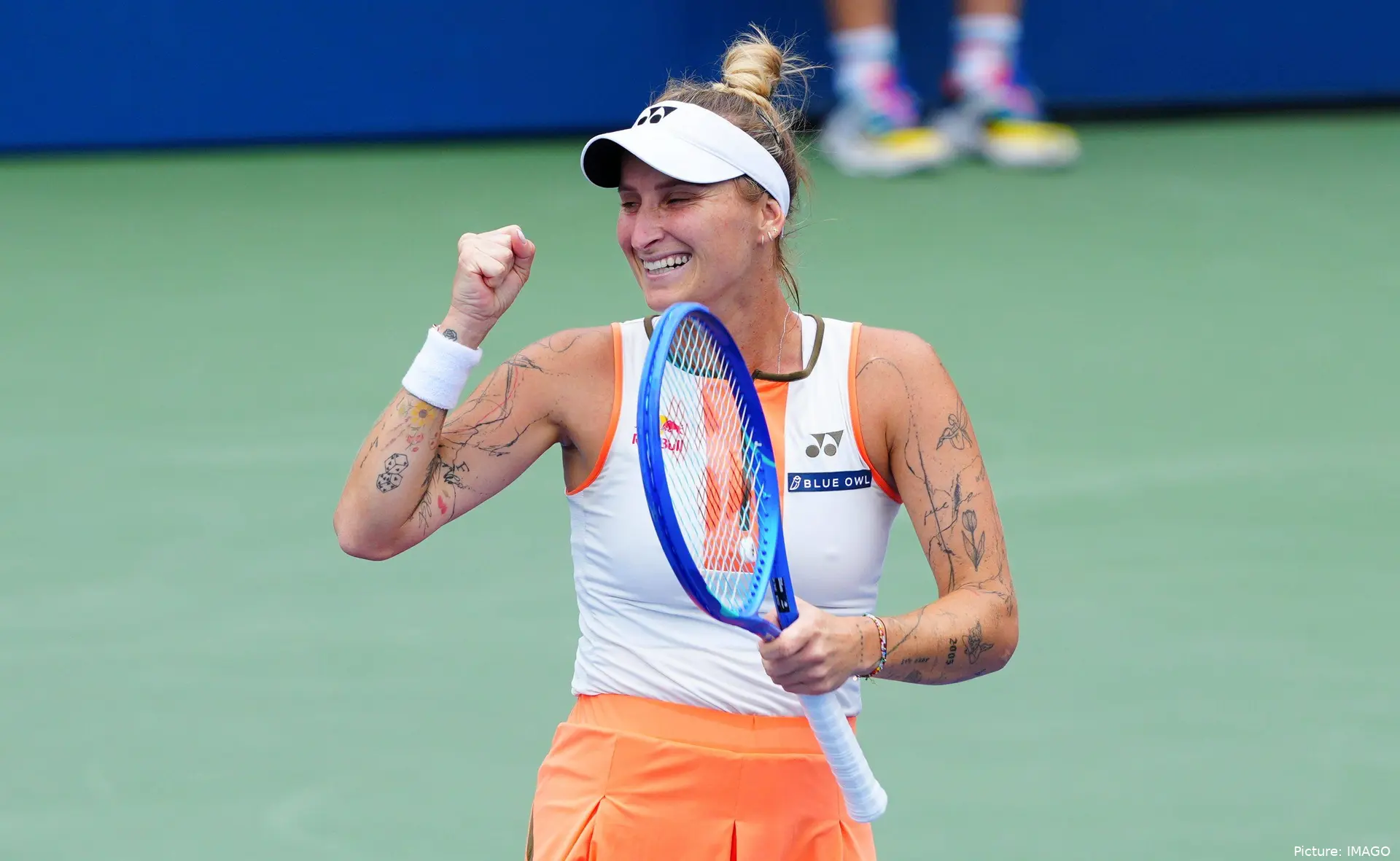
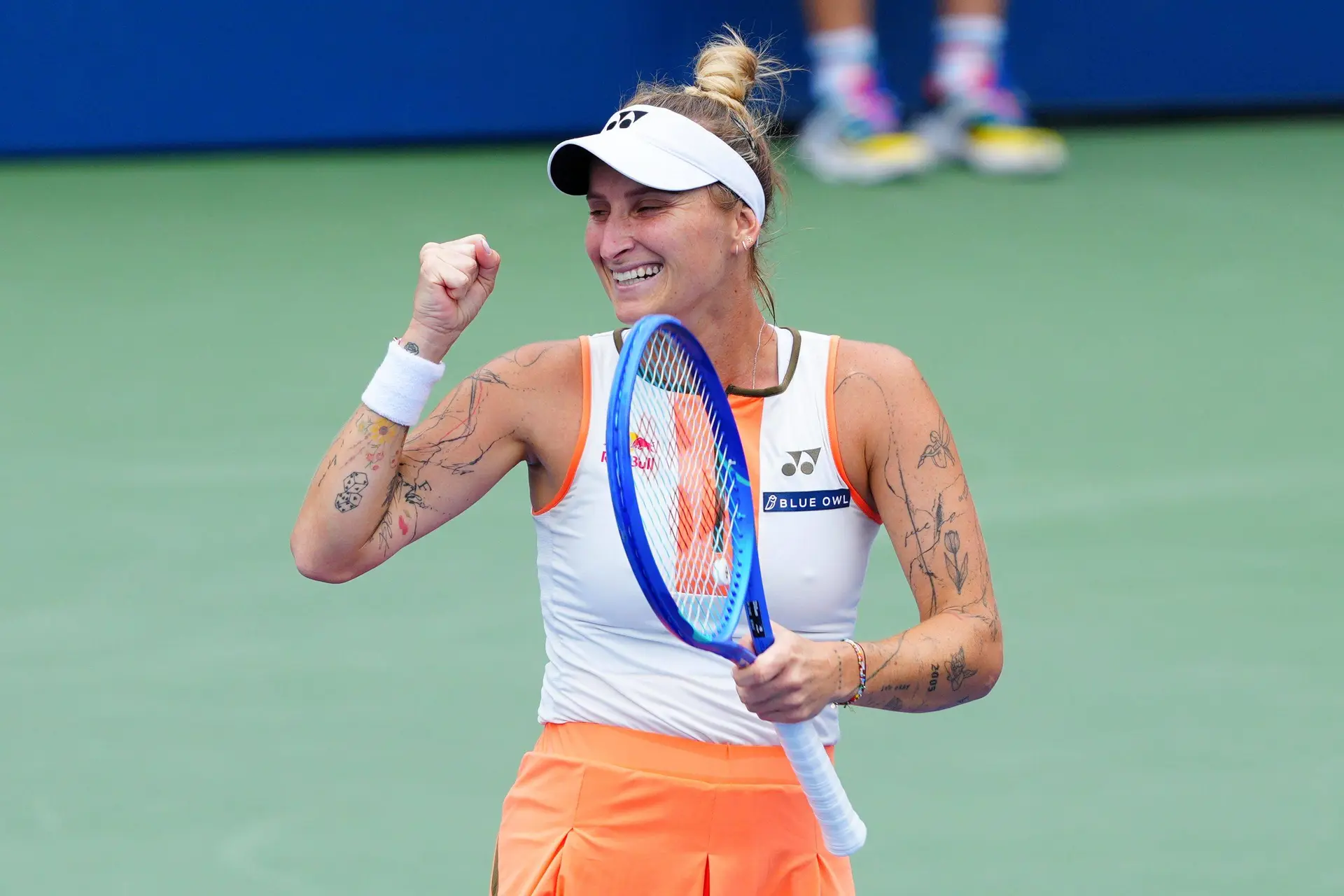
Kim Clijsters has shared her concerns about player safety and awareness following the ongoing anti-doping case involving Markéta Vondroušová, admitting she is unsure how she would have reacted in a similar situation.
Speaking on the Love All podcast with Blair Henley, Clijsters reflected on the complexities of the rules after new details emerged about the International Tennis Integrity Agency, ITIA, testing protocols. While acknowledging the importance of maintaining a clean sport, the former world No.1 highlighted the tension between strict anti-doping enforcement and personal safety. “I do understand it, we all want a clean sport,” Clijsters said. “That’s the most important thing at the end of the day. But we also want it to be happening safely.”
The discussion followed clarification that players can be tested outside their designated one-hour whereabouts window, and that at least one of the required annual tests is likely to occur at an unpredictable time. For Clijsters, that unpredictability raises real concerns. “With the way that the world works these days, unfortunately, there can be bad people around who want to take advantage of this,” she explained. “As a celebrity, as a famous athlete, you’re always a little bit more cautious.”
She pointed out how easily someone could impersonate an official, making it difficult for players to feel comfortable opening their doors to unfamiliar individuals. “You can have somebody pretend to be someone they’re not,” she said. “There’s a lot of things that can go wrong.”
Hesitant to comply
Because of that, Clijsters admitted she would be hesitant to comply with an out-of-hours visit unless she recognised the testers. “I just feel like it’s a little bit of a risk,” she said. “I don’t think I would open my door unless I recognised the people.”
Drawing on her own experience, Clijsters explained that players often become familiar with regular doping control officers, which builds a level of trust over time. "A lot of times it is the same people that will come to the house. I had a couple that I saw quite often,” she recalled.
She also described the practical reality of testing, including the sometimes awkward waiting periods involved. “There were times where I had just gone to the bathroom, and five minutes later my doorbell rang early in the morning, it’s doping control,” she said. “Then they just sit there for an hour, hour and a half until you have to go again.”
Despite the routine nature of the process, Clijsters emphasised that it can still feel intrusive and uncomfortable. “You’re just sitting there waiting, you have some conversation with them, but it’s definitely a tough situation.”

Marketa Vondrousova faces a likely ban.
Her uncertainty about how she would respond in Vondroušová’s position was clear, particularly when it comes to unfamiliar testers. “I don’t know what I would have done in that situation,” she admitted. “If they were new people, strangers, even if I answered my intercom, there’s no way I would have opened the door.”
Clijsters also expressed surprise at some of the scientific realities behind modern anti-doping efforts, particularly the suggestion that certain substances may only remain detectable for a short time. “It just shows me that I don’t know anything about that stuff,” she said. “There are so many things out there that players can take to benefit their tennis or recovery.”
Ultimately, however, she questioned why any player would take such risks in the first place, given the potential consequences. “Who would want to take that risk?” she said. “It just overshadows everything, all the great results that you’ve had. It will always overshadow the good things you’ve done on court.”

Samuel GillEditor-in-Chief
Samuel Gill is the Chief Content Officer (CCO) of TennisUpToDate.com, a role he has held since 2020. He is responsible for editorial governance across the platform, including setting content standards, overseeing accuracy and consistency, and guiding long-term editorial strategy. Since joining, he has contributed more than 10,000 articles and editorial pieces across the TennisUpToDate network, playing a central role in the daily operation and development of the site.
Based in Leicester, Samuel has a broad background in tennis media. In his current role, he works closely with editors and writers to ensure coverage meets clear journalistic standards, with particular attention to verification, consistency, and timely updates when new information becomes available.
claps 1visitors 1
Just In

Popular News
Latest Comments
- A healthy Qinwen may be hard to stop next season. She was already scaring her opponents before her medical leave(s). Unfortunately, Zheng insisted on singing again. On the positive side -- Mirra did not sing!! ;~}
 mandoist11-10-2026
 - Where is it written that athletes, entertainers... People in general... are mandated to keep looking at -- or even using [anti]Social Media? Public & private figures consistently complain and reveal their concerns about negativity and violence thrown at them -- yet they insist on participating. Avoid it, don't use it, don't read it. It's okay to occasionally look up at the World instead beating your eyes & thumbs to death on The Inventions out there.mandoist11-10-2026
- great articlestennisseserver07-10-2026
- Medvedev was leading Djokovic 7-5, 3-5 when an attempted return..' NO you ignorants, Djokovic was leading .weiss05-10-2026
- No more bullshit "Wildcards" to these two. Qualify like everyone else -- there will be cameras there, too. Time to scream... WTF ????!!!!mandoist29-09-2026
- Let's not BS the general public -- Sabalenka started showing cracks in her game last season. Her losses and near-losses started at about the same time she began being distracted by Fame (constant Selfies, making TV commercials, magazine shoots, endless Social Media nonsense, etc., etc.) One would think even Saba could recognize the parallels with others who failed before her -- Raducanu, Giorgi, Bouchard to name a few.mandoist25-09-2026
- Gross!! Hey Raducanu, Giorgi, and Bouchard -- reserve a seat at your Social Media Selfie table for Saba + Naomi. They're heading in your direction soon enough.mandoist24-09-2026
- And then these same players will complain about how lengthy their season’s were and need more time-off. I’m all for more tennis but the amount of tennis we get now is actually kind of crazy! We all need a break, especially the players.DaveyWavey23-09-2026
- You should do a comparison article for "different kinds of justice" the courts decide for tennis players. I can think of at least three players who received very small bans of a few months, however Tara Moore has been fighting for her literal survival the past few years. It seems odd considering she is not a "name" player, unlike the other cases.DaveyWavey22-09-2026
- PRIZE MONEY & POINTS Winner - $185,500 Finalist - $114,500 Semi-Finalist - $66,003 Quarter-Finalist - $35,000 Round of 16 - $18,045 Round of 32 - $13,005 Winner - 500 Finalist - 325 Semi-Finalist - 195 Quarter-Finalist - 108 Round of 16 - 60 Round of 32 - 1DaveyWavey20-09-2026

Loading