Bianca Andreescu saw darker side to US Open glory: "Some people wanted to work with me just because I was a top player, or they’d ask for things"
WTA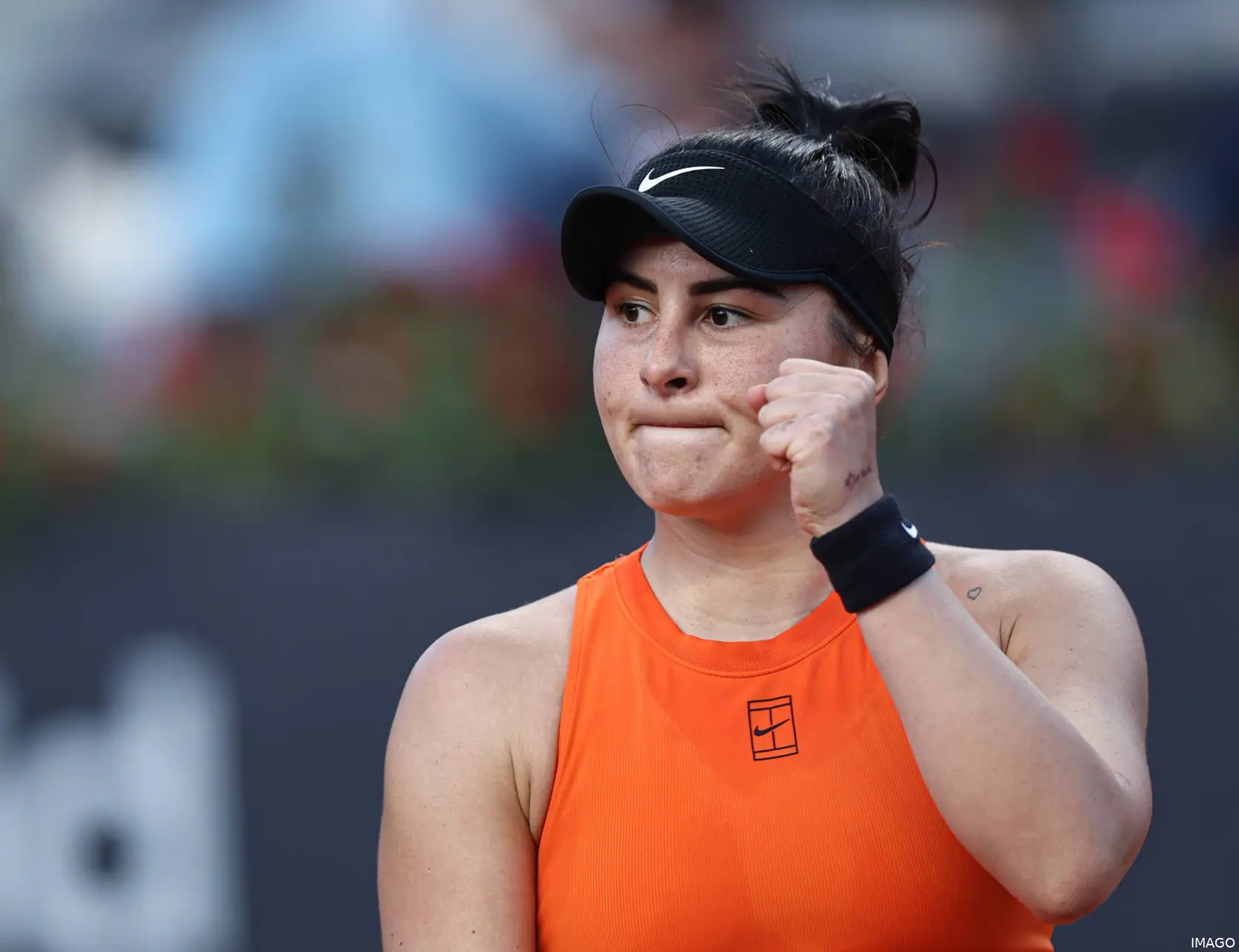
Bianca Andreescu has never shied away from doing things differently. From her breakthrough US Open triumph in 2019 to the injury setbacks and long absences that followed, her journey has been anything but linear. Now, in a bid to rebuild both her ranking and confidence, the Canadian has taken a route few players of her stature would willingly choose, returning to the ITF circuit.
“It definitely wasn’t an easy choice,” Andreescu admits on The Changeover Podcast. “There were many conversations over the last two years about whether or not to go down that route, because my ranking kind of reflected it. It was hard to get into even qualifying for certain tournaments.”
For a Grand Slam champion, stepping back into smaller events comes with its own challenges, not least to the ego. But Andreescu made a conscious decision to set that aside.
“It wasn’t about protecting my ego anymore. It was more about doing what’s actually best for me long-term. I needed matches, I needed rhythm, and I needed to rebuild my confidence.”
Starting again at a lower level
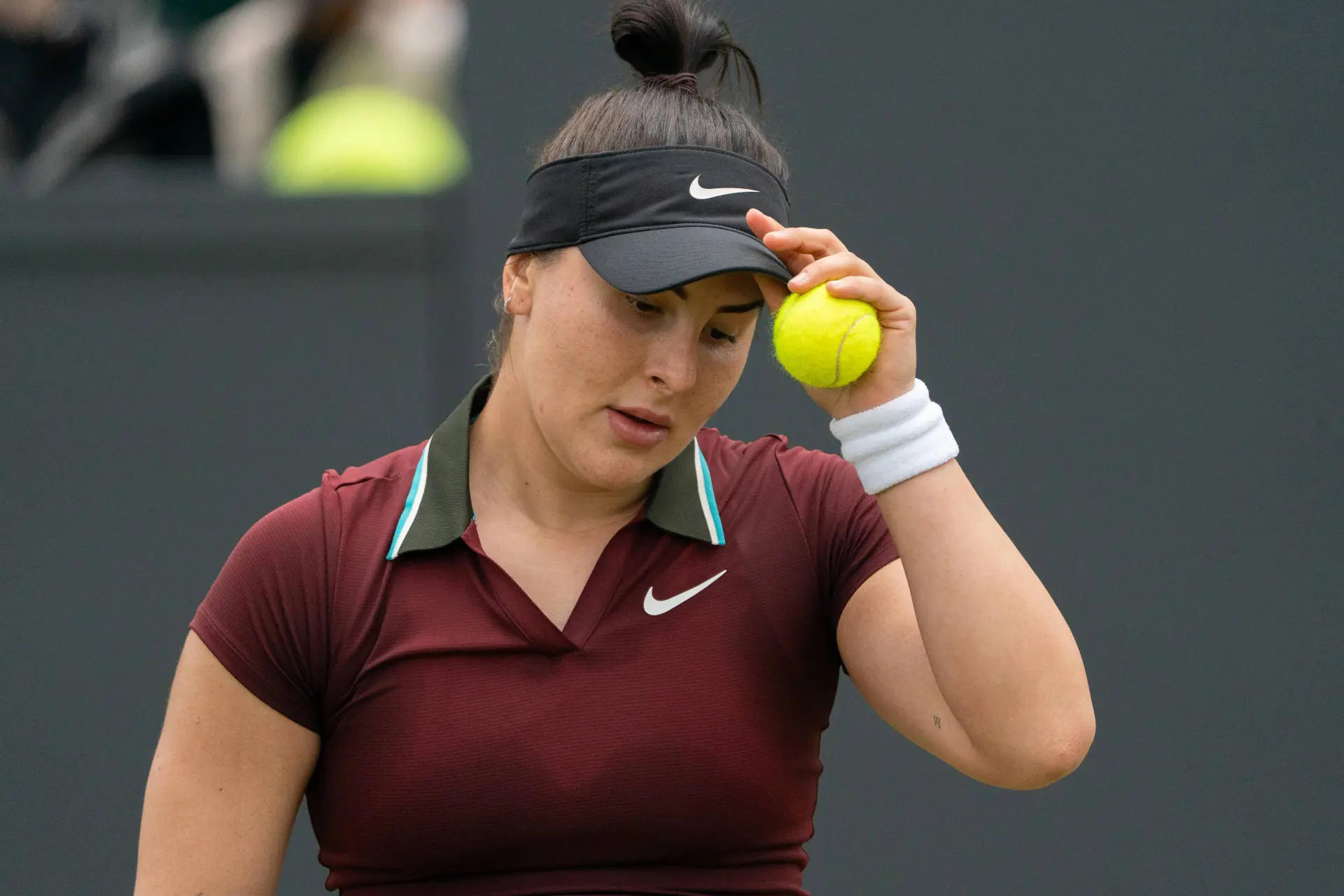
The move proved both humbling and eye-opening. On the ITF circuit, the hunger is unmistakable. “You really feel it from every player. They’re grinding, trying to break through, and some are barely breaking even. On the WTA Tour, it can feel more comfortable at times. That experience reminded me to never lose that edge.”
Despite the contrast in conditions, from packed stadiums to more intimate, often chaotic settings, Andreescu found a sense of familiarity. “I started off playing those tournaments, so in a way I was just going back to what I was used to. It actually felt natural. That’s what helped me break through in the first place.”
Still, the adjustment wasn’t without its difficulties. Every opponent saw a match against Andreescu as an opportunity. “I knew I was going to get their A-game every time. I had to be ready for the match of my life in every round.”
Physically, however, the experience brought reassurance. A demanding run of matches, 14 in just over two weeks, gave her something she had been searching for. “It was nice to know my body can handle that stress again. I don’t think I’ve ever played that many matches in such a short time.”
More importantly, it brought results, and with them, belief. “It was really nice to finally hold a trophy again. It had been seven years since the US Open, so that was really beautiful.”
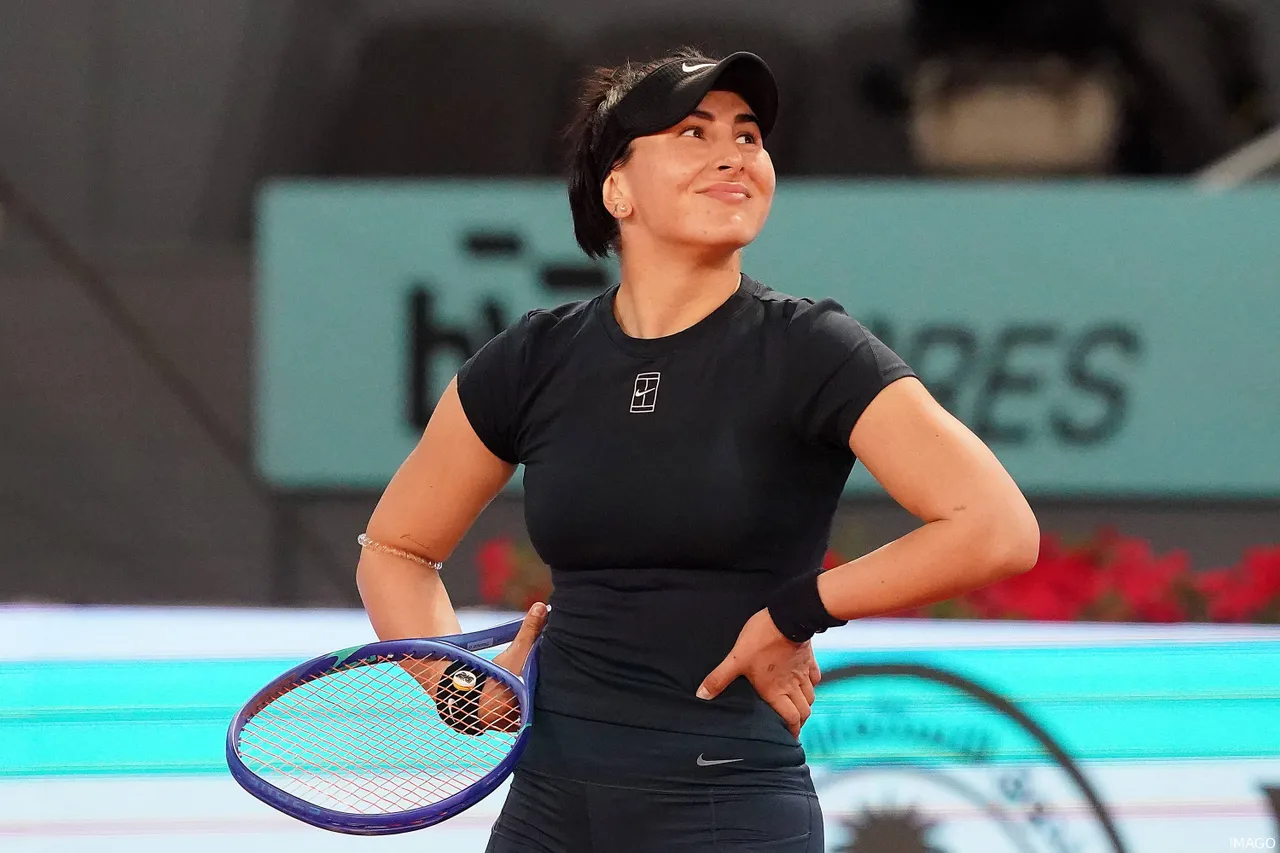
Bianca Andreescu has long had injury issues and returned at a lower level.
The blur of a breakthrough
That US Open victory remains the defining moment of Andreescu’s career, though in many ways it’s one she still struggles to fully process.
Facing Serena Williams in the final, a player she grew up idolising, was a surreal experience. “She was someone I grew up watching, so playing her was a dream come true,” Andreescu recalls. “But I was so nervous before the match, I was wiping away tears walking onto the court.”
A simple message from her coach helped ground her, play the ball, not the opponent. “Obviously easier said than done, but I guess it worked,” she says with a smile.
What followed was a performance defined by clarity and fearlessness. “I was really good at compartmentalising, focusing on what I wanted to do rather than who I was playing. I wasn’t doubting myself at all. I was just in the zone from A to Z.”
Even as Williams mounted a comeback and the crowd roared in support of the American, Andreescu somehow held her nerve. “Looking back, I honestly have no idea how I did it. It’s all a blur.”
Success, setbacks and perspective
Unlike some players who struggle to find motivation after achieving their ultimate goal, Andreescu insists her mindset remained unchanged in the immediate aftermath.
“I was still motivated the same. But the tennis calendar doesn’t really give you time to breathe, you just move on to the next.”
However, what followed was far from straightforward. Injuries, the pandemic, and a series of disruptions derailed any sense of continuity.
“My post-US Open was very unorthodox,” she explains. “I got hurt at the WTA Finals, then didn’t play until Indian Wells, which was cancelled because of COVID. Then I didn’t play the rest of the year.”
Even her return was plagued by misfortune, including quarantine complications and further illness.
“It was all over the place. I never had a normal transition, and I think people forget that.”
With time has come perspective, and a piece of advice she wishes she could give her younger self.
“Savour the moment, because tomorrow isn’t promised. I kind of thought that’s how it would always be, that I’d just keep winning. But that wasn’t the case.”
Navigating fame and authenticity
Winning a Grand Slam inevitably changes how a player is perceived, and treated. Andreescu noticed the shift, though she credits her inner circle for keeping her grounded.
“My parents stayed the same. They always call me out, which I love because it keeps me grounded.”
Internally, she has also grappled with moments of self-doubt. “I’ve felt imposter syndrome at times, like, did I really accomplish that? Sometimes I even forget, which is good in a way, but it can affect your confidence too.”
Externally, the changes were more pronounced. “Some people wanted to work with me just because I was a top player, or they’d ask for things more often. That’s just part of the sport. You learn to stay centred.”
She also acknowledges the difficulty of setting boundaries. “I struggle with saying no. I genuinely want to do things, but sometimes you have to ask if it’s worth your time and energy.”
Lessons through adversity
If success revealed one side of the sport, adversity revealed another. As injuries mounted and time away from the spotlight increased, not everyone remained.
“There were definitely people who stuck by me, but also people who didn’t. Some I thought would be in my life forever completely changed.”
Rather than dwell on it, Andreescu has taken it as part of her growth.
“I’m learning how to pick and choose who I want around me, and learning to say no has been a big thing for me.”
Moving forward
Now, as she continues her climb back up the rankings, Andreescu’s focus is simpler, and perhaps more sustainable than before.
“For me, it’s all about effort and intention. If I have those two things, everything else will come.”
After years of turbulence, that clarity may prove to be her greatest strength yet.

Samuel GillEditor-in-Chief
Samuel Gill is the Chief Content Officer (CCO) of TennisUpToDate.com, a role he has held since 2020. He is responsible for editorial governance across the platform, including setting content standards, overseeing accuracy and consistency, and guiding long-term editorial strategy. Since joining, he has contributed more than 10,000 articles and editorial pieces across the TennisUpToDate network, playing a central role in the daily operation and development of the site.
Based in Leicester, Samuel has a broad background in tennis media. In his current role, he works closely with editors and writers to ensure coverage meets clear journalistic standards, with particular attention to verification, consistency, and timely updates when new information becomes available.
claps 0visitors 0
Just In

Popular News

Latest Comments
- I have lost all respect for Svitolina! Could she not have waited until he had played at the Paris Masters!!! She is selfish and don't give a damn about Gael. That is NOT how love is demonstrated Elina!!Rapunzel19-10-2026
- Perhaps convenient tennis tour sex is not a strong enough experience in which to base a marriage?
 mandoist19-10-2026
 - Fight the Good Fight... Tennis (sports in general) need more Humans such as yourself.mandoist18-10-2026
- When is WTA going to mandate Genetic Testing (DNA) ???mandoist18-10-2026
- Hey, Dan... you just wake up from a coma? Regardless -- Thanks for the comedy this morning!mandoist18-10-2026
- Two Things: 1. Stop allowing these Spoiled Trust-Fund Elitists to behave badly. Your little hand-slaps do not deter them. 2. STOP the incessantly annoying "towel wiping" nonsense!!!!mandoist15-10-2026
- A healthy Qinwen may be hard to stop next season. She was already scaring her opponents before her medical leave(s). Unfortunately, Zheng insisted on singing again. On the positive side -- Mirra did not sing!! ;~}mandoist11-10-2026
- Where is it written that athletes, entertainers... People in general... are mandated to keep looking at -- or even using [anti]Social Media? Public & private figures consistently complain and reveal their concerns about negativity and violence thrown at them -- yet they insist on participating. Avoid it, don't use it, don't read it. It's okay to occasionally look up at the World instead beating your eyes & thumbs to death on The Inventions out there.mandoist11-10-2026
- great articlestennisseserver07-10-2026
- Medvedev was leading Djokovic 7-5, 3-5 when an attempted return..' NO you ignorants, Djokovic was leading .weiss05-10-2026

Loading