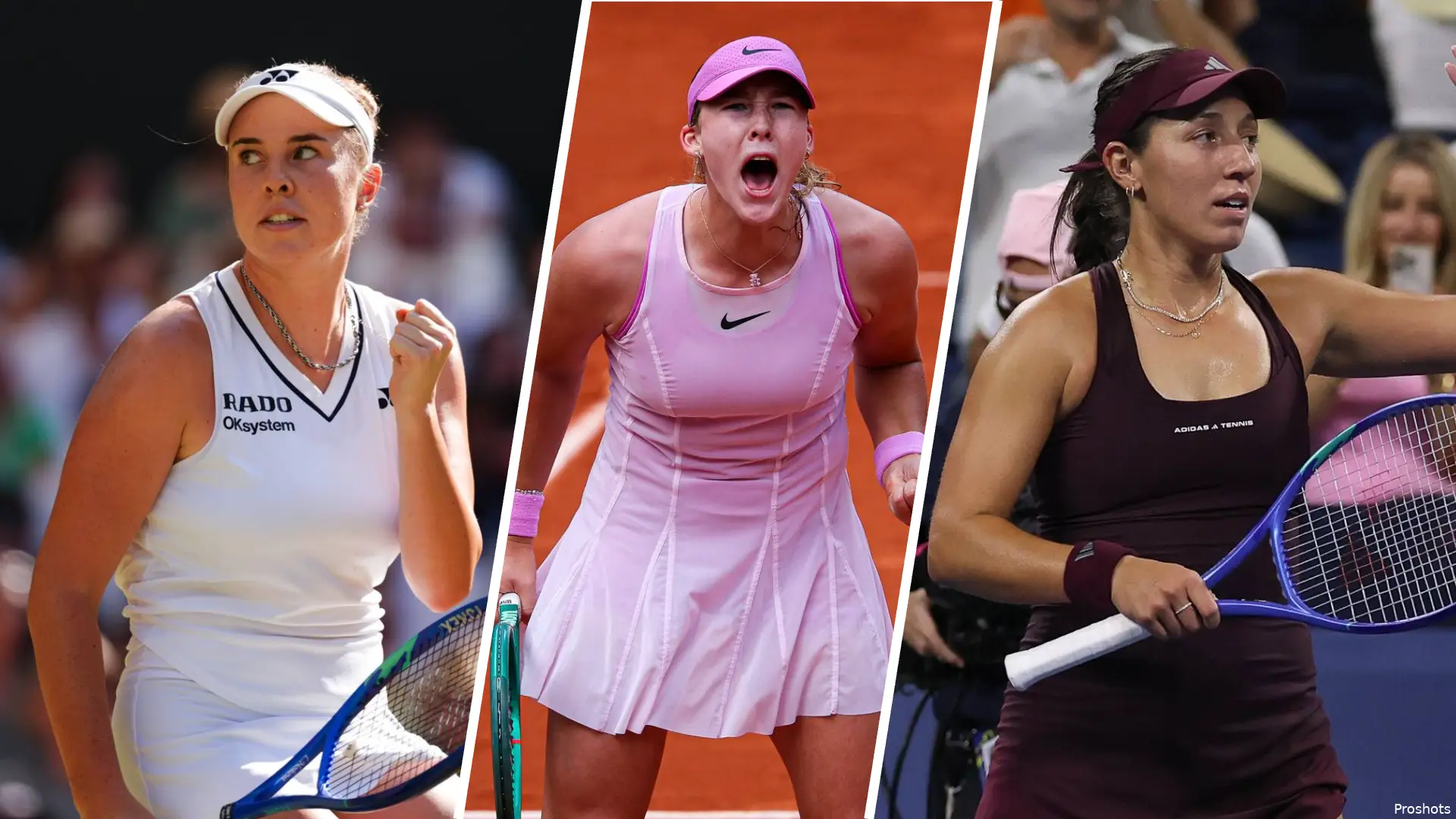
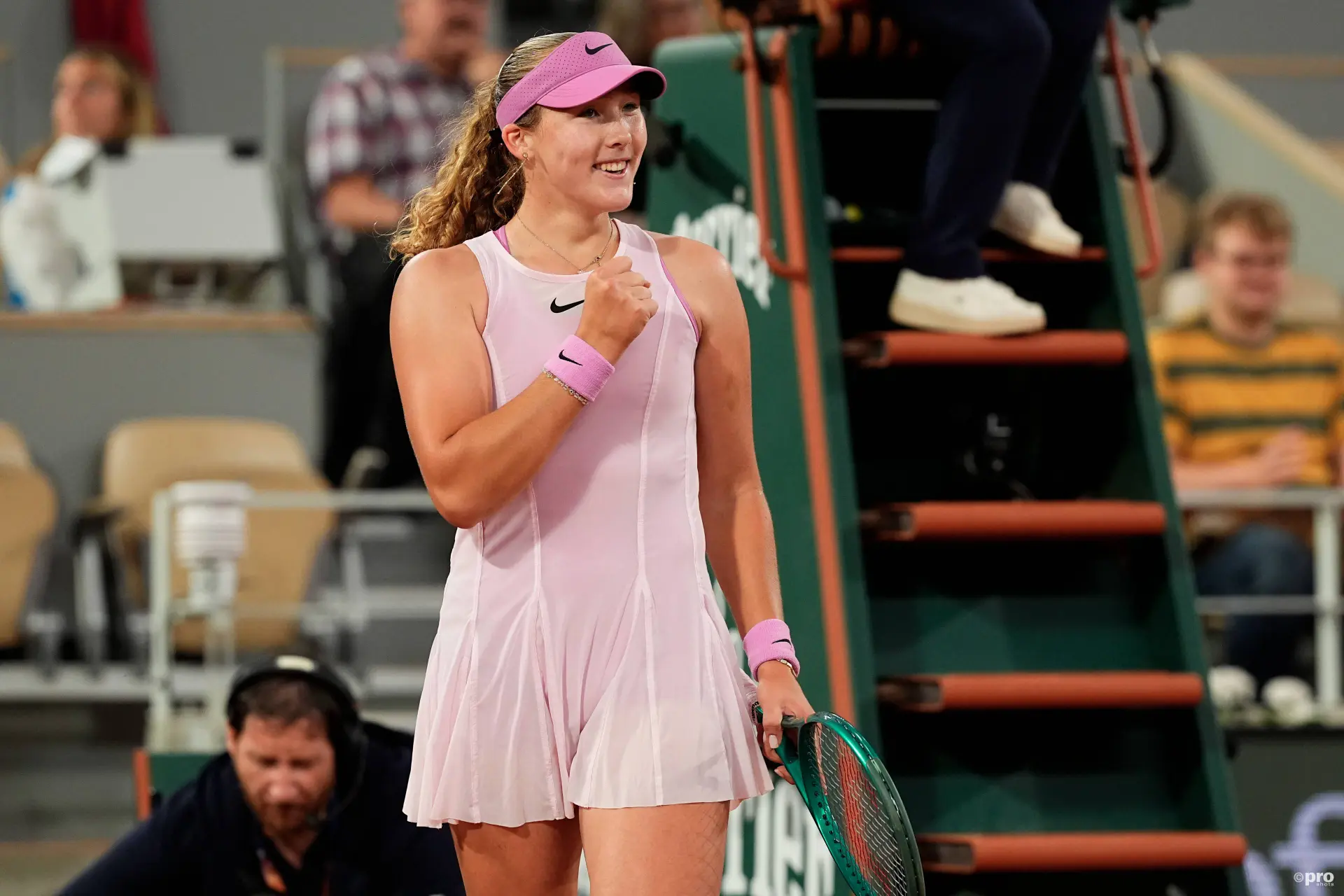
The WTA Finals ended Sunday at Indian Wells, with 19-year-old Mirra Andreeva defeating Elina Svitolina to claim the biggest title of her young career.
Congratulations to Andreeva. She was the best player all week, much of the year, and she deserved to win. Now, can somebody please explain when these women are supposed to take a vacation? I'm serious.
The WTA Finals concluded on November 15. The United Cup begins January 1 in Perth, Australia. That's 47 days between the final match of one season and the first matches of the next.
Sounds like a decent break, doesn't it? Six and a half weeks. Enough time to go somewhere warm, spend the holidays with family, sleep late, and perhaps even forget what a tennis racket looks like.
Except that's not how professional tennis works. Not remotely. I've been beating this particular drum for years, and after spending the past week watching some of the world's best players look physically and emotionally exhausted at the season-ending championship, I'm going to beat it again.
Professional women's tennis doesn't have a meaningful off-season. It has a short interruption in the schedule during which players are expected to recover from the previous year and prepare for the next one. Those are very different things.
No break for top stars with stacked January calendar
| Dates | Tournament | Location | Category | Surface |
| Jan 1–10 | United Cup | Perth & Sydney, Australia | Mixed team event | Hard |
| Jan 3–10 | Brisbane International | Brisbane, Australia | WTA 500 | Hard |
| Jan 4–10 | ASB Classic | Auckland, New Zealand | WTA 250 | Hard |
| Jan 11–16 | Adelaide International | Adelaide, Australia | WTA 500 | Hard |
| Jan 11–16 | Hobart International | Hobart, Australia | WTA 250 | Hard |
| Jan 17–31 | Australian Open | Melbourne, Australia | Grand Slam | Hard |
Forty-Seven Days Isn't Forty-Seven Days Off
Let's imagine you're a player who competed at Indian Wells this past week. You've just finished a season that began in late December or early January. You've traveled across continents, changed time zones more often than most people change their bedsheets, and spent much of the year living in hotels.
You've played matches in extreme heat, uncomfortable humidity, cold weather, and occasionally conditions that made everyone wonder why tennis was being played there in the first place. You've practiced almost every day you weren't competing. You've spent hours in the gym, worked with physiotherapists, dealt with injuries that might have kept an ordinary person home from work, and tried to maintain something resembling a personal life.
And now the season is over. Except your next season begins in less than seven weeks. You can't simply put your racket in a closet until December 30, fly to Australia, and expect to compete against the best players in the world. You need a training block. You need time in the gym. You need to work on your serve, your movement, your fitness, and whatever technical adjustments you and your coach decided were necessary after reviewing the previous season.
You need practice matches. You need to adjust to the conditions you'll face in Australia. And, depending on where you live, you may need to travel halfway around the world well before your first official match.

Iva Jovic is one of the players who will immediately play WTT in the next few weeks.
All of that takes time. So how much of those 47 days can you actually spend doing absolutely nothing?
Two weeks? Maybe three, if you're fortunate, healthy, and willing to compress your preparation? That's the real off-season.
And even those two or three weeks may not be completely free of rehabilitation, medical appointments, sponsor obligations, or the other responsibilities that come with being a professional athlete. I find it astonishing that we've somehow convinced ourselves this is normal.
And That's If Your Season Has Actually Ended
Here's where the conversation becomes even more ridiculous. The WTA Finals may have ended, but professional women's tennis hasn't. Not even close.
Take a look at the Women's World Tennis Tour, the lower-level professional circuit operated by the International Tennis Federation.
There are tournaments scheduled throughout November and into December. Not exhibition matches. Not charity events where everyone has a laugh and goes home with a nice appearance fee. Actual professional tournaments.
In the final week of November, there are events in places including Portugal, Tunisia, and India. The week beginning November 30 features tournaments in Italy, Greece, the Dominican Republic, the United States, Egypt, Turkey, and elsewhere.
And the calendar keeps going. There are tournaments scheduled for December 14–20 in Lima, Peru, and Singapore, among other locations. Think about that for a moment.
While the biggest names in women's tennis are trying to squeeze a vacation between their recovery and preseason training, other professional women are still competing for ranking points and prize money less than two weeks before Christmas.
And many of those players aren't choosing to compete because they particularly enjoy spending December in another hotel.
They're playing because they need the points, the money, or both. For a player ranked outside the top 100, taking several weeks off can mean surrendering opportunities to improve her ranking, qualify for bigger tournaments, or earn enough money to keep her career moving forward.
The financial realities of professional tennis become considerably less glamorous once you move beyond the players regularly appearing on television.
Coaches cost money. Travel costs money. Hotels cost money. Medical treatment costs money. Even losing in the first round of a tournament can involve substantial expenses.
So when someone suggests that these players should simply take more time off, my first question is always the same.
Who's going to pay for it? It's easy to recommend rest when you're looking at a player who has earned millions of dollars. It's a rather different conversation with someone trying to finance another year on tour.
We keep acting surprised when players break down
During the WTA Finals, I wrote repeatedly about how tired some of the players looked. And I wasn't imagining it. There were matches where the tennis was excellent, particularly toward the end of the tournament. But there were also stretches where players seemed physically depleted, emotionally drained, or simply unable to sustain the level of intensity we expect from elite athletes.
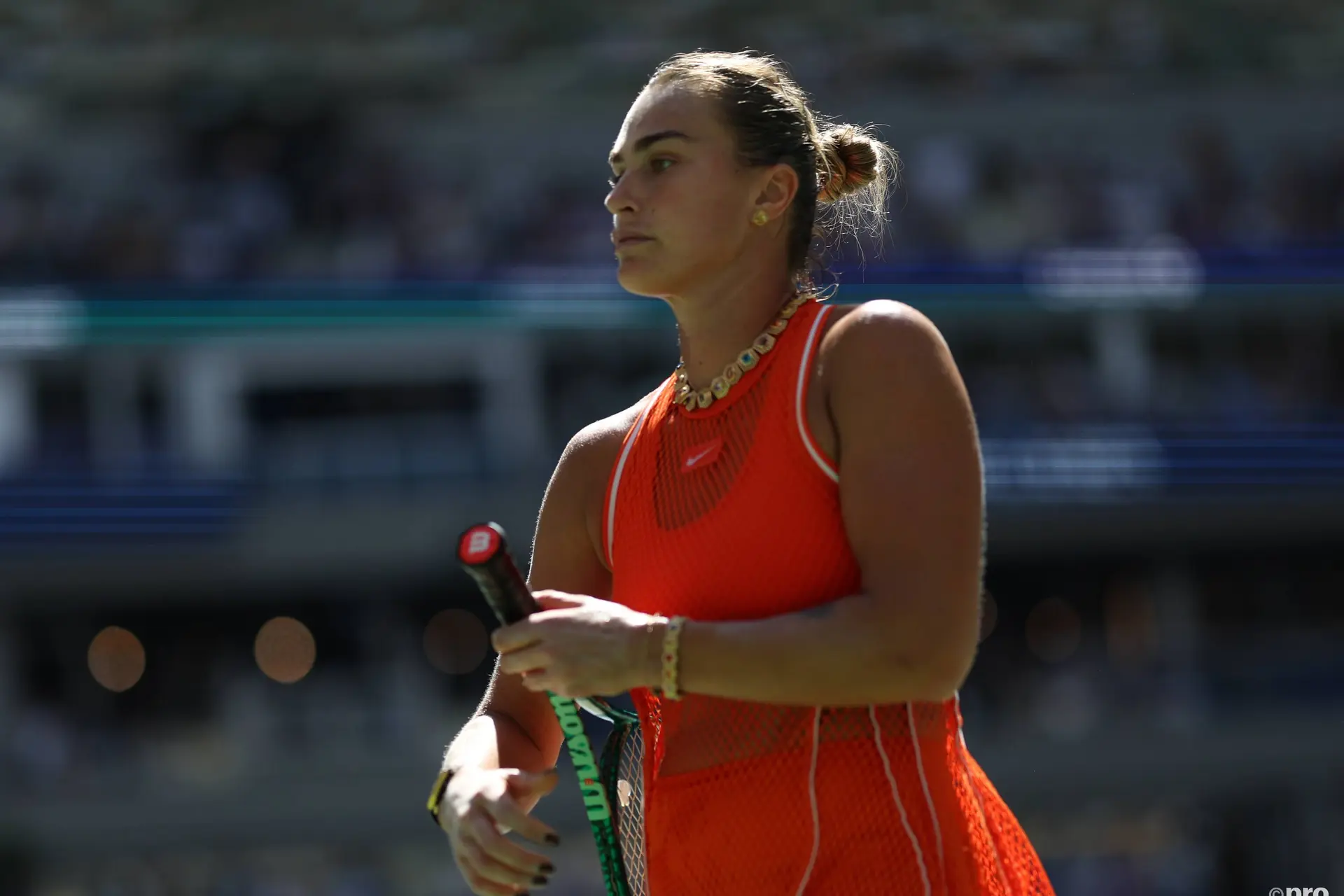
Aryna Sabalenka had a couple of spectacular emotional meltdowns. Other players struggled to maintain their consistency. Karolína Muchová withdrew from her final round-robin match because of gastrointestinal illness.

Sabalenka had multiple meltdowns in Indian Wells.
I'm not suggesting that every poor performance, illness, or emotional reaction can be traced directly to the length of the season. That would be silly. Athletes get sick. Athletes get injured. Sometimes they play badly, and sometimes they lose their tempers.
But when you create a professional calendar that leaves almost no meaningful opportunity for extended recovery, you shouldn't be surprised when fatigue becomes a recurring part of the conversation.
Tennis is an extraordinarily demanding sport. Unlike many team sports, there's no bench. There's no substitute who can take your place for 15 minutes while you recover.
You're out there by yourself, sometimes for three hours or more, making hundreds of explosive movements, changing direction constantly, and attempting to execute extremely precise physical skills while exhausted.
Then you do it again. And again. Sometimes in a different city the following week.
Now add the psychological demands. The pressure to defend ranking points, the uncertainty of draws, the constant travel, the scrutiny on social media, and the reality that most players spend far more time losing matches than winning tournaments.
Even the best players in the world lose regularly. That's simply how individual sports work. It's a lot to carry.
And the solution offered by the professional tennis calendar appears to be approximately two weeks of actual vacation before everyone gets back to work. Wonderful.
Stop treating withdrawals like character flaws
Here's the part of this discussion that really bothers me. Whenever a prominent player withdraws from a tournament, skips an event, or announces that she needs time away from competition, we get another round of commentary about her commitment to the sport.
Is she managing her schedule properly? Is she letting down fans? Should she be penalized for missing mandatory events? Is she mentally tough enough?
I've heard versions of these questions for years, and I'm increasingly tired of them. We can't create a system that demands almost continuous competition, then criticize the people participating in that system when their bodies or minds finally demand a break.
There is something deeply unfair about that. Of course players have responsibilities. Sponsors invest money. Tournaments sell tickets. Broadcasters pay for rights, and fans make travel plans because they want to watch particular athletes compete.
Those interests are legitimate. But so is the basic expectation that professional athletes should have enough time to recover from the demands of their profession.
And I would argue that recovery isn't merely a benefit for the players. It's essential to the quality of the product. If the WTA wants fans to watch its best athletes produce their best tennis, it needs a calendar that makes that possible.
You cannot market a tournament around the extraordinary talent of the world's leading players, then act bewildered when some of them arrive injured, exhausted, or unavailable. The calendar is part of the product. And right now, that part of the product needs serious work.
The full schedule is here! 😎 Tickets go on sale September 15. Visit https://t.co/VuqeMEp80e to sign up and for more details. 🎟️ #WorldTeamTennis https://t.co/vRQm8kFCPU
— World Team Tennis (@WorldTeamTennis) September 10, 2026
The WTA can't fix this by itself, but it can lead
I understand that constructing an intelligent professional tennis calendar is enormously complicated. The WTA doesn't control every tournament in which women compete. The Grand Slams operate independently. The ITF runs its own professional circuit. National federations have their own priorities, and tournament organizers have commercial agreements that can't simply be torn up because someone decides the season should end earlier.
The ATP faces many of the same challenges, although the men's and women's tours also have different structures, commercial realities, and competitive pressures. There isn't one organization that can wave a magic wand and solve everything. But complexity isn't an excuse for doing nothing.
If anything, it makes leadership more important. The WTA should be pushing for a genuinely coordinated calendar, one that includes a meaningful period without regular professional competition, a sensible preseason, and greater attention to the cumulative physical demands placed on players.
It should also be looking carefully at mandatory participation requirements, the pressure created by ranking points, and the financial incentives that encourage players to compete when rest would probably be the wiser decision.
For lower-ranked players, any serious reform needs to address money. You can't simply eliminate several weeks of earning opportunities and expect players who are already struggling financially to celebrate.
A shorter, more intelligent calendar would need to be accompanied by a serious conversation about prize money, development pathways, and the economic sustainability of professional tennis below the elite level.
That isn't easy. But neither is asking thousands of athletes to organize their entire lives around a competition schedule that barely stops.
And as the WTA prepares to move its headquarters and season-ending championship to Charlotte, this seems like an excellent moment to begin asking larger questions about what kind of professional tour it wants to build. A new home is wonderful. A healthier, more sustainable calendar would be even better.
Two Weeks is a vacation. It isn't an Off-Season
I know some people will read this and argue that professional tennis players are fortunate to earn a living playing a sport they love. Fair enough. Being a professional athlete is a privilege, particularly at the highest levels. But privilege doesn't eliminate physical limits.
And loving your job doesn't mean you should be expected to do it almost continuously, year after year, without a meaningful opportunity to recover.
The issue isn't whether professional tennis players deserve sympathy. It's whether the sport is being organized intelligently.
Right now, I don't think it is. We ask players to compete for most of the year, travel around the world, remain physically prepared for every surface and climate, and somehow arrive at the biggest tournaments healthy, motivated, and ready to produce spectacular tennis.
Read also

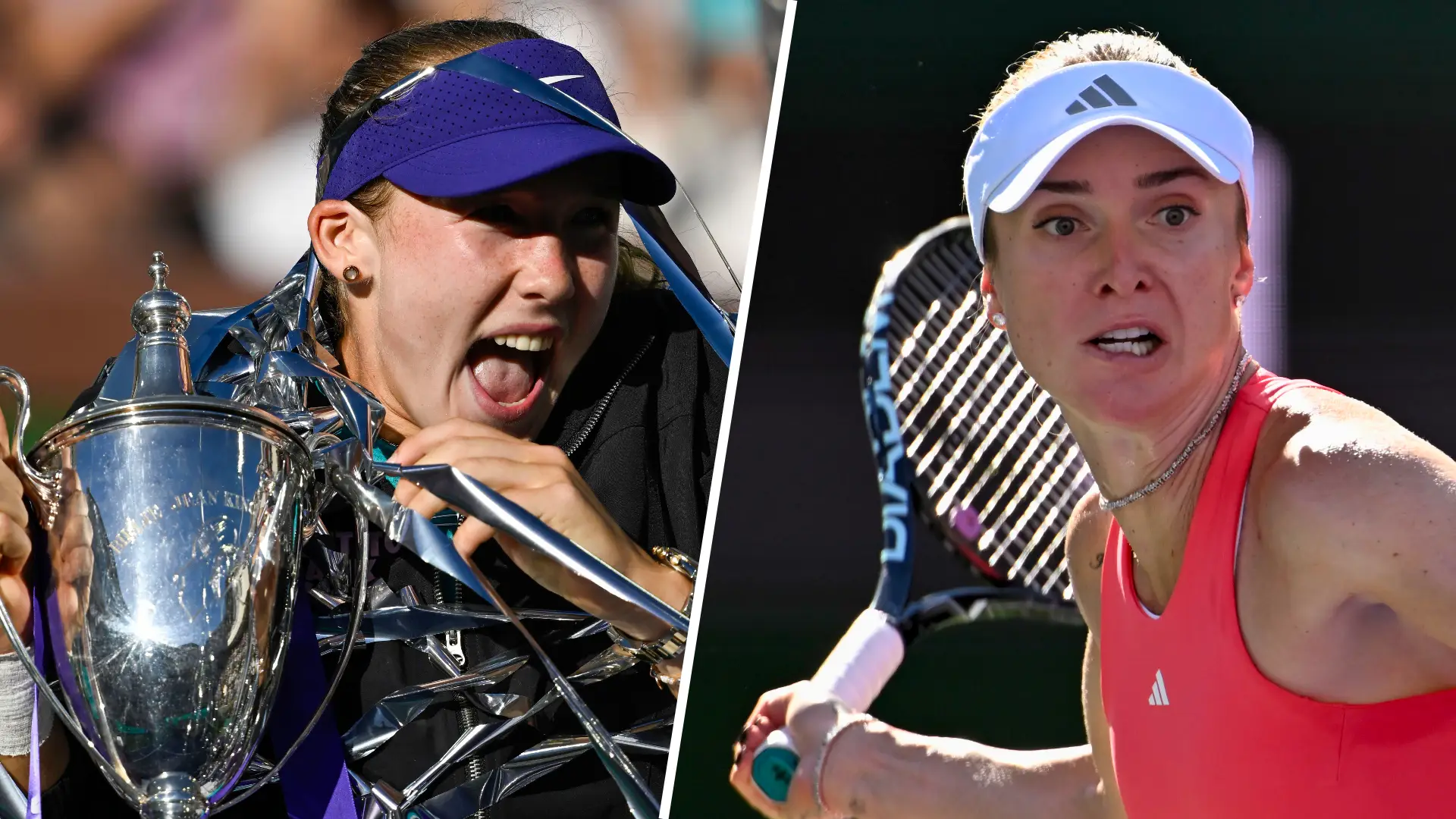
Then, when they can't, we start asking what's wrong with them. Perhaps we should spend a little more time asking what's wrong with the calendar. I've made this argument before. I'll make it again next year, and probably the year after that, unless something meaningful changes.
Because a sport that gives its athletes two or three weeks to stop being professional tennis players isn't really giving them an off-season. It's giving them just enough time to unpack their suitcases before they have to pack them again. And then we wonder why they're tired.

Aron SolomonGuest Author
A Pulitzer Prize-nominated journalist for his groundbreaking op-ed in The Independent exposing the NFL’s “race-norming” policies, Aron Solomon, JD, is a globally recognized thought leader in law, media, and strategy.
As Chief Strategy Officer for AMPLIFY, he leverages his deep expertise to shape the future of legal marketing. Aron has taught entrepreneurship at McGill University and the University of Pennsylvania and was honored as a Fastcase 50 recipient, recognizing him among the world’s top legal innovators. A prolific commentator on law, business, and culture, his insights regularly appear in Newsweek, The Hill, Crunchbase News, and Literary Hub.
He has also been featured in The New York Times, Fast Company, Fortune, Forbes, CBS News, CNBC, USA Today, ESPN, TechCrunch, BuzzFeed, Venture Beat and countless other leading global media outlets. We are proud to have Aron on board at TennisUpToDate, where his deep tennis expertise enriches the site with sharp, original columns that connect the sport to wider cultural debates.
claps 0visitors 0
Just In


Popular News
Latest Comments
- Great list of players to watch! Really like Lilli Tagger. Nice looking game. I’m most interested in seeing how good Victoria Mboko becomes. She and Jovic and Eala might just be the ones fighting alongside Andreeva for Grand Slam titles soon.DaveyWavey16-11-2026
- Mirra's very funny words have been in my head since yesterday. "If I win the car I have 5 people in my box that can drive me around. I will forever be a passenger princess. I have a plan..." And I will never forget how she had me rolling on the floor laughing when asked how she beat Jess Pegula so handily: "I don't know what happened; It must have been the Diva in me". CLASSIC STUFF !
 mandoist15-11-2026
- Can whomever has a microphone in the Final... PLEASE STOP YAMMERING ABOUT YOURSELVES NONSTOP THROUGHOUT THE MATCH???? Get a grip and STFU once in awhile so we can 'hear' the actual play on court.mandoist15-11-2026
- Martina is one of the most competent, knowledgeable, and 99.999% correct in her analysis. Most of all -- WHILE A COMMENTATOR IN MATCHES SHE KNOWS WHEN NOT TO TALK AND DISTRACT FROM THE ACTION !!! Someone please pass that idea on to Austin, Shriver, and whoever else has been f-ing YAPPING throughout the play. How thoughtless and elitist can these people be squawking nonstop throughout an entire game about themselves. STFU, please (I said "please"). Let us 'hear' the game play on court.mandoist15-11-2026
- Tennis "fans" have short memories. This is exactly who Saba always was... granted she found a 'new' persona when she began winning matches and tourneys. Off-court she's always been a racist potty-mouth. Her meanness also shines through when she thinks no one else is around. In short, the "person" you've witnessed in post-match on-court interviews is NOT who she is. As for her familiar "apologies, she can stick that routine in her racquet bags because I never believed her words nor phony "respect" for her opponents -- and I ain't buying that now.mandoist15-11-2026
- Was Saba not paying attention to those who sought an inordinate amount of attention outside of their sport (occupation)... and to the point they lost their focus and eventually their place in tennis? For example: Giorgi, Bouchard, Raducanu, etc. They became infatuated with endless Selfies, videos, podcasts, TV commercials, magazine shoots, and so on. Thus their tennis suffered. Priorities are important.mandoist14-11-2026
- I, like writer of this wonderful article, also picked Noskova to win this entire thing. I would love it if she and Andreeva are in the final.Rapunzel12-11-2026
- "Priorities", Saba... spend less time in front of cameras, anti-Social Media, selfies and back to Tennis.mandoist12-11-2026
- Tell this to Andreeva!mandoist12-11-2026
- Andreeva with 11 games in a row to add to Saba's downward spiral issue !!! Personal feelings aside... Jess Pegula may want to reassess her evaluation of Mirra's abilities.mandoist12-11-2026
