“Completely extreme”: Karolina Muchova slams tennis calendar as unsustainable for top players
WTATuesday, 23 December 2025 at 03:00
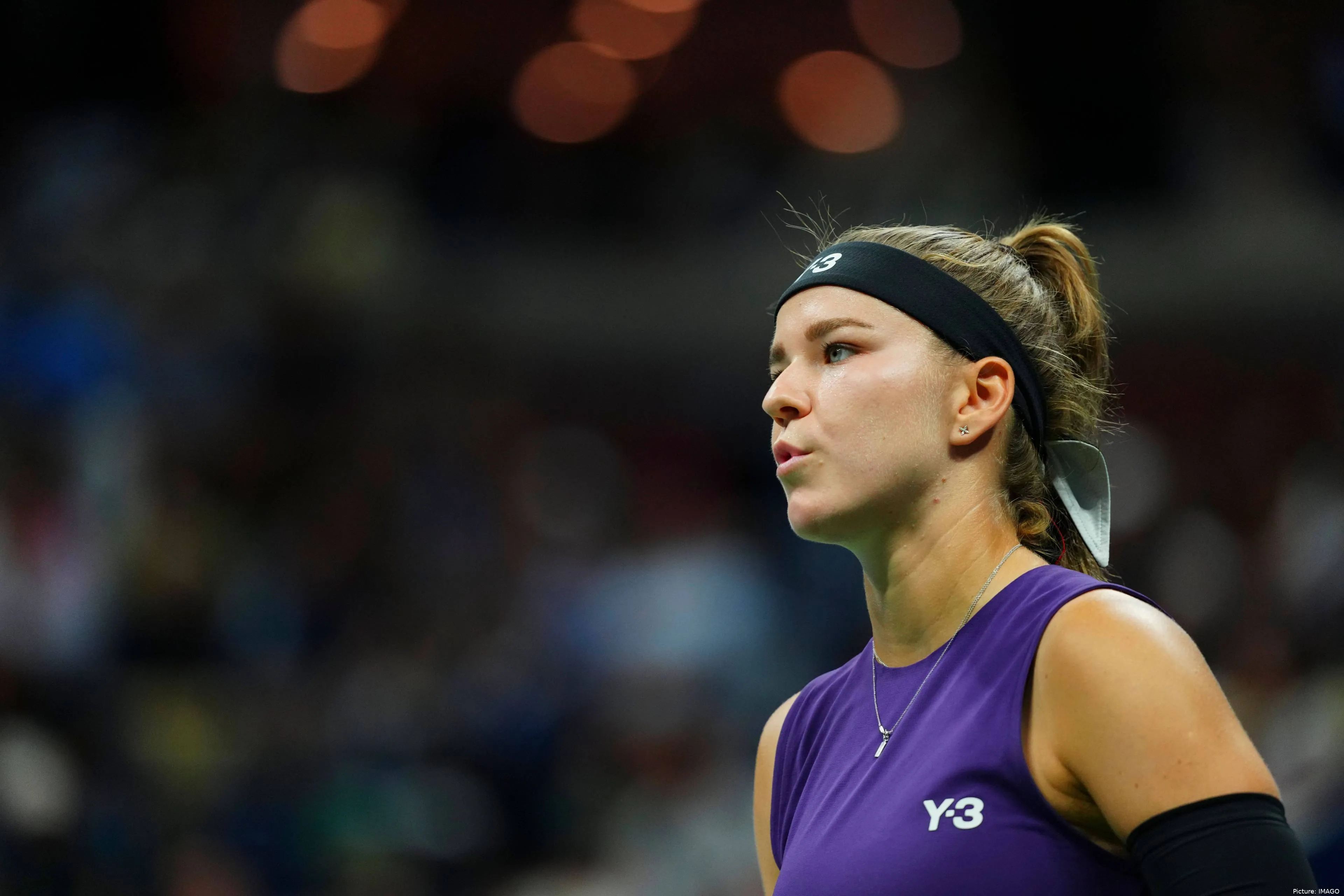
Karolina Muchova has concluded her 2025 season with a pointed critique of professional tennis's structural demands, characterizing the current calendar as "completely extreme." The former Roland Garros finalist, who spent much of the year navigating a return from wrist surgery, has added her voice to a growing collective of players dissatisfied with the tour's relentless pace.
Despite finishing the year inside the Top 20, Muchova described the scheduling requirements for top-tier athletes as unsustainable, noting that adhering to the rules without penalties essentially requires an eleven-month commitment without breaks. Muchova fully endorsed this sentiment, highlighting the mandatory nature of six WTA 500 events and all WTA 1000 tournaments—many of which have expanded to two-week formats. For a player attempting to manage physical limitations, the lack of flexibility is punishing.
Beyond the calendar itself, Muchova also took aim at the financial structure of the sport. While headline prize-money figures appear impressive, she argued they often conceal the reality of net earnings and revenue distribution. Citing reports that players receive between 12.5% and 20% of total tournament revenue, she said the compensation is low compared to other major sports.
“Tournaments are getting longer and longer; almost all Grand Slams now start on Sunday, which means an extra day of revenue for organisers,” Muchova told Forbes Czech Republic.
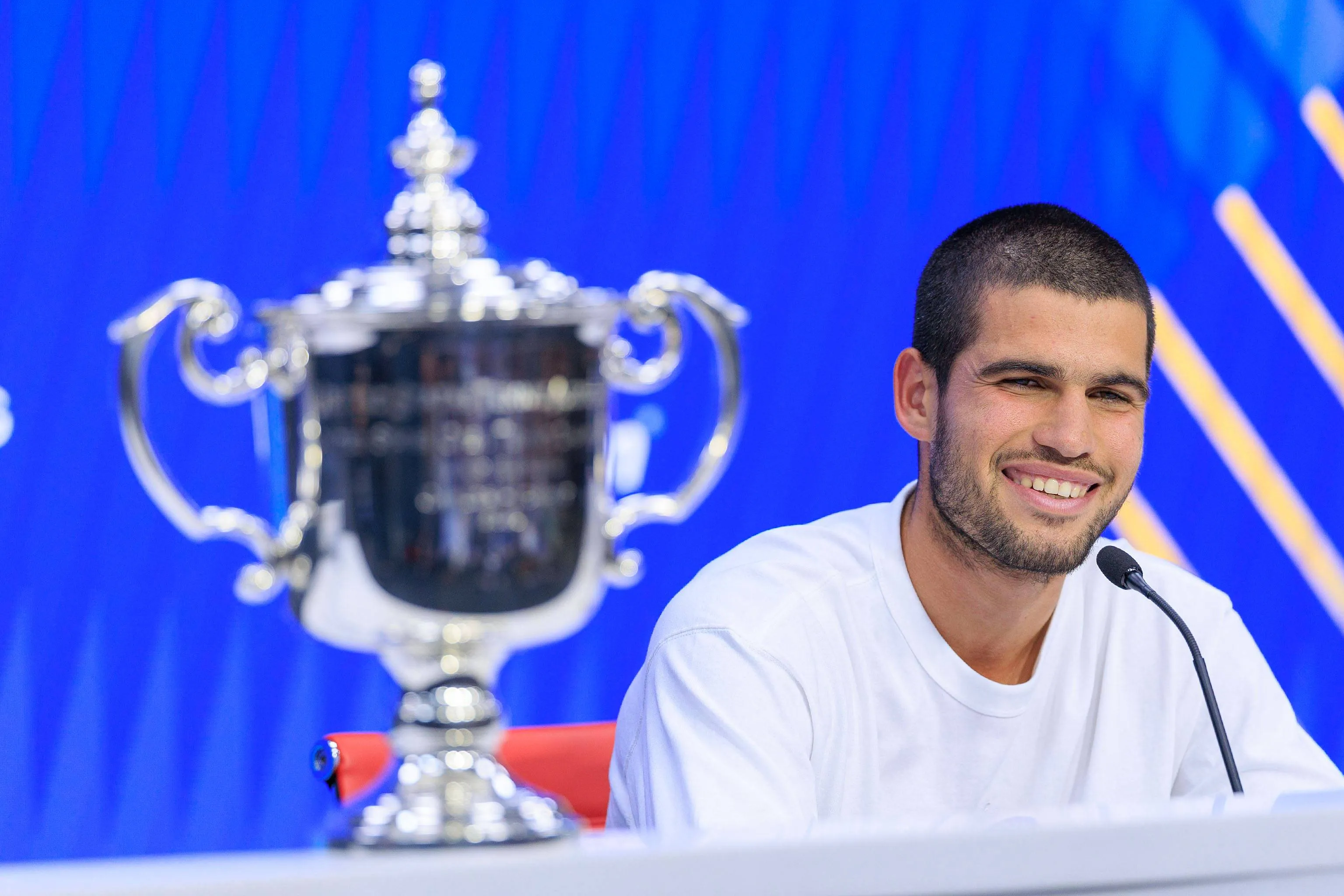
“Compared to other sports, our share is very low. People will read that the winner of the US Open earned five million dollars, but that represents one person out of two hundred, if you include the qualifiers. And in New York, where Carlos Alcaraz received such a prize this year, he won’t even be left with half of it. You pay taxes in the United States and at home—no one really sees the amount being quoted.”
The cost of competing:
The financial penalties for missing mandatory tournaments are steeper than public perception suggests, creating a system that punishes players even when they are physically unable to compete. Muchova revealed that fines correlate directly with ranking status, meaning the most successful players face the highest costs for protecting their health. She disclosed that a single missed WTA 500 event this year cost her a significant sum, a policy she finds particularly unjust given that it applies regardless of medical status.
"The higher you are in the ranking, the higher it is. When I didn't play a 'five hundred' tournament this year, it was fifteen thousand dollars. And I was ranked 16th at that time, which is already a considerable amount for players in the top five. Plus, you pay even if you get injured, as was my case."
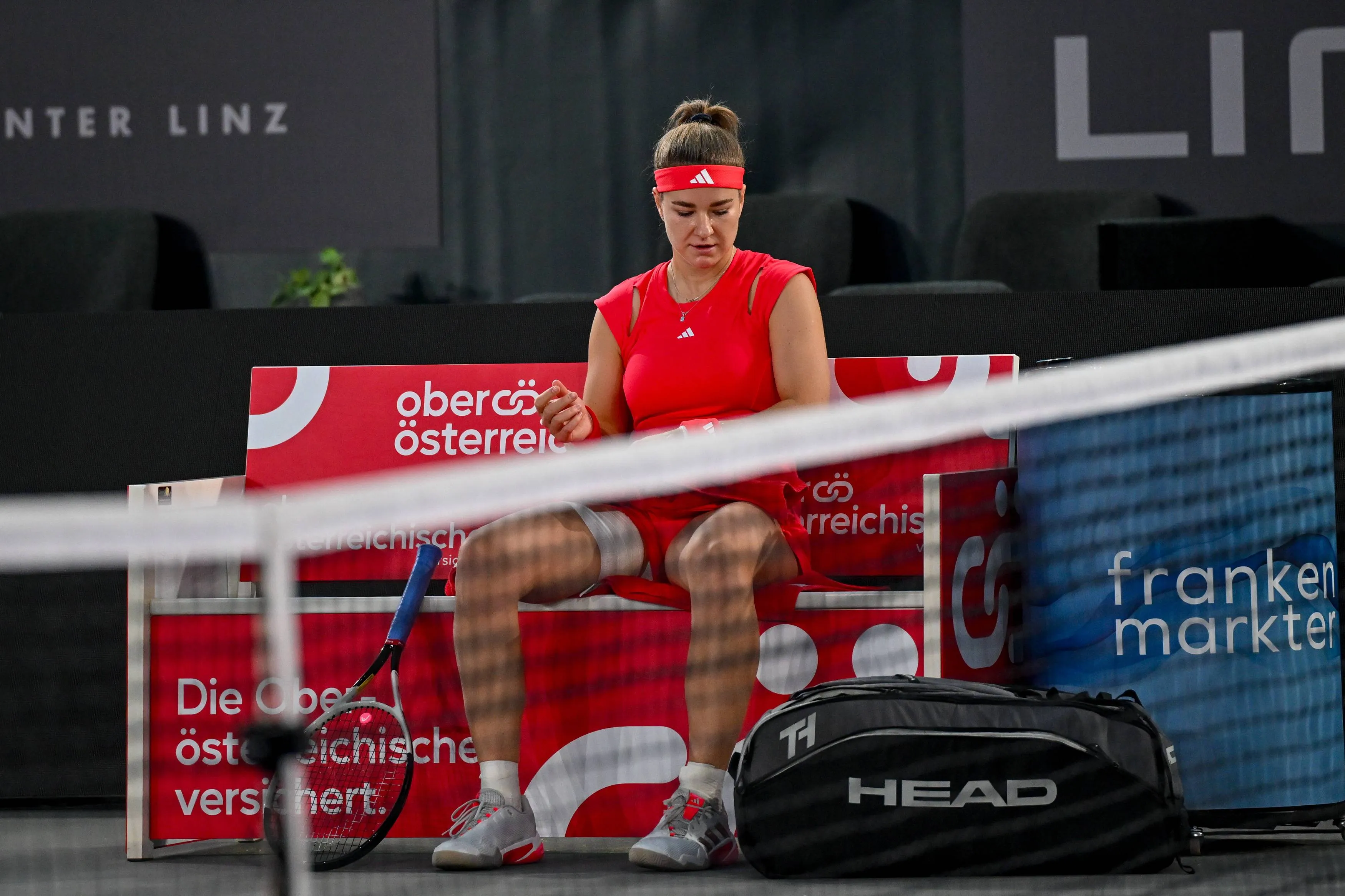
Muchova also sought to demystify the astronomical prize money figures often touted in headlines following major events like the US Open. While the gross sums are impressive, the net income for players is drastically reduced by international taxation and the high overhead costs of a professional team.
"People will read that the winner of the US Open took home five million dollars, but that represents one person out of two hundred, if you add the qualifiers. And in New York, where Carlos Alcaraz received such a prize this year, he won't be left with even half. You pay taxes in the United States and at home; no one will really see the amount in question."
Mental health and the search for form
The relentless nature of the tour creates a "hamster wheel" effect where players fear stepping off the circuit lest they lose competitive relevance. Muchova argued that the obligation to constantly defend points and travel creates an environment where mental health inevitably suffers. She described the current ecosystem as one where health is treated as a secondary consideration rather than a fundamental priority. The Czech star emphasized that the expansion of the season is reaching a breaking point for human tolerance.
"It's mainly about how tennis is organized. As a player, you can't just step out of the tournament routine if you want to be competitive. You have to keep traveling, playing, defending points... a schedule this full is impossible to manage in the long term without it affecting health, especially mental health."
claps 0visitors 0
Just In

Popular News
Latest Comments
- Illness? Sure, sick over the fact she's run out of legit coaches. Also, perhaps another bout of allergies to 'work' and instruction.
- Two major problems with sports (and Life) in today's world... 1. Self-imposed "experts" like Gilbert, Clijsters, and Stubbs can't keep their nasty opinions and rumors to themselves. They feel a need to talk about things they have no relation to, nor a clue. 2. People & anti-Social Media.
- Anyone else notice how general mental & physical fatigue is a major issue now, given WTA's ignorant refusal to consider the stress of their idiotic scheduling and additional demands??
- What a load of bullshit. Artur Szostaczko failed to mention that he didn't get hired!!
- Almost condescending. BTW: That was another anti-climactic Final compared to several of the excellent pre-Final matches.
- Sounds like maybe a mental health break? Miss her on the tour. My favorite American female player. Hurry back Emma!
- Why are microphones even allowed in front of the coaching boxes??? In this age of hi-tech, whatever is heard (strategy or otherwise) can instantly be relayed to any given opponent. How and why did WTA decide to slip this past everyone? Also, these strategic placements of mic's is obvious stupidity initiating a commentator's personal decision to expound upon -- and apologize for -- foul language, etc., when a player or team member curses, etc. Then media pounces upon every off-color phrase or word in their sensationalistic "news coverage". This practice of literally -- and openly -- eavesdropping needs to stop!!
- So she actually CAN think clearly! If she wants to play tennis, make it a priority. Learn from Life choices (like having a kid with her rapper ex). Today's game is a grueling exercise in Humility if one is not fully dedicated; or does not have the time to do The Work. Raducanu is a shining example of someone with the talent but lacks the drive, attitude, and/or devotion it takes to maintain 100% capacity of everything the Tour demands.
- It's as if troubled 'Condescending Collins' is competing with The Williams' for the daily spotlight. Some just do not know when to quit. Go fix yourselves and stop informing the public of your personal problems. The general public has their own issues in Life.
- Coach Macci and Martina Navratilova are seemingly the only reasonable voices coming out of the tennis circuit in regards to Iga at the moment. People like Stubbs, Gilbert, and anti-Social Media dwellers have very little or nothing to offer. What they are indeed is... predictable. Why certain media think their input is of value is a mystery. Perhaps easy filler for their publications? Media, in general, could/should consider their poor choices and lazy habits of running to the Loudest Mouths for "expert advice". Certain Internet 'news sources' might do their own research and STOP COPYING & PASTING the first articles to hit the web with little-to-no editing or true journalism. As for Iga (and any athlete) they are not robots. They are Human Beings and Humans, as we all know, are not infallable. Leave the expert criticisms and "solutions" to these athletes and their teams. Disgruntled bettors and so-called "experts" are not a solution!


Loading