“He was relaxed, but strict”: Iga Swiatek credits Rafael Nadal influence in Stuttgart return
WTAThursday, 16 April 2026 at 04:30
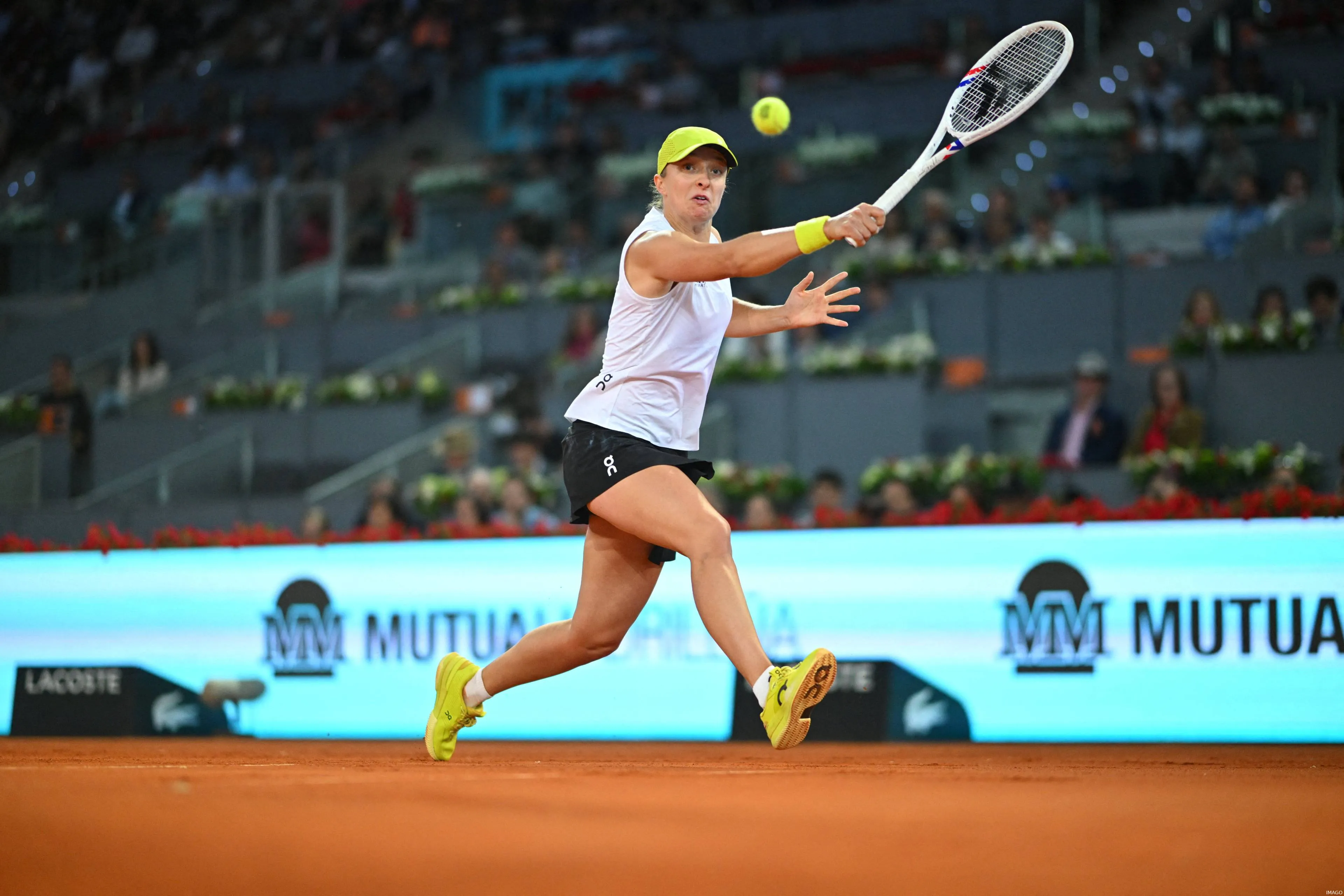
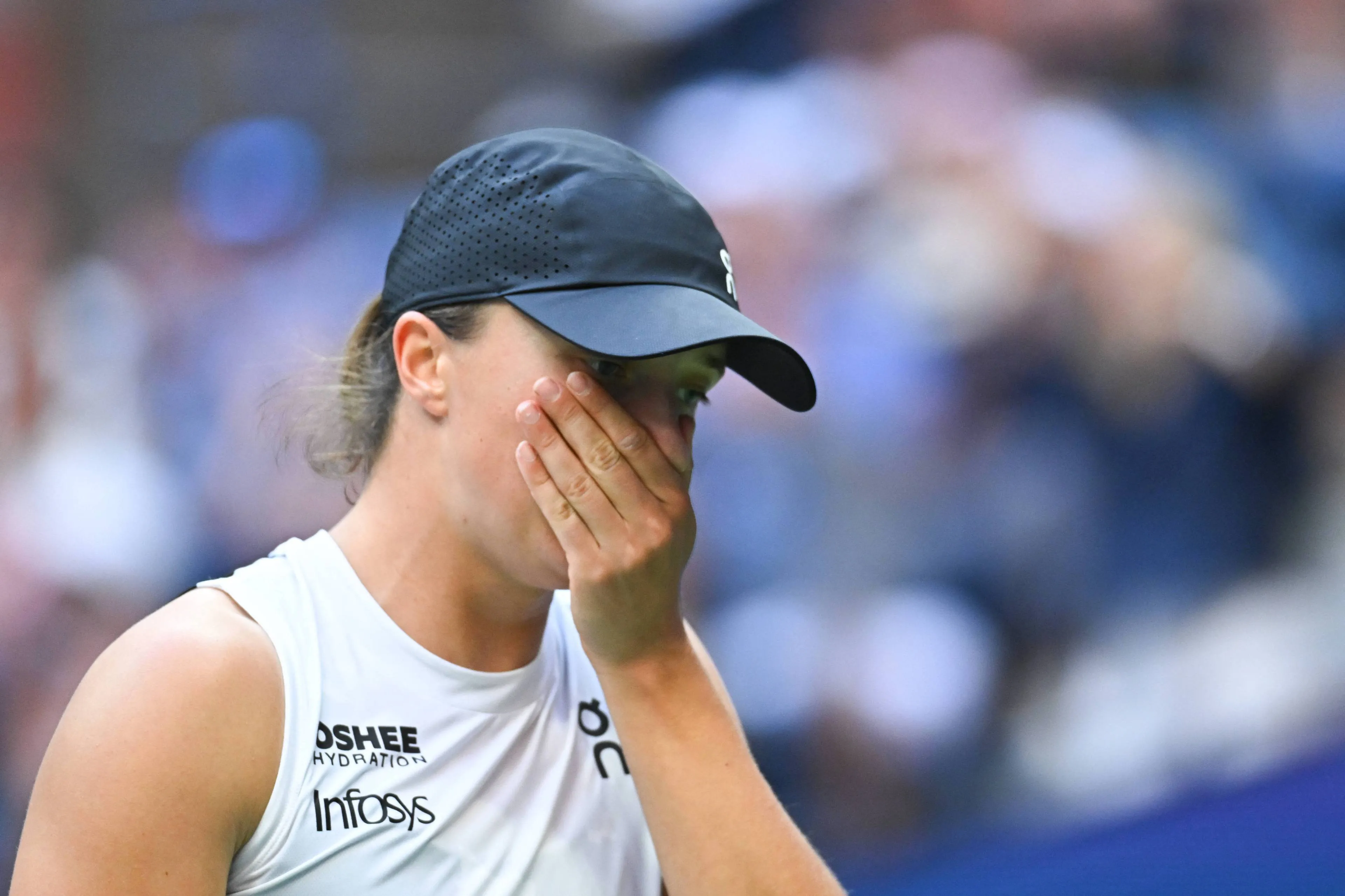
Iga Swiatek opened her clay swing with a controlled victory at the Porsche Tennis Grand Prix, defeating Laura Siegemund 6-2, 6-3 to reach the quarter-finals, while also reflecting on the influence of Rafael Nadal during her recent preparation block. The world No. 4 required one hour and 30 minutes to secure the result, managing the match despite inconsistencies on serve, including seven double faults and a first-serve percentage of 52%.
The result extends Swiatek’s strong record at the Stuttgart event, where she previously claimed titles in 2022 and 2023. Her return to clay follows a structured preparation period at the Rafael Nadal Academy, where she worked alongside Francisco Roig and received occasional input from Nadal himself, whose presence and advice shaped parts of her on-court approach.
Against Siegemund, ranked No. 51, Swiatek established control early by breaking serve in the opening game. Although the German briefly disrupted rhythm with variations and defensive resistance, the Pole maintained scoreboard pressure throughout. The match remained largely one-directional, with Swiatek dictating baseline exchanges and converting key moments efficiently.
Her progression sets up a quarter-final meeting against either Alycia Parks or Mirra Andreeva, the latter having advanced after overturning a deficit against Jelena Ostapenko. The potential matchup with Andreeva would carry added relevance given the Russian’s recent consistency and rising position within the top tier.
Nadal influence shaping Swiatek’s clay preparation
Swiatek’s preparation block in Mallorca placed her in close proximity to Rafael Nadal, whose presence introduced a different dynamic to her training environment. Working primarily under Francisco Roig, Nadal’s long-time collaborator, she described the structure as “a bit unusual,” with overlapping input during sessions.
She indicated that Nadal did not assume a formal coaching role but contributed selectively, reinforcing specific patterns and intensity levels. The interaction added a layer of accountability and focus, particularly in the context of preparing for the physical and tactical demands of clay-court tennis, where point construction and discipline remain central variables.
"I'd say the dynamic was a bit unusual, because Francisco was obviously his coach,” Swiatek said during her on-court interview. “I felt like he let him coach me too. But from time to time, he gave his advice. I'd say he was rather relaxed."
“Relaxed, but strict”: balancing intensity and environment
Asked directly about Nadal’s on-court demeanor, Swiatek framed the experience through a balance of approachability and authority. "He motivated in a positive way. I'd say relaxed, but at the same time strict. Honestly, it's Rafa. Whatever he says, you're going to do it 100%."
The psychological effect of sharing the court with a player of Nadal’s profile emerged as a key factor. Swiatek highlighted how expectations shift automatically, with performance standards elevated by context rather than instruction alone, reinforcing behavioural patterns aligned with elite competition.
"You know his intensity," she added. "Having him on the court makes you want to show the same energy. Just his presence did the work already."

Cristhián AvilaTennis Journalist
Cristhián Ávila is a tennis journalist based in Santiago, Chile, and has been part of the TennisUpToDate team since early 2023. He covers the ATP and WTA Tours as well as all four Grand Slams, producing breaking news, match reports, analysis, and regular liveblogs from major tournaments.
His reporting combines statistical analysis with clear explanation, helping readers understand tactical developments, player form, and broader storylines across the tour. Working fluently in both Spanish and English, Cristhián collaborates with an international editorial team and contributes to comprehensive global coverage. As part of his work, he has conducted interviews and media interactions with leading figures in the sport, including Caroline Wozniacki and John McEnroe.
In his journalism, Cristhián places strong emphasis on careful sourcing, editorial accuracy, and updating articles promptly when new, verified information becomes available. His coverage is grounded in research, context, and direct engagement with professional tennis.
claps 0visitors 0
Just In
Popular News
Latest Comments
- If the argument centers on tennis fans, the decision is straightforward. Paula Badosa should not receive wildcards. The risk of paying for a match ticket only to see her retire midway is simply too high. 😁
- Boo-Hoo for BJK and Poland. Sometimes "Life" takes priority over everything else.
- Seems her Groomer is calling the shots again.
- Bonker Becker's opinion aside... Pro Tennis had better get on te DNA Testing bandwagon before other sports carry that torch and appear to force the WTA's hand in this matter!
- BJK Cup is no longer what it once was in the Big Picture of tennis. Time to retire it?
- Enough of this "legend". Put her out to pasture.
- Any media repeating whatever comes out of Gibert's mouth is unworthy. He's a known nutcase!!
- Strange coming from someone who has had only one MTO her entire career... and that was last season. Perhaps the pressure of potentially losing 5 Stuttgart Finals in a row was too much to bear?
- Wow! Someone of note who hasn't "coached" Raducanu yet!!
- Retire now and save yourself more embarrassment...



Loading
