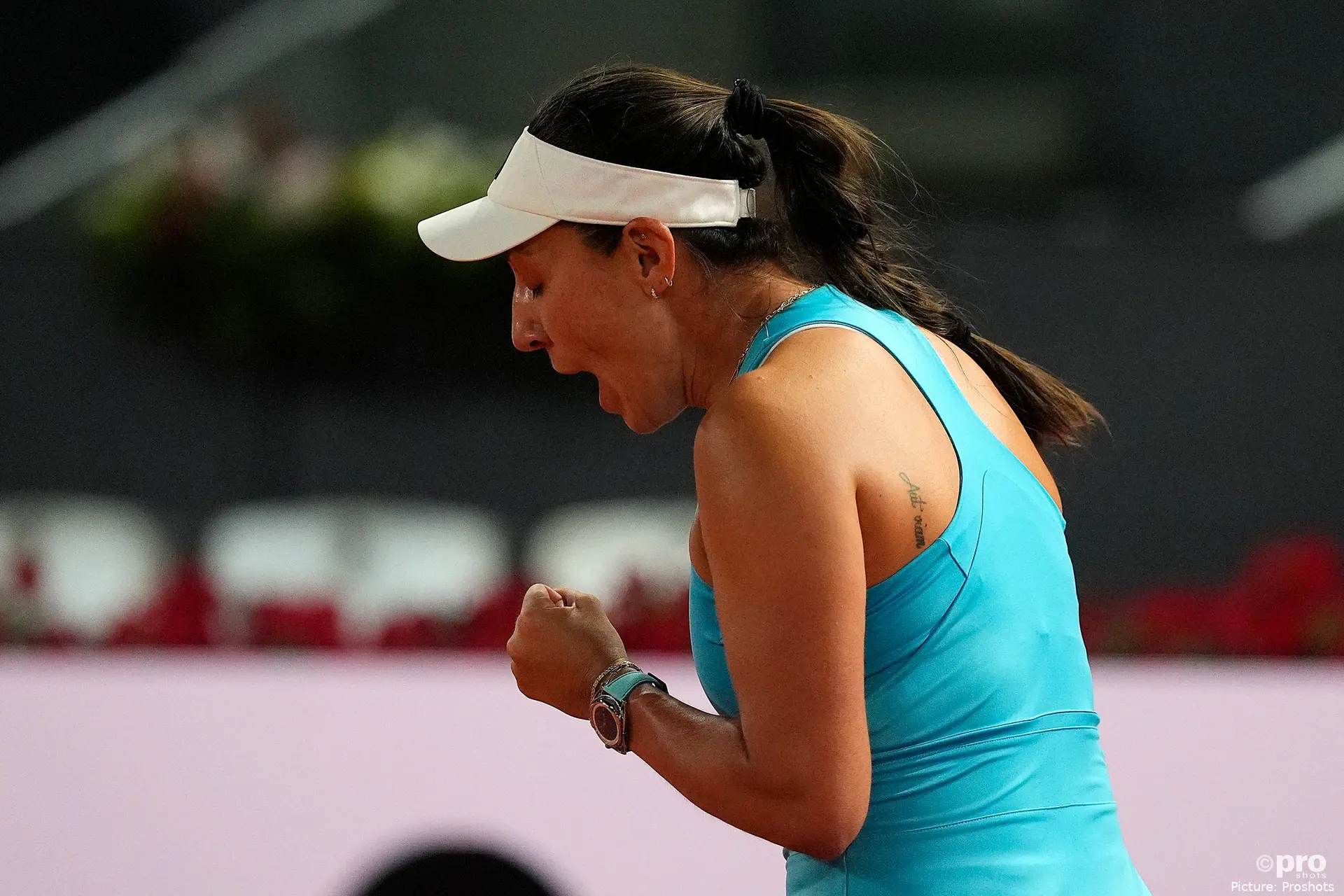
Jessica Pegula produced one of the most decisive wins of her career at the 2026 Rome Open, completing a rare double bagel against the Swiss Rebeka Masarova. The world No. 5, a consistent top-10 presence in recent seasons, did not concede a game in a straight-sets victory that stood out more for its control than its scoreline.
Speaking after the match, Pegula emphasised both execution and mindset, noting that even difficult service games did not disrupt her focus. She described the performance as unusually complete, particularly given the clay surface and the variability it typically introduces.
“I don’t think I’ve ever had a double bagel on WTA tour levels. Ever? Really? I don’t think so. I think maybe 0 and 1, maybe a few times, but not 0-0,” the former US Open finalist said to Tennis Channel. “I’m super happy with the way I played every single point, won every single game. Even when I was down, I think a couple of games like love-40 and stuff like that, I just tried my best to always stay in the game, no matter what the scoreline was.”
The American advances to the round of 16 in Rome and has now won 19 games in a row when counting her opening-round victory against Zeynep Sönmez, where she strung together seven consecutive games to close a 6-4, 6-0 win. Her next opponent will be Anastasia Potapova, one of the most consistent players in the current clay swing.
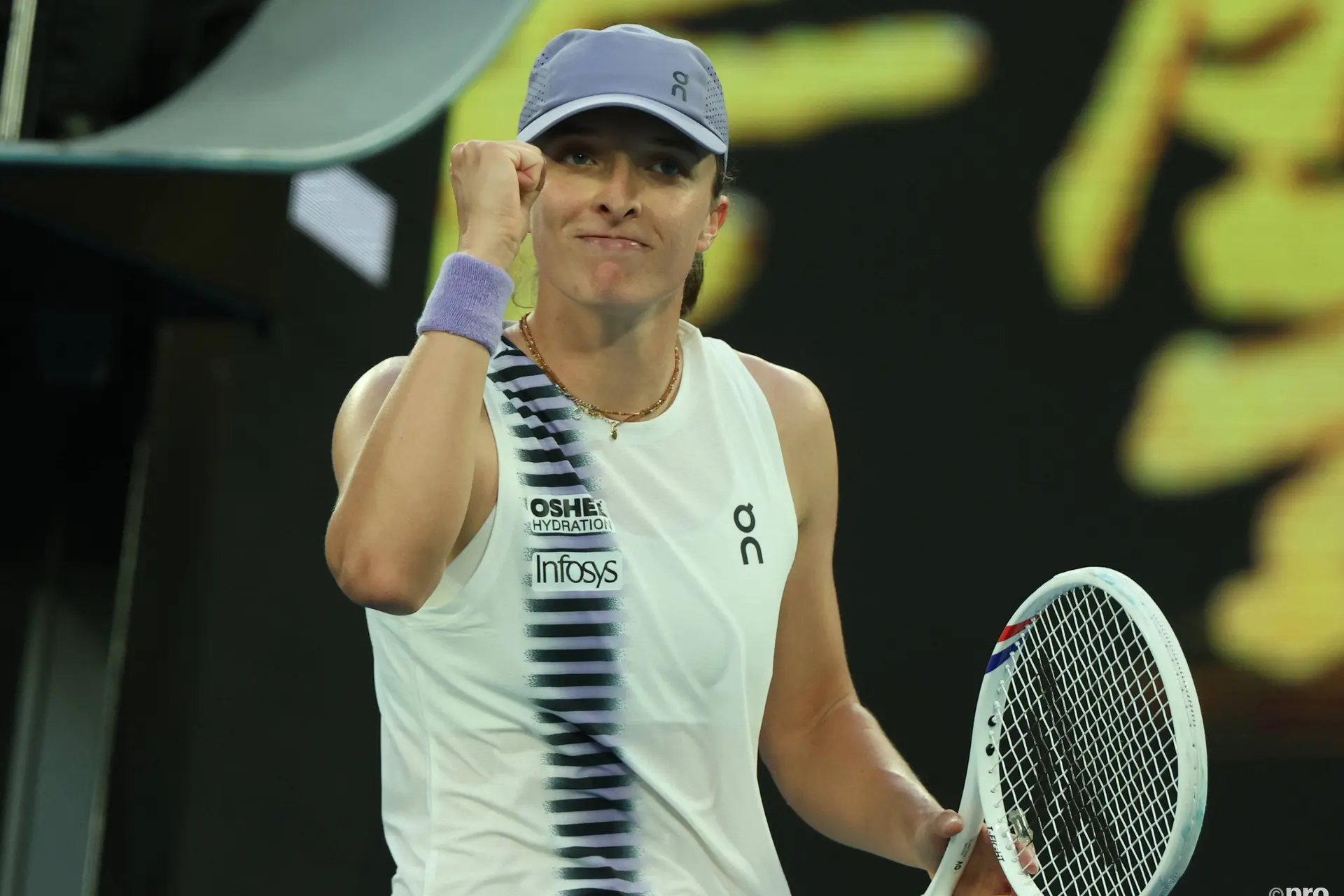
Clinical execution and doubles context in Rome
Pegula’s assessment of her performance centred on consistency rather than dominance alone. She highlighted her ability to remain engaged even in the rare moments she trailed in games, particularly from challenging scores such as love-40. The result against Masarova represented a clear execution of game-plan discipline on a surface that typically reduces predictability.
The American also pointed to the significance of sustaining focus across every point, a factor she views as essential when aiming to maintain elite-level results.
“I think I just played every single point, won every single game,” she said. “Even when I was down, I think a couple of games like love-40 and stuff like that, I just tried my best to always stay in the game, no matter what the scoreline was.”

The additional doubles involvement, she explained, is not incidental. It is part of a broader competitive rhythm she uses during key tournament weeks, particularly on clay, where extended court time can sharpen decision-making and shot selection under pressure.
Pegula noted that she “enjoys playing doubles when possible,” framing it as a practical extension of her singles development rather than a separate focus. The Rome schedule, in her view, allows for this type of layered workload without compromising recovery or match readiness.

Serve development and long-term evolution
A significant part of Pegula’s post-match analysis focused on her serve, which she continues to refine in pursuit of more free points. She has previously identified the shot as a key differentiator against the tour’s most physically imposing players, particularly in matches where return pressure increases.
“I think it kind of started with trying to get more pace. Not that I never tried to, it’s just how do you unlock maybe a few extra miles per hour. That was a lot of work with the grip a little bit, but also just keeping the arm really loose.”

“I feel like all the really good servers have a super loose hand and arm. I’ve got a pretty good arm as far as throwing a football or a baseball, something like that, so I felt I could get more out of my serve. It was a lot of messing around honestly. That’s how I learn—going out, seeing what other really good servers do, messing around with spins, the way they hit the ball, what they’re focusing on. You find things that stick with you, and that seemed to help.”
The emphasis on adaptability has been consistent in Pegula’s evolution over recent seasons. Rather than isolating technical changes to the off-season, she prefers integrating adjustments into live competition environments, accepting the associated variability as part of the learning curve.
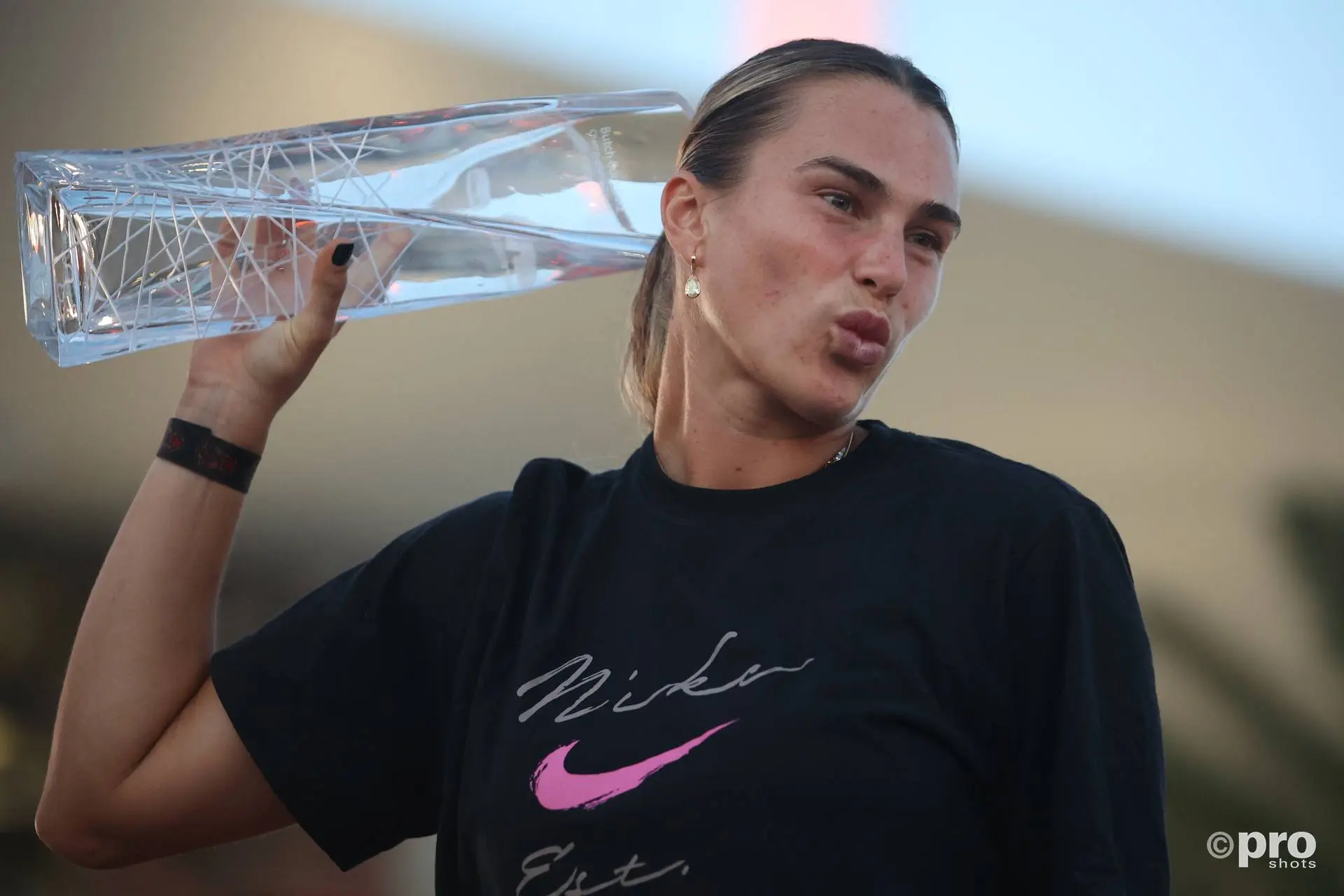
She also acknowledged the mental component of this process, stressing awareness of what changes are worth retaining and what should be discarded quickly. This selective approach, she argued, is essential in maintaining stability while still evolving technically.
“I really feel like the best thing about my game is that I’ve improved a lot over the last five years, and that’s why I’ve been able to stay a top-10 player, because the game is always evolving,” the 32-year-old added. “That’s what the top players do. It gets harder when you’re winning a lot of matches—you have to find subtle ways to improve."
"Sometimes things change that shouldn’t be changed and it doesn’t go well, but you find the balance," Pegula added. "I love it. If you don’t keep improving, you can’t stay in the top 10 or the top five.”

Cristhián AvilaTennis Journalist
Cristhián Ávila is a tennis journalist based in Santiago, Chile, and has been part of the TennisUpToDate team since early 2023. He covers the ATP and WTA Tours as well as all four Grand Slams, producing breaking news, match reports, analysis, and regular liveblogs from major tournaments.
His reporting combines statistical analysis with clear explanation, helping readers understand tactical developments, player form, and broader storylines across the tour. Working fluently in both Spanish and English, Cristhián collaborates with an international editorial team and contributes to comprehensive global coverage. As part of his work, he has conducted interviews and media interactions with leading figures in the sport, including Caroline Wozniacki and John McEnroe.
In his journalism, Cristhián places strong emphasis on careful sourcing, editorial accuracy, and updating articles promptly when new, verified information becomes available. His coverage is grounded in research, context, and direct engagement with professional tennis.
claps 0visitors 0
Just In


Popular News


Latest Comments
- Does Sinner need that 4.5 mil? I doubt it. He can make that with three modelling gigs!😅🤣Rapunzel21-10-2026
- Did "People Magazine" purchase this website? This nonstop storyline is bullshit.
 mandoist21-10-2026
 - Listen... this is of no concern to anyone but these two. Deal with your own issues -- most of us have our own. Thanks, media, for these insignificant follow-ups which are meaningless.mandoist21-10-2026
- This is so very very sad, for all three of them. I truly thought they had an unbreakable bond, but life throws up so many differing challenges. Having your homeland suffering in such a terrible way, makes happiness lose out to guilt as well. Our thoughts are with them. X💔bjsexton20-10-2026
- I have lost all respect for Svitolina! Could she not have waited until he had played at the Paris Masters!!! She is selfish and don't give a damn about Gael. That is NOT how love is demonstrated Elina!!Rapunzel19-10-2026
- Perhaps convenient tennis tour sex is not a strong enough experience in which to base a marriage?mandoist19-10-2026
- Fight the Good Fight... Tennis (sports in general) need more Humans such as yourself.mandoist18-10-2026
- When is WTA going to mandate Genetic Testing (DNA) ???mandoist18-10-2026
- Hey, Dan... you just wake up from a coma? Regardless -- Thanks for the comedy this morning!mandoist18-10-2026
- Two Things: 1. Stop allowing these Spoiled Trust-Fund Elitists to behave badly. Your little hand-slaps do not deter them. 2. STOP the incessantly annoying "towel wiping" nonsense!!!!mandoist15-10-2026

Loading