“I had zero energy, zero stability”: Iga Swiatek outlines virus symptoms that forced Madrid withdrawal
WTA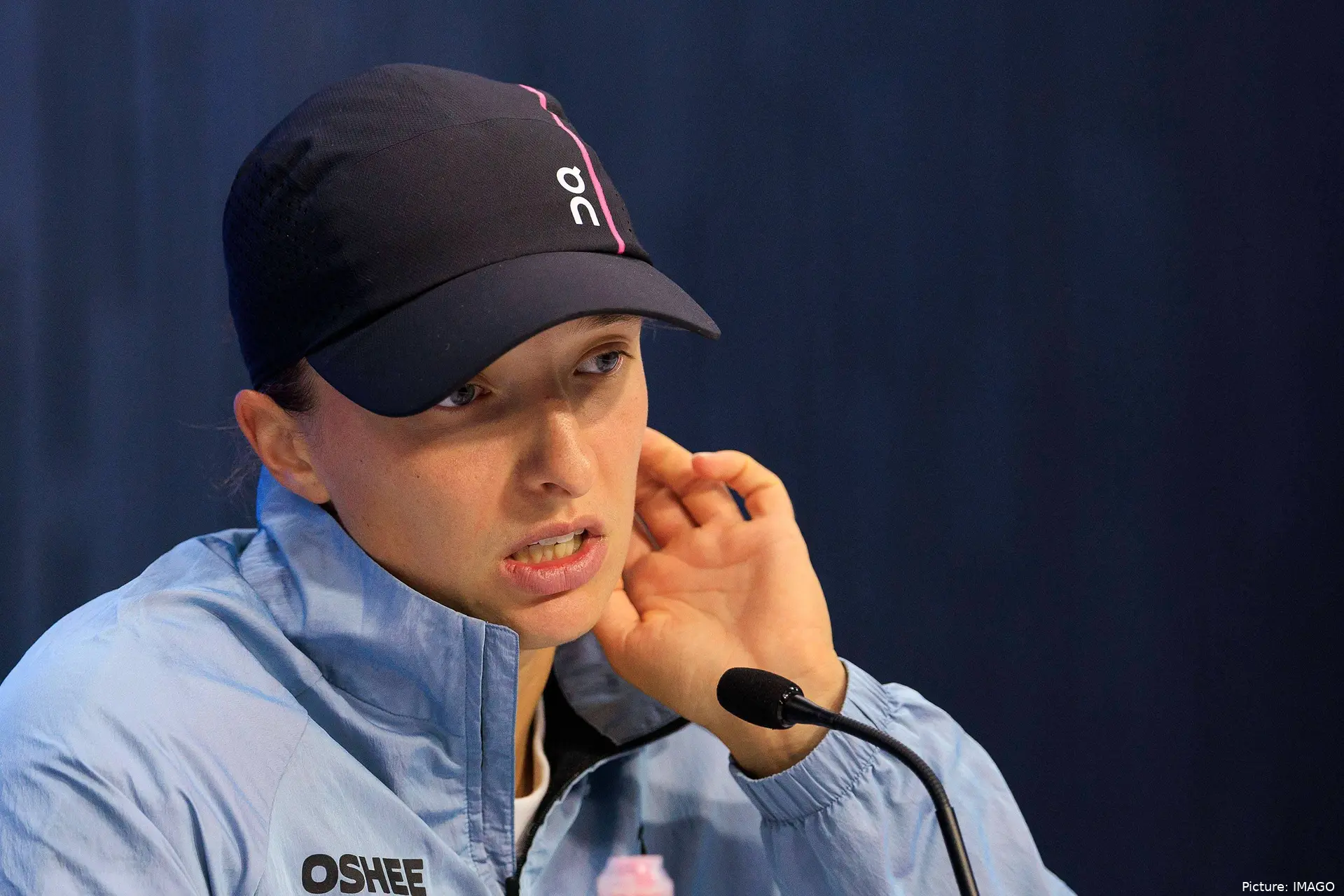
Iga Swiatek outlined the reasons behind her retirement at the Madrid Open, confirming that illness prevented her from continuing her third-round match against Ann Li. The world No. 4 withdrew after experiencing a progressive physical decline during the contest.
Swiatek trailed 6–7(4), 6–2, 0–3 at the time of the retirement, having recovered from a tight opening set to force a decider. The match had shifted in her favour before her physical condition deteriorated early in the third set.
The Pole’s withdrawal represents only the second mid-match retirement of her career, and the first driven by illness rather than injury. The timing, during the early stages of the clay swing, places immediate focus on recovery ahead of upcoming events.
In her post-match comments, the 6-time Grand Slam champion provided a detailed account of her symptoms, the decision to attempt to continue, and the steps she expects to take before returning to competition.
Virus symptoms escalate during decisive phase of match
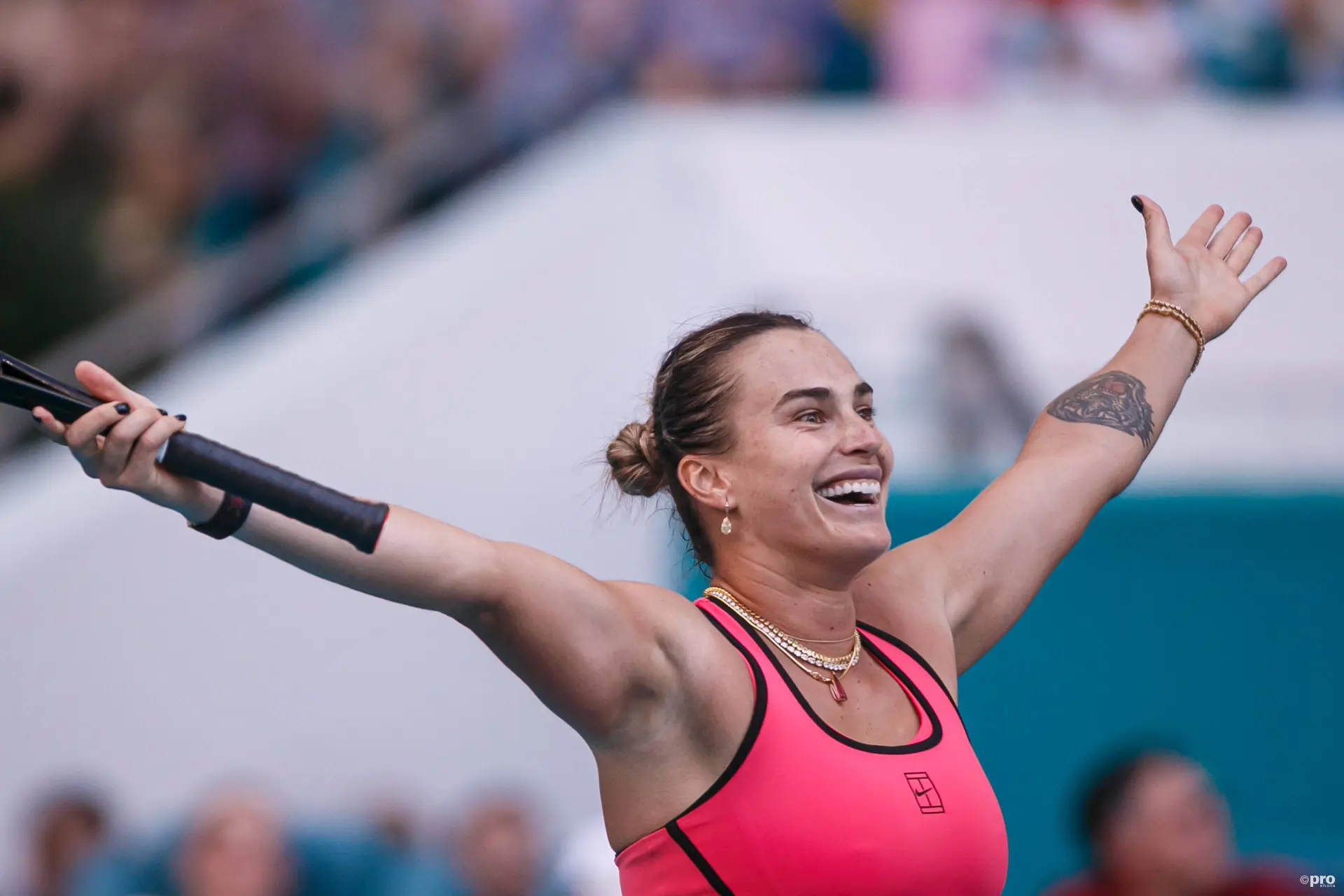
Swiatek described feeling unwell in the days leading into the match, noting that her condition fluctuated before worsening on the day of competition. She pointed to a broader issue affecting the locker room while explaining the impact on her performance.
“For the past two days I have felt terrible. I think I have some kind of virus," she explained in press conference, according to Punto de Break. "I know you all want answers, but mainly I would be careful. Some hours I felt fine, but at others I was feeling really bad. I heard there is something going around in the locker room, a virus circulating somewhere out there. I know I will be fine in a couple of days, but today I felt zero energy, zero stability.”
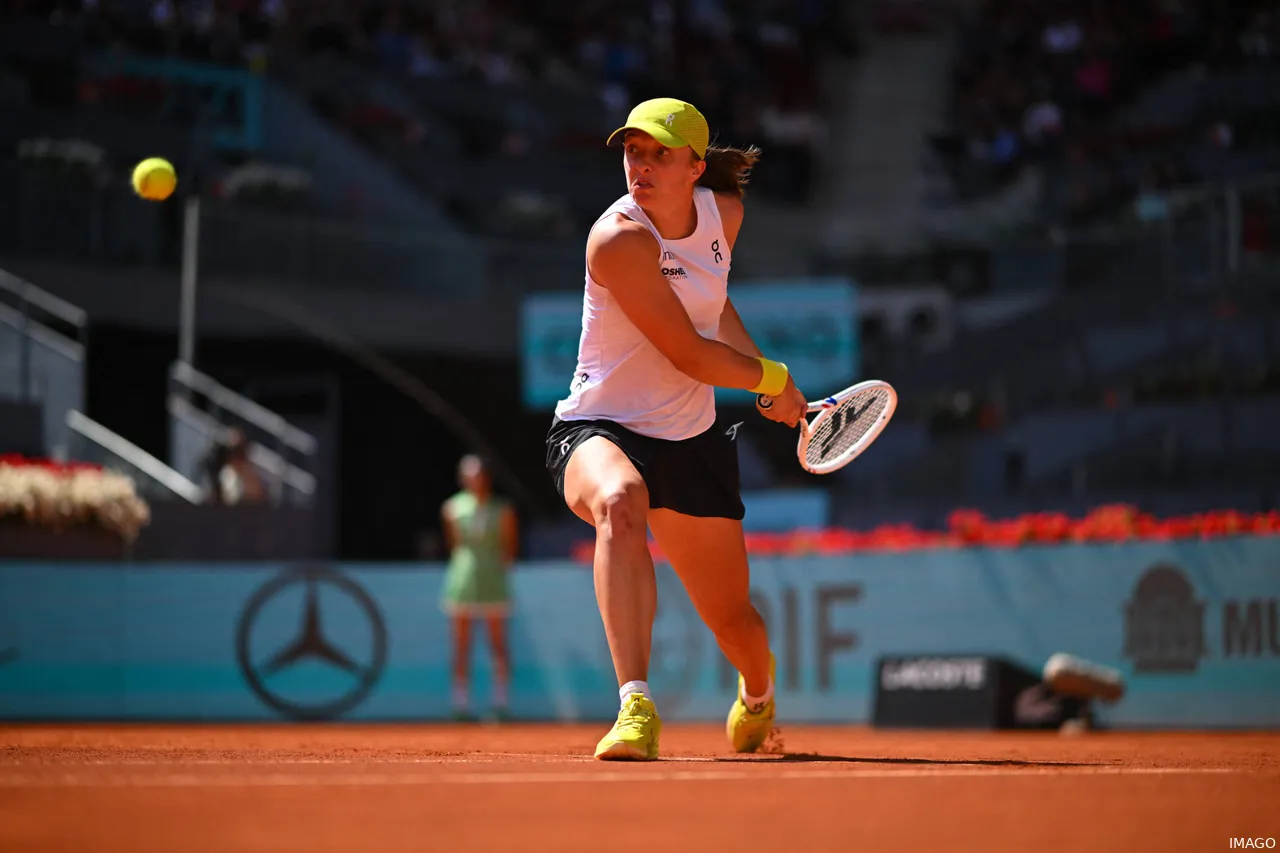
The most significant symptoms appeared in the third set, when Swiatek began to lose physical control and coordination. What had been a competitive match shifted quickly once those limitations set in.
“I felt like I still had a chance, but in the third set I even started to feel dizzy, with blurred vision, like I had lost coordination. I couldn’t even drink anything. I always feel full of energy on court, and today the energy dropped drastically.”
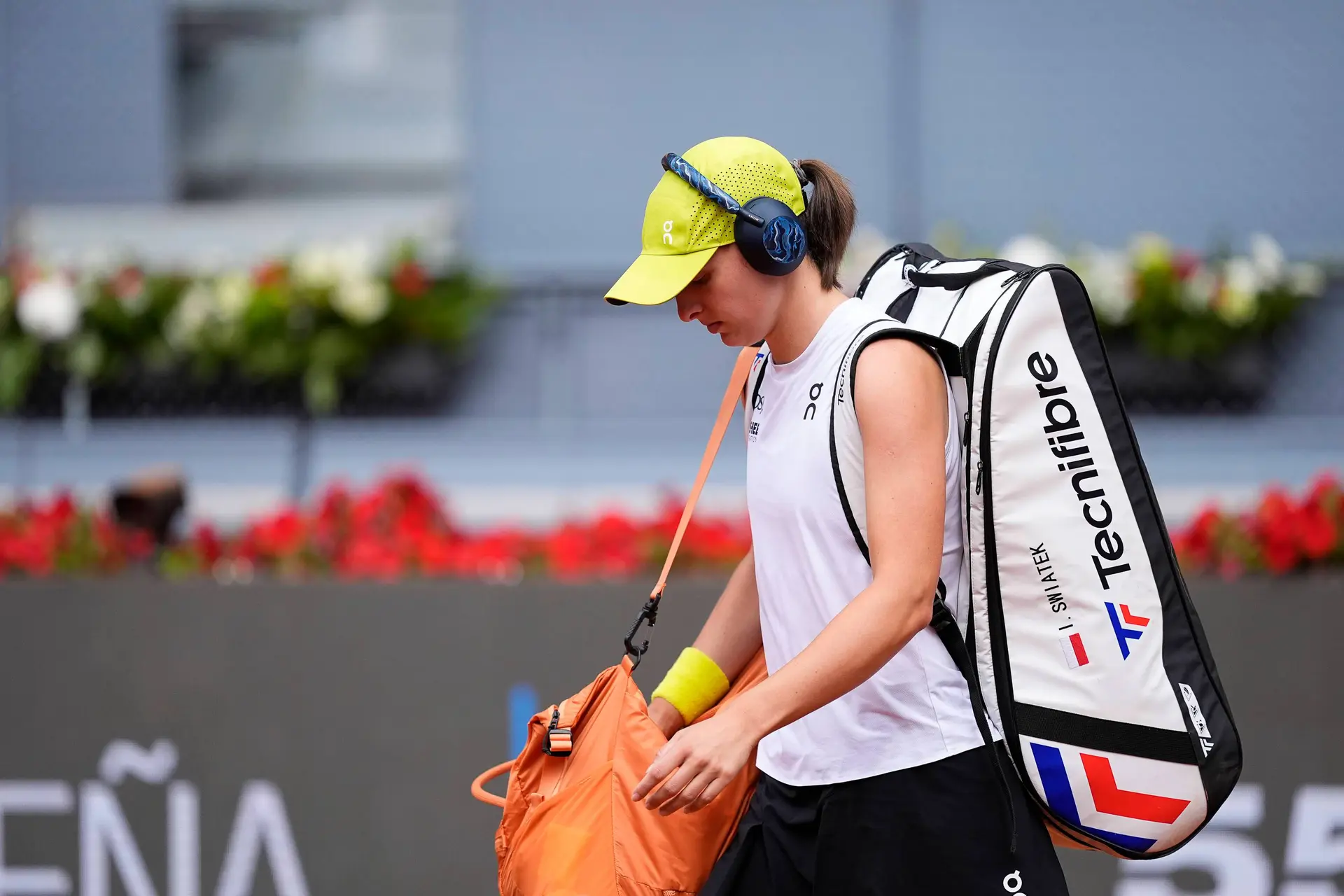
Despite those conditions, Swiatek initially chose to continue, drawing on previous experiences where she had managed to win matches while unwell. She explained that the severity of this instance ultimately made that approach unviable.
“I knew it was going to be difficult, but I still wanted to try because I have been sick a couple of times in my career and managed to win most of those matches. It depended on how bad I was going to feel, and this time it was much worse than the previous ones.”
Limited positives and short recovery window before Rome
Swiatek indicated that her level prior to the match had been encouraging, particularly in practice and early tournament preparation. However, she acknowledged that the early exit limited any meaningful positives from the week.
“I had very good moments off the court. On court, before the start of the tournament, I felt like I was playing very well. It’s a shame for me to see that I cannot play, that I’m unable to compete. I felt very comfortable with my game and I was taking steps forward in my process. That was positive, but the tournament had barely started for me and today I couldn’t even compete. It’s disappointing. There are not many positives to take, honestly.”
Her focus now shifts to recovery ahead of the Italian Open in Rome, where conditions differ significantly from Madrid. Swiatek suggested that a short recovery period should allow her to resume training shortly.
“I wanted to give myself a chance and see how things would go. I haven’t spoken with my team yet about the next few days or the logistics before travelling to Rome. We will probably go train somewhere else because the conditions in Rome are completely different to here."
"It doesn’t matter, we have plenty of time; the main thing is to recover. I will need a few days to get rid of this virus, but I hope to be fine and ready in three or four days. Then I will be ready to train.”
The timeline indicates that her participation in Rome is not currently in doubt, although the episode introduces uncertainty into her preparation for Roland Garros. “I always want to try until the end, but if I feel that I cannot do it, like in Rome before, it doesn’t make sense to continue.”

Cristhián AvilaTennis Journalist
Cristhián Ávila is a tennis journalist based in Santiago, Chile, and has been part of the TennisUpToDate team since early 2023. He covers the ATP and WTA Tours as well as all four Grand Slams, producing breaking news, match reports, analysis, and regular liveblogs from major tournaments.
His reporting combines statistical analysis with clear explanation, helping readers understand tactical developments, player form, and broader storylines across the tour. Working fluently in both Spanish and English, Cristhián collaborates with an international editorial team and contributes to comprehensive global coverage. As part of his work, he has conducted interviews and media interactions with leading figures in the sport, including Caroline Wozniacki and John McEnroe.
In his journalism, Cristhián places strong emphasis on careful sourcing, editorial accuracy, and updating articles promptly when new, verified information becomes available. His coverage is grounded in research, context, and direct engagement with professional tennis.
claps 0visitors 0
Just In



Popular News
Latest Comments
- Lena... Takin' care of business
 mandoist25-10-2026
 - Can you please stop publishing this nonsense? Stick to Tennis.mandoist25-10-2026
- Does Sinner need that 4.5 mil? I doubt it. He can make that with three modelling gigs!😅🤣Rapunzel21-10-2026
- Did "People Magazine" purchase this website? This nonstop storyline is bullshit.mandoist21-10-2026
- Listen... this is of no concern to anyone but these two. Deal with your own issues -- most of us have our own. Thanks, media, for these insignificant follow-ups which are meaningless.mandoist21-10-2026
- This is so very very sad, for all three of them. I truly thought they had an unbreakable bond, but life throws up so many differing challenges. Having your homeland suffering in such a terrible way, makes happiness lose out to guilt as well. Our thoughts are with them. X💔bjsexton20-10-2026
- I have lost all respect for Svitolina! Could she not have waited until he had played at the Paris Masters!!! She is selfish and don't give a damn about Gael. That is NOT how love is demonstrated Elina!!Rapunzel19-10-2026
- Perhaps convenient tennis tour sex is not a strong enough experience in which to base a marriage?mandoist19-10-2026
- Fight the Good Fight... Tennis (sports in general) need more Humans such as yourself.mandoist18-10-2026
- When is WTA going to mandate Genetic Testing (DNA) ???mandoist18-10-2026

Loading
