“I want to quit tennis right now”: Aryna Sabalenka after shock collapse vs Shnaider at Roland-Garros
WTAWednesday, 03 June 2026 at 18:00
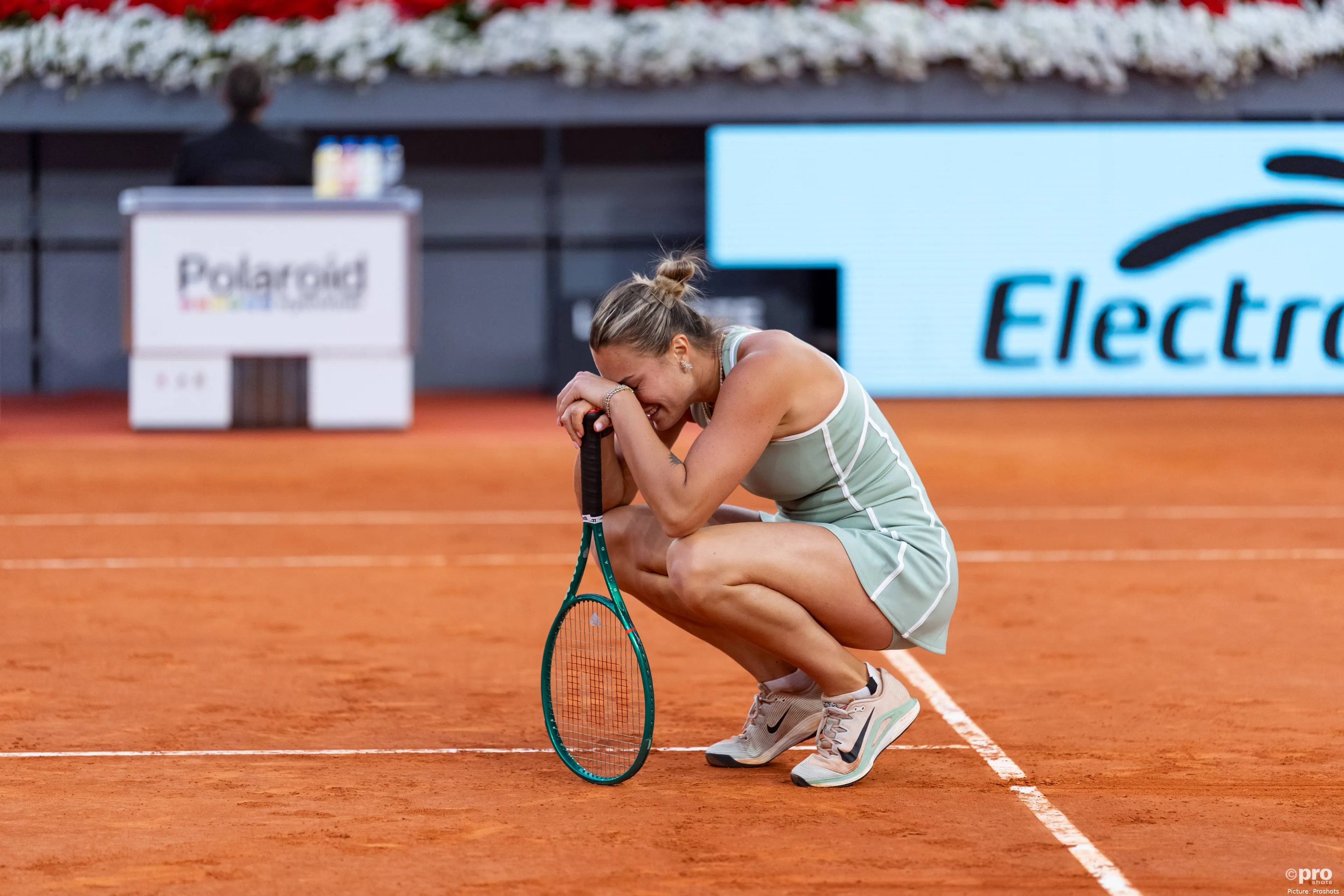
The defeat of Aryna Sabalenka in the quarter-finals of Roland-Garros against Diana Shnaider sank deeply into the mind of the world No. 1. After leading comfortably by 6-3, 4-1, the Belarusian ended up surrendering the match, with Shnaider producing a surprise by eliminating the main title favourite who was still alive in the tournament.
Sabalenka did not hide her disappointment in the press conference and even admitted that her strongest emotion – at least when sitting in front of the microphones – was “I want to quit tennis right now.” The four-time Grand Slam champion suffered a painful defeat, especially considering her clear favoritism against Shnaider and an open draw heading into the final rounds in Paris.
The result was not only a defeat, but a collapse she herself struggled to contextualise in real time. The match ended with a stark psychological contrast: early control followed by complete disintegration under pressure. Sabalenka’s post-match reflections centred less on tactical breakdown and more on mental fragmentation during key phases of the contest at French Open.
The 27-year-old Belarusian also stated that she felt “into a very deep, deep dark hole”, after failing once again in her attempt to fight for a Grand Slam title. Sabalenka again falls short in her search for a Grand Slam title outside hard courts, and once more came close – reaching the quarter-finals for the fourth consecutive year – although she could not defend the points from the 2025 final.
Mental collapse and loss of control
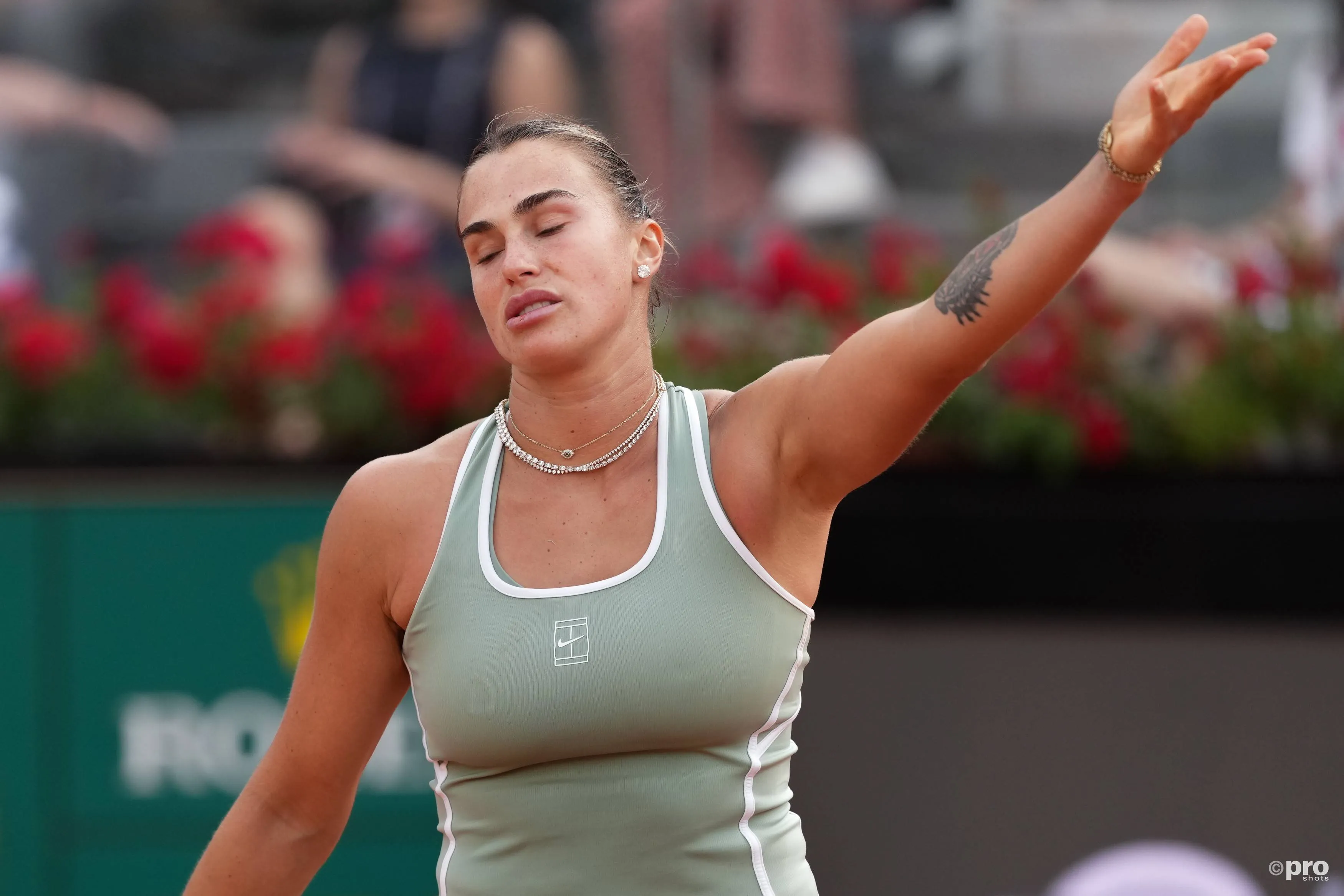
Sabalenka’s explanation of the defeat begins with the second set, which she identifies as the structural turning point of the match. Her language is extended, reflective, and self-critical, rather than fragmented into short answers. “I had very decent opportunities in the second set,” the world No. 1 said in the press conference. “I screwed up, and then she stepped in and she played great."
“I felt like mentally I couldn’t really recover after the second set. I think that was the mistake for me. I don’t know when was the last time that happened to me, that I lost ten games in a row. I guess mentally I got into a very deep, deep dark hole over there, and I just couldn’t get back on track mentally.”

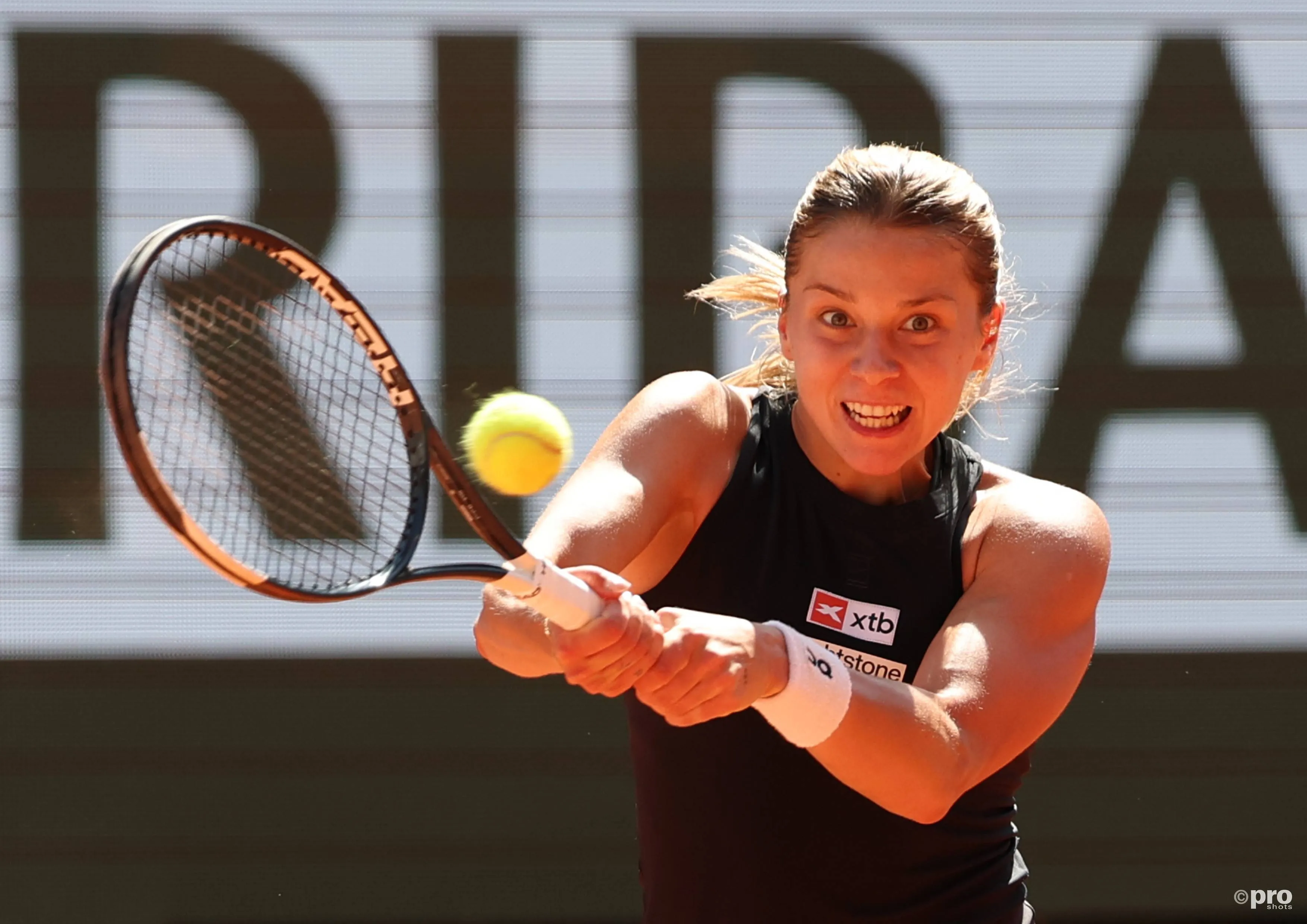
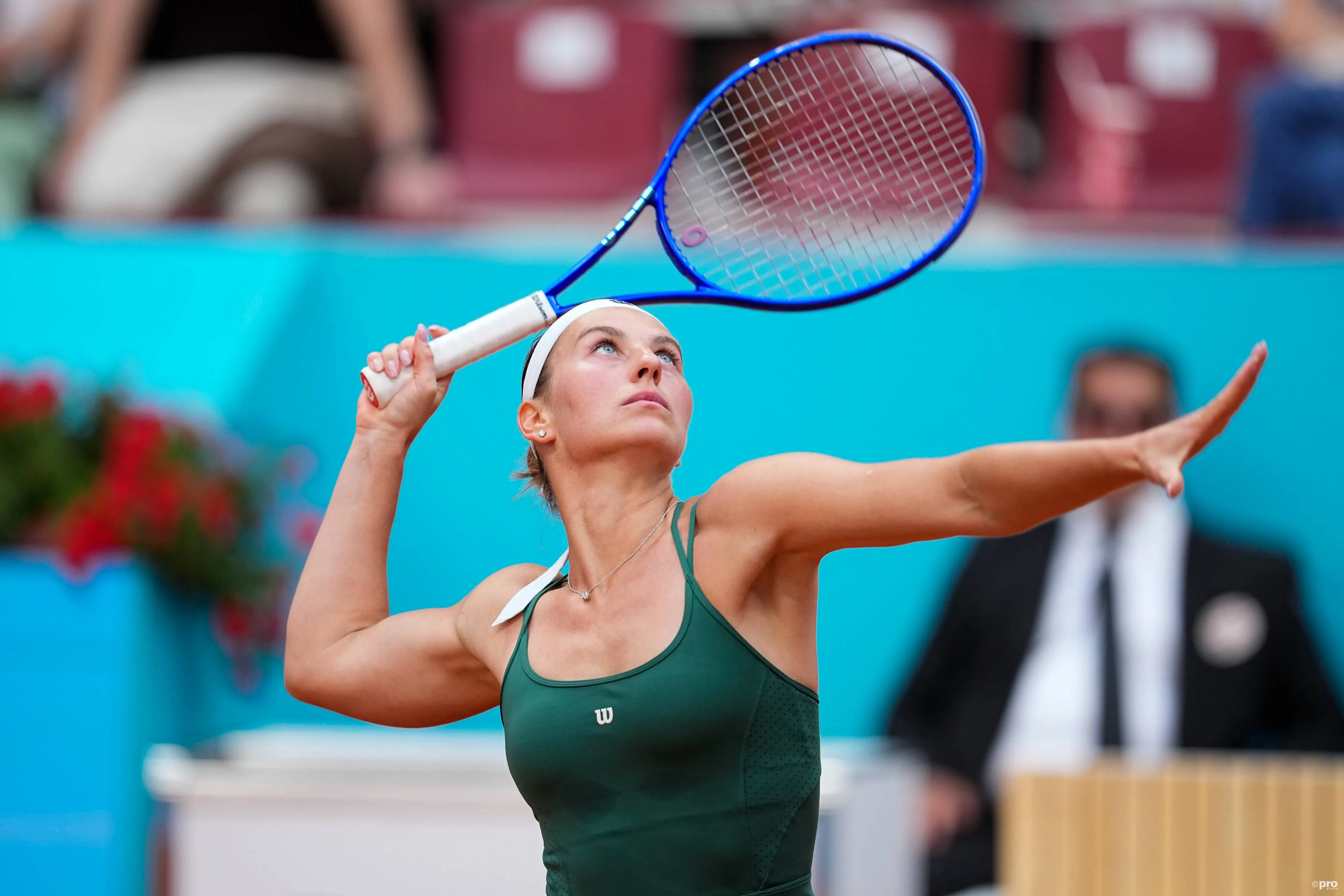
Aryna Sabalenka during her match at Roland Garros 2026
The key element in her analysis is not technical decline but psychological inertia once momentum shifted. She repeatedly returns to the idea that recovery did not occur once control was lost. The phrasing “deep, deep dark hole” is central to her interpretation of the collapse, suggesting not a brief lapse but a sustained inability to reset competitive rhythm.
“I don’t know why they would keep the roof open”
Sabalenka also addressed external conditions, particularly the decision to keep the roof open during windy play, although she did not present this as justification for the loss. Instead, she described it as a contributing factor to inconsistency during phases of the match.
“That’s another question – I don’t know why they would keep the roof open when it was crazy windy. But how can I complain if for almost the whole match everything was working okay for me, and then it just slipped away? I remember even from last year they kept the roof open for us, and then the next day, in similar conditions, they closed it for the men – to make better conditions and better quality of tennis, I believe.”
Read also
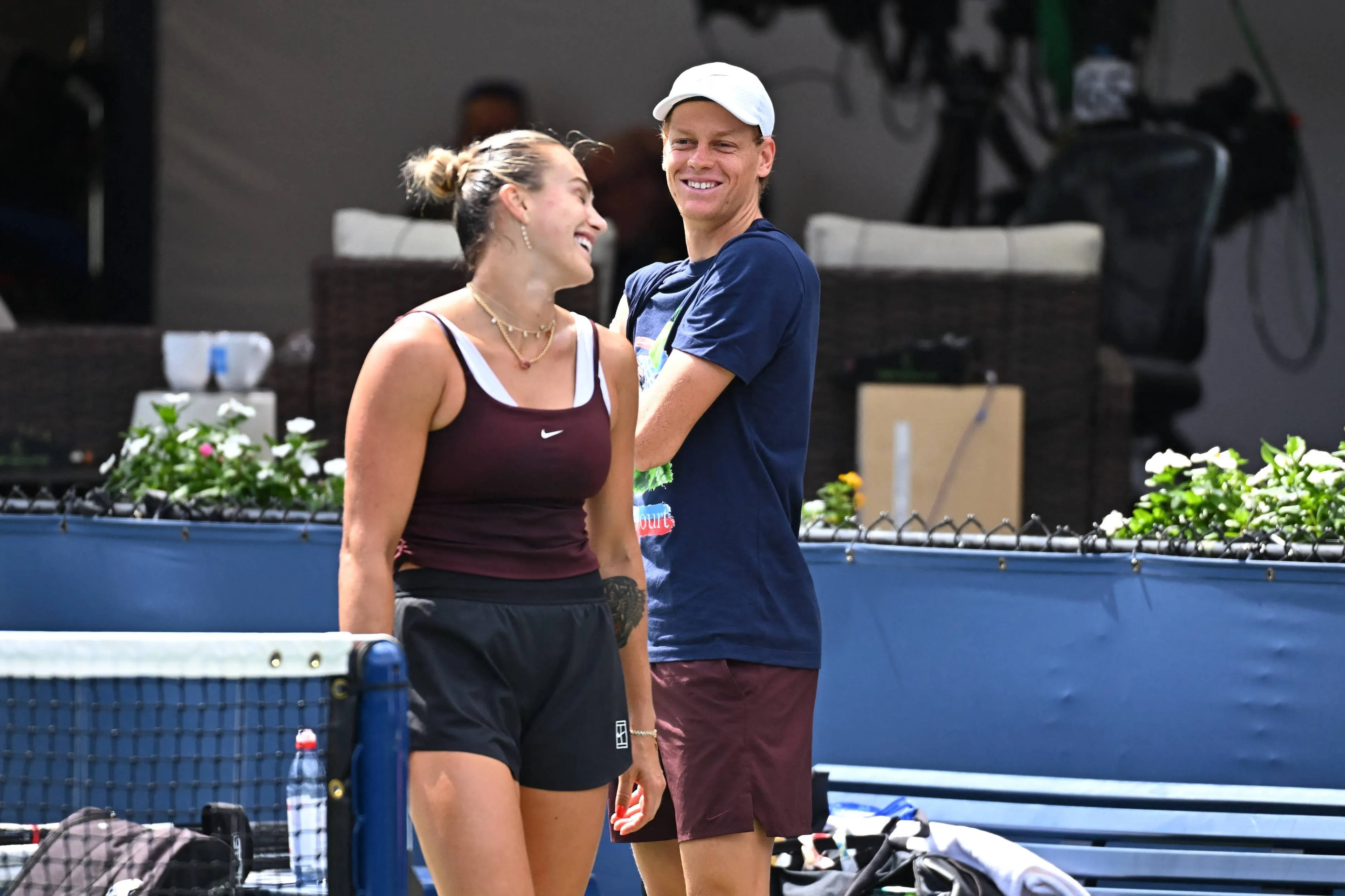
Her comment combines critique with self-limitation: she raises the issue but immediately re-centres responsibility on her own inability to maintain control once conditions became more disruptive.
She also reframes the quality of play during the collapse phase, describing it as unstable and increasingly chaotic once momentum turned. “Even though I was winning, it was very dirty tennis. I don’t know how people could actually sit there and watch,” the world No. 1 added. “And then at some point she stepped in and played unbelievable.”
Overthinking, pressure and psychological loop
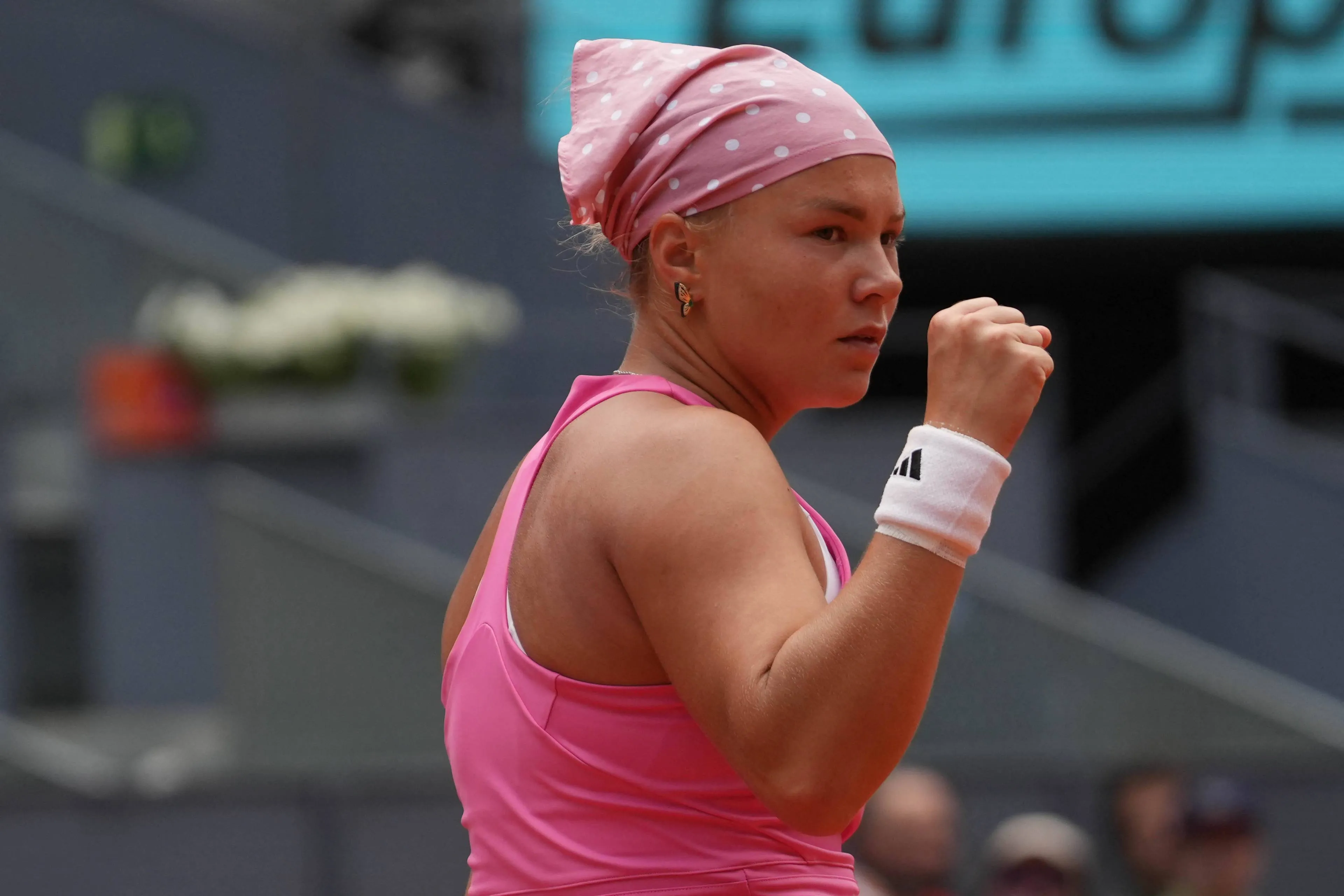
A central theme in Sabalenka’s reflection is the role of mental overprocessing in key moments, particularly in relation to Grand Slam expectations on surfaces where she has not yet won a title. She links this directly to emotional instability during matches.
“I really feel great on clay, I feel great on grass. Maybe I’m focusing too much on the fact that I’ve never won a Slam on them, and maybe that makes me overthink things, makes me over-emotional at some moments. This is something I actually have to step back from and try to find a solution, because I’m so tired of losing like this – not in the best way, just because I was over-emotional.”
“I think it’s a combination of everything. You overthink, then you make easy mistakes, then you miss opportunities — and on the other side she’s stepping in and starting to play more aggressively, more free, kind of fearless. Sometimes it’s really tough to hold the pressure and put it back on her.”
When asked how she would bounce back from this difficult defeat, Sabalenka was honest in her response. The Belarusian said: “I honestly don’t know. I guess I don’t know,” said the 28-year-old. “Well, what doesn’t kill us makes us stronger, I guess. At some point I’ll figure out the situation and we’ll get back tougher.”

claps 0visitors 0
Just In
Popular News
Latest Comments
- Priorities, Priorities, Priorities
 mandoist04-06-2026
 - For many (last season) the 'cracks' in her mental & physical game were gradually showing. Not every athlete can maintain their anti-Social Media appearances and Selfies in balance with their sport fitness.mandoist04-06-2026
- Time for Kostyuk to stop the nonsense by pretending to be The Saviour of her country. She is not.mandoist04-06-2026
- Haha.
 MrAndreeva04-06-2026
 - Pathetic -- both for her and especially The Sport of Tennis. Wealthy bored people with hopelessly inflated EGO's need to settle for a Hobby. Stop interfering with promising young players' rights to compete!!mandoist01-06-2026
- With the non-stop back-to-back WTA tourneys how does one find time for enlargements?mandoist01-06-2026
- People like Tiafoe, who lose sight of their roots, need to be reminded of who they once were! It's almost too late...mandoist31-05-2026
- She gonna dress like a Tennis Player or Minnie Mouse this time? Unserious brain.mandoist31-05-2026
- "...that way I can talk through my clothes" Wow! Ironically 'mentality' is mentioned in this needless article. Geez.mandoist27-05-2026
- I did the common sense thing... turned it off.mandoist27-05-2026

Loading