“I have paid a cartel to have you killed”: Spanish Billie Jean King Cup player reveals online abuse after match defeat
WTA
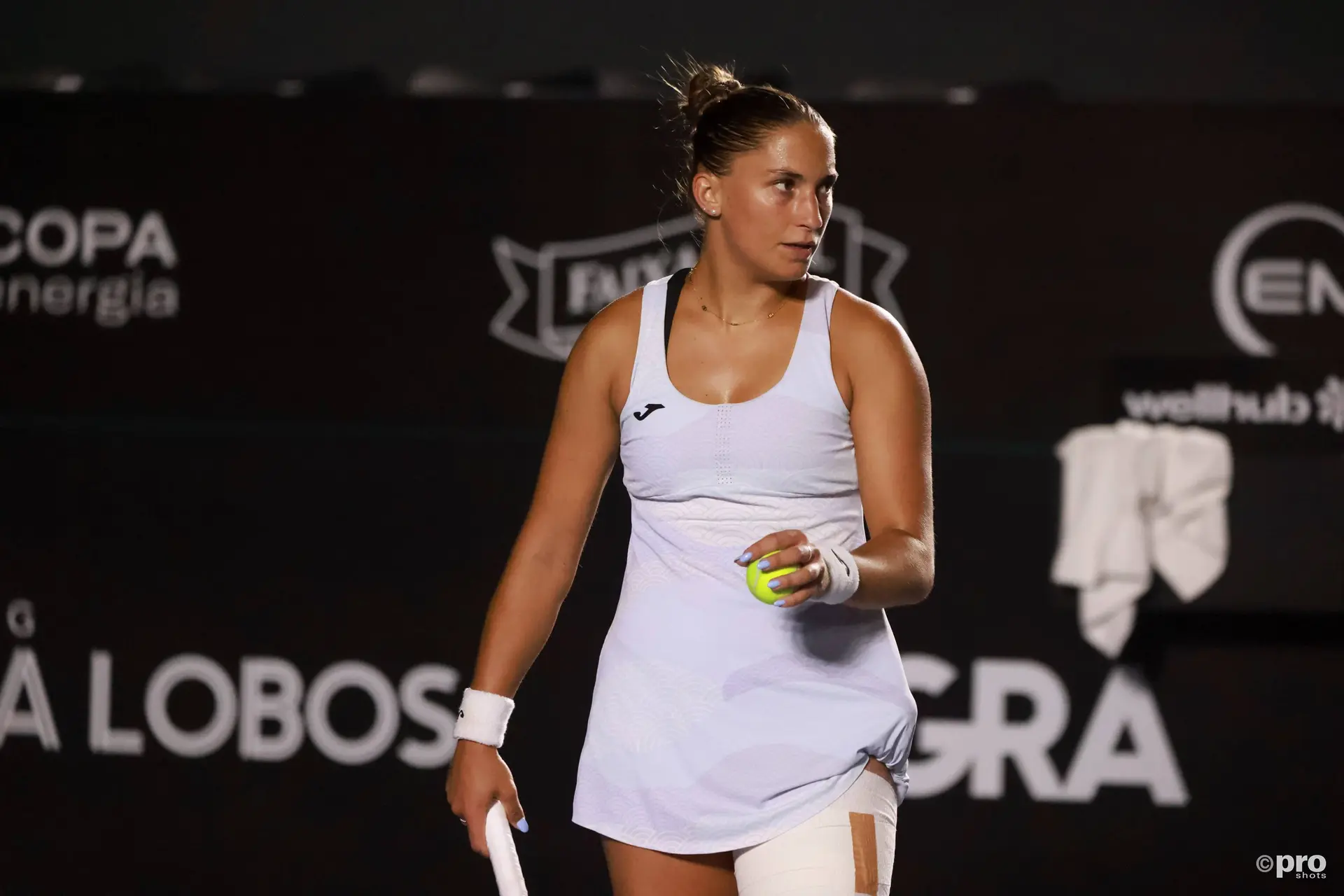
The Spanish tennis player Marina Bassols Ribera has denounced on social media the abuse she received after losing her most recent match. The 26-year-old shared via her Instagram stories a series of messages sent by a user from a fake account, including explicit death threats following her defeat in Bogotá qualifying.
Bassols, currently ranked outside the top 200 but a former world No. 105, had recently competed on the WTA 250 circuit in Colombia after a series of results across ITF and WTA 125 events. Her loss triggered a wave of messages that quickly escalated beyond insults into direct threats.
The messages, translated from Spanish, included references to violence, tracking her location and explicit intent to harm. They follow a pattern increasingly reported across professional tennis, particularly involving players competing outside the main tour spotlight.
Bassols also indicated that the situation did not stop with a single exchange, but continued to intensify over time, highlighting a recurring issue for players exposed to online abuse after match outcomes.
A pattern linked to betting and lower-tier exposure
The messages directed at Bassols mirror a pattern identified by multiple players in recent seasons, where losses—particularly in qualifying or lower-tier events—trigger immediate backlash from anonymous accounts. These accounts are often associated with frustrated bettors reacting to unexpected results, a dynamic that has grown alongside the expansion of live betting markets in tennis.
Players competing in WTA 125 or ITF events tend to be more vulnerable due to lower media visibility and fewer protective mechanisms. Bassols, who won two WTA 125 titles in 2023 and made her Grand Slam main-draw debut at the US Open in 2024, fits the profile of a player operating across different competitive levels, where such exposure is frequent.
The language used in the messages she received reflects the escalation commonly seen in these cases, moving from insults to threats in a short span of time.
“Get a good life insurance and a good lawyer because I will kill you when you get home.”
“You are dead!!! Be careful where you step.”
“I have paid a cartel to have you killed.”
“You are a wh***.”
Similar cases across the WTA Tour
Bassols’ case aligns with a series of documented incidents in recent seasons involving direct abuse following match results. During the 2024 US Open, Caroline Garcia publicly shared screenshots of messages she received after a loss, including insults tied to betting losses and personal attacks. She described the volume of abuse as “toxic” and called for stronger moderation, noting that players are routinely exposed to such messages immediately after matches.
Katie Boulter also addressed the issue in 2024, explaining that abusive messages had become a recurring part of her experience on tour. She identified bettors as a primary source, stating that messages often arrive “within seconds” of a match ending and frequently include threats or aggressive language linked to lost wagers.
Other players competing across ITF and WTA 125 events have reported similar patterns, particularly in matches with significant betting activity despite lower rankings. The consistency of these incidents across different tournaments and levels suggests a structural issue tied to the sport’s integration with real-time betting markets.
Bassols added that the harassment did not stop after the initial messages, suggesting a sustained pattern rather than an isolated incident.
“The situation continues… and worse.”

Cristhián AvilaTennis Journalist
Cristhián Ávila is a tennis journalist based in Santiago, Chile, and has been part of the TennisUpToDate team since early 2023. He covers the ATP and WTA Tours as well as all four Grand Slams, producing breaking news, match reports, analysis, and regular liveblogs from major tournaments.
His reporting combines statistical analysis with clear explanation, helping readers understand tactical developments, player form, and broader storylines across the tour. Working fluently in both Spanish and English, Cristhián collaborates with an international editorial team and contributes to comprehensive global coverage. As part of his work, he has conducted interviews and media interactions with leading figures in the sport, including Caroline Wozniacki and John McEnroe.
In his journalism, Cristhián places strong emphasis on careful sourcing, editorial accuracy, and updating articles promptly when new, verified information becomes available. His coverage is grounded in research, context, and direct engagement with professional tennis.
claps 0visitors 0
Just In


Popular News



Latest Comments
- Does Sinner need that 4.5 mil? I doubt it. He can make that with three modelling gigs!😅🤣Rapunzel21-10-2026
- Did "People Magazine" purchase this website? This nonstop storyline is bullshit.
 mandoist21-10-2026
 - Listen... this is of no concern to anyone but these two. Deal with your own issues -- most of us have our own. Thanks, media, for these insignificant follow-ups which are meaningless.mandoist21-10-2026
- This is so very very sad, for all three of them. I truly thought they had an unbreakable bond, but life throws up so many differing challenges. Having your homeland suffering in such a terrible way, makes happiness lose out to guilt as well. Our thoughts are with them. X💔bjsexton20-10-2026
- I have lost all respect for Svitolina! Could she not have waited until he had played at the Paris Masters!!! She is selfish and don't give a damn about Gael. That is NOT how love is demonstrated Elina!!Rapunzel19-10-2026
- Perhaps convenient tennis tour sex is not a strong enough experience in which to base a marriage?mandoist19-10-2026
- Fight the Good Fight... Tennis (sports in general) need more Humans such as yourself.mandoist18-10-2026
- When is WTA going to mandate Genetic Testing (DNA) ???mandoist18-10-2026
- Hey, Dan... you just wake up from a coma? Regardless -- Thanks for the comedy this morning!mandoist18-10-2026
- Two Things: 1. Stop allowing these Spoiled Trust-Fund Elitists to behave badly. Your little hand-slaps do not deter them. 2. STOP the incessantly annoying "towel wiping" nonsense!!!!mandoist15-10-2026

Loading

