“Absurd punishment”: John McEnroe questions fairness of €65,000 fine after Vallejo umpire controversy
ATP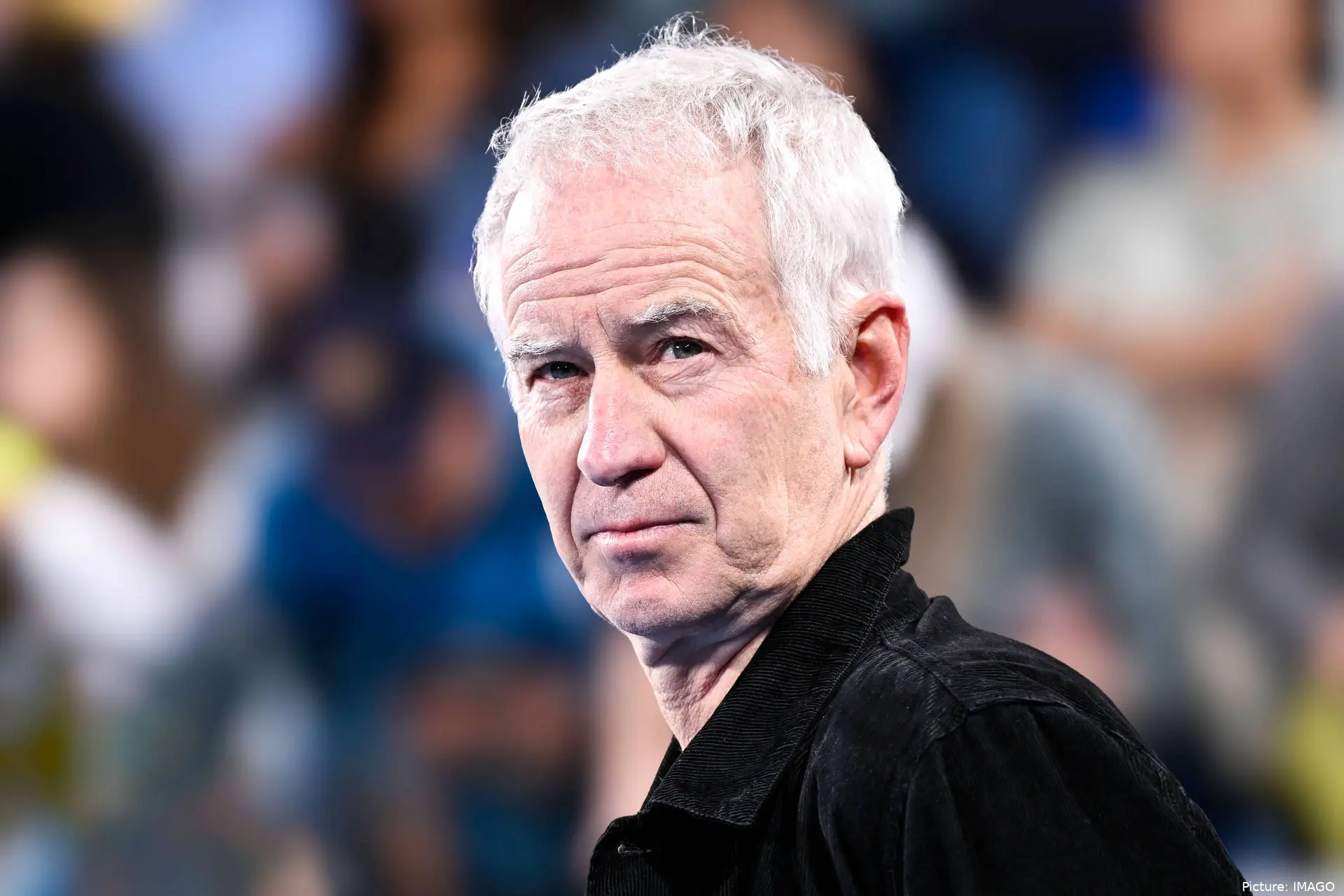
John McEnroe delivered a direct critique of the €65,000 sanction imposed on Adolfo Daniel Vallejo following his post-match remarks at Roland Garros. Speaking on TNT Sports, the former world No. 1 questioned both the proportionality and contextual framing of the disciplinary decision.
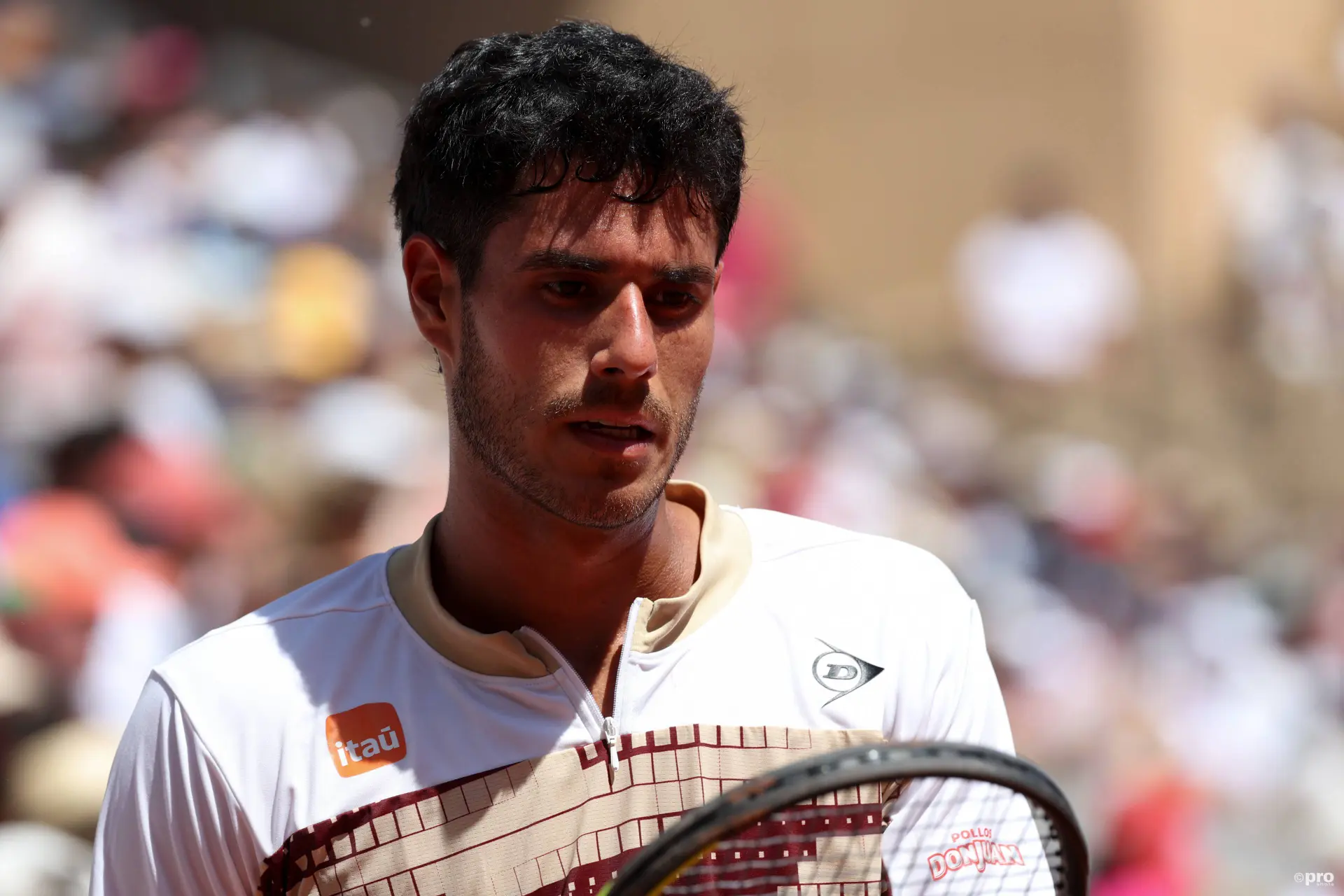
The case originates from comments made after Vallejo’s five-set defeat to Moise Kouame. In post-match remarks, he suggested that officiating in high-pressure environments required specific attributes, stating that matches “has to be refereed by a man” in reference to crowd intensity.
Tournament authorities issued a €65,000 fine for breach of conduct regulations. The sanction has since become one of the most discussed disciplinary decisions of this Roland Garros edition, particularly due to its scale relative to the player’s ranking and earning profile.
McEnroe’s reaction centred on proportionality, linguistic context, and the structural gap between elite and lower-ranked players on the professional circuit.
McEnroe questions proportionality and financial calibration
McEnroe immediately challenged the size of the sanction, arguing that the financial penalty was misaligned with both the severity of the statement and the economic reality of the player involved. His comments focused on consistency in disciplinary thresholds across the tour.
“Here’s the thing: €65,000 to say something asinine? That seems absurd! I can $5000, maybe $10,000.”
He expanded the argument by highlighting the disparity between top-tier earnings and players outside the elite bracket, suggesting that the same fine carries fundamentally different weight depending on ranking and income level.
“This guy, he doesn’t make the type of money. For this guy to walk out, he’s obviously stupid, but that is a big time fine.”
McEnroe also introduced a mitigating factor related to communication and interpretation, pointing to language limitations as relevant context in assessing intent. “It’s his second language," the 7-time Grand Slam champion added. "He’s not a natural English speaker. He speaks Spanish. You’ve got to cut the guy a little slack.”

McEnroe expands argument with elite earnings and behavioural context
McEnroe broadened his analysis by contrasting Vallejo’s situation with the financial scale of top players, arguing that public and institutional reactions often shift depending on a player’s status within the sport.
“He is obviously not married first of all! But here is the thing: $65,000 to say something asinine. That seems absurd! I can see $5,000, maybe $10,000. But this guy doesn’t make the type of money which Naomi Osaka does.”
He also referenced broader debates around player pressure and earnings at the elite level, using past commentary on high-profile players to illustrate how perception changes with success and income.
“I remember when she didn’t know if she wanted to play and I said ‘it’s tough making $70 million a year, I don’t know how she does it’.”
McEnroe concluded that competitive success often reduces external empathy for player struggles, while also reinforcing stricter expectations on conduct and communication.
“So in a way the better you get the less sympathy you have for some of these issues. But for this guy, it’s obviously stupid, but that is a big time fine!”

Roland Garros disciplinary scrutiny and broader implications
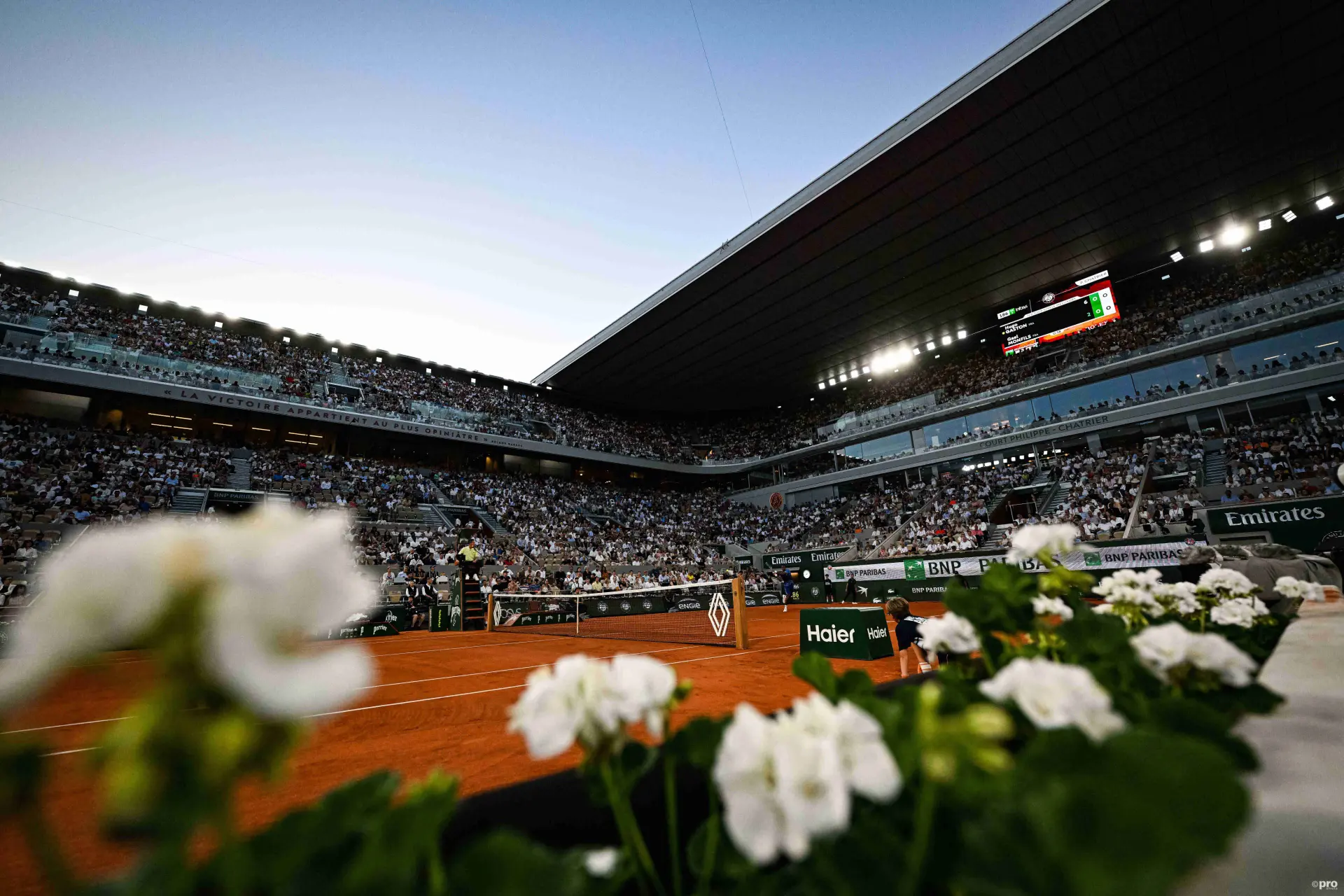
The sanction imposed on Vallejo has added to a wider pattern of disciplinary debate at Roland Garros, where multiple off-court incidents have influenced the broader narrative of the tournament. The €65,000 fine has been widely discussed as a high-end application of conduct enforcement.
Vallejo’s original remarks, made after his defeat to Kouame, directly linked officiating suitability to crowd pressure dynamics, prompting immediate regulatory review under Grand Slam code-of-conduct standards. “It has to be refereed by a man, because it’s a very demanding crowd and you need a lot of strength to go against the crowd,”
McEnroe’s intervention reframed the debate around proportionality and context rather than solely content, adding pressure to ongoing discussions about consistency in disciplinary frameworks across tennis governance structures.

Cristhián AvilaTennis Journalist
Cristhián Ávila is a tennis journalist based in Santiago, Chile, and has been part of the TennisUpToDate team since early 2023. He covers the ATP and WTA Tours as well as all four Grand Slams, producing breaking news, match reports, analysis, and regular liveblogs from major tournaments.
His reporting combines statistical analysis with clear explanation, helping readers understand tactical developments, player form, and broader storylines across the tour. Working fluently in both Spanish and English, Cristhián collaborates with an international editorial team and contributes to comprehensive global coverage. As part of his work, he has conducted interviews and media interactions with leading figures in the sport, including Caroline Wozniacki and John McEnroe.
In his journalism, Cristhián places strong emphasis on careful sourcing, editorial accuracy, and updating articles promptly when new, verified information becomes available. His coverage is grounded in research, context, and direct engagement with professional tennis.
claps 1visitors 1
Just In


Popular News

Latest Comments
- Does Sinner need that 4.5 mil? I doubt it. He can make that with three modelling gigs!😅🤣Rapunzel21-10-2026
- Did "People Magazine" purchase this website? This nonstop storyline is bullshit.
 mandoist21-10-2026
 - Listen... this is of no concern to anyone but these two. Deal with your own issues -- most of us have our own. Thanks, media, for these insignificant follow-ups which are meaningless.mandoist21-10-2026
- This is so very very sad, for all three of them. I truly thought they had an unbreakable bond, but life throws up so many differing challenges. Having your homeland suffering in such a terrible way, makes happiness lose out to guilt as well. Our thoughts are with them. X💔bjsexton20-10-2026
- I have lost all respect for Svitolina! Could she not have waited until he had played at the Paris Masters!!! She is selfish and don't give a damn about Gael. That is NOT how love is demonstrated Elina!!Rapunzel19-10-2026
- Perhaps convenient tennis tour sex is not a strong enough experience in which to base a marriage?mandoist19-10-2026
- Fight the Good Fight... Tennis (sports in general) need more Humans such as yourself.mandoist18-10-2026
- When is WTA going to mandate Genetic Testing (DNA) ???mandoist18-10-2026
- Hey, Dan... you just wake up from a coma? Regardless -- Thanks for the comedy this morning!mandoist18-10-2026
- Two Things: 1. Stop allowing these Spoiled Trust-Fund Elitists to behave badly. Your little hand-slaps do not deter them. 2. STOP the incessantly annoying "towel wiping" nonsense!!!!mandoist15-10-2026

Loading