"I play matches with painkillers, I’ve had injections, and I think, is this healthy?": Paula Badosa confirms true toll of injuries and nearly walking away from tennis
WTA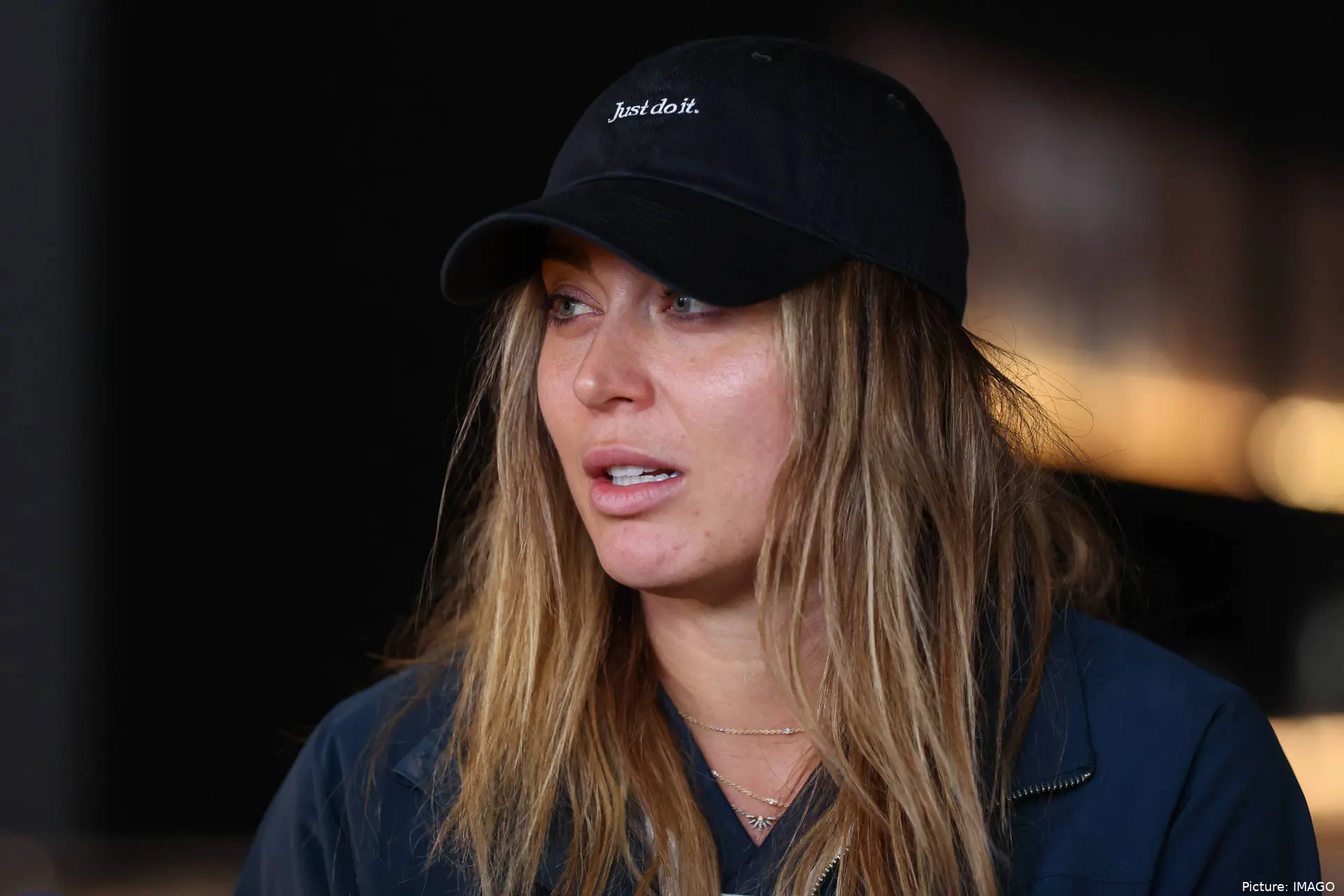
Paula Badosa has been through one of the most challenging periods of her career over the past year and a half, a stretch defined by injuries, uncertainty, and a deep process of personal reflection.
Speaking with Caroline Garcia and Borja Duran for Tennis Insider Club, the Spaniard opened up about her struggles, her evolving perspective on tennis, and how life beyond the sport has helped reshape her mindset. Badosa will play this week at the Madrid Open.
“A lot of things have happened and changed,” Badosa admitted. “I went through a lot this last year and a half, but I’m okay. I’m getting there. I’m fighting through a lot of things, but I’m here for now.”
That sense of resilience comes in contrast to how promising things once looked. After finishing a previous season strongly, she entered the new year in Australia feeling ready, both physically and mentally. “I started the year really well in Australia and I was feeling very, very well. Mentally, I was ready,” she said. “But sometimes in life there are things you cannot control, and that happened to me again.”
Injuries have been the defining obstacle. A back issue in Miami proved particularly disruptive. “It was an area in my back that was touching the nerve, so it was very tough even for my personal life,” she explained. True to her competitive nature, Badosa opted for quick solutions. “I went through injections because I don’t have a lot of patience. I want to do it the fast way because I love to compete.”
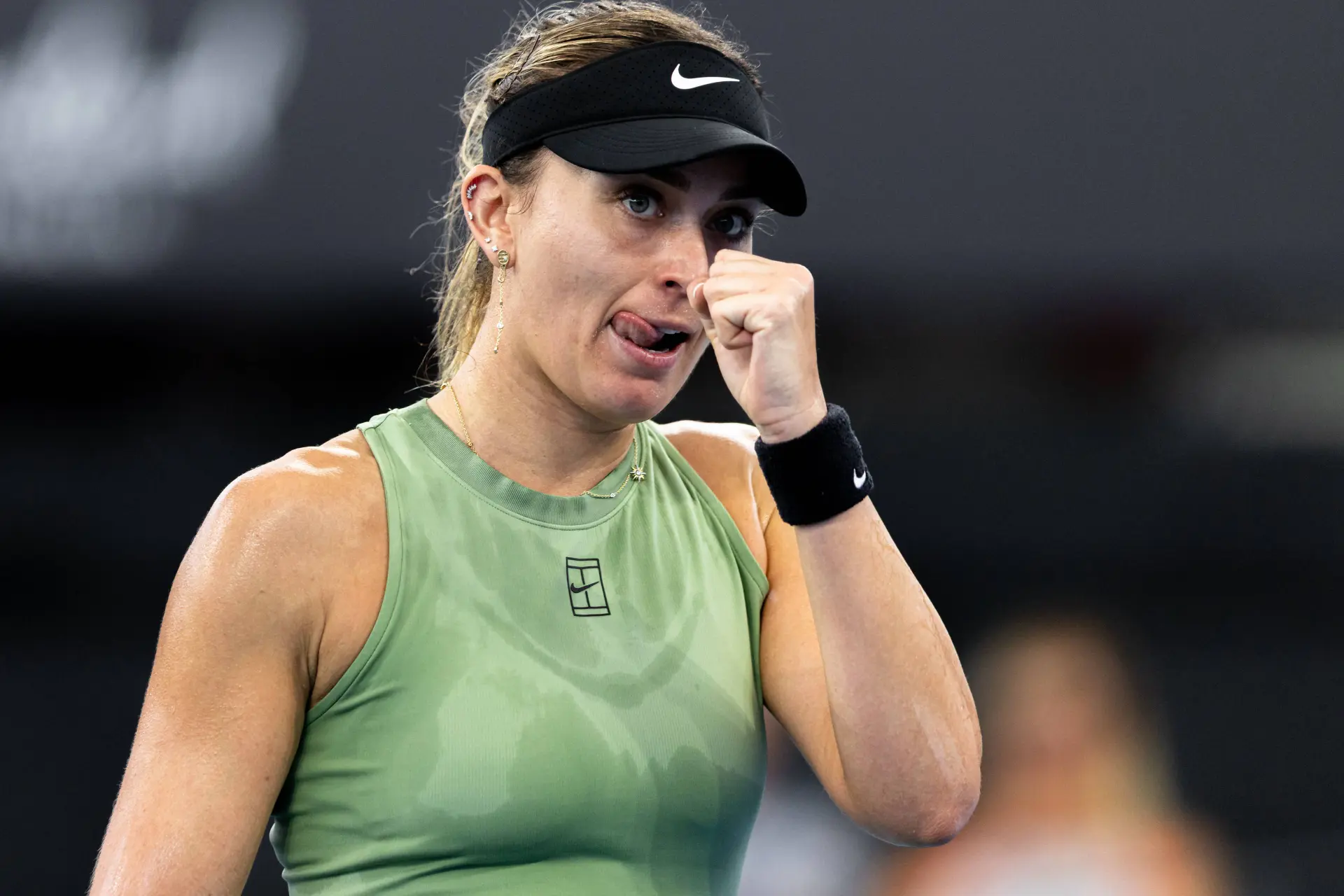
While that approach offered temporary relief, more problems followed. “I tore my psoas, it was touching the tendon, and then my labrum also broke,” she said. “There are players who have hip issues and are asymptomatic, but in my case I feel it constantly.”
The physical setbacks have had a direct impact on her tennis identity. Known for constructing points with patience, Badosa has been forced to adapt her style to protect her body. “I like to build the point, but now I’m going a little bit faster because I’m like, let me play fast so I can recover better,” she explained. “Sometimes I feel a bit lost in my identity.”
That internal conflict has made matches as much a mental battle as a physical one. “You know what you’re capable of, but you’re not at that level,” she said. “And when you add the body issues, it’s too many things. Tennis is about keeping things simple, but when everything becomes complicated, it’s worse.”
Life away from tennis
Confidence, inevitably, has suffered. “Even if you’re out because of an injury, when you come back you feel it, you’re not the same, you make more unforced errors,” she said. “I’m trying to find the balance. Sometimes I want to go back to how I played before, but then I’m in pain everywhere. So I think maybe I should shorten the points.”
Despite the difficulties, time away from the tour brought unexpected positives. For the first time, Badosa truly prioritized herself. “I think it was the first time I did things for me,” she said. “I also went through personal things that weren’t easy, but I found my inner self a bit more.”
Exploring life beyond tennis proved transformative. She invested time in her jewelry line and other business ventures, while also building relationships outside the sport. “I always said I wanted to be more than a tennis player,” she explained. “When I wasn’t playing, I was feeling depressed and anxious. It’s a very lonely life, so I tried to build other relationships.”
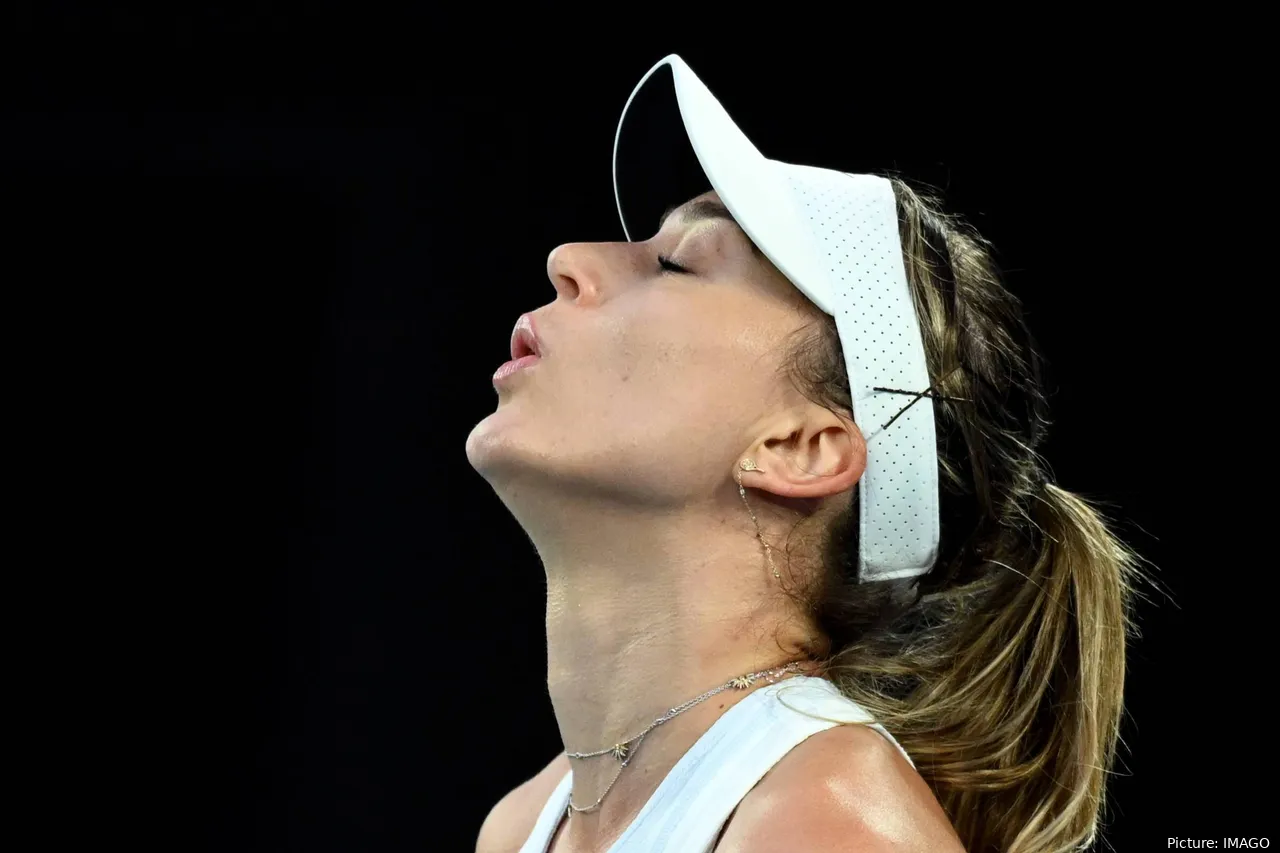
Paula Badosa admits she wonders how long her career will last every year.
Living in Dubai for several years, she finally had the opportunity to experience the city more fully. “I met people from other industries, and it was very nice for me,” she said. That broader perspective has since changed how she views the tour.
Returning to competition, Badosa has become more aware of the intense atmosphere that surrounds professional tennis. “You feel the energy,” she said. “Everyone is tight. Even on practice days or days off, you feel nervous just being there.”
Interactions between players, she noted, often lack warmth. “Of course people say hello, but it’s cold. It’s not a real relationship,” she explained. “I’m very empathetic, so I feel that energy. Now I try to stay away more, just do my training and leave.”
The source of that tension, in her view, lies in how much is at stake emotionally. “We see every match like it’s our life in that moment,” she said. “Losing hurts so much, and sometimes you feel like the competition defines you as a person.”
That mindset, she believes, is particularly prevalent in women’s tennis. “We put everything there, and that’s something I’ve been working on,” she said. “It’s very unhealthy.”
Watching from a distance has only reinforced that realization. “Sometimes I have to change the channel because I’m suffering with them,” she admitted. “You know how they are feeling, and it feels sad because, yes, it’s important, but it’s still just tennis.”
Badosa has been candid about her own struggles with this mentality. “If I miss a forehand, I feel like I’m a bad person, which has nothing to do with it,” she said. “We grew up like this, if you don’t win, you’re not worth it.”
Breaking that pattern has proven difficult, even after years of effort. “I’ve been working on it for a long time and I still fall into the same trap,” she said. “But for the rest of my career, whether it’s five years or one month, I want to achieve things without bringing everything back personally.”
Adjustments have also been made in her preparation. Physically, her training has shifted significantly. “I changed completely the way I approach fitness,” she explained. “I do a lot of prevention now, every day, because of the injuries.”
Playing with injections and painkillers
On the court, however, change is more gradual. “It’s difficult at this stage to change your habits,” she said. “We’re trying to add small things, but it’s not easy.” Technically, only minor tweaks have been made, mainly on her serve. “Changing things is very hard, especially now when everyone plays so fast,” she added. “And tennis doesn’t reward patience. You try something new and your ranking drops.”
Outside the sport, though, she has found genuine fulfillment. “I love doing different things,” she said. “It made me realize I’m more than a tennis player. It helped my self-esteem and made me feel more independent.”

That sense of identity beyond tennis has inevitably led to moments of doubt about continuing her career, particularly given the physical toll. “I play matches with painkillers, I’ve had injections, and I think, is this healthy?” she admitted.
Yet her passion for the sport remains strong. “I love it so much,” she said. “So I always say, let’s try one more time.”
It is a familiar pattern. “Last year I said the next one would be my last chance, but then I tried again,” she revealed. “It’s always one more.”
For now, that is enough. But Badosa is also aware that the moment will come when she decides otherwise. “One day, I’ll say no more,” she said.

Samuel GillEditor-in-Chief
Samuel Gill is the Chief Content Officer (CCO) of TennisUpToDate.com, a role he has held since 2020. He is responsible for editorial governance across the platform, including setting content standards, overseeing accuracy and consistency, and guiding long-term editorial strategy. Since joining, he has contributed more than 10,000 articles and editorial pieces across the TennisUpToDate network, playing a central role in the daily operation and development of the site.
Based in Leicester, Samuel has a broad background in tennis media. In his current role, he works closely with editors and writers to ensure coverage meets clear journalistic standards, with particular attention to verification, consistency, and timely updates when new information becomes available.
claps 0visitors 0
Just In


Popular News


Latest Comments
- Does Sinner need that 4.5 mil? I doubt it. He can make that with three modelling gigs!😅🤣Rapunzel21-10-2026
- Did "People Magazine" purchase this website? This nonstop storyline is bullshit.
 mandoist21-10-2026
 - Listen... this is of no concern to anyone but these two. Deal with your own issues -- most of us have our own. Thanks, media, for these insignificant follow-ups which are meaningless.mandoist21-10-2026
- This is so very very sad, for all three of them. I truly thought they had an unbreakable bond, but life throws up so many differing challenges. Having your homeland suffering in such a terrible way, makes happiness lose out to guilt as well. Our thoughts are with them. X💔bjsexton20-10-2026
- I have lost all respect for Svitolina! Could she not have waited until he had played at the Paris Masters!!! She is selfish and don't give a damn about Gael. That is NOT how love is demonstrated Elina!!Rapunzel19-10-2026
- Perhaps convenient tennis tour sex is not a strong enough experience in which to base a marriage?mandoist19-10-2026
- Fight the Good Fight... Tennis (sports in general) need more Humans such as yourself.mandoist18-10-2026
- When is WTA going to mandate Genetic Testing (DNA) ???mandoist18-10-2026
- Hey, Dan... you just wake up from a coma? Regardless -- Thanks for the comedy this morning!mandoist18-10-2026
- Two Things: 1. Stop allowing these Spoiled Trust-Fund Elitists to behave badly. Your little hand-slaps do not deter them. 2. STOP the incessantly annoying "towel wiping" nonsense!!!!mandoist15-10-2026

Loading