“I had only one real friend on Tour”: Former world No. 1 Justine Henin admits loneliness on the tennis
WTA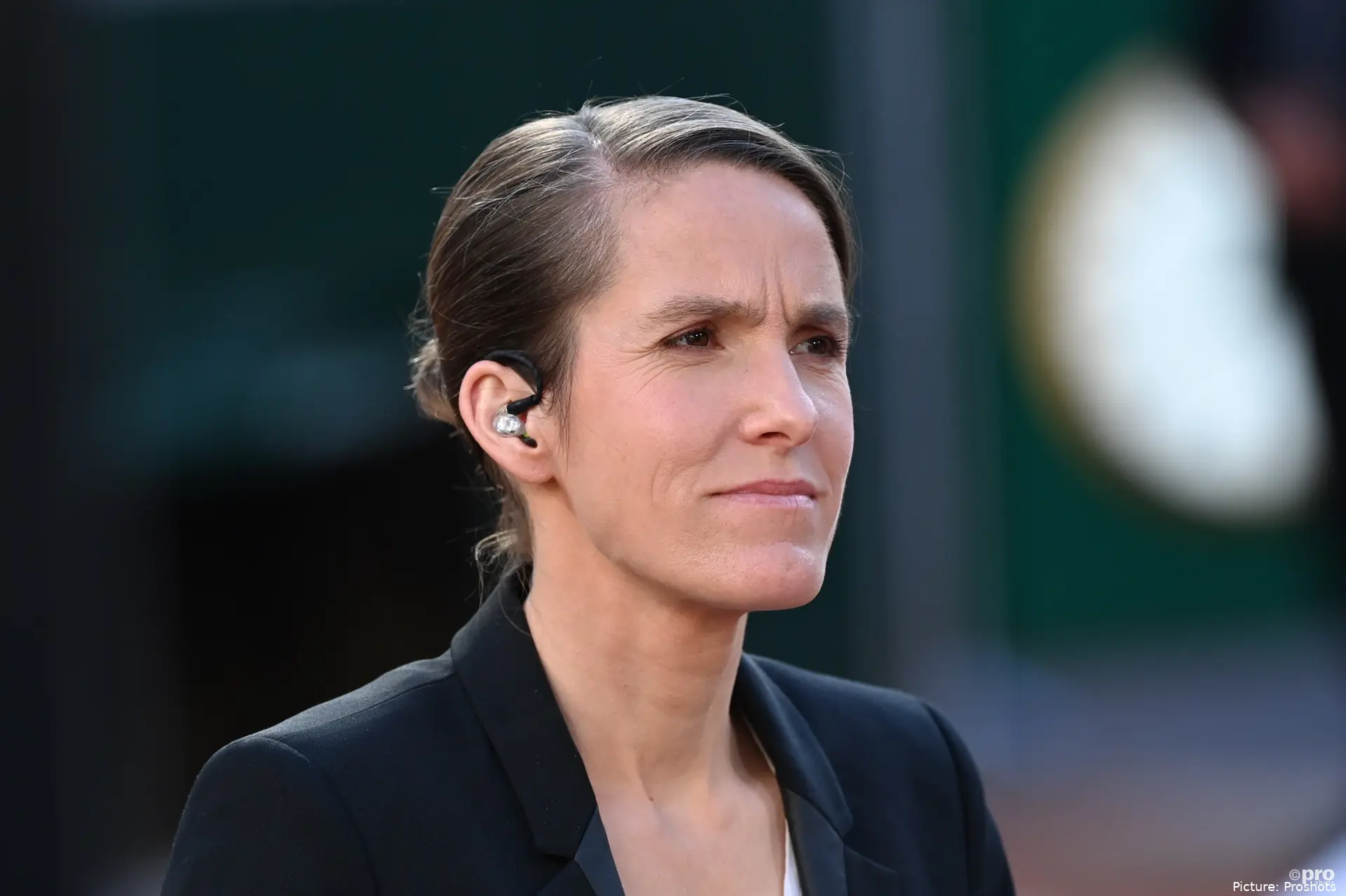
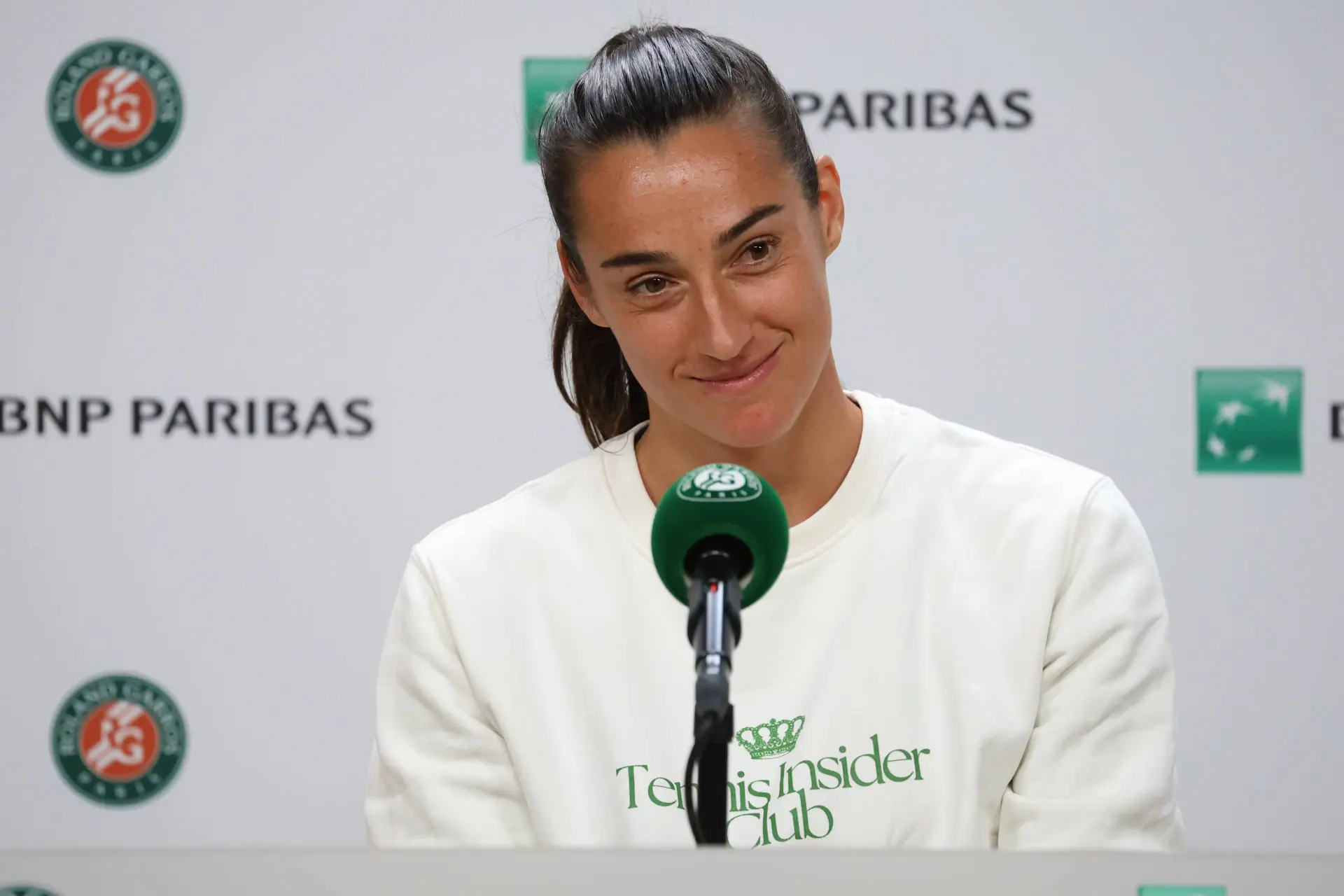
Justine Henin is remembered as one of the fiercest competitors women’s tennis has ever seen—a former world No. 1 with seven Grand Slam titles, including four French Opens, two US Opens, and one Australian Open. Yet behind the elegant one-handed backhand and the iron will, Henin admits there was also isolation. “People said I was cold,” she recalled in a candid conversation on Tennis Insider Club, Caroline Garcia’s podcast. “But I completely assumed it. I couldn’t deal with the social life, being nice to everyone and giving my time to everyone. I was there to play tennis, to do the job.”
The Belgian champion explained that creating a bubble was her way of surviving the relentless demands of life on tour. “I was where I wanted to be—it was my dream,” she said. “But when I arrived, of course there was a lot of pressure. It was an amazing challenge to deal with that. For me, shutting things out was positive. I was focused on what mattered.”
Henin’s career was full of glittering achievements—117 weeks as world No. 1, a 41-title haul, and Olympic gold in Athens 2004—but few friendships. “Nathalie Dechy was my only real friend on tour,” she admitted. “I wasn’t looking for many, but I did need one. Otherwise, it can be very lonely.” In a sport where players spend much of their lives traveling, training, and competing against one another, she acknowledged the cost of her single-minded drive.
Her coach, Carlos Rodriguez, reinforced that focus. “He was very clear: what do we want to do, who do we want to be? For us, tennis and the goals were more important than making more money. He also told me: when you read an article, positive or negative, you lose a set. It was mathematics—and he was right. So I stopped reading the press.”
“Life is very, very good after tennis”
If Henin struggled with loneliness during her playing days, retirement brought her a chance to reconnect with the simpler joys she once missed. “As I said the other day, life is very, very good after tennis,” she smiled. “Even if we remain into it, I can use my experience in so many ways without being under the lights. I really appreciate now being at home, living with simple things. Good family life—you don’t need that much to be happy and satisfied.”
Her two children are central to that happiness. Her son, now eight, has been playing tennis for three years, but Henin insists on staying away from the role of coach. “Two years ago I tried to give him advice—he was six,” she laughed. “He stopped me and said, ‘Mom, it’s way too long, you forgot everything. My coach is Guillaume.’ And I understood immediately.”
Even though she knows the game better than most, Henin sees the parent’s role differently. “Of course I know a lot about tennis and I want to share, but I’m not going to share it the right way because I have the emotions of a mom,” she explained. “Tennis is so hard—you are alone on the court. When you see your kid at that age, you need to take the distance and say, this is amazing for him, he’s going to have to find the solutions by himself.”
She doesn’t dismiss the possibility of her son following in her footsteps, but she is careful not to project her path onto him. “I wouldn’t say I don’t want him to be a pro, but it’s not my dream for him. If it becomes his dream, okay. But I always tell my kids: you have to do what you love to do.”
Sacrifices, Pressure and Perspective
Henin’s story is also about sacrifice—one of the reasons loneliness was so prevalent. After losing her mother at a young age, her aunts played a vital role in her upbringing. But tennis kept her apart from family life. “My aunts were so important to me after my mother passed away. But when I was playing, I had to explain: I don’t have much time to share with you. Communication was key—I tried to tell them what I needed, even if it wasn’t always easy.”
The decision to step away from tennis at just 25 shocked the tennis world, but for Henin, it was an act of self-preservation. “It was very young, but I needed to give energy to my personal life, to reconnect and move forward. Later I tried to come back, but with injuries it was tough.”
Today, she reflects on her career with gratitude, but also with clarity about its costs. “Sport brings so many things to kids and to life in general,” the former No. 1 added. “We’re supposed to be champions in something—maybe not under the lights, but in different ways. And sometimes you can do amazing stuff away from that and be so happy.”

Cristhián AvilaTennis Journalist
Cristhián Ávila is a tennis journalist based in Santiago, Chile, and has been part of the TennisUpToDate team since early 2023. He covers the ATP and WTA Tours as well as all four Grand Slams, producing breaking news, match reports, analysis, and regular liveblogs from major tournaments.
His reporting combines statistical analysis with clear explanation, helping readers understand tactical developments, player form, and broader storylines across the tour. Working fluently in both Spanish and English, Cristhián collaborates with an international editorial team and contributes to comprehensive global coverage. As part of his work, he has conducted interviews and media interactions with leading figures in the sport, including Caroline Wozniacki and John McEnroe.
In his journalism, Cristhián places strong emphasis on careful sourcing, editorial accuracy, and updating articles promptly when new, verified information becomes available. His coverage is grounded in research, context, and direct engagement with professional tennis.
claps 1visitors 1
Just In

Popular News

Latest Comments
- Fight the Good Fight... Tennis (sports in general) need more Humans such as yourself.
 mandoist18-10-2026
 - When is WTA going to mandate Genetic Testing (DNA) ???mandoist18-10-2026
- Hey, Dan... you just wake up from a coma? Regardless -- Thanks for the comedy this morning!mandoist18-10-2026
- Two Things: 1. Stop allowing these Spoiled Trust-Fund Elitists to behave badly. Your little hand-slaps do not deter them. 2. STOP the incessantly annoying "towel wiping" nonsense!!!!mandoist15-10-2026
- A healthy Qinwen may be hard to stop next season. She was already scaring her opponents before her medical leave(s). Unfortunately, Zheng insisted on singing again. On the positive side -- Mirra did not sing!! ;~}mandoist11-10-2026
- Where is it written that athletes, entertainers... People in general... are mandated to keep looking at -- or even using [anti]Social Media? Public & private figures consistently complain and reveal their concerns about negativity and violence thrown at them -- yet they insist on participating. Avoid it, don't use it, don't read it. It's okay to occasionally look up at the World instead beating your eyes & thumbs to death on The Inventions out there.mandoist11-10-2026
- great articlestennisseserver07-10-2026
- Medvedev was leading Djokovic 7-5, 3-5 when an attempted return..' NO you ignorants, Djokovic was leading .weiss05-10-2026
- No more bullshit "Wildcards" to these two. Qualify like everyone else -- there will be cameras there, too. Time to scream... WTF ????!!!!mandoist29-09-2026
- Let's not BS the general public -- Sabalenka started showing cracks in her game last season. Her losses and near-losses started at about the same time she began being distracted by Fame (constant Selfies, making TV commercials, magazine shoots, endless Social Media nonsense, etc., etc.) One would think even Saba could recognize the parallels with others who failed before her -- Raducanu, Giorgi, Bouchard to name a few.mandoist25-09-2026

Loading