“If it was hotter, I probably would have won”: Naomi Osaka reflects on Wimbledon loss and Slam ambitions
WTAWednesday, 08 July 2026 at 15:18
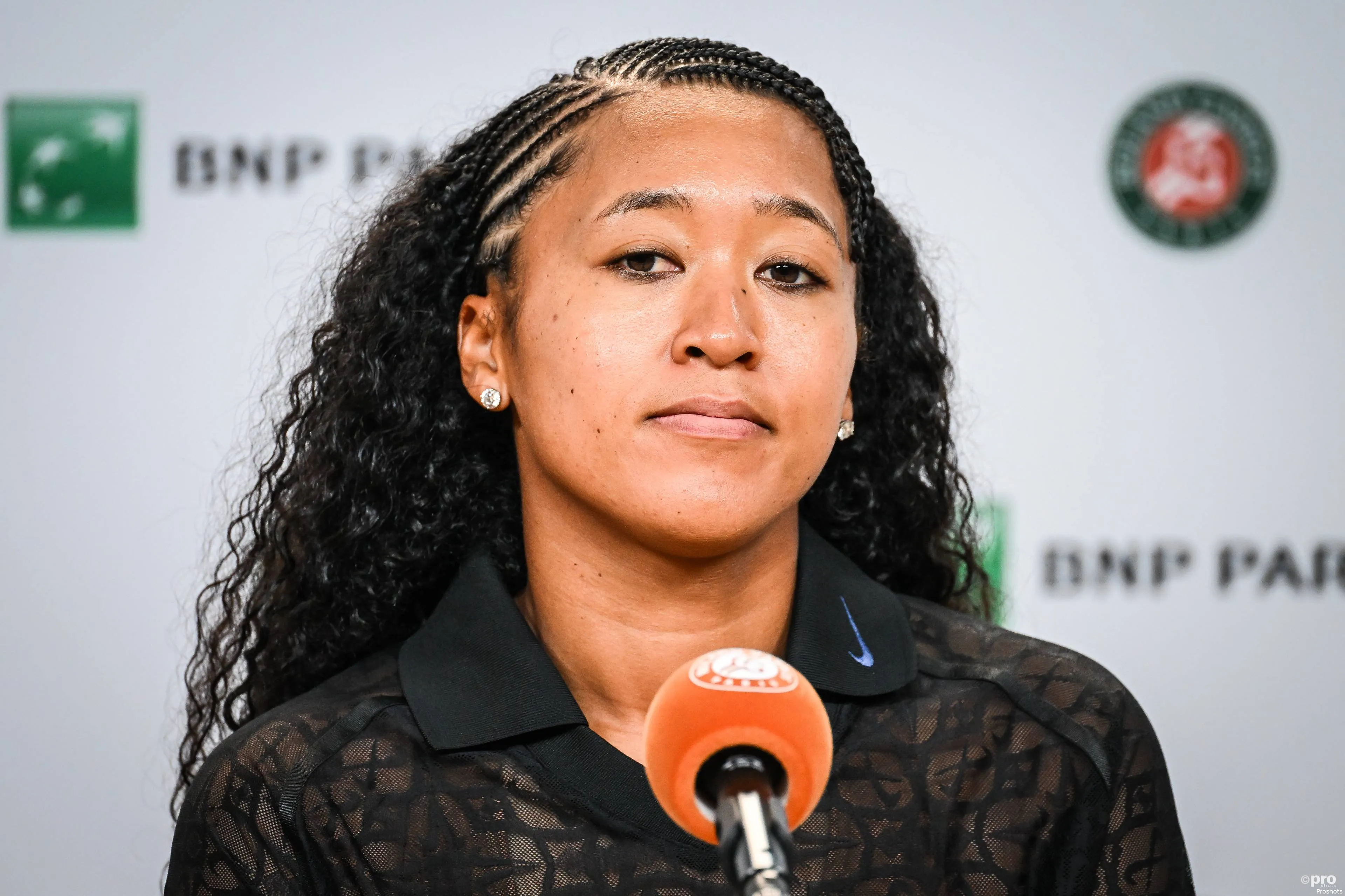
Naomi Osaka admitted her Wimbledon quarter-final defeat to Karolina Muchova was “a little more upsetting” than some previous losses, but the former world No. 1 left the All England Club with renewed belief that another Grand Slam title remains within reach. Speaking after her best-ever Wimbledon campaign, Osaka focused less on the result and more on what the tournament showed about her level.
The Japanese star’s run ended with a 6-7(4), 4-6 loss against Muchova after one of the biggest moments of the tournament: a round-of-16 victory over world No. 1 Aryna Sabalenka. The win marked Osaka’s first career victory over a top-10 player on grass and her 15th overall against a top-10 opponent.
Wimbledon represented another important step in Osaka’s comeback after a difficult period away from the sport. The four-time Grand Slam champion, who won two Australian Open titles and two US Open titles during the first stage of her career, returned to tennis after struggles with mental health and later became a mother to daughter Shai in 2023.
The 29-year-old’s quarter-final appearance was only the second time she had reached the last eight of a major since winning the 2021 Australian Open. After also reaching the semi-finals at last year’s US Open, Osaka believes her recent results show she remains capable of competing against the best players in the world.
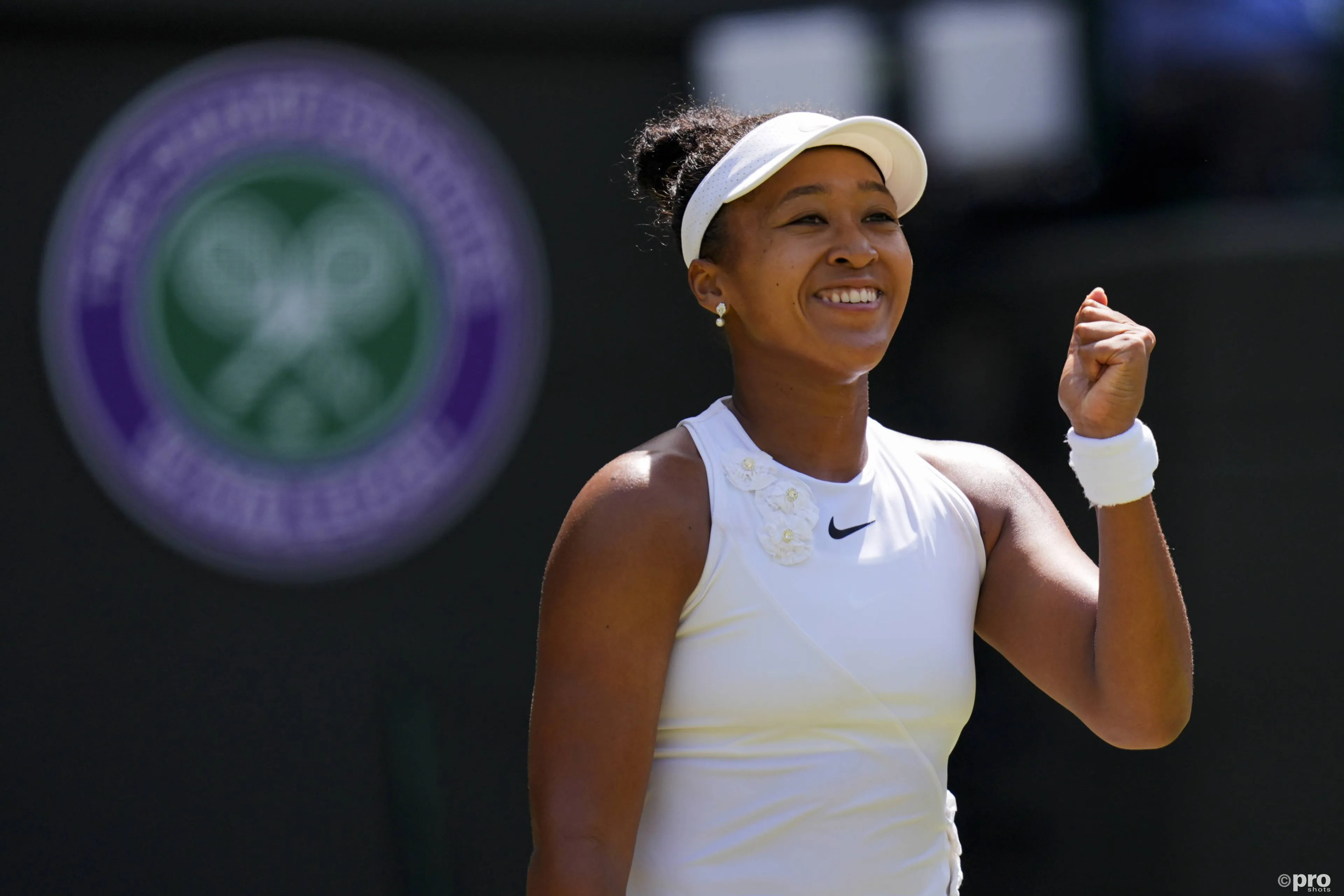
Osaka admits disappointment but insists Slam ambitions remain
Osaka explained that the frustration from her Wimbledon exit came from feeling that she had missed an opportunity rather than from the defeat itself. "I know my results don't show it. But whenever I play a Slam, my intention is to win,” the former world No. 1 said in press conference. “Obviously last year I got to the semis and I wanted so desperately to be in the final to have that opportunity. But Amanda (Anisimova) played insane.”
“I honestly wasn't even mad that she won. This one is a little more upsetting to me because I feel like there was so much more I could have done."

Naomi Osaka Wimbledon
Despite the disappointment, Osaka said she wants to view Wimbledon as evidence of continued progress. "I think maybe I should find the positive in that because I've gotten to the quarters and I feel like I can still improve so much as a player. So yeah, I feel like in my head, I think there's still an opportunity to win a Slam."
Osaka also highlighted how Wimbledon changed her perspective on grass tennis. Before this tournament, she had never gone beyond the third round at the All England Club, but her victory over Sabalenka and run to the quarter-finals gave her a new level of belief heading into the rest of the season.
"It's definitely given me a confidence boost,” the 4-time Grand Slam champion added. “I think getting the furthest that I've gotten, going to a final on grass too, it's definitely really encouraging."
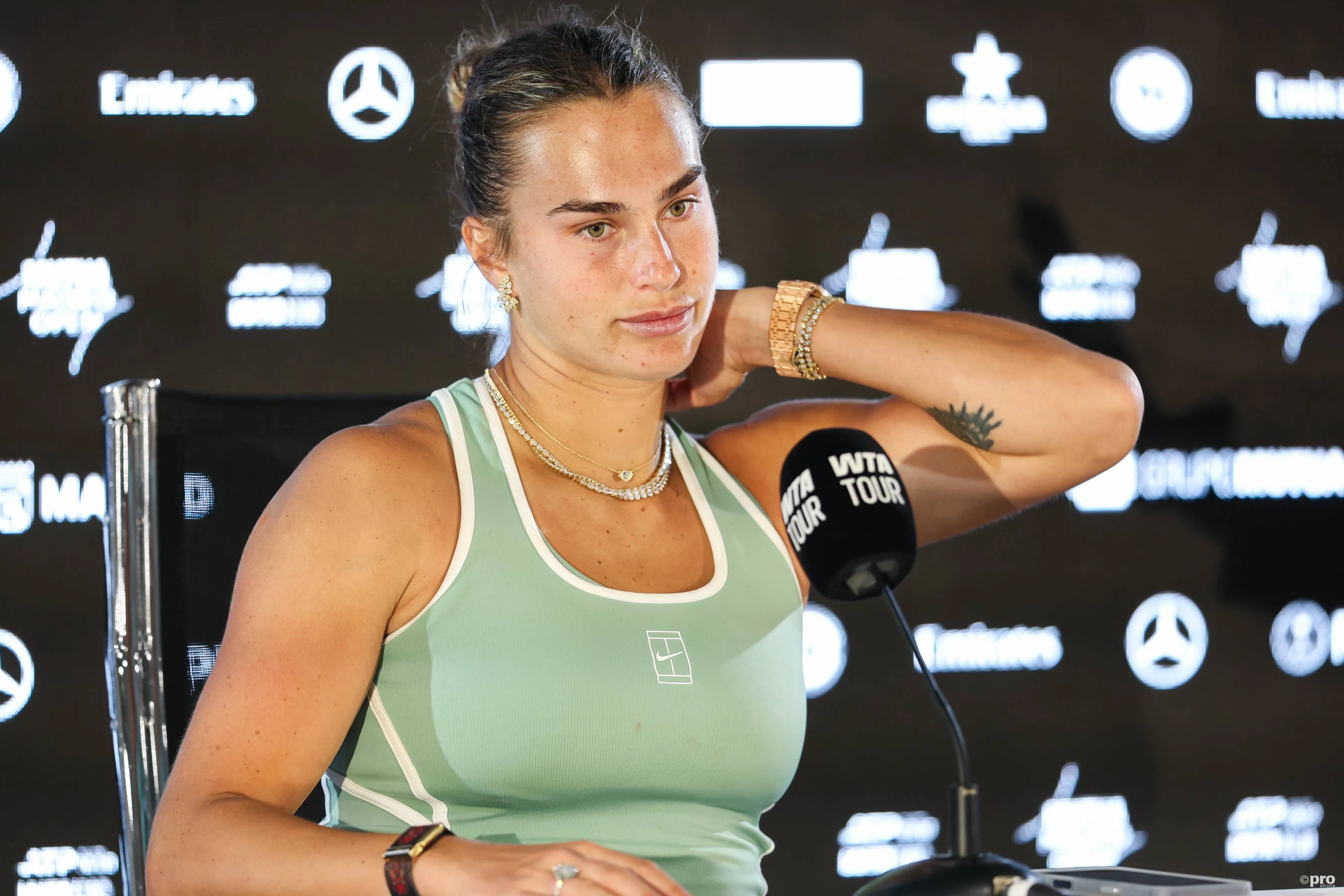
Physical concerns, unusual heat comments and hard-court focus
The former world No. 1 acknowledged that fatigue affected her performance against Muchova after playing a heavier schedule than usual before Wimbledon. Osaka said she wanted to test herself by building match rhythm before the tournament but admitted that the physical demands of two straight weeks without a day off eventually caught up with her.
"I could feel it coming because I've played way more matches than I usually do before a Slam, and I just wanted to try that to see the rhythm. Obviously it worked out well, but I think I probably won't do that again. I would say it was an accumulation of playing for two weeks straight without a day off."

Osaka was scheduled to face Muchova in the Berlin final (two weeks before Wimbledon), but an injury forced the Japanese to withdraw before entering the court, while the Czech player claimed the trophy.
Osaka also addressed the physical issue that emerged late in the match, clarifying that the problem was not an ankle injury but plantar fasciitis in her feet. "It kind of started happening in the offseason last year. And I feel like maybe it's because I'm a lot more springy on my toes.”
“I think it reactivated on grass court because I'm pushing off a lot more to go forward. So I don't think it'll bother me on hard court. I'm thinking maybe it was just a surface change."
When asked about the impact of Wimbledon’s increasing heat on close matches, Osaka offered one of the most memorable responses of her press conference, saying warmer conditions would actually have suited her game better.
"No, I mean that's, for me, the opposite. Like if it was hotter, I probably would have won, I'm not gonna lie. I'm a person that if it's really, really hot, I feel like it activates my powers or something. I kind of prefer it that way."
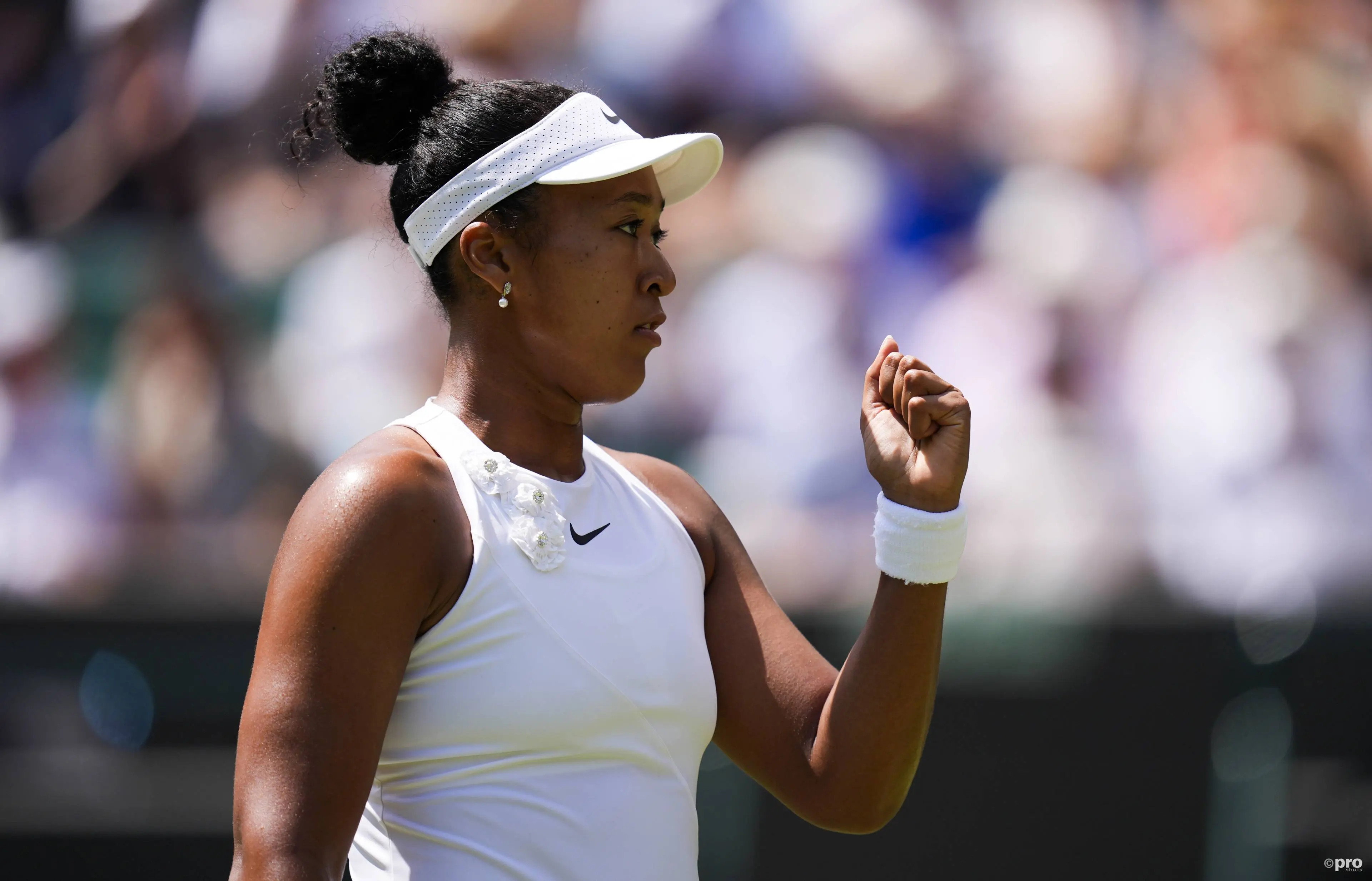
Osaka will now turn her attention to the hard-court swing, where she has historically produced her strongest results. She enters that period with significant ranking points to defend after reaching the Canadian Open final and US Open semi-finals in 2025, but Wimbledon has given her a new foundation.
"I hope that going onto hard court, which is my favourite surface, I hope that I'm able to learn a lot and kind of apply it to become a more complete player."

Cristhián AvilaTennis Journalist
Cristhián Ávila is a tennis journalist based in Santiago, Chile, and has been part of the TennisUpToDate team since early 2023. He covers the ATP and WTA Tours as well as all four Grand Slams, producing breaking news, match reports, analysis, and regular liveblogs from major tournaments.
His reporting combines statistical analysis with clear explanation, helping readers understand tactical developments, player form, and broader storylines across the tour. Working fluently in both Spanish and English, Cristhián collaborates with an international editorial team and contributes to comprehensive global coverage. As part of his work, he has conducted interviews and media interactions with leading figures in the sport, including Caroline Wozniacki and John McEnroe.
In his journalism, Cristhián places strong emphasis on careful sourcing, editorial accuracy, and updating articles promptly when new, verified information becomes available. His coverage is grounded in research, context, and direct engagement with professional tennis.
claps 0visitors 0
Just In
Popular News
Latest Comments
- "Like if it was hotter, I probably would have won, I'm not gonna lie." Geezus...
 mandoist08-07-2026
 - This one has totally lost the plot. She is about to cross the racism line in her hatred for Russian people. NEWSFLASH DARLING -- Russian majority of citizens (and your ex-Colleagues whom you shamed) are not who you should be aiming at. Grow up.mandoist08-07-2026
- Why do all these "experts" feel the need to publicly "tell players" what they need to do, or what they're doing wrong?? How about this -- if you're so concerned with a player's situation actually take the time to contact the team in question and talk directly to them. Yapping in public media is rarely, if ever, helpful.mandoist07-07-2026
- Gee... preferential treatment all the way to the end? STOP IT WTA & WIMPLEDON !!! This entire WILLIAMS CHARADE is 100% unfair to young upcoming players who legitimately earned a shot at a Wildcard. The whole scenario with these freebies to The Williams' is pathetic and barely within the rules (which have been bent like a pretzel to accomodate them). The lamest excuse this time is "...she is a top draw". How does that apply to Wimbledon which is sold-out in advance? Stop enabling this abhorrent "Look at me" behavior. If they want to make believe they can compete -- LET THEM PLAY QUAILIFIERS LIKE EVERYONE ELSE.mandoist06-07-2026
- Is it not clear there is a mental issue here? I mean, her judgement is very suspect given her personal life 'experiences'.mandoist06-07-2026
- Are you kidding me with this soft "article"??? WTF?? Djerkovic should be DISQUALIFIED just as anyone else at WimPledon would have been for his behavior!! So what you should be writing about is how the stuffed shirts on Wimpledon's executive board and ATP can no longer hide, nor lie about, their FAVORITISM. We now have seen (and heard) that, as in politics and world of CEO's, "who" you are can afford Elitists the luxury of escaping the usual penalties according to their own bona fide rules/reg's. Not totally surprising coming from organizations which perform special rule-breaking stunts as giving the undeserving, unranked Williams' some young upcoming player's Wildcards. Neither Williams earned these WC's... let them enter via Qualifiers like anyone else!!!mandoist06-07-2026
- Real fans of the sport, that's who.mandoist06-07-2026
- I agree with Reilly, who cares about doubles reallySakkariFan2305-07-2026
- Eala is brilliant for the sport.SakkariFan2305-07-2026
- IVA JOVIC is going to win.SakkariFan2305-07-2026

Loading