“I’m not going to win if I’m 10 feet behind the baseline”: Jessica Pegula explains how she turned Swiatek match around
WTA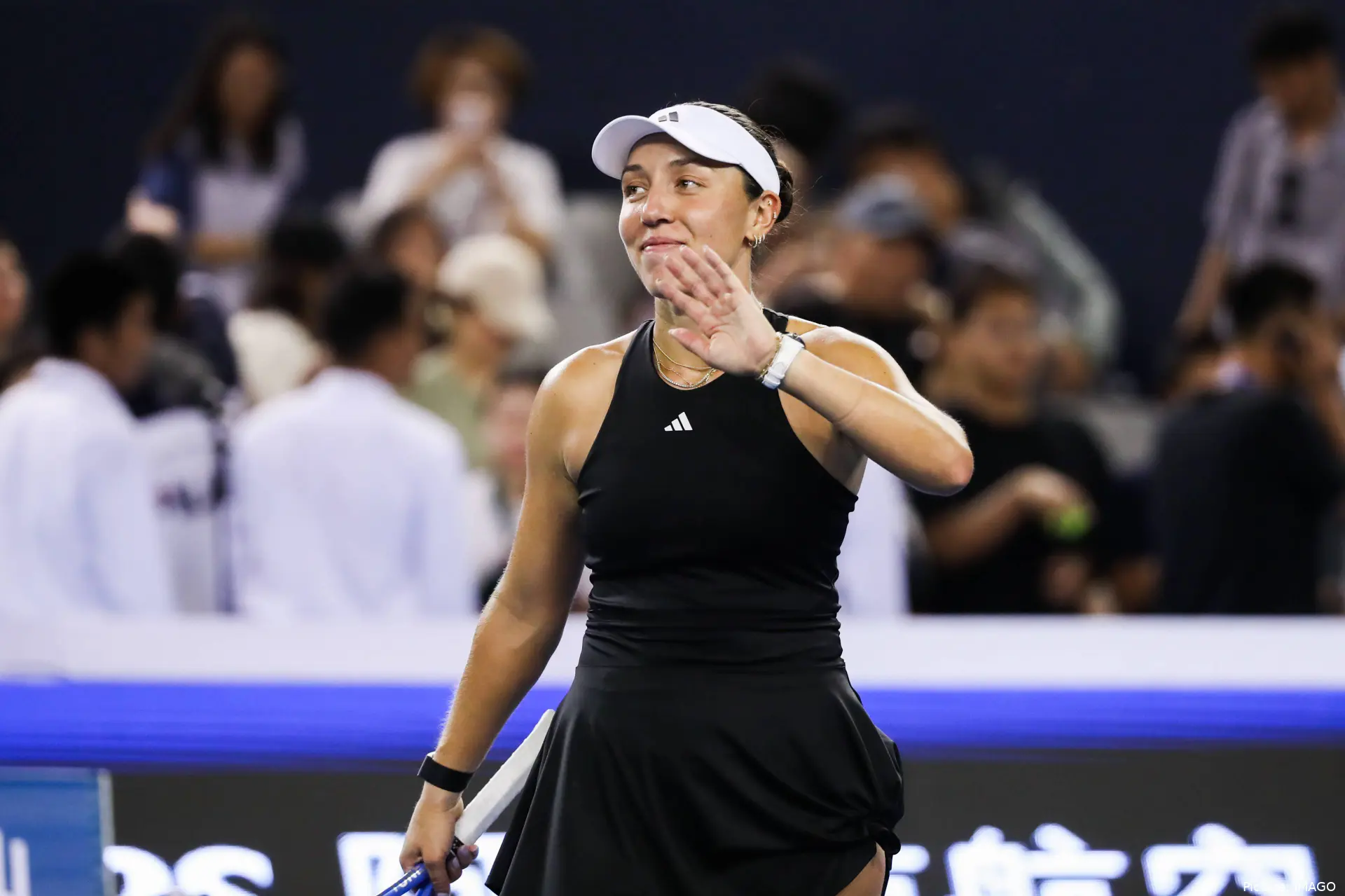
Jessica Pegula reached the Cincinnati Open final with a 7-5, 4-6, 6-4 victory over defending champion Iga Swiatek, ending the Pole’s 10-match winning streak in a match that lasted nearly three hours. The world No. 3 recovered from a 3-1 deficit in the deciding set to reach her ninth WTA 1000 final, continuing a strong week in which she has repeatedly found ways through difficult matches.
The semifinal was Pegula’s third consecutive three-set victory and her 17th of the season, tying her career-best total from 2023 and 2025. She is now 17-5 in three-set matches in 2026, including an 11-2 record on hard courts. Against Swiatek, the American had to deal with 13 breaks of serve and constant momentum swings before finding a way to close out another demanding contest.
Pegula said her return was the biggest part of her game she trusted against Swiatek, particularly because neither player was able to consistently control her service games. She also knew she could not allow the four-time Grand Slam champion to dictate from behind the baseline, instead looking to take time away from Swiatek and remain committed to the aggressive approach she has been working on.
“I think my return. I think I returned, put a lot of pressure on her serve and then tried to find my serve at some point," she said to Tennis Channel. "I think I served maybe the last two games I served were my better service games, just considering the scoreline and got a couple aces and a couple free points finally.”
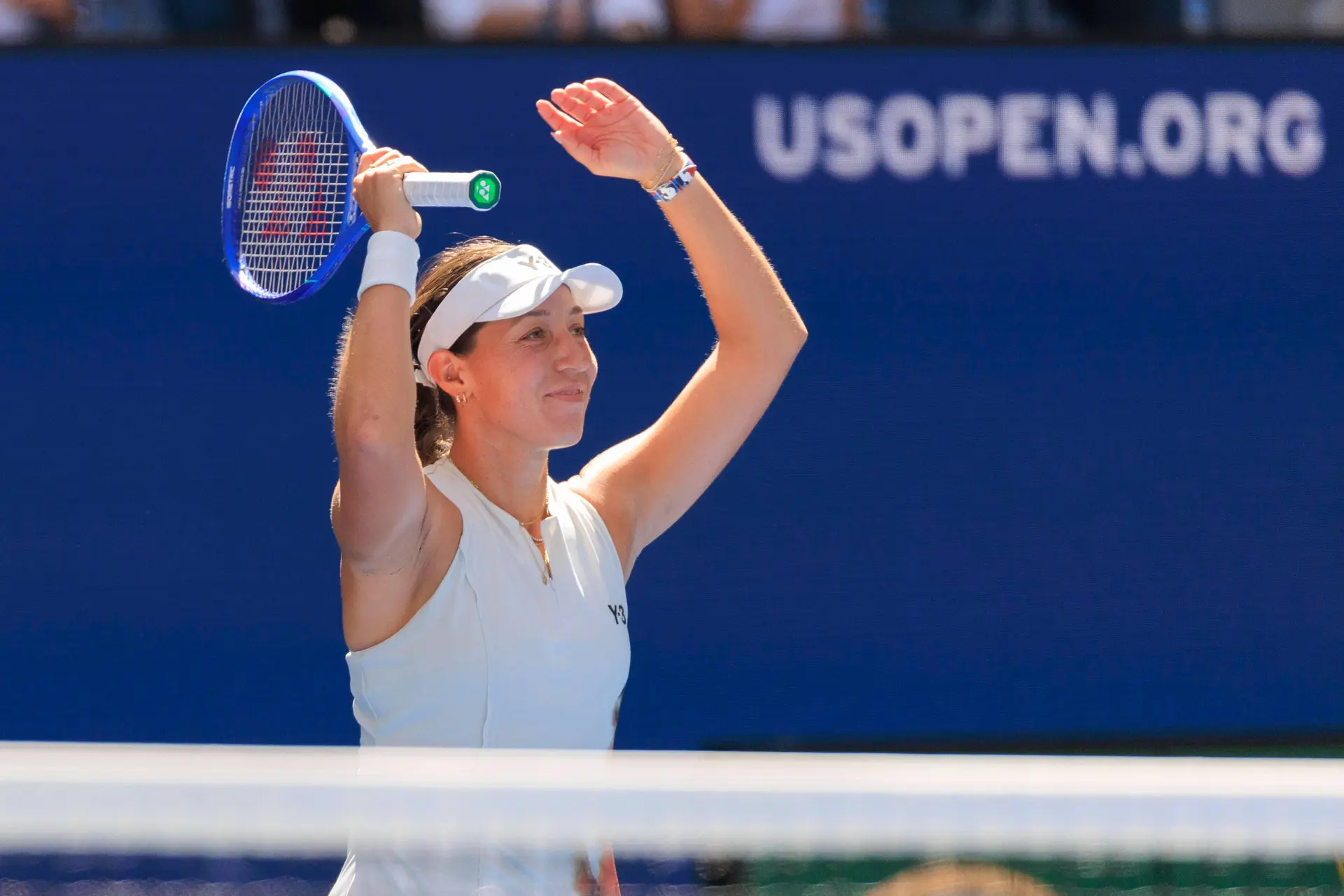
Pegula refuses to move away from her game
The American also had to reset quickly after dropping serve at 1-2 in the deciding set, when two double faults gave Swiatek an early advantage. Rather than allowing the mistake to change her approach, Pegula immediately focused on getting the break back and maintaining pressure. That response ultimately helped her recover before taking control of the closing stages.
“I played a bad game at 1-2, I hit two double faults kind of out of nowhere. I don't even know why. It was really windy. And I think I just, I don't know, hit two double faults and then she played a good game and I focused really hard. I'm not getting upset about that. Like just try and break back, try and break back and keep the pressure on.”
Read also
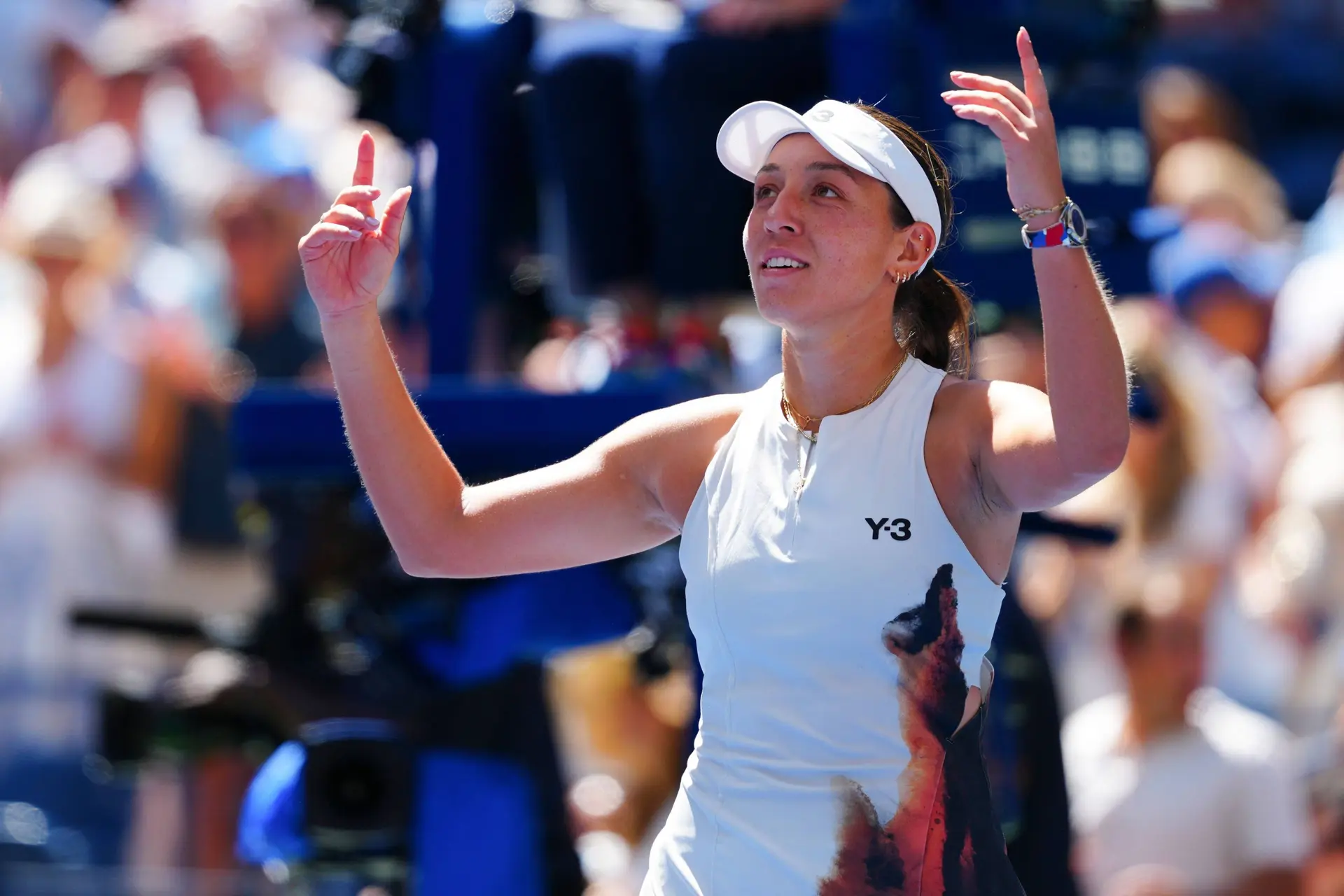
Pegula's ability to stay with her game plan has become increasingly important in long matches. She believes her style can become an advantage over two or three sets because opponents have to work particularly hard to disrupt her rhythm. Her 17 three-set wins this season underline how comfortable she has become in matches that go deep.
“I think that I'm able to play my game over the course of two and three sets. I think it's the way that I play," the world No. 3 added. "It gives me a little bit of an advantage where I think like my opponent has to really -- I don't know what the word is -- kind of get me off of my rhythm. I think that's really hard to do sometimes, especially on a hard court against me.”

Jessica Pegula will play her 9th WTA 1000 final
Against Swiatek, that meant refusing to retreat even when the Pole's forehand and depth made it difficult to control the baseline exchanges. Pegula knew that simply defending would eventually leave her vulnerable, so she continued looking for opportunities to take the ball early.
“I just told myself to kind of be brave. And the only way I was going to win was if I play a certain way, I'm not going to win if I'm 10 feet behind the baseline and letting her push me around. Like, yeah, sometimes if I have to dig out a point, of course, like that one point I'll do it. But I really have to impose taking away time away from her.”
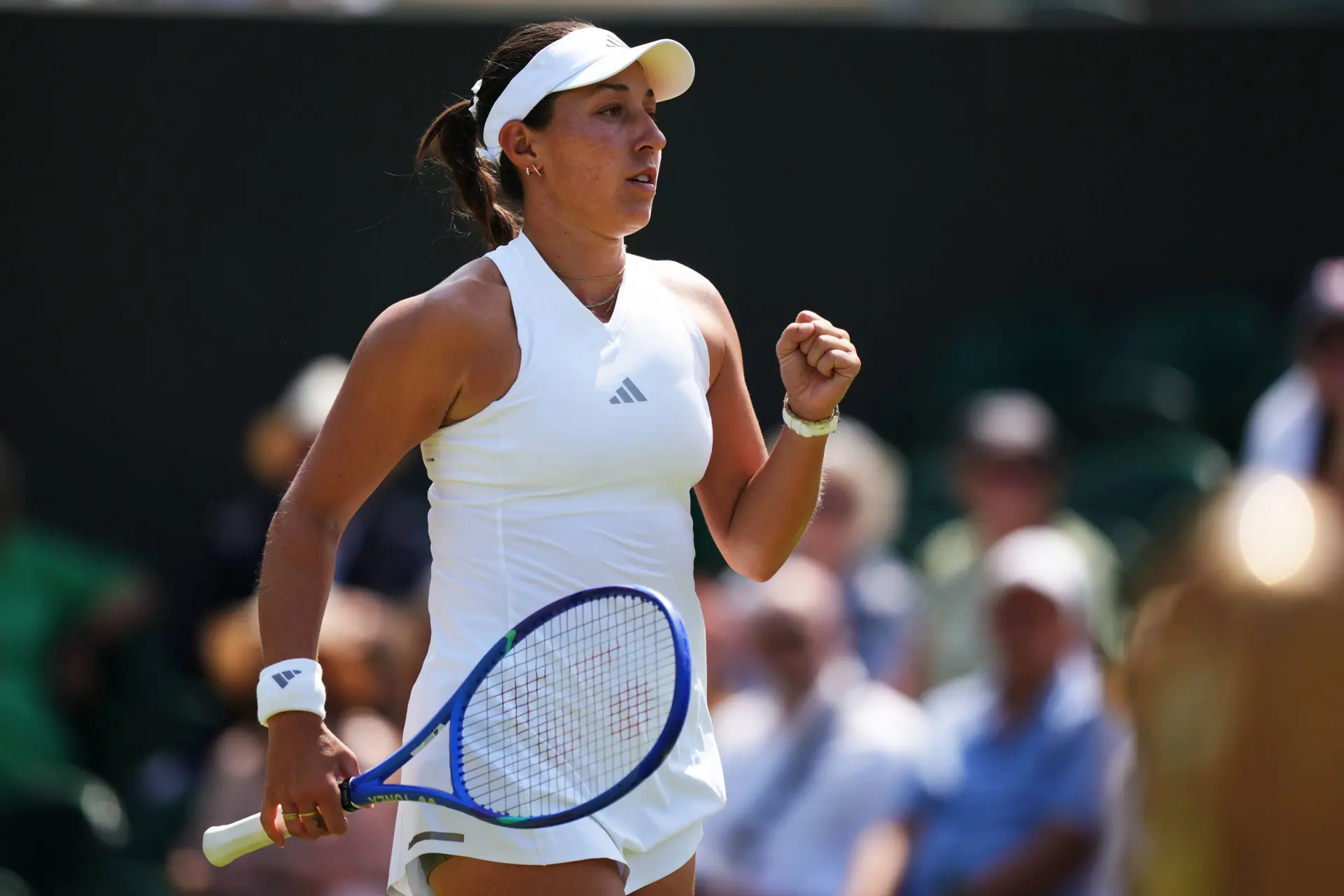
Pegula's unusual recovery before the semifinal
The semifinal came only two days after Pegula's quarterfinal against Amanda Anisimova, where she took a medical timeout before winning another three-set battle.
“I got like a little treatment, but I did nothing," she said about her recent injury. "Laid out by the pool. I have a pool. That's the key. By my house. I just got some vitamin D, and I literally did nothing. No. I didn't come to site at all.”
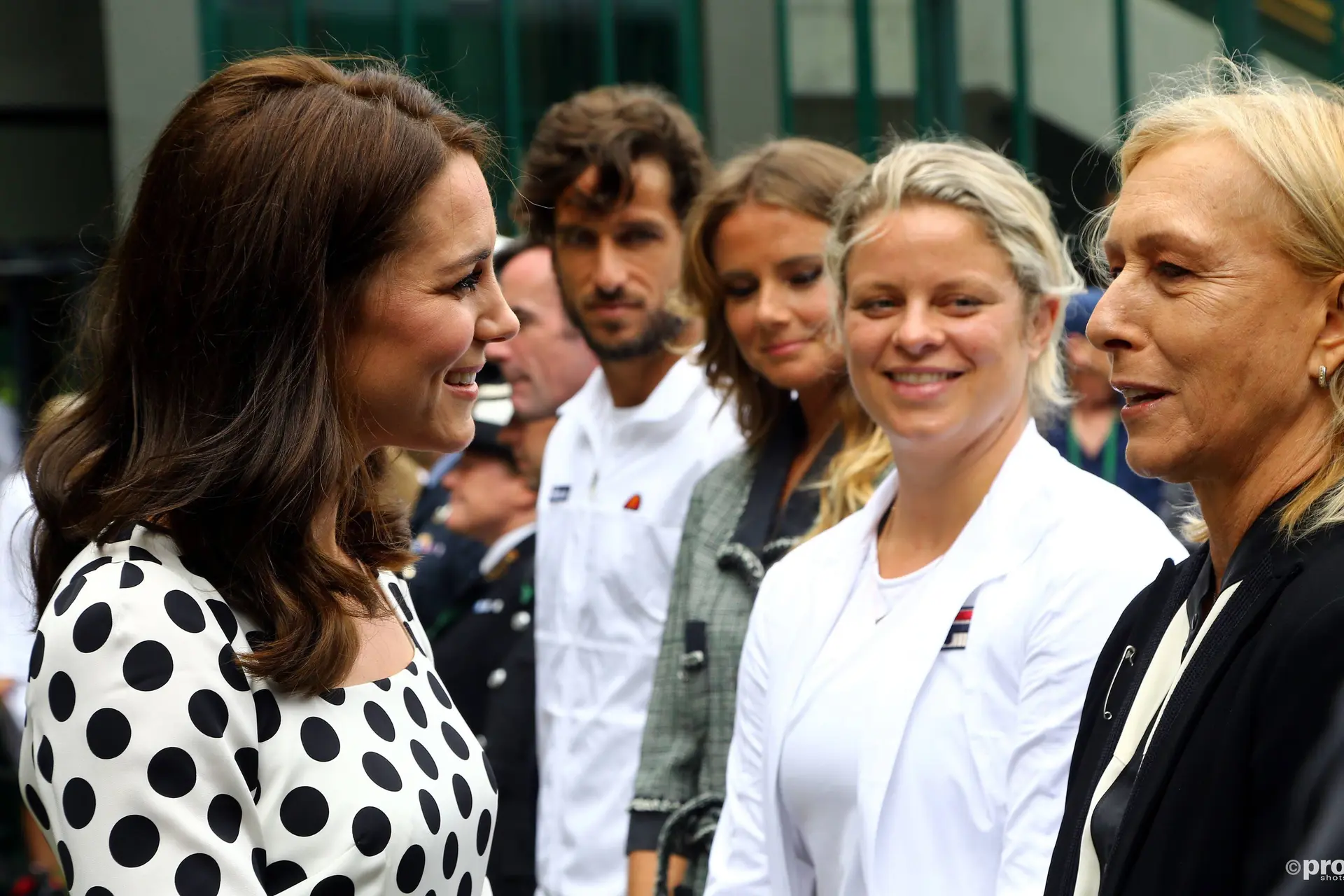
Pegula described herself as a “practice perfectionist” and admitted that her coaches were actually pleased to see her stay away from the courts. After the physical demands of the Anisimova match, they wanted her to avoid feeling as though she needed to do more before another difficult contest.
“My coaches love when I, because I'm like kind of a practice perfectionist. So for them, they're like, oh, just they love when I'm like, when I am totally motivated to like not motivated to go to the site, they're like really happy because they know that I'm in like a good place mentally where I don't feel like I have to overdo it.”
The decision appeared to work. Pegula said she felt no lingering problem when she stepped onto court against Swiatek and was able to produce another three-set victory. She now has the chance to win her first Cincinnati title after reaching the final for the second time in three years.
“I had played enough tennis the last couple days, and when I came out this morning ... I didn't feel anything at all that was ailing me in the match against Amanda.”

Cristhián AvilaTennis Journalist
Cristhián Ávila is a tennis journalist based in Santiago, Chile, and has been part of the TennisUpToDate team since early 2023. He covers the ATP and WTA Tours as well as all four Grand Slams, producing breaking news, match reports, analysis, and regular liveblogs from major tournaments.
His reporting combines statistical analysis with clear explanation, helping readers understand tactical developments, player form, and broader storylines across the tour. Working fluently in both Spanish and English, Cristhián collaborates with an international editorial team and contributes to comprehensive global coverage. As part of his work, he has conducted interviews and media interactions with leading figures in the sport, including Caroline Wozniacki and John McEnroe.
In his journalism, Cristhián places strong emphasis on careful sourcing, editorial accuracy, and updating articles promptly when new, verified information becomes available. His coverage is grounded in research, context, and direct engagement with professional tennis.
claps 0visitors 0
Just In




Popular News
Latest Comments
- Boss move, Sinner !Rapunzel27-10-2026
- Apparently still refusing to seek 'help' ...and still playing Dress-Up like a 10 year-old.
 mandoist27-10-2026
 - Lena... Takin' care of businessmandoist25-10-2026
- Can you please stop publishing this nonsense? Stick to Tennis.mandoist25-10-2026
- Does Sinner need that 4.5 mil? I doubt it. He can make that with three modelling gigs!😅🤣Rapunzel21-10-2026
- Did "People Magazine" purchase this website? This nonstop storyline is bullshit.mandoist21-10-2026
- Listen... this is of no concern to anyone but these two. Deal with your own issues -- most of us have our own. Thanks, media, for these insignificant follow-ups which are meaningless.mandoist21-10-2026
- This is so very very sad, for all three of them. I truly thought they had an unbreakable bond, but life throws up so many differing challenges. Having your homeland suffering in such a terrible way, makes happiness lose out to guilt as well. Our thoughts are with them. X💔bjsexton20-10-2026
- I have lost all respect for Svitolina! Could she not have waited until he had played at the Paris Masters!!! She is selfish and don't give a damn about Gael. That is NOT how love is demonstrated Elina!!Rapunzel19-10-2026
- Perhaps convenient tennis tour sex is not a strong enough experience in which to base a marriage?mandoist19-10-2026

Loading