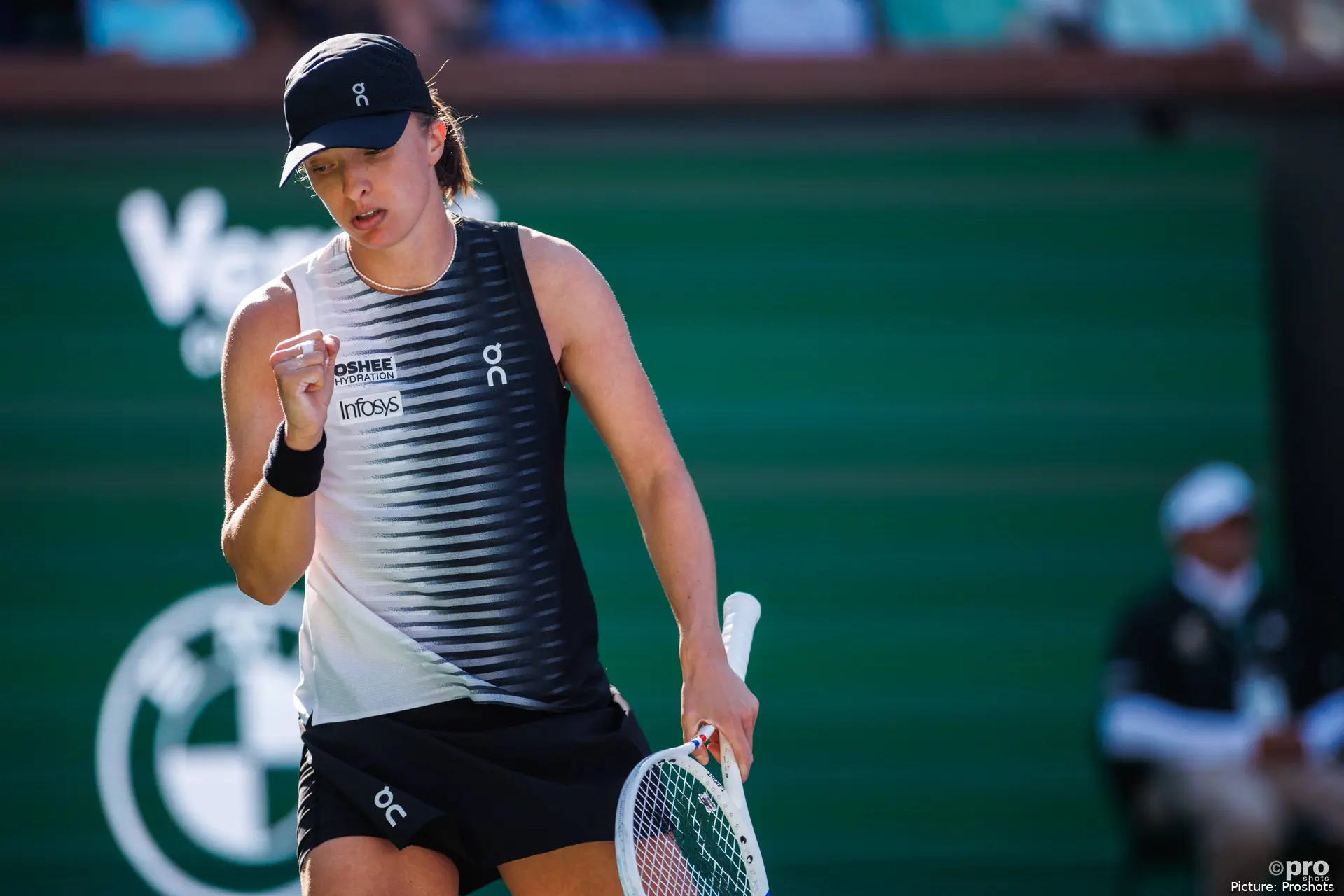
Iga Swiatek returns to the Rome Open with a dual objective: re-establish competitive rhythm and stabilise a clay-court season that has yet to fully develop. “I was completely off,” she said of Madrid, where illness disrupted her preparation and performance. Rome now functions as a key corrective point ahead of Roland Garros.
The Polish player arrives with limited match volume on clay, holding a 2–2 record across Stuttgart and Madrid. That sequence has slowed early-season momentum and places added weight on Rome as her final high-level test before Paris, where she has built much of her career success.
Swiatek’s historical performance at the Italian Open provides a contrasting baseline. She has won the title three times (2021, 2022, 2024) and enters with a 21–3 record at the event, making it one of her most reliable tournaments in terms of output and consistency.
However, her most recent appearance at the Foro Italico ended below expectation, with a third-round exit to Danielle Collins in 2025. That result, combined with her current form line, frames this year’s campaign as both a recovery attempt and a performance checkpoint ahead of the French Open, where she is a four-time champion.
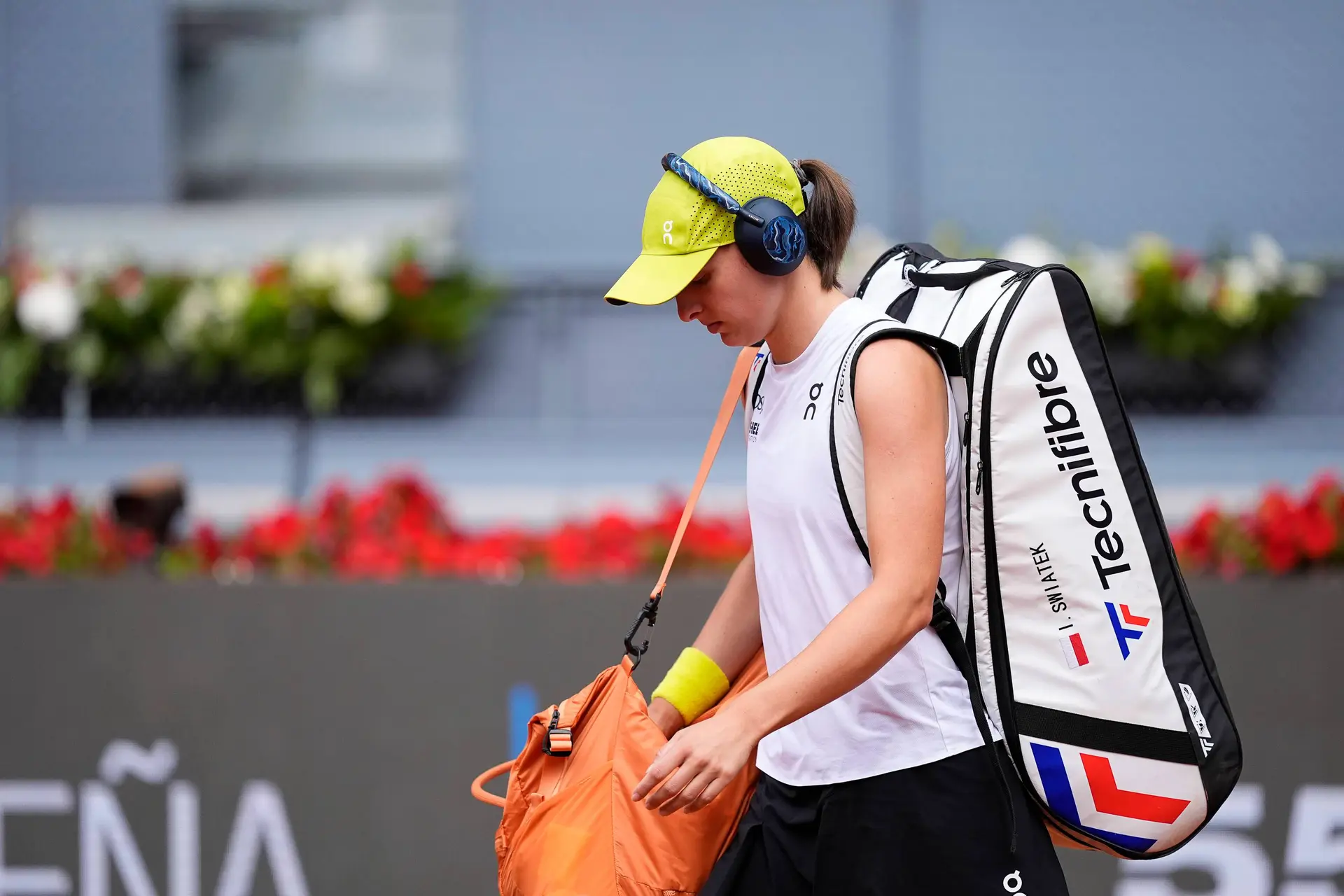
Recovery timeline and Madrid disruption
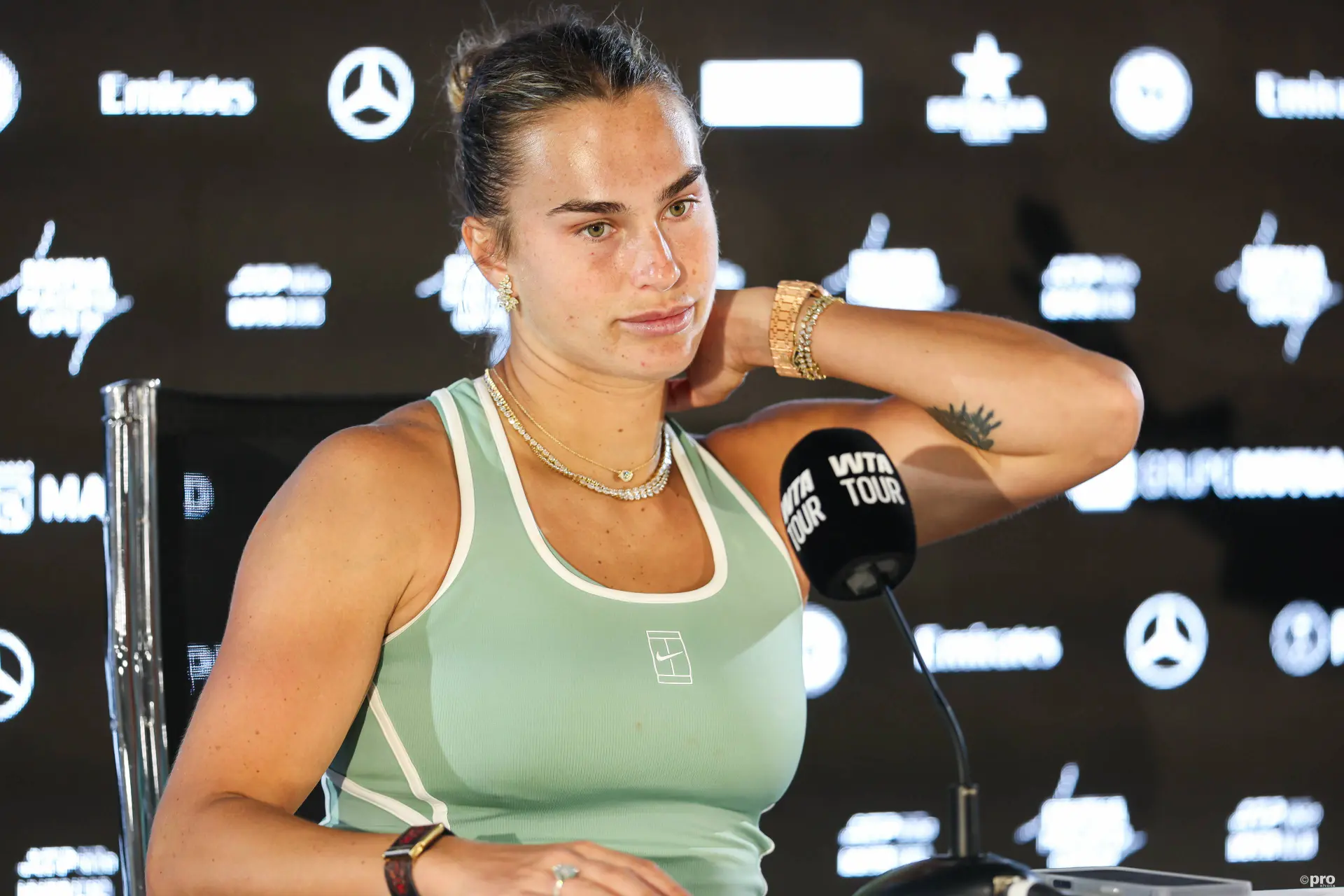
Swiatek provided a direct explanation for her Madrid performance, attributing it primarily to illness rather than technical or tactical issues. The Pole’s level dropped during her third-round match against Ann Li, eventually forcing her to retire due to stomach issues (6–7, 6–2, 0–3, ret.).
“My Madrid tournament was tough. It was really, like… shitty, literally," Swiatek said during her last press conference. "So yeah, I was completely off, like, day before the match. The day I played also I was not good, like no energy at all.”

The impact extended beyond match day, with lingering physical effects that would have prevented a return to full performance level even with additional time in the tournament. “Honestly, day after it was a bit better, but still I don't think I would be able to play normal.”
Her recovery, however, progressed quickly once symptoms subsided. Swiatek opted to minimise travel and prioritise stability before resuming full training in Rome. “But in two days I was already fine. I recovered. I had some time to stay there and not really travel because I don't think it's safe to travel when you're so, like, fragile.”
That decision enabled a complete reset upon arrival in Rome, where she resumed practice at full intensity. She also noted that illness was not an isolated case during the tournament period. “Then I came here and I was able to practice fully from the beginning 100%. Quickly I was back. It was really unfortunate timing. Honestly, yeah, many players got sick, so I don't think there was anything we could do to avoid it.”
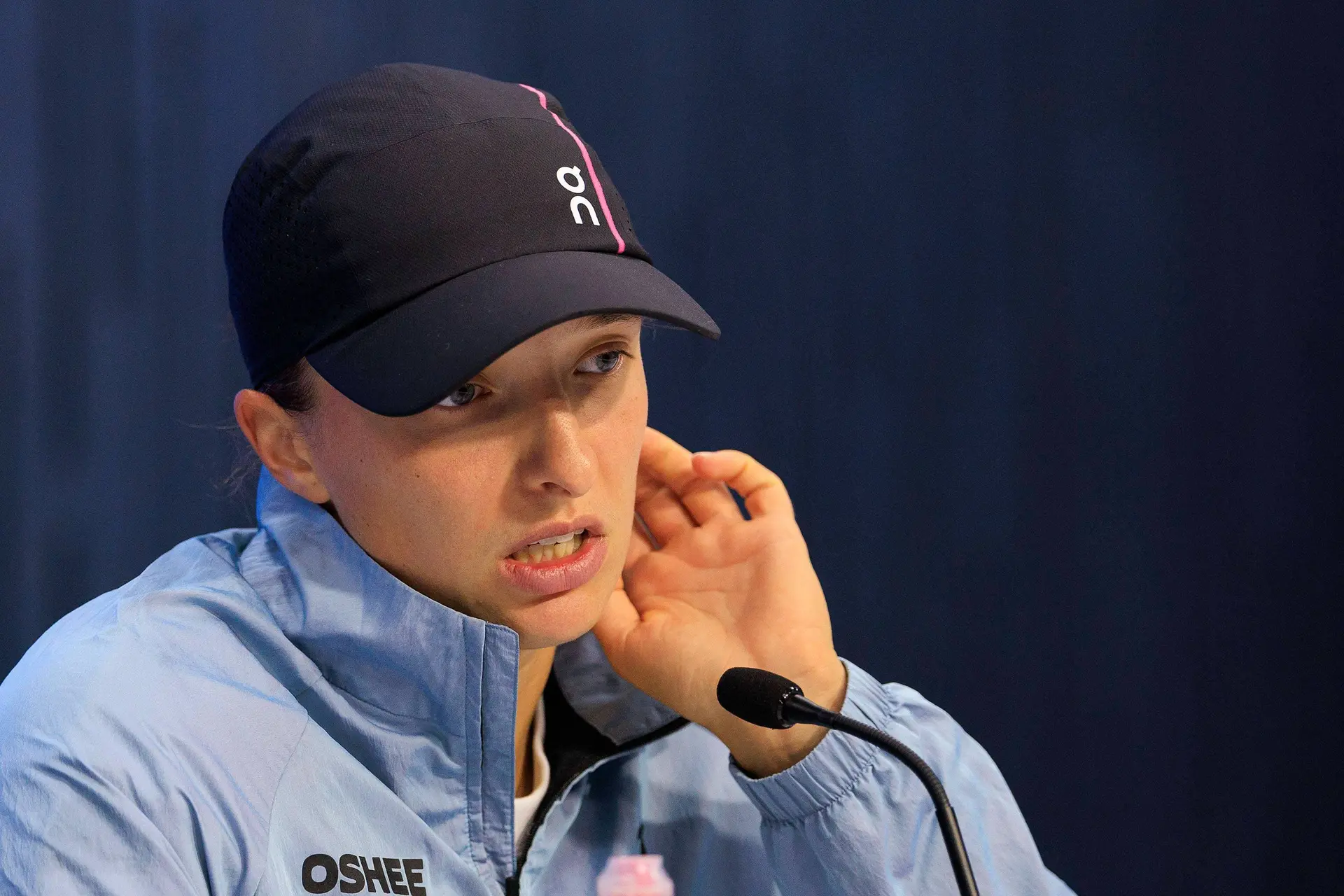
Multiple champions (3+ titles) – WTA Rome Open
| Player | Titles | Title years |
| Chris Evert | 5 | 1974, 1975, 1980, 1981, 1982 |
| Conchita Martínez | 4 | 1993, 1994, 1995, 1996 |
| Gabriela Sabatini | 4 | 1988, 1989, 1991, 1992 |
| Serena Williams | 4 | 2002, 2013, 2014, 2016 |
| Iga Swiatek | 3 | 2021, 2022, 2024 |
| Maria Sharapova | 3 | 2011, 2012, 2015 |
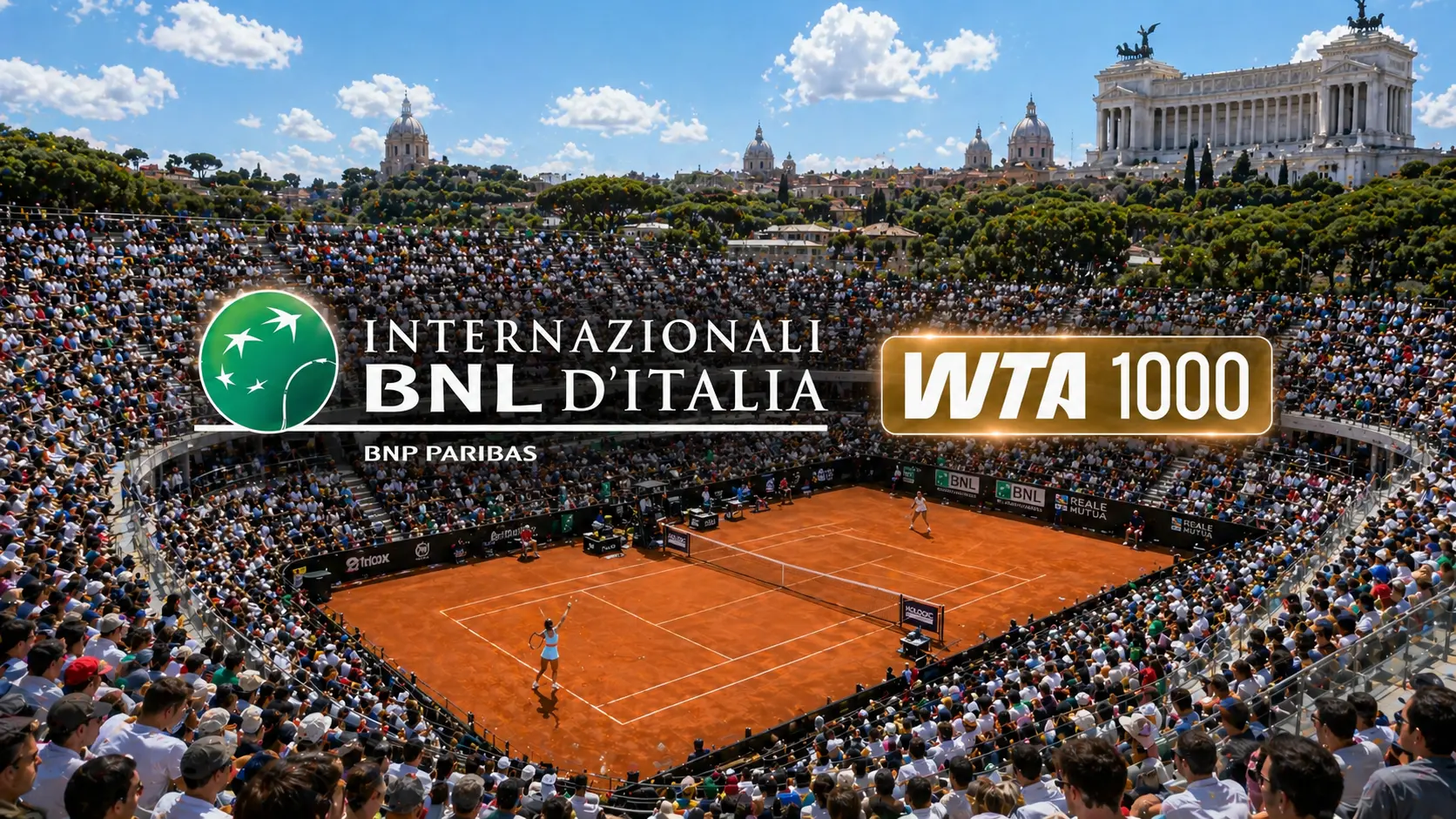
Prize money debate
Swiatek also addressed ongoing discussions around prize money distribution, particularly in the context of Roland Garros. Her comments reflect a broader concern among top players regarding revenue share rather than headline prize increases.
She indicated that while prize money may rise in absolute terms, the proportion allocated to players can decline, reinforcing the need for structured negotiation with governing bodies. “Honestly, it's about different situations over the last years. There have been, like, many discussions in like top-20 group, not specifically related to prize money, but also the war in Ukraine.”
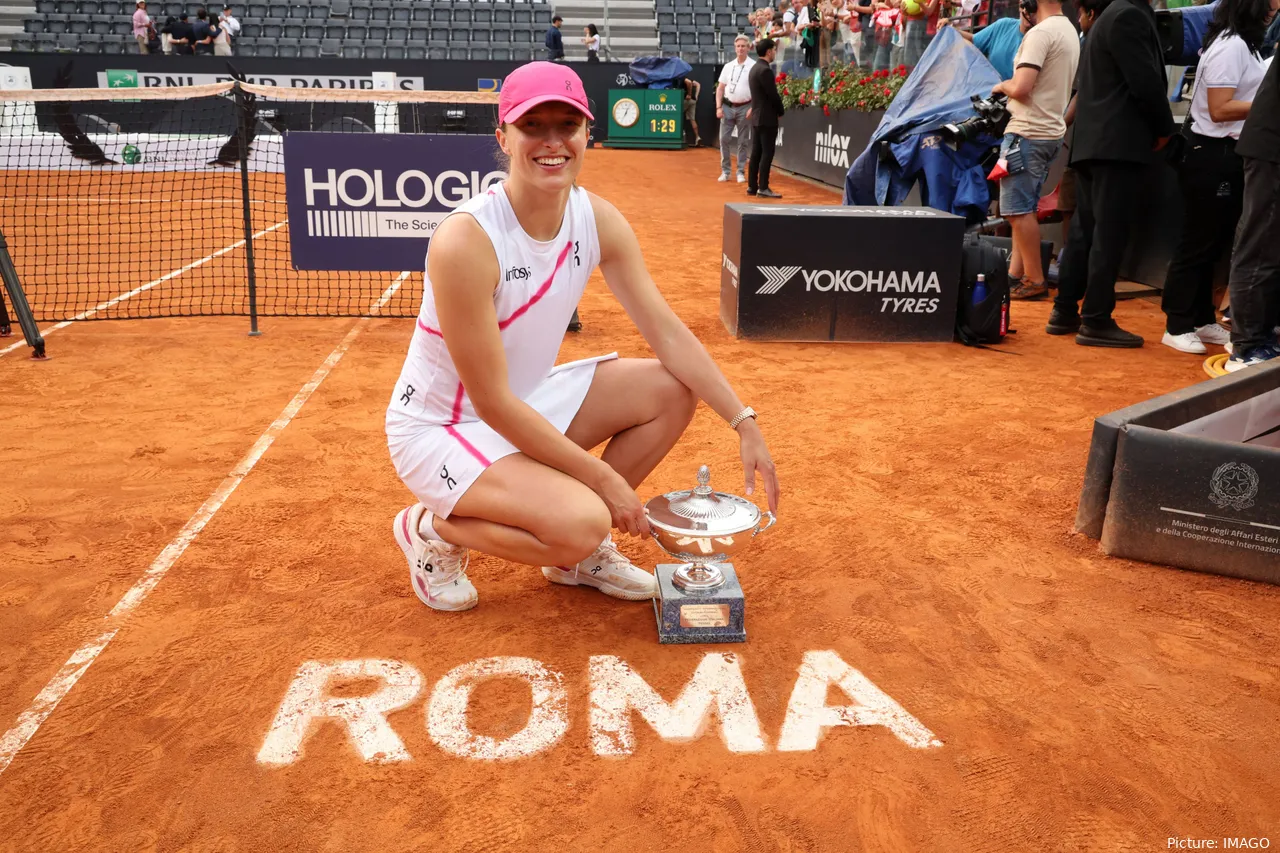
Iga Swiatek with the 2024 Rome Open trophy, after her victory against Aryna Sabalenka in the final.
These discussions have also covered scheduling and ranking systems, particularly following disruptions caused by the COVID-19 period. Swiatek highlighted improved communication among players, although she acknowledged delays in collective responses.
“Sometimes players after COVID, there was a bit of mess in terms of the rankings, also prize money and points. I think we have, like, good communication between us. Sometimes if it's an important topic, we are ready to speak together.”
Despite alignment on key issues, Swiatek rejected more extreme responses such as boycotts, pointing to the individual nature of the sport. “Also the same thing happened with scheduling when the changes have been made about mandatory tournaments. Unfortunately we were a bit late in terms of the reaction. I think we have, like, pretty clear and similar vision.”
“But boycotting the tournament, it's a bit extreme kind of situation. I don't know. I guess we as players are here to play as individuals, and we're competing against each other.”
Long-term perspective despite interrupted momentum
From a performance standpoint, Swiatek emphasised continuity in her development, particularly with recent adjustments to her game. She framed Madrid as a missed opportunity rather than a structural setback. “Of course, I have a long-term vision. As I said, it's also not that these changes are going to appear after, like, three weeks.”
Her frustration stemmed from the contrast between her training level and the inability to translate it into results during Madrid. She suggested that her form entering the tournament had justified higher expectations. “I felt really good in Madrid with my game. If I would feel terrible and I would get sick, I don't care. Okay, maybe that wasn't my tournament.”
The broader outlook remains consistent with the demands of the tennis calendar, where rapid adaptation is required between events. “But I felt really good with my game. I felt like I also had good results before, so I wanted to use the experience and everything. Yeah, I was for sure disappointed.”
“Like, when things happen out of your control suddenly in tournaments, you've been preparing for it for days, it's sad. But like in tennis you have many chances. If not Madrid, the next one. If not here, the next one. We can also quickly refocus on some other goals.”

Cristhián AvilaTennis Journalist
Cristhián Ávila is a tennis journalist based in Santiago, Chile, and has been part of the TennisUpToDate team since early 2023. He covers the ATP and WTA Tours as well as all four Grand Slams, producing breaking news, match reports, analysis, and regular liveblogs from major tournaments.
His reporting combines statistical analysis with clear explanation, helping readers understand tactical developments, player form, and broader storylines across the tour. Working fluently in both Spanish and English, Cristhián collaborates with an international editorial team and contributes to comprehensive global coverage. As part of his work, he has conducted interviews and media interactions with leading figures in the sport, including Caroline Wozniacki and John McEnroe.
In his journalism, Cristhián places strong emphasis on careful sourcing, editorial accuracy, and updating articles promptly when new, verified information becomes available. His coverage is grounded in research, context, and direct engagement with professional tennis.
claps 0visitors 0
Just In

Popular News
Latest Comments
- A healthy Qinwen may be hard to stop next season. She was already scaring her opponents before her medical leave(s). Unfortunately, Zheng insisted on singing again. On the positive side -- Mirra did not sing!! ;~}
 mandoist11-10-2026
 - Where is it written that athletes, entertainers... People in general... are mandated to keep looking at -- or even using [anti]Social Media? Public & private figures consistently complain and reveal their concerns about negativity and violence thrown at them -- yet they insist on participating. Avoid it, don't use it, don't read it. It's okay to occasionally look up at the World instead beating your eyes & thumbs to death on The Inventions out there.mandoist11-10-2026
- great articlestennisseserver07-10-2026
- Medvedev was leading Djokovic 7-5, 3-5 when an attempted return..' NO you ignorants, Djokovic was leading .weiss05-10-2026
- No more bullshit "Wildcards" to these two. Qualify like everyone else -- there will be cameras there, too. Time to scream... WTF ????!!!!mandoist29-09-2026
- Let's not BS the general public -- Sabalenka started showing cracks in her game last season. Her losses and near-losses started at about the same time she began being distracted by Fame (constant Selfies, making TV commercials, magazine shoots, endless Social Media nonsense, etc., etc.) One would think even Saba could recognize the parallels with others who failed before her -- Raducanu, Giorgi, Bouchard to name a few.mandoist25-09-2026
- Gross!! Hey Raducanu, Giorgi, and Bouchard -- reserve a seat at your Social Media Selfie table for Saba + Naomi. They're heading in your direction soon enough.mandoist24-09-2026
- And then these same players will complain about how lengthy their season’s were and need more time-off. I’m all for more tennis but the amount of tennis we get now is actually kind of crazy! We all need a break, especially the players.DaveyWavey23-09-2026
- You should do a comparison article for "different kinds of justice" the courts decide for tennis players. I can think of at least three players who received very small bans of a few months, however Tara Moore has been fighting for her literal survival the past few years. It seems odd considering she is not a "name" player, unlike the other cases.DaveyWavey22-09-2026
- PRIZE MONEY & POINTS Winner - $185,500 Finalist - $114,500 Semi-Finalist - $66,003 Quarter-Finalist - $35,000 Round of 16 - $18,045 Round of 32 - $13,005 Winner - 500 Finalist - 325 Semi-Finalist - 195 Quarter-Finalist - 108 Round of 16 - 60 Round of 32 - 1DaveyWavey20-09-2026

Loading